





 Português
  Inglês
  Espanhol
  6 min de leitura
  0 comentários


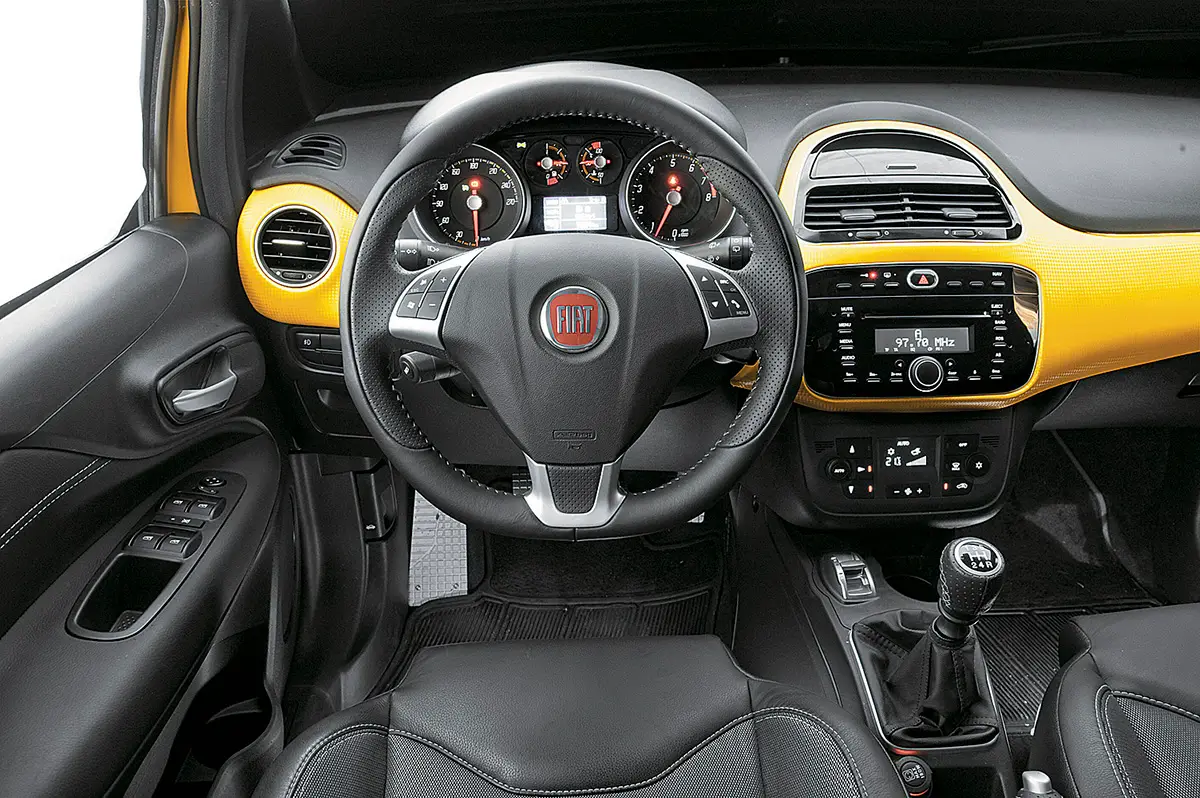
The Fiat Punto T-Jet Emerged as a Premium Hatch from Fiat, Discontinued Silently, and Today Is Contested as a True Sports Car. Understand Why This Model Became a Legend Among Enthusiasts.
Fiat Punto T-Jet: a name that still makes the eyes of many enthusiasts shine. When Fiat decided to launch this hatch in 2009 in Brazil, the proposal was clear: to deliver a compact car with European styling, superior finish, and sports performance, without falling into the exaggeration of a track car. The idea was to compete with models like the Volkswagen Polo GT, Renault Sandero R.S., and even the more basic Civic and Corolla in its price range.
However, over the years, the Fiat Punto T-Jet became a cult classic. It was discontinued without fanfare, but today it is contested as a true sports car among collectors and fans of aggressive hatchbacks. In this article, we will understand why it marked a generation and how this Fiat hatch still captures hearts.
The Origin of the Fiat Punto T-Jet: Fiat’s Premium Bet
Launched in Europe in 2005, the third-generation Fiat Punto was designed with a remarkable collaboration: Giorgetto Giugiaro, one of the greatest names in global automotive design. It was larger, more spacious, and more elegant than its predecessors — and it laid the groundwork for higher-performance versions.
-
With more than 635,000 doctors, Brazil sees competition increasing in large cities, and recent graduates are competing for shifts at an accelerated pace while the countryside still faces shortages.

-
The world’s first octopus farm wants to open in the Canary Islands and is already provoking an international reaction: the plan aims to produce 3,000 tons per year.

-
Drought may be creating stronger superbugs in the soil and helping antibiotic resistance reach hospitals, warns a study highlighting a problem that could grow alongside extreme weather.

-
The biggest scam in history: Napoleon’s France deceived the United States by selling them a territory that was Spanish.


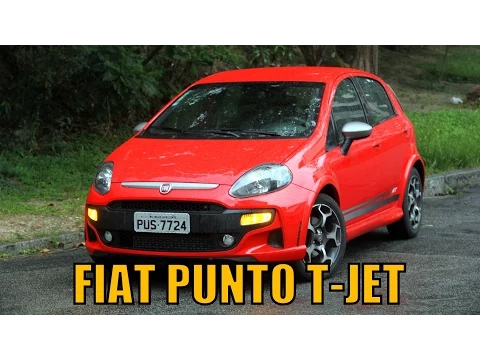

In Brazil, the Punto arrived in 2007. Two years later, Fiat made a bold move: introduced the T-Jet version, equipped with a factory turbo engine, recalibrated suspension, sporty look, and a groundbreaking proposal among the brand’s national hatchbacks until then.
Fiat’s idea was clear: to deliver a medium hatch with performance, superior finish, and enough “nervousness” to delight those who loved to drive.
T-Jet Engine: 1.4 Turbo with Italian DNA
The heart of the Fiat Punto T-Jet is a 1.4 16v turbo engine, called T-Jet, inherited from European models of Fiat and Alfa Romeo. With 152 hp of power (with ethanol) and 22.5 kgfm of torque, it amazed by delivering strength at low revs and quick responses to the accelerator pedal.
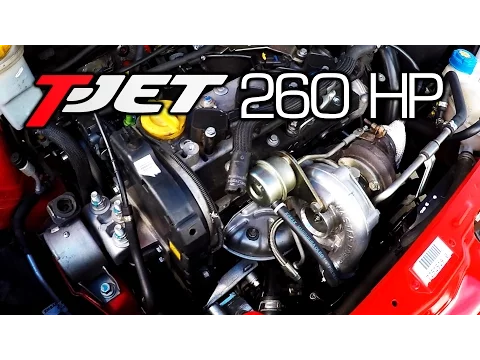
Another highlight was the “Sport” button, which changed the electronic mapping of the ECU and made the car more lively — a rare feature in the category.
Technical Specifications of the Fiat Punto T-Jet (Brazilian):
- Engine: 1.4 Turbo 16v Flex (T-Jet)
- Power: 152 hp (E) / 148 hp (G)
- Torque: 22.5 kgfm (E)
- Transmission: 5-speed Manual
- 0 to 100 km/h: 8.3 seconds
- Top Speed: 203 km/h
- Weight: 1,320 kg
It was above-average performance for a hatch of the time — enough to earn the title of true sports car among lovers of manual and turbo cars.
Technical Differentiators: The Fiat Hatch with the Soul of a European Sports Car
The Fiat Punto T-Jet was not just a car with a turbo engine. Fiat genuinely worked to deliver a complete sports experience, with a series of technical items that set it apart:
- Sport-tuned Suspension
- Disc Brakes on All Four Wheels
- 17-inch Wheels with Lower Profile Tires
- Exclusive Design with Bumpers, Rear Diffuser, and Spoiler
- Sport Seats with More Pronounced Sides
- Instruments with Red Lighting and Technical Looking Dashboard
Additionally, it already came with traction and stability control (in more complete versions), something rare among national hatches of the 2010s.
The Fiat Punto T-Jet Discreetly Left the Catalogs
Despite all the engineering involved, the Fiat Punto T-Jet was never a sales champion. Between 2009 and 2017, just over 11,000 units of the T-Jet version were registered in Brazil, according to data from Fenabrave and the Webmotors portal.
The reason? High price, higher maintenance costs, and prejudice against turbo engines in a market that had not fully embraced this technology at the time.
The Punto was discontinued in 2017 without a direct replacement. The Argo arrived in its place, but without a T-Jet version or similar performance. Fiat momentarily abandoned sporty hatches in Brazil — until the arrival of Abarth.
A Hatch That Became a Legend: Appreciation in the Used Market
In recent years, the Fiat Punto T-Jet has transitioned from a forgotten car to a desired object. In marketplaces like OLX, Webmotors, and iCarros, it’s possible to find models priced between R$ 50,000 and R$ 75,000 — values higher than many brand new hatches, even with over 10 years of use.
What justifies this appreciation?
- Real Performance and Fun to Drive
- Sporty Look without Excesses
- Manual Transmission in an Era Dominated by Automatics
- Exclusivity: Few Units and Niche Profile
- Fiat T-Jet Became a Symbol Among Enthusiasts
Today, the Punto T-Jet is often compared to models like Renault Sandero R.S., VW Golf GTI (old), and Peugeot 208 GT — all representatives of what is called “true sports cars,” without excessive electronic gimmicks and with track DNA.
T-Jet: The Acronym That Survived in Sedans and SUVs
Although the Punto has been retired, the T-Jet engine continued to live on in other Fiat models for a while. It was present in:
- Fiat Bravo T-Jet
- Fiat Linea T-Jet
- Fiat Doblò Adventure T-Jet (concept version)
- Fiat 500 Abarth (imported)
Today, Fiat’s new turbo engines (from the GSE line) are more modern and efficient, but the T-Jet is still seen as a robust and reliable engine, as well as very easy to tune in specialized workshops.
Why Is the Punto T-Jet Called “True Sports Car”?
The term “true sports car” is common among car enthusiasts who value the pleasure of driving, the sound of the engine, the manual transmission, and pure mechanical engagement — without interference from electronic aids, CVT transmissions, or numb steering.
The Fiat Punto T-Jet fits this profile perfectly:
- Mechanical turbo, with no electronic delay
- Manual transmission with short throws
- Firm and direct steering
- Stiffer suspension that transmits the road
- Sober aesthetics, without aerodynamic exaggeration
It’s a car made for those who love to drive, not just to get from point A to point B.
Fiat Argo and the Absence of a Direct Successor
When Fiat launched the Argo in 2017, many expected it to inherit the spirit of the Punto T-Jet. But the model took a more conservative path: 1.0, 1.3, and 1.8 versions with automatic transmissions, aimed at the general public.
Only in 2022 did Fiat decide to bring back the acronym Abarth with the Argo Abarth 1.3 turbo, but with a more commercial than niche focus. Still, the legacy of the Punto T-Jet remains unique in Fiat’s history in Brazil.
Is the Return of Manual Sports Cars Still Possible?
With electrification and automatic transmissions dominating the market, the chance of seeing a new Fiat hatch with a manual transmission and turbo engine is remote — but not impossible.
Nostalgia holds weight. Models like the VW Polo GTS, Renault Sandero R.S. (even out of production), Peugeot 208 GT, and Uno Turbo still generate buzz in forums and enthusiast clubs.
The Fiat Punto T-Jet occupies a special place in this gallery: it was a car that arrived before its time, suffered from a conservative market, but is now remembered as an icon.
The Fiat Hatch That Became a Legend Among Enthusiasts
The Fiat Punto T-Jet may not have been Fiat’s best-selling car, nor the most remembered by the general public. But among true car enthusiasts, it became a symbol. A true hatch, with a turbo engine, manual transmission, sporty behavior, and striking appearance.
Today, it is contested in the used market, valued as a future classic and revered as one of the few national cars that delivered everything that a true sports car should offer: fun, performance, and personality.








-

-

-

-

-

-

55 pessoas reagiram a isso.