





 Portuguese
  English
  Spanish
  4 min of reading
  0 comments


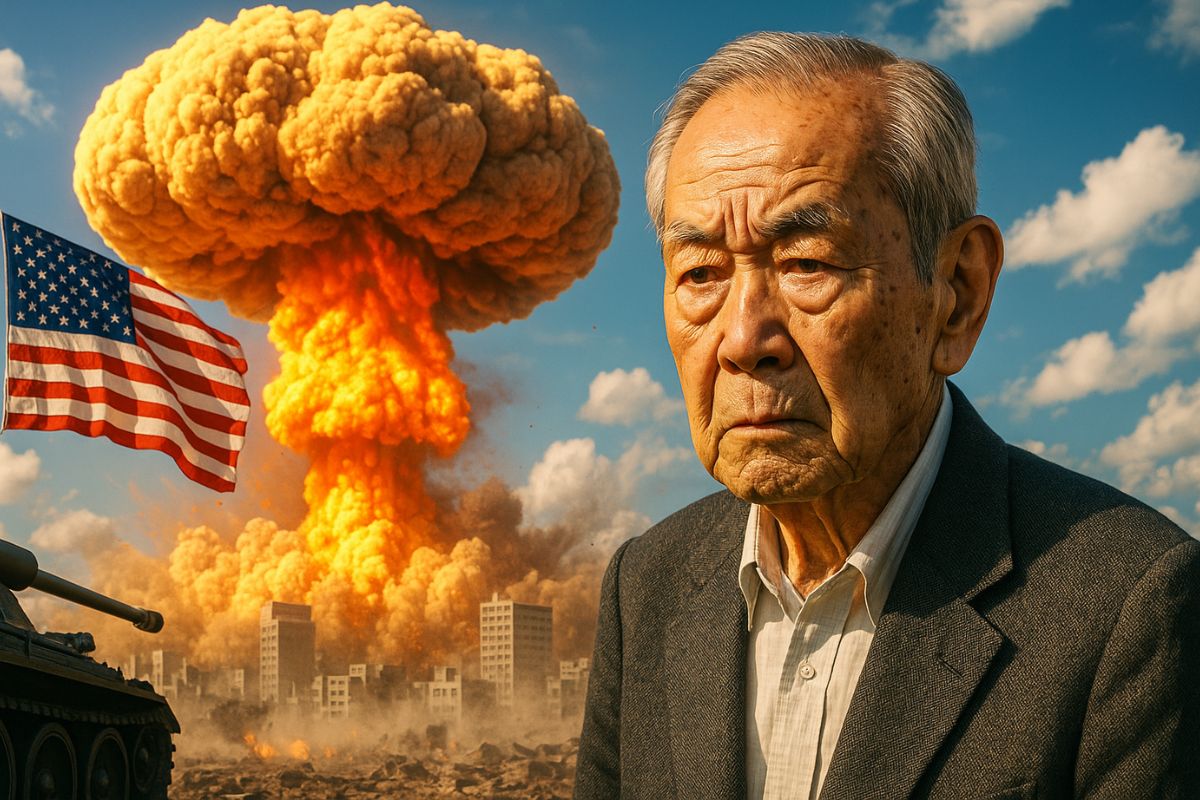
The Journey Of The Man Who Survived Two Atomic Bombs Shows How Tsutomu Yamaguchi Went From Victim To Active Voice For Nuclear Disarmament, Became A Symbol Of Resistance, Spoke At The UN, Was Officially Recognized By The Japanese Government And Kept The Memory Of Atomic Horror Alive.
The story of the man who survived Hiroshima and Nagasaki is that of Tsutomu Yamaguchi, a Japanese engineer who was in both cities hit by atomic bombs in the same month of 1945 and chose to transform his own pain into a public message against nuclear weapons. He lived to be 93 years old, overcame serious sequelae, and became a moral reference for a generation that sought to understand the real impact of the atomic age.
In his final years, Yamaguchi took on the role of witness to the impossible. By narrating what he saw and felt, he shifted the narrative from myth to testimony, helping the world understand why no country should repeat the path that marked him twice.
Who Was Tsutomu Yamaguchi
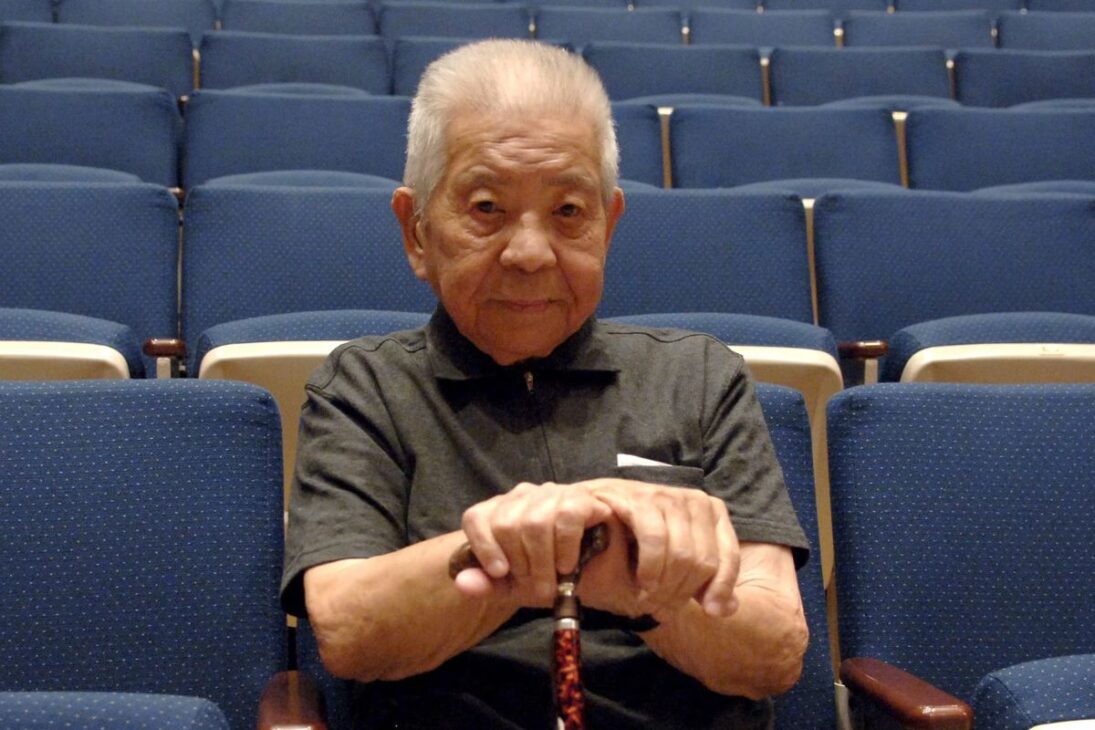
Tsutomu Yamaguchi was born in Nagasaki and worked as a designer of oil tankers at Mitsubishi, a technical and essential role in Japan’s industrialization during that period.
-
Drought may be creating stronger superbugs in the soil and helping antibiotic resistance reach hospitals, warns a study highlighting a problem that could grow alongside extreme weather.

-
The biggest scam in history: Napoleon’s France deceived the United States by selling them a territory that was Spanish.

-
Why is the Danakil Desert so dangerous? It has unstable terrain and how extreme temperatures and toxic gases turn the region into one of the most hostile environments on Earth.

-
With a height of 221 meters and a capacity for trillions of liters, Hoover Dam still holds a trick that makes water defy logic.


He was an ordinary professional until he was thrust into the center of the most devastating events of the 20th century.
Over time, the man who survived Hiroshima and Nagasaki came to represent something greater than his biography.
His public presence gave a face to millions of indirect victims of radiation, showing that the impact of the bombs does not end on the day of the explosion.
What Happened In Hiroshima
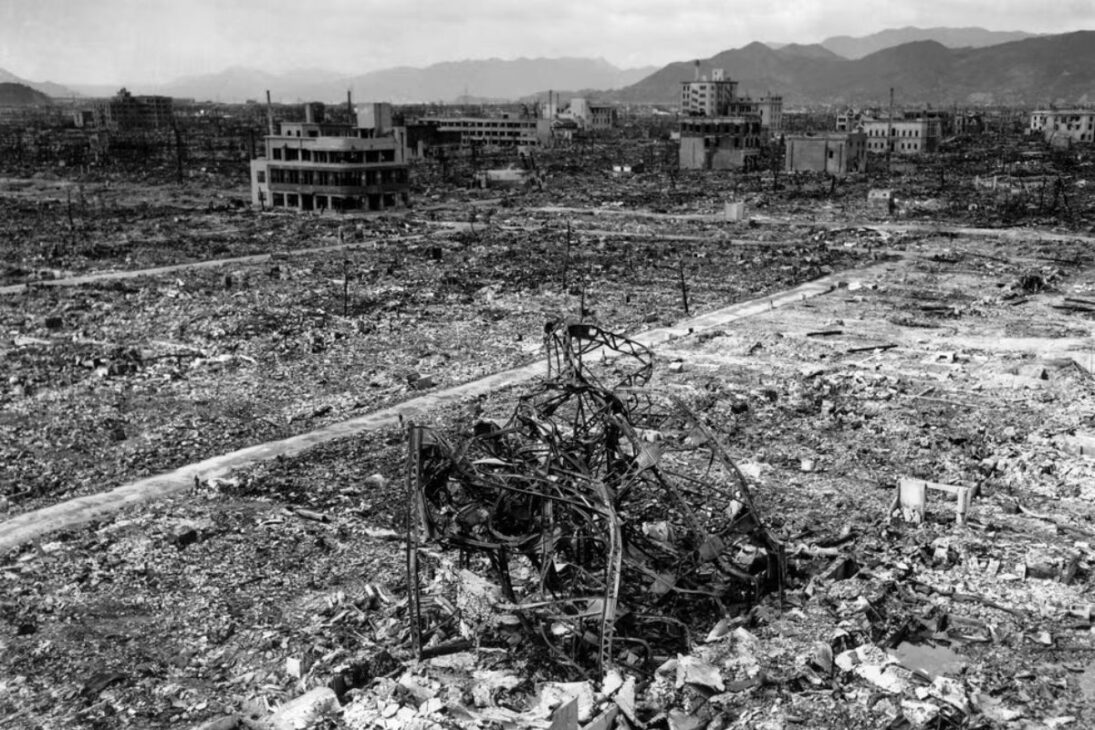
On August 6, 1945, Yamaguchi was in Hiroshima for work when the first bomb exploded just a few kilometers from where he was.
The burns, the temporary loss of vision, and the acoustic shock were immediate. Still, he managed to take shelter and survive the first hours, a feat that alone would be extraordinary.
The next morning, he joined forces with colleagues to seek an escape and began the journey back to Nagasaki, carrying within him the evidence of what he had just witnessed.
The account he carried contradicted the imagination of anyone who was not there.
What Happened In Nagasaki
Three days later, on August 9, back in his city, Yamaguchi reported to family and superiors the extent of the destruction he had seen in Hiroshima.
It was at that exact moment that the second bomb exploded, hitting his life once again. This time, he did not suffer such severe injuries, but the duplicated trauma became permanently fixed.
Daily life turned into survival. Among bandaging, searches for water and food, and the fear of new attacks, Yamaguchi realized that his individual experience was, in fact, the synthesis of a collective collapse.
Health, Family, And The Invisible Weight Of Radiation
Double exposure to radiation took a toll over the decades. Chronic diseases, pains, and episodes of fragility accompanied him, as well as impacts on his wife and children.
Yamaguchi’s house was never completely free from the specter of contamination.
This biological legacy combined with the psychological one. The man who survived Hiroshima and Nagasaki lived with intrusive memories, mourning, and a kind of loneliness that only those who have seen the world crumble know. Still, he chose the path of public enlightenment.
From Silence To Activism
For many years, Yamaguchi spoke little about what he experienced. Silence was both a defense and part of a social context that stigmatized the hibakusha, the survivors of the bombs. When he decided to break this barrier, he made his testimony an ethical practice.
From that point on, he began to present himself as living proof that nuclear weapons cause intergenerational harm. In speeches, interviews, and meetings, he worked to ensure that forgetfulness did not erase the most tragic lesson of the century.
Recognition And The Power Of The Symbol
In his final years, Yamaguchi received official recognition as a survivor of both attacks, something rare and historically significant. This state validation served as minimal reparation and as a public record of a biography that challenges statistics.
The recognition also expanded the reach of his alert. The man who survived Hiroshima and Nagasaki ceased to be just a character in Japanese history and became a point of reference for global debates on disarmament.
Why His Story Still Matters
Yamaguchi’s legacy remains relevant because the nuclear threat has not disappeared. His testimony connects the past and the future, reminding us that every technological decision carries human consequences.
It is an active memory that questions policies and calls for responsibilities.
More than just surviving, Yamaguchi chose to give meaning to his survival. In doing so, he offered the world a path of empathy, prevention, and a commitment to peace.
The life of Tsutomu Yamaguchi shows that the man who survived Hiroshima and Nagasaki was not just a victim, but a messenger.
His story compels us to face the real cost of war and to place nuclear disarmament at the center of the public agenda.
And you, do you believe that the testimony of survivors like Yamaguchi can still influence decisions about nuclear weapons or has the world forgotten too quickly what happened in 1945? What stronger lesson does this story leave for our generation? Please leave your opinion in the comments.








-

3 pessoas reagiram a isso.