





 Portuguese
  English
  Spanish
  4 min of reading
  0 comments



Country Has 238 Million Cattle and Records in Egg, Milk, and Poultry Production, but Basic Food Items Like Meat and Eggs Continue to Weigh on the Population, Reveals IBGE
Brazil has 12% more cattle than inhabitants, with a herd totaling over 238 million heads. Nevertheless, the population continues to suffer from high meat prices and the rising cost of essential items like milk and eggs, according to 2024 data from IBGE released by G1.
Despite productive advancements and records in various areas of agribusiness, millions of Brazilians face food insecurity, living with a paradox: there is excess cattle in the fields, but a shortage of meat on the plates.
Giant Herds Do Not Mean Cheap Food
According to the 2024 Agricultural Survey, Brazil recorded records in the raising of chickens and the production of milk and eggs, in addition to maintaining one of the largest cattle herds in the world.
-
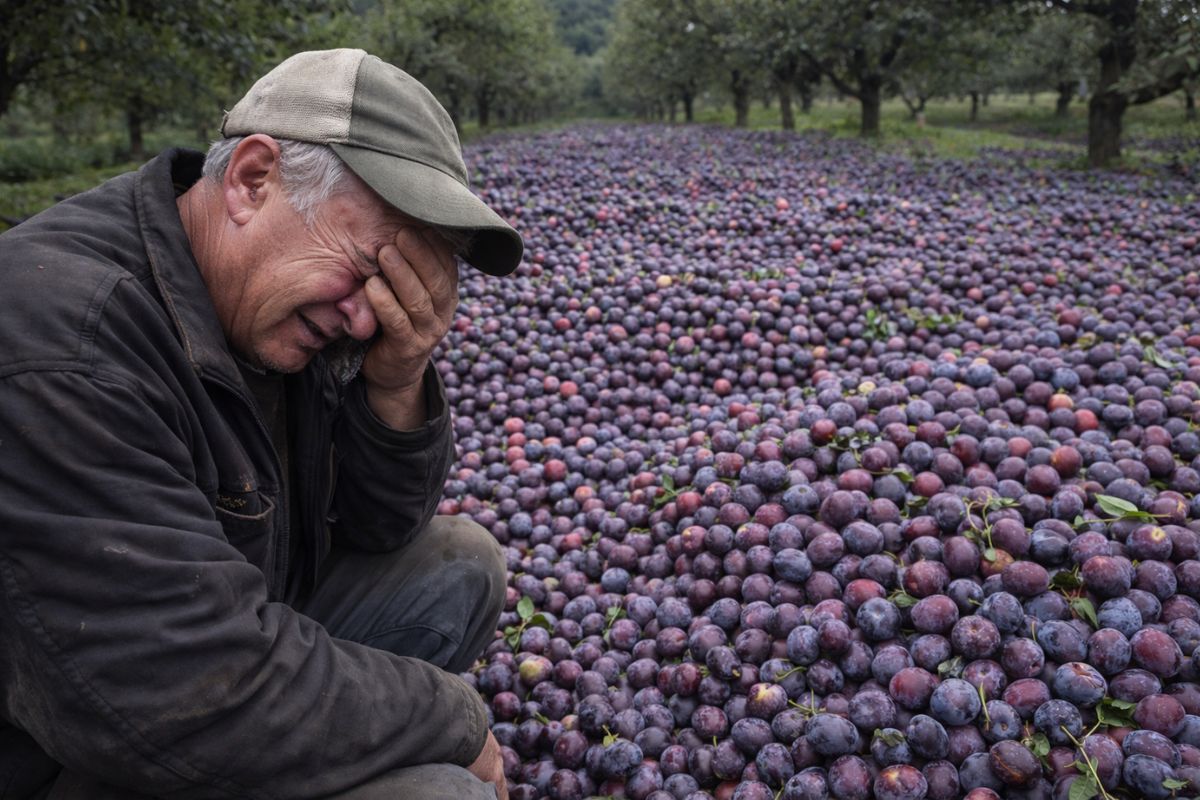
A rural producer from Urubici cries as he shows 50 tons of plums thrown on the ground because no one wanted to buy them, and in desperation, he records a video asking anyone to come to the property to pick the fruits before they rot.
-
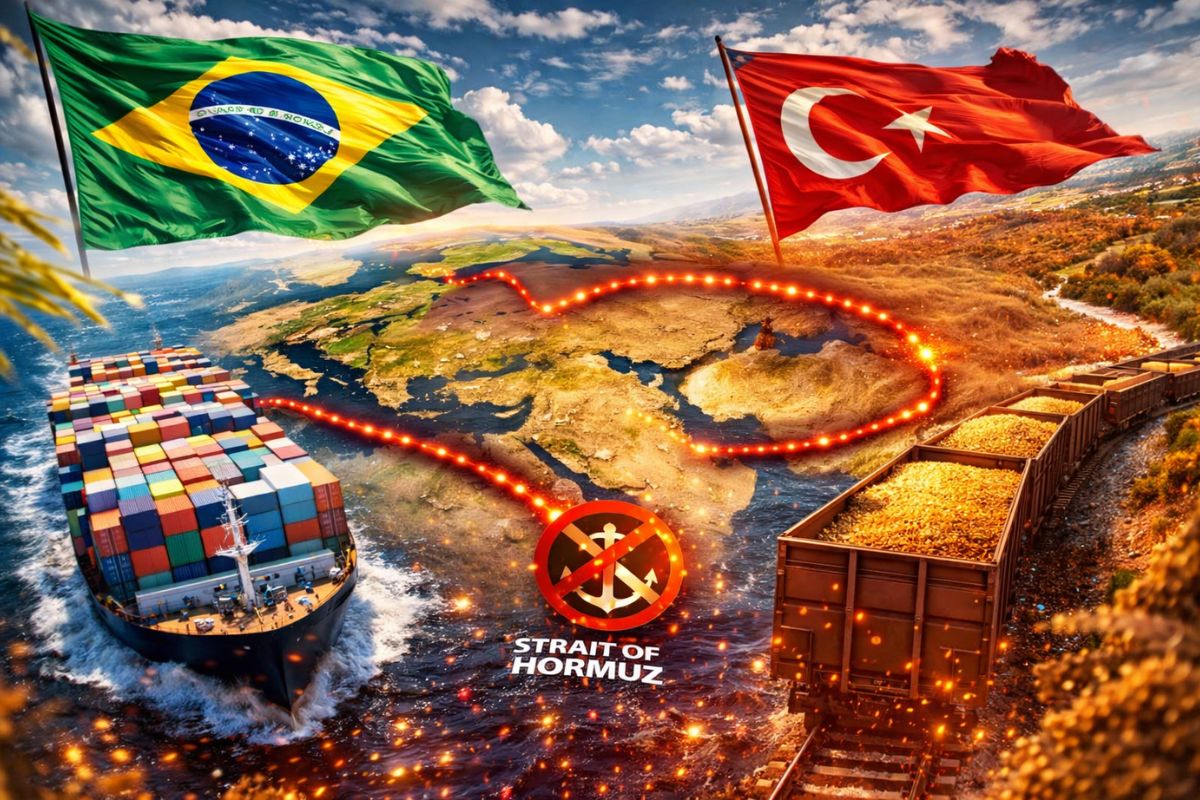
Unable to pass through Hormuz, Brazil activated a plan B that uses Turkey as a gateway to the Middle East: the route through Gibraltar and the Mediterranean is longer and more expensive but ensures that chicken, beef, and corn continue to reach Arab markets.
-
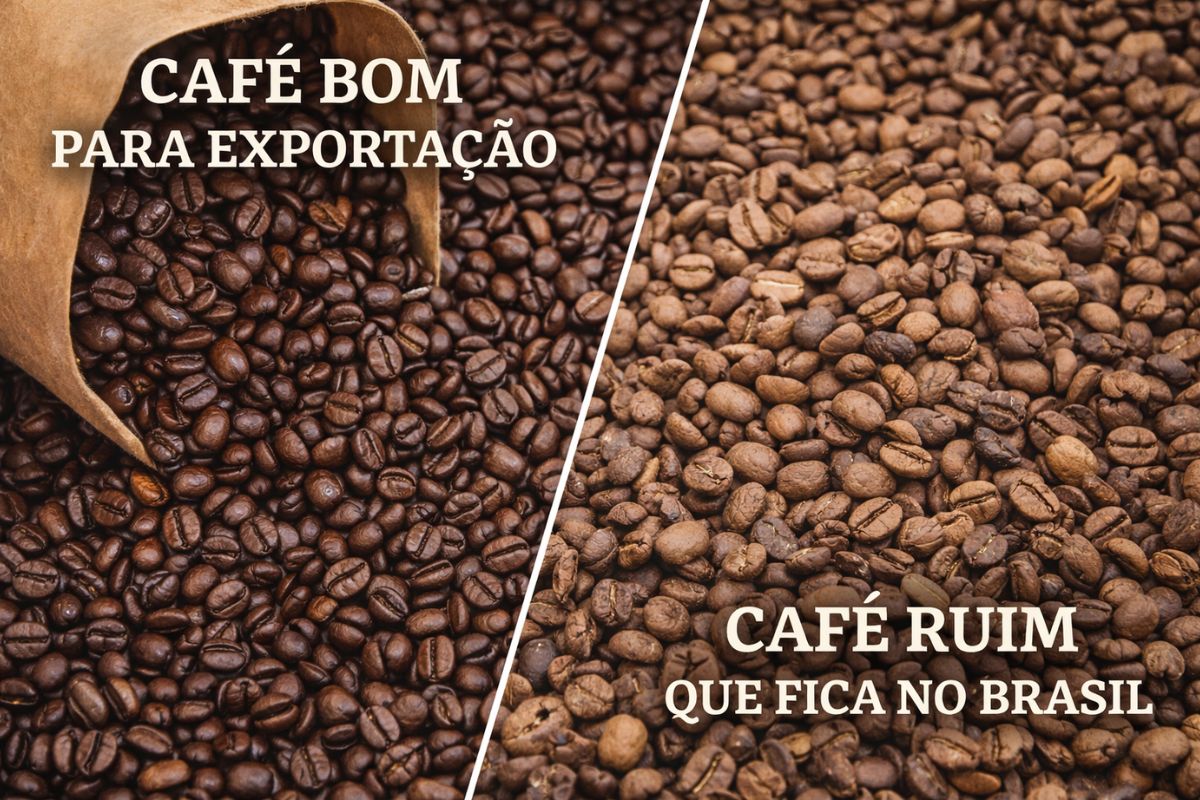
You grew up hearing that the good coffee from Brazil goes all abroad and the bad coffee stays for Brazilians, but this story has completely changed, and the numbers show that in the 1980s, thirty percent of the coffee sold here was adulterated with corn and barley.
-
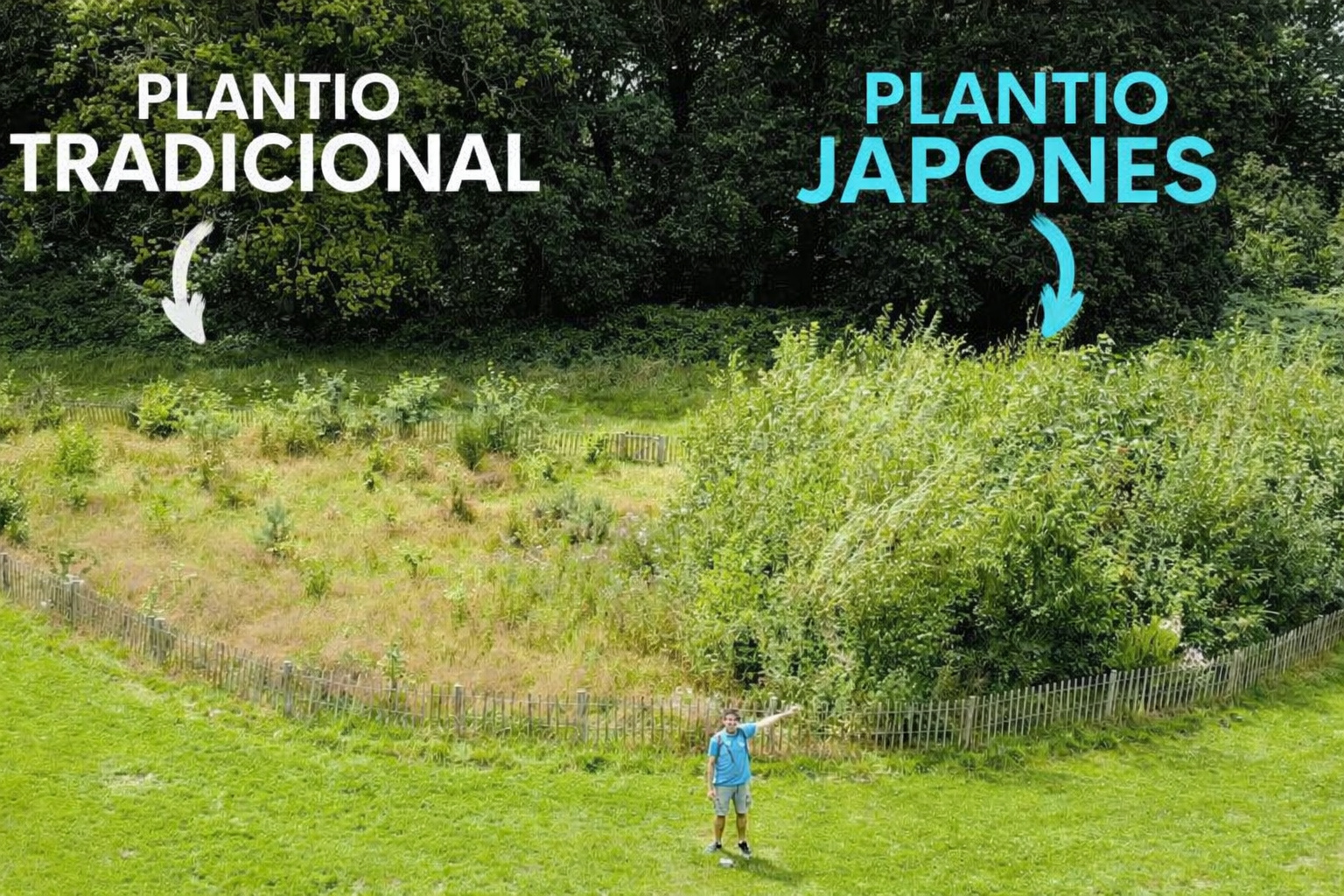
Engineer creates reforestation method that transforms small plots into dense forests in a few years using local biomass and can reduce environmental recovery costs.
In absolute numbers, there were 1.6 billion birds, 277.5 million hens, and 5.4 billion dozen eggs.
Even so, Brazilians are eating less meat than they did 10 years ago.
The high retail cost and the disparity between production and consumption have roots in structural issues, such as massive exports, high logistic costs, and market concentration in the hands of a few slaughterhouses.
Having more cattle than people does not guarantee access to animal protein, especially when the focus of the supply chain is to cater to the external market.
In São Félix do Xingu, Pará, for example, lies the largest herd in the country, but the poverty rate in the region remains high.
Eggs and Milk Hit Records, but Continue to Weigh on the Pocket
Another curious fact is that each Brazilian would have, on average, 305 eggs available per year, but the price of the food remains high in supermarkets.
Santa Maria de Jetibá, in Espírito Santo, leads production and is known as the “egg capital,” but even there the cost per dozen has risen.
With milk, the situation is similar. National production reached 35.7 billion liters, a new historical record.
However, the number of milking cows has fallen to the lowest level since 1979, showing that the increase in productivity does not mean a reduction in prices for the final consumer.
The production chain has become more efficient, but the gains do not reach the people’s table.
Factors like transportation, taxes, and resale margins continue to drive up the prices of basic food items, especially in peripheral regions and the North and Northeast of the country.
Livestock Advances, but Food Insecurity Persists
In addition to cattle and poultry, Brazil also set records with pigs (43.9 million), goats (13.3 million), sheep (21.9 million), and even in honey production (67.3 million kilograms).
Aquaculture also grew, particularly tilapia.
Despite the abundance, the country returned to the UN hunger map, with over 33 million people in severe food insecurity, according to recent estimates.
The contrast between IBGE data and social reality reveals an alarming gap between the field and the plate.
Factors such as the export of premium cuts, a strong dollar, and a lack of regulatory stock policy help explain why meat continues to be a luxury item for millions of Brazilian families.
Instead of abundance, the population faces empty shelves and impractical prices.
Where Is the Problem: Field, Industry, or Government?
The discussion about the prices of essential foods goes beyond production. Brazil produces a lot, but distributes poorly and charges high prices.
The lack of an integrated food policy—articulating production, supply, and accessibility—aggravates the scenario.
While agribusiness celebrates billion-dollar exports, the average consumer wonders why they pay so much for a kilogram of meat or a dozen eggs.
The production chain is geared towards the outside, while internally there are few mechanisms to regulate the market and protect the consumer.
The reality is contradictory: there is excess supply in the field, but scarcity on the table.
IBGE shows that productivity has increased, yet the population still feels the impact of food inflation and lack of income.
Do you feel that food has become more expensive, even with records in production? Do you think it’s fair that a country with more cattle than people still faces difficulties ensuring meat on the plate? What do you think the government can do to improve this situation? Leave your opinion in the comments—we want to hear from those who live this reality.









-

Uma pessoa reagiu a isso.