





 English
  Francês
  Alemão
  Italiano
  Japonês
  Norueguês
  Portuguese
  Spanish
  3 min of reading


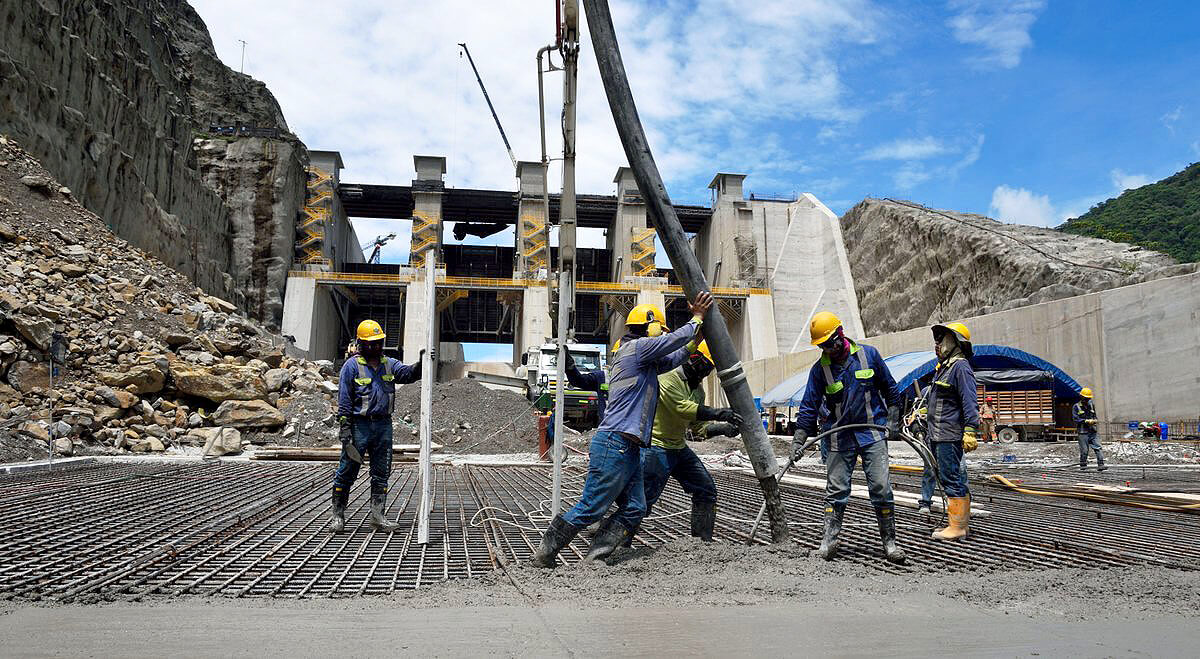
Infrastructure Projects Generate Direct Jobs and Also Open Indirect Positions, Precisely Because There Is a Greater Demand for Products and Services
Some believe and advocate for the need to invest in infrastructure projects to further stimulate and heat up the economy in Brazil, while others argue that cost reduction and budget cuts are fundamental for the country. Open selection process by a construction company demands professionals with elementary and high school education
Read Also
- Locar Opens Offshore and Onshore Positions in Rio de Janeiro and São Paulo
- 225,000 Positions for Elementary and High School Levels for the 2020 IBGE Exam
- New Offshore Contract in Macaé Demands Job Vacancies for High School Education
- Many Job Vacancies in Macaé for Mechanics, Electrical and Instrumentation Professionals
Indeed, non-essential expenses need to be evaluated very carefully so that they do not cause significant impacts on the economy, but infrastructure projects cannot receive this classification, as they enable the flow and distribution of national productions. Thus, they are essential for our products to become more competitive.
-
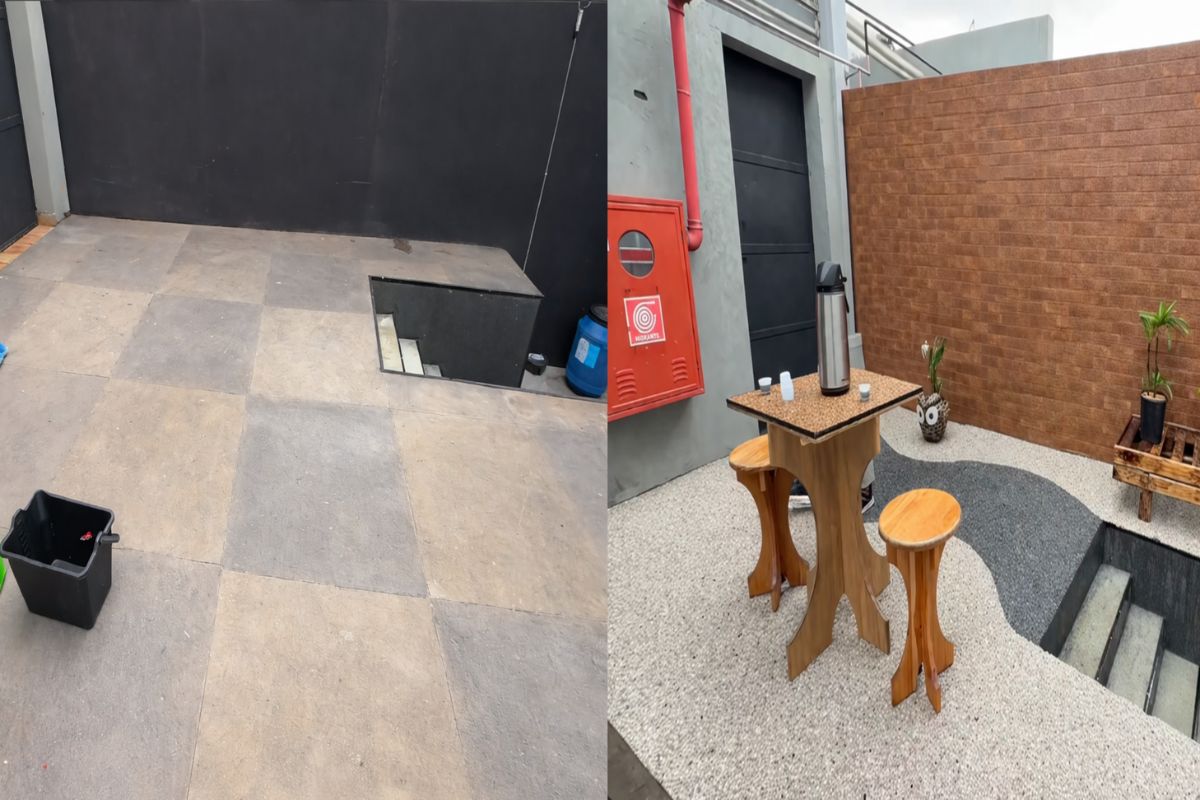
In just three hours, a natural stone floor transforms the entrance of the house with an organic effect, immediate drainage, and a sophisticated non-slip finish that doesn’t puddle water, dries quickly, and impresses with the final result.
-
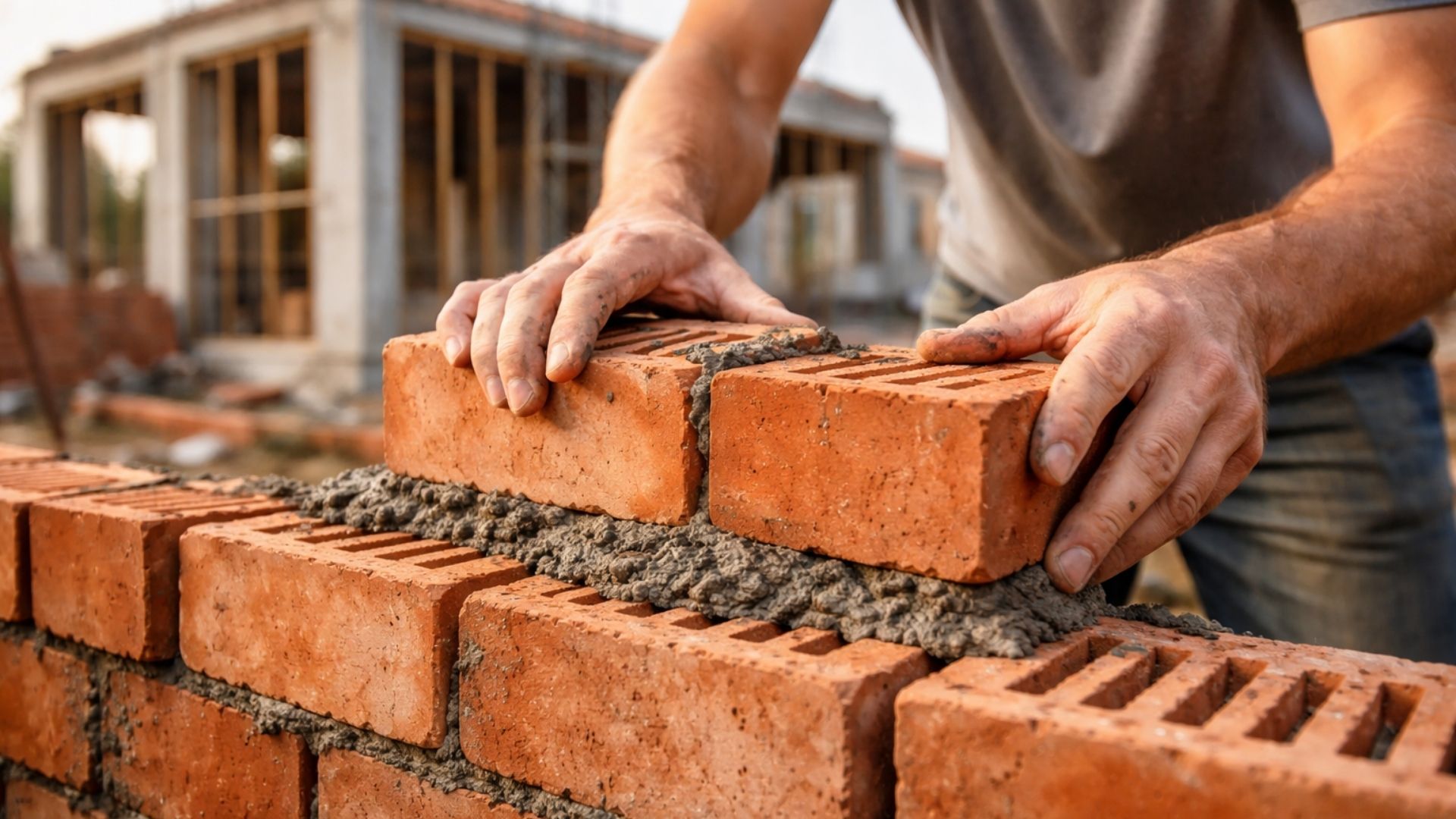
‘Interlocking brick’ made of earth arrives in the construction industry with cost reductions of up to 40% on the project.
-
Espírito Santo will receive the largest engineering project in its history with the duplication of BR 262, which will have 50 viaducts, 28 bridges, and 2-kilometer tunnels cutting through the most challenging mountainous region of the entire state.

-
A project of nearly 9 million reais already has the first kilometer paved in Santa Catarina and promises to completely transform the access between Jaraguá do Sul and Rio dos Cedros in an area where tourism is growing at a rapid pace.


Understand why it is so important to invest in infrastructure projects and how they impact the national economy. Keep reading to understand why they cannot be considered unnecessary expenses and how their cost positively reflects back on the nation.
The Flow of National Productions
A very striking characteristic of Brazil is the extent of its territory. Larger than most countries, this giant also presents a diversity in its terrain that makes the flow and distribution of national productions a great challenge.
This is because there are some regions where it is only possible to explore road transportation. In others, there is a need for water and air transport. Thus, Brazil has great potential for various types of business, including livestock, agriculture, industry, and services, but this logistical difficulty makes its products have a very high final cost.
As a result, they end up not being as competitive as those from other countries that do not face such challenges. However, these obstacles can be overcome through investment in infrastructure to provide more viable alternatives for producers.
Competitiveness Between National and International Products
That is why China, for example, can operate with very low prices. After all, its government invests massively in the country’s infrastructure to produce, transport, and export with greater ease.
Notice that there is a significant influx of Chinese products into the Brazilian economy; however, ideally, national products would have the opportunity to capture the market, but to compete with the low prices coming from abroad, it is essential for domestic producers to be able to flow and distribute their production.
This is the first of the essential factors that demonstrate the importance of investing in infrastructure in Brazil. We are talking about the construction of ports, airports, bridges, distribution centers, land concessions, railways, inland waterways, among others. All this so that the great potential of Brazilian diversity is well utilized.
This is how industries and producers will find alternatives to move their productions. At the same time, large production centers are interconnected and have easier access to distribution channels, minimizing their costs and impacting the final value.
Projects, Infrastructure Works, and Job Creation
Not only is the logistics of national production benefited by investments in infrastructure projects. This is because job positions are opened as a result of the need for labor to work on these sites.
Thus, when projects are developed in this direction, we also see an impact on the economy through a reduction in the number of unemployed. This elevates the purchasing power of these individuals and injects capital into the economy.
These infrastructure projects generate direct jobs, but they also open indirect positions, precisely because there is a greater demand for products and services. The sites themselves require resources, thus circulating the economy through communication, transportation, food, and raw materials.
by – Etesco







Seja o primeiro a reagir!