





 Portuguese
  English
  Spanish
  4 min of reading
  3 comments


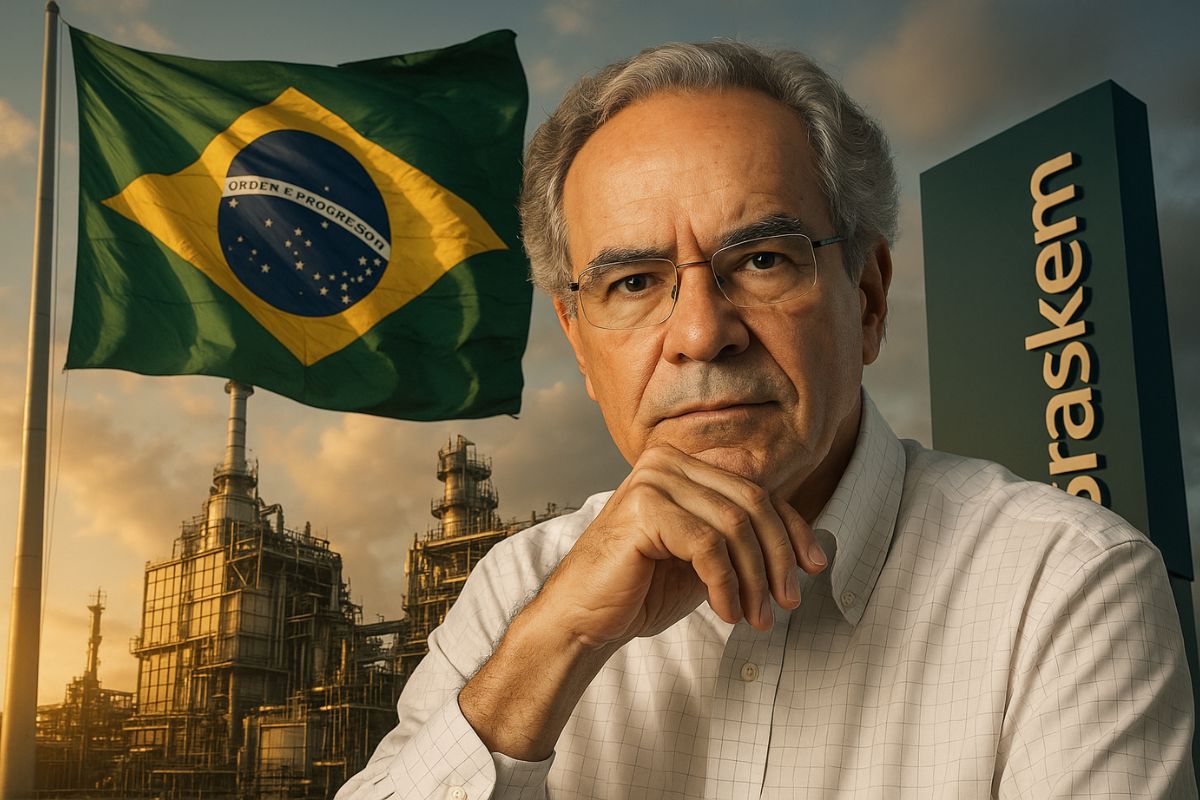


After The Collapse of Odebrecht, The Sale of Braskem Became a Billion-Dollar Soap Opera, With Disputes Among Investor Nelson Tanure, Creditor Banks, and an Ever More Assertive Petrobras Over The Future of The Petrochemical Industry.
The once-powerful Odebrecht empire, now rebranded as Novonor, is in its final moments. The central and most valuable piece of its forced dismantling is its stake in Braskem, the largest petrochemical company in Latin America. The sale of Braskem is not just a business deal; it is the final chapter of one of the largest corruption scandals in history and a complex battle that will define the future of the sector in Brazil.
In 2025, the scenario is of deadlock. The Emirati oil giant, Adnoc, which was the frontrunner, has exited the competition. Now, a new proposal from Brazilian investor Nelson Tanure is on the table, but the final decision rests on a tug-of-war between the interests of creditor banks and a strengthened Petrobras, which refuses to relinquish more power over its strategic partner.
Lava Jato and The Largest Bankruptcy Recovery in Latin America
The story of the sale of Braskem begins with the collapse of its parent company. The name Odebrecht became globally known for its central involvement in Operation Lava Jato, a scheme of systemic corruption that paid over US$ 788 million in bribes across 12 countries.
-
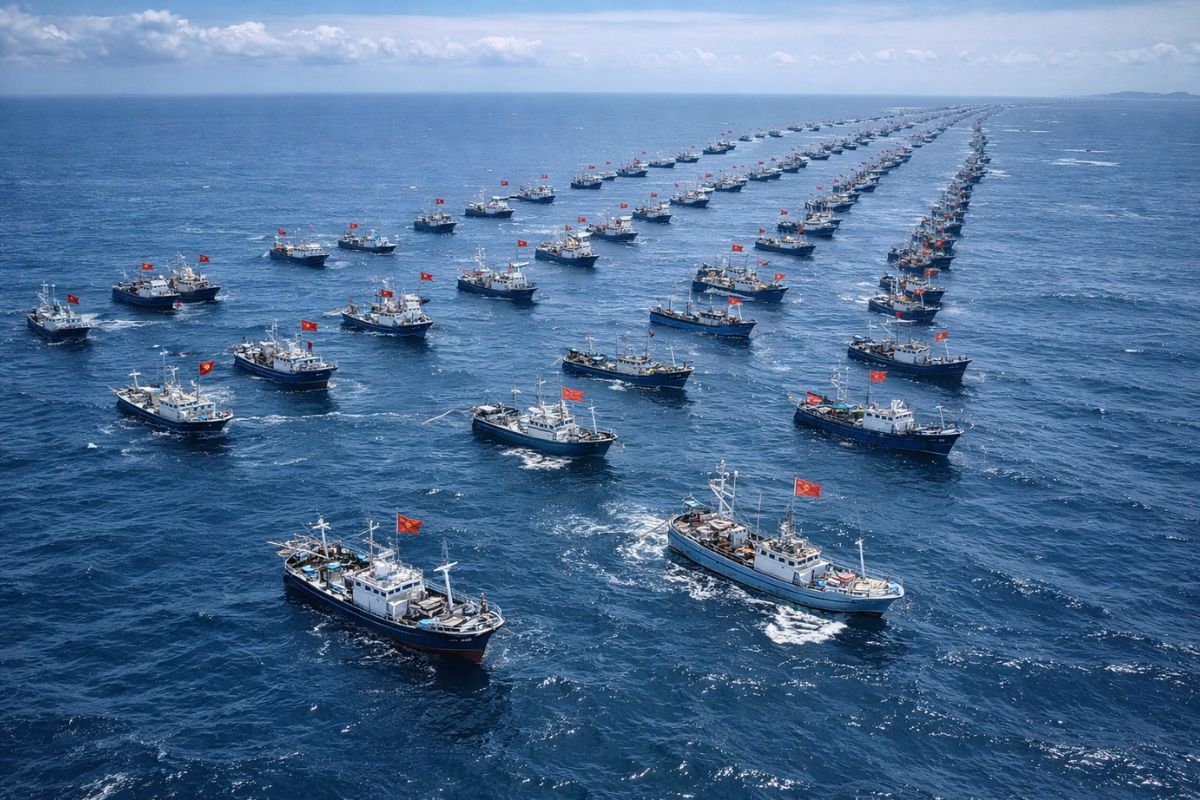
China has deployed more than 1,400 fishing boats in formation, creating a barrier of 320 kilometers at sea, and the whole world wants to know if this is fishing, a military exercise, or a message of war.
-
Spain surprises the world by erecting 62 artificial dunes, mixing sand with natural remains of posidonia, and causing the structure to lose only 1.4% of its volume in 1 year.

-
With 16 Bulava missiles, improvements in acoustic stealth, and a design focused on silent patrols, Russia’s nuclear submarine was born to ensure Moscow’s invisible retaliation and has become one of the pillars of its maritime strength.

-
‘Populous’ city in Rio among the worst in Brazil in national ranking and exposes silent development crisis.

With its reputation destroyed and no access to credit, the group collapsed. On June 17, 2019, Odebrecht filed for the largest bankruptcy recovery in the history of Latin America, with a debt of R$ 98.5 billion. The primary asset to settle this debt is, precisely, its valuable stake in Braskem.
The Crown Jewel and Its Problems: What Is At Stake In The Sale of Braskem?
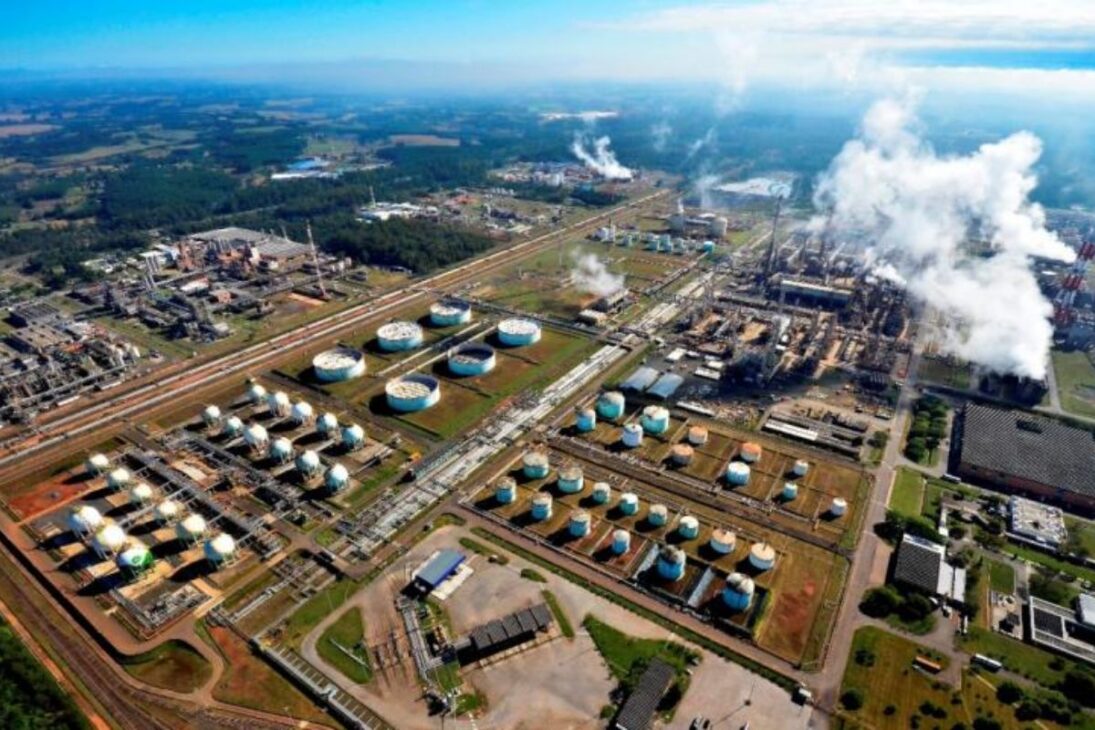
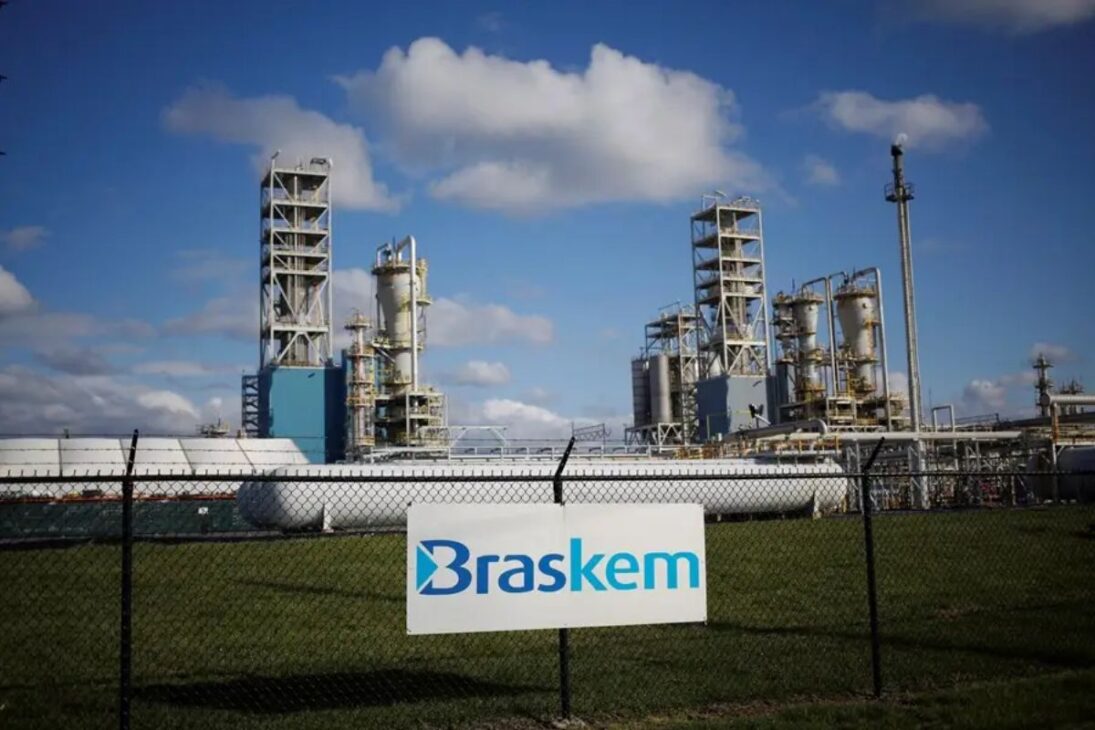
Founded in 2002, Braskem is a strategic asset, being the largest producer of resins in the Americas and a global leader in biopolymers. Its control, however, is divided: 50.1% of the voting shares are held by Novonor (formerly Odebrecht) and 47% are held by Petrobras.
Any buyer will not only acquire the company but also its problems. Braskem is facing a severe crisis in the petrochemical sector and, worse, a massive liability with uncertain costs due to the environmental disaster in Maceió (AL), where the company’s rock salt mining caused the ground to sink in several neighborhoods.
The Exit of Adnoc and The New Proposal On The Table in 2025
For months, the main interested party in the sale of Braskem was Adnoc, the state oil company of the United Arab Emirates. The company even made an offer of R$ 10.5 billion for Novonor’s stake. However, in May 2024, Adnoc officially announced that it was withdrawing its proposal, altering the entire negotiation landscape.
Other Brazilian companies, such as Unipar and J&F, also made proposals. But in 2025, the strongest name in the competition is that of investor Nelson Tanure. His proposal is considered the most viable as it seeks to negotiate directly with the creditor banks and, crucially, offers a greater role of management power for Petrobras.
Why Is The Sale of Braskem Stalled?
The delay in the sale of Braskem is explained by the conflicting interests of two actors that have veto power. The first is the union of five major banks (Bradesco, Itaú, Santander, Banco do Brasil, and BNDES). They hold the shares of Braskem as collateral for a debt of R$ 15 billion. Since the market value of the shares today is much lower than the debt, the banks are reluctant to approve a sale that would force them to take a billion-dollar loss.
The second actor is Petrobras. The state-owned company, which previously also wanted to sell its stake, changed its strategy under the new management. Now, the company sees Braskem as strategic and demands more power in decision-making, a alignment that any new owner will have to accept.
The Uncertain Future of A Petrochemical Giant
In 2025, the soap opera of the sale of Braskem continues. Nelson Tanure’s proposal seems to be the most pragmatic way to unlock the deal, as it tries to accommodate the interests of all. However, the skepticism of the banks and Petrobras’s assertive stance keep the future of the largest petrochemical company in Latin America in limbo. The outcome of what is one of Brazil’s largest negotiations will be the true final point in the history of the former Odebrecht empire.







Estatal da Arábia dona de empresa de refinaria no Brasil, estatal da Itália dona de empresa de energia no brasil,estatais do Canadá dona de empresas de água nas cidades do Brasil,mas o Brasil não pode ter empresa estatais,mas na china comunista todas empresas são estatais e tá lá o PIB de 9%ao ano , enquanto o Br seguindo o consenso de Washington não sai do 4 submundo acorda povo
Graças ao bom Deus um dia o povo Brasileiro haverá de se ver livre de ESTATAIS. São o melhor negócio do mundo para as duas mais odiadas castas do Brasil, os funcionários públicos e os politicos corruptos. Em toda estatal o povo paga a conta e entra com o KHÚ. O ESTADO e o FUNCIONALISMO PUBLICO ficam com o lucro e entram com a PIKHA. E se der prejuízo o povo paga de novo.
Nunca usufruímos de ESTATAIS. Aqui são mosso cancer, nosso fardo, mais uma carga no lombo do povo escravo deste país.
A ESTATAL PETROBRAS, tem 47% deste NABO DE 9OBILHÕES EM DÍVIDAS. VC TÁ QUERENDO QUE O ………….NABO CRESÇA MAIS?