





 Portuguese
  English
  Spanish
  2 min of reading
  0 comments


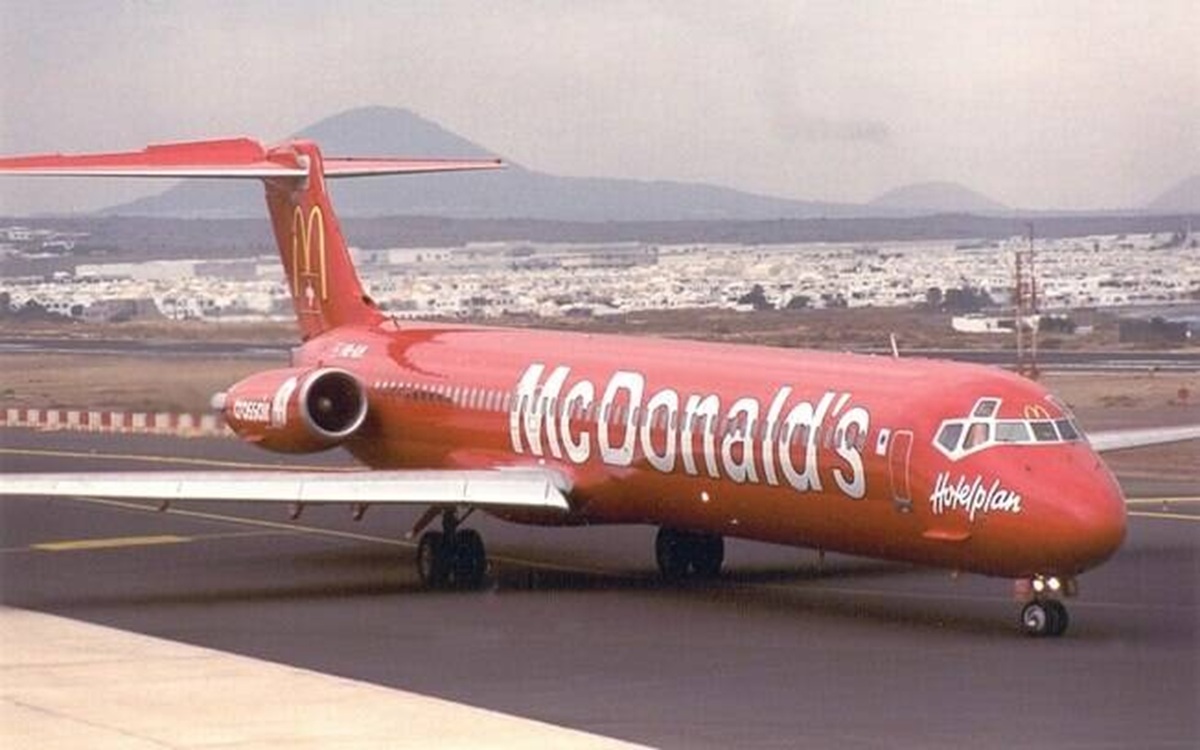
In 1996, McDonald’s Surprised the World by Transforming a McDonnell Douglas MD-83 Into a Flying Restaurant, the “McPlane,” Connecting Aviation and Fast Food in a Bold and Unforgettable Marketing Campaign
In April 1996, the worlds of aviation and fast food met in an unusual way. The “McPlane” was born, a project that transformed a commercial jet into a true flying restaurant for McDonald’s.
The initiative was the result of a partnership between the fast-food chain, the Swiss airline Crossair, and the travel operator Hotelplan, aimed at creating a unique themed flight experience.
The Creation of the McPlane
The aircraft chosen was a McDonnell Douglas MD-81, which had been incorporated into Swissair’s fleet in 1991 and later converted to an MD-83.
-
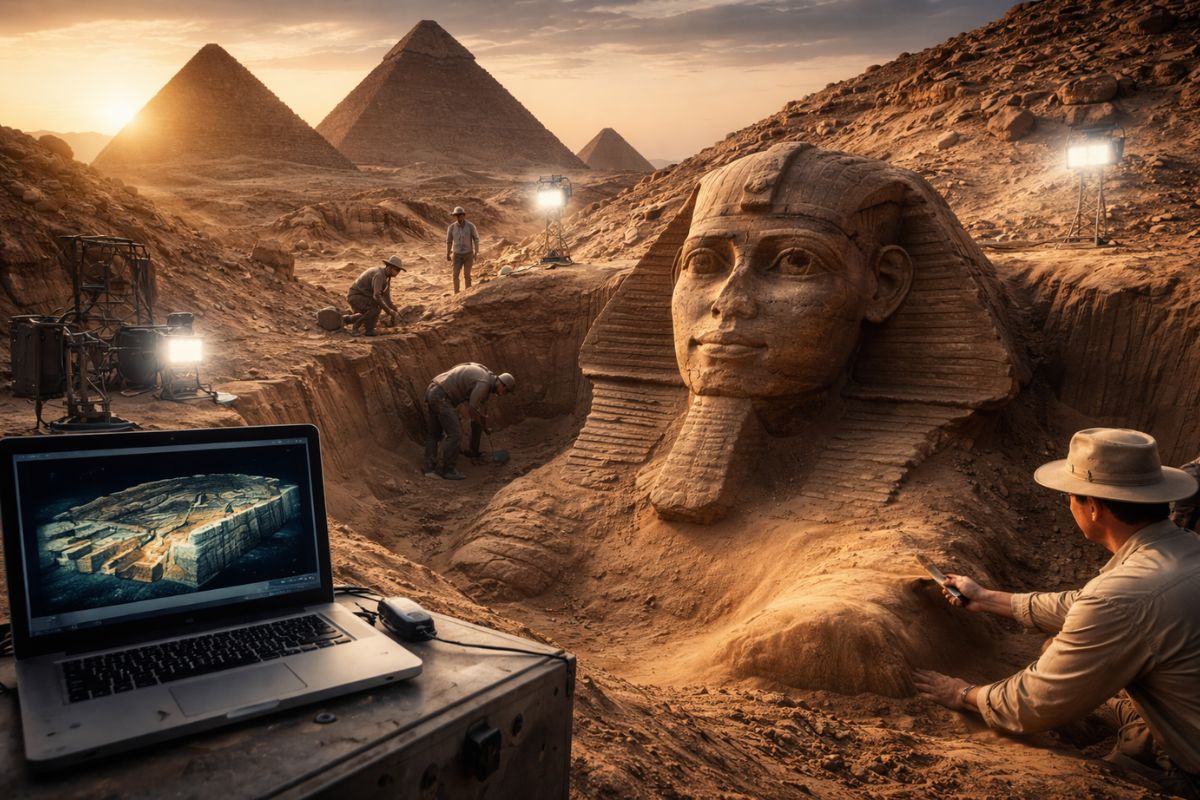
Italian researchers have detected what appears to be a second Sphinx buried under the sands of Egypt, and satellite scans reveal a gigantic underground megastructure hidden beneath the Giza Plateau for over 3,000 years.
-
There are 4,223 drums and 1,343 metal boxes concreted with 50-centimeter walls that store the radioactive waste from Cesium-137 in the worst radiological accident in Brazil, just 23 kilometers from Goiânia, with environmental monitoring every three months.

-
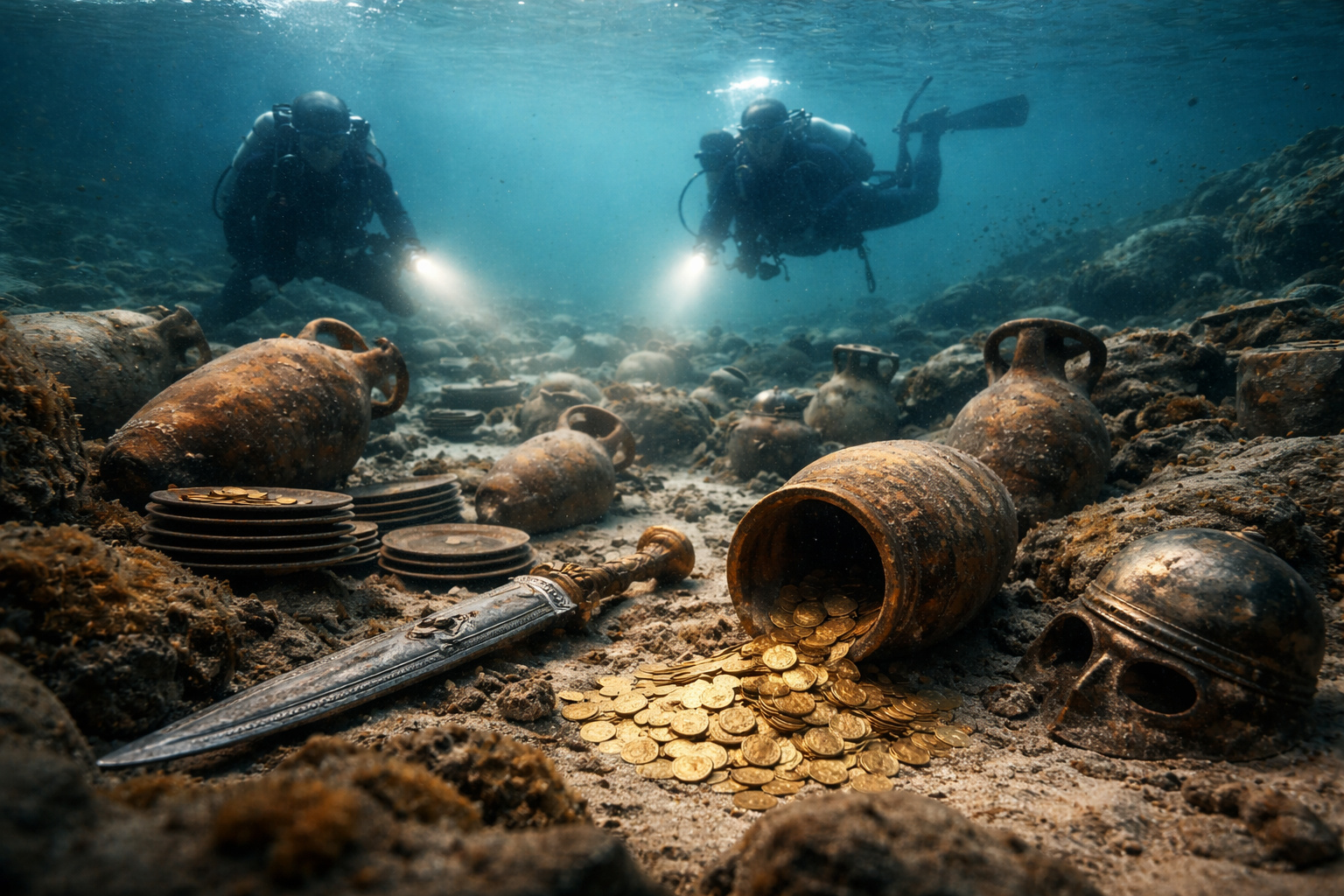
Giant Roman treasure found at the bottom of Lake Neuchâtel in Switzerland reveals an advanced trade system, circulation of goods, and armed escort in the Roman Empire about two thousand years ago.
-
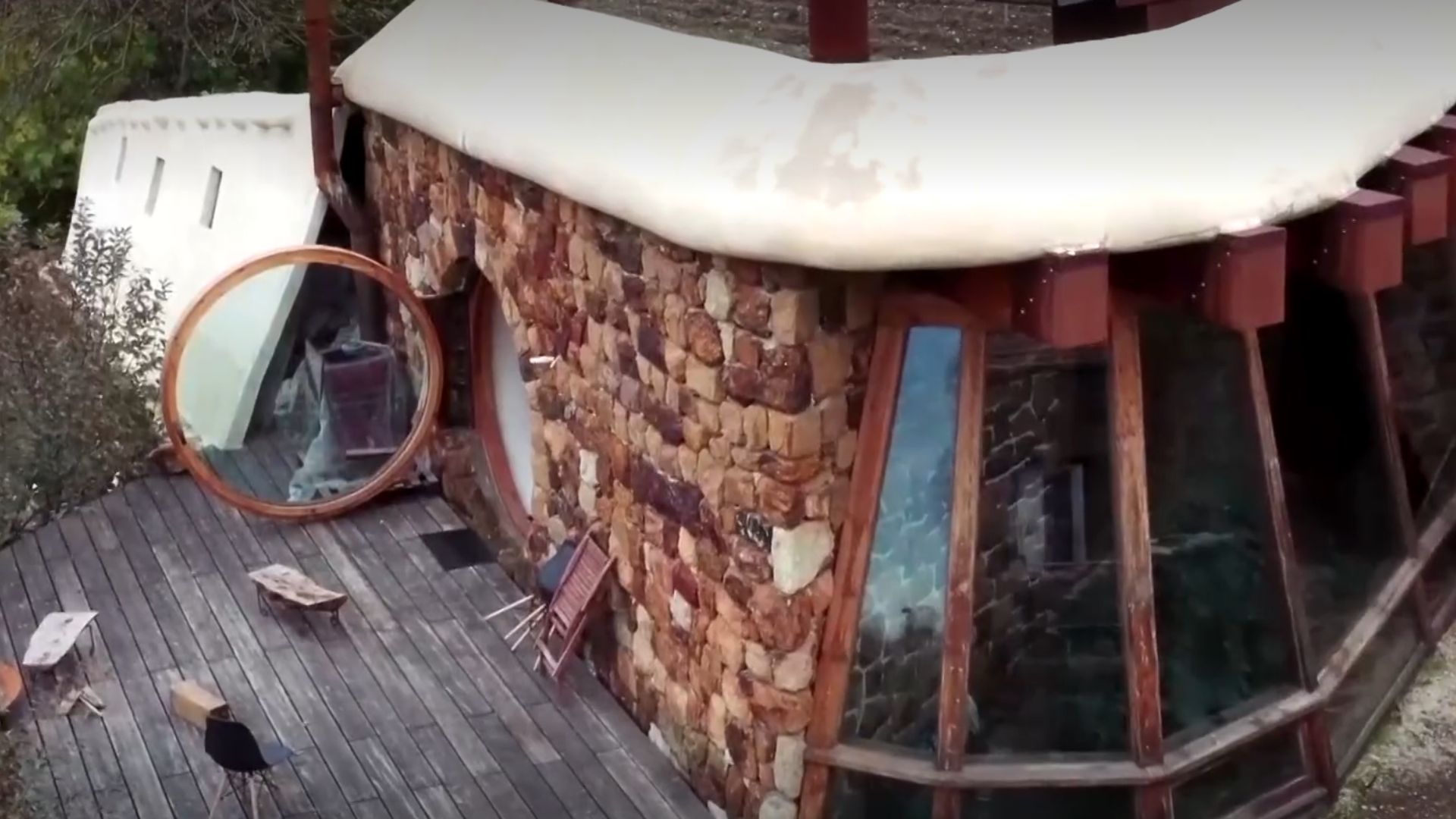
He buried 1,200 old tires in the walls to build his own self-sufficient house in the mountains with glass bottles, rainwater, and an integrated greenhouse.

The plane was completely revamped, gaining a red paint job and the iconic golden “M” on the tail, a symbol of the McDonald’s brand. The interior followed the same visual concept, with 161 seats upholstered in ketchup-red leather and golden details.
A Menu in the Air
The first flight of the McPlane departed from Basel, Switzerland, heading to Heraklion, Greece. The onboard service was entirely inspired by the experience of the chain’s restaurants, offering hamburgers, nuggets, soft drinks, and milkshakes.
Interestingly, the traditional French fries were left off the menu due to the risk of fire and the difficulty of preparation in a pressurized environment.
In addition to the food, the experience included elements designed to delight families and children. Themed giveaways were handed out during the flight, and young passengers could visit the cockpit, turning the trip into an unforgettable adventure.
A Bold Marketing Experiment
The proposal was simple but bold: to transform the act of flying into an extension of the McDonald’s experience, reinforcing the brand’s global image as fun, modern, and innovative.
The project also benefited Crossair, which gained international visibility by participating in an unprecedented marketing initiative.
However, keeping a restaurant-plane in operation was not a simple task. The logistics of fueling and the aviation safety regulations made the concept expensive and difficult to sustain for long.
The End of an Icon
Therefore, the McPlane had a short life. After a few years of operation, the aircraft was repainted and returned to flying with a conventional appearance.
Even so, the project went down in history as one of the most creative marketing experiments of the 1990s—a remarkable combination of hamburgers, aviation, and imagination that still piques curiosity among enthusiasts and collectors today.









Seja o primeiro a reagir!