





 English
  Francês
  Alemão
  Italiano
  Japonês
  Norueguês
  Portuguese
  Spanish
  5 min of reading


Latin America Will Be An Important Player As Global Demand For Lithium Soars
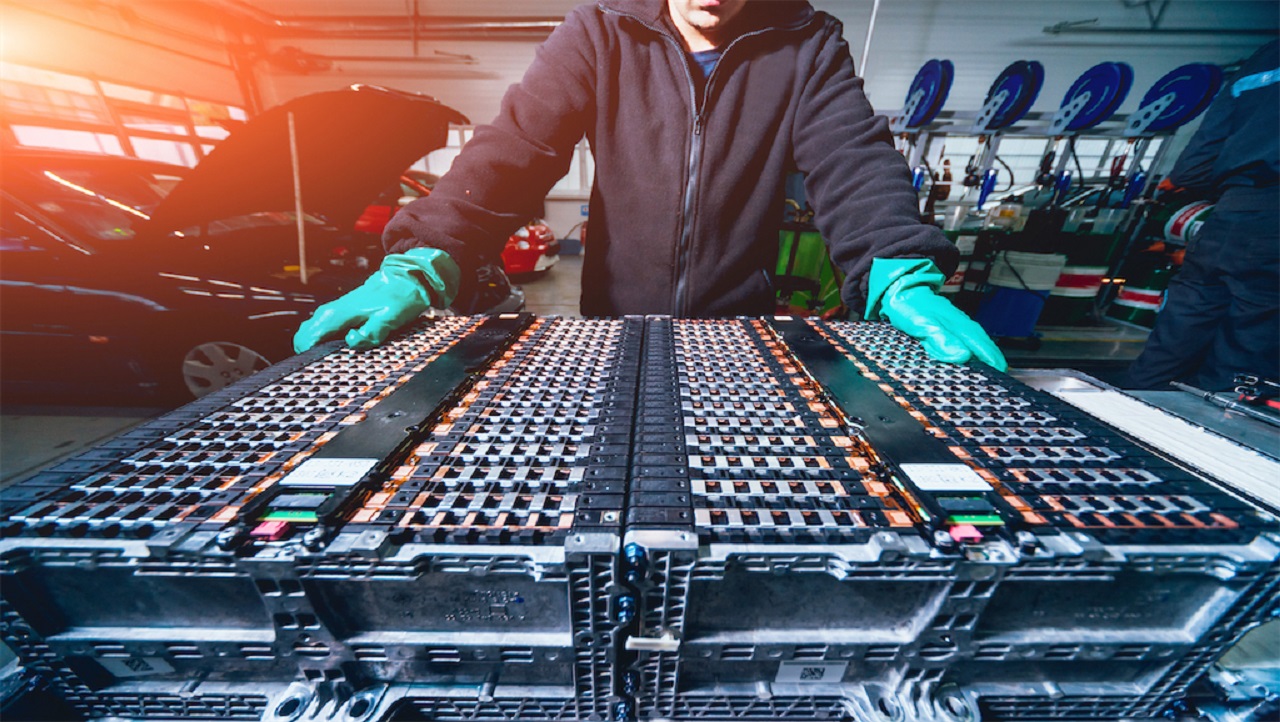
As decarbonization initiatives gain momentum worldwide, lithium has emerged as a new mining frontier, even referred to as “white gold” by industry media. The mineral is a key element in the pathway for many countries to break free from fossil fuel dependency. It is the main component in batteries for electric vehicles and is also used in many other electronic devices, including cell phones. Several international media outlets have reported the growing risks of lithium shortages globally in recent months as demand surges. This will represent significant opportunities for producing countries in the next decade.
According to data from the US Geological Survey, Australia is the largest producer. However, Latin America holds a significant share of the world’s lithium reserves. This makes the region a potential mining hub for the coming years.

Lithium Triangle
The Lithium Triangle, formed by Chile, Argentina, and Bolivia, concentrates the largest reserves of the mineral in the world. This region has attracted increasing foreign interest in recent years, although its production potential remains underexplored. In Bolivia, for example, extraction remains highly limited to small projects. This is due to technical difficulties associated with lithium extraction in the country, excessively restrictive government policies, and a lack of national-level technology. President Luis Arce attempted last year to improve the country’s production prospects—primarily by promoting international bidding. However, the results are likely to remain modest as Bolivia does not have an approach aligned with international standards and specific regulations regarding lithium exploitation.
-
After launching the new GS3 with a 1.5 turbo engine producing 170 hp, GAC partners with Flamengo, enters the field with the largest fan base in Brazil, and accelerates an ambitious offensive to gain scale and confidence in the national market.

-
The Corolla from 2015 to 2019 depreciates so little that a 10-year-old model is still worth over 76 thousand reais, and owners treat this sedan as a safe investment thanks to its reputation for durability that no competitor has been able to match.

-
Is it worth considering a financed 2025 HB20 Comfort? A simulation with R$ 50,000 in the bank shows installments ranging from R$ 5,687 to R$ 2,365.

-
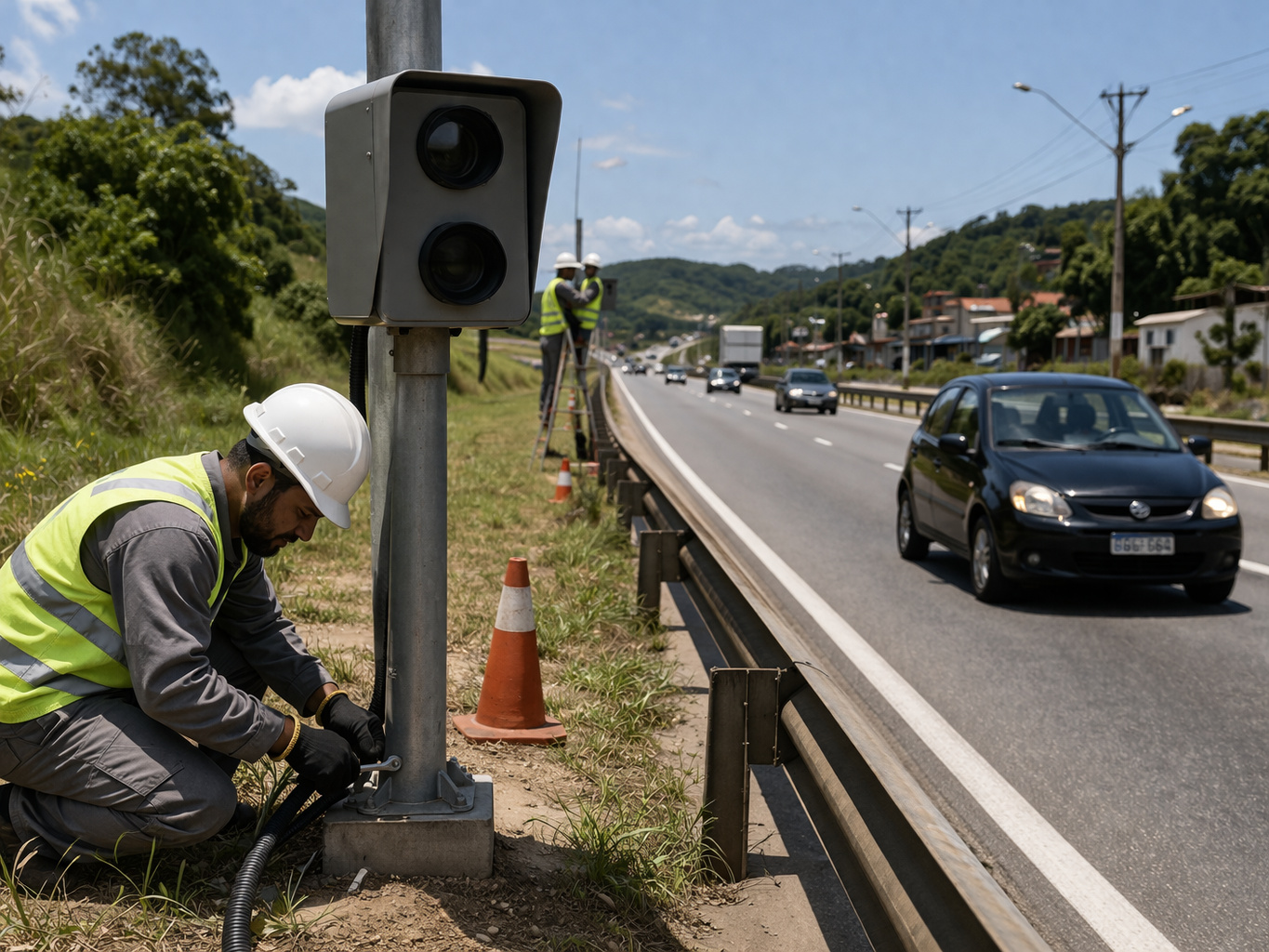
Road surveillance in Rio de Janeiro enters a new phase with the installation of more than 140 speed cameras on highways RJ-106 and RJ-104, and DER-RJ expands speed control in high-traffic areas.


Chile is regionally ahead in exploration capacity, with operational projects in advanced stages. The country led global production until 2017 when it was surpassed by Australia due to Chile’s slow pace in allowing new players into its market. Still, Chile remains a promising investment destination in this front, and the government maintains an investor-friendly rhetoric. However, the ongoing constitutional process, along with a stronger pro-environment approach from the new government of President Gabriel Boric, means that regulatory risks will be heightened for at least the next 12 months. Legislative proposals related to preserving water resources, in particular, are likely to incur higher operational costs for companies. This will also be exacerbated by increasing activism from indigenous groups.
Argentina, which holds the second largest amount of identified lithium globally, seeks to promote new (and massive) investments in the mining sector. Despite the country’s longstanding macroeconomic imbalances and the heavy regulatory burden faced by multinationals, President Alberto Fernández’s government has actively worked in the past year to attract mining investors. These efforts included specific mining measures to simplify the investment environment. However, multinationals operating in the country remain highly exposed to regulatory risks associated with price and capital controls and will ultimately continue to sustain high levels of financial volatility.
Mexico and Peru
Mexico is a complex case for investors in the sector. On April 20, 2022, Congress approved a presidential reform to the mining law to nationalize the country’s lithium reserves. This was done primarily to give President Andrés Manuel López Obrador (AMLO) a political victory after a blow to his main power reform, which legislators failed to approve, as the government did not need the change to stop granting lithium mining concessions. However, it put existing licenses under scrutiny, as AMLO has already stated that all lithium mining concessions granted before the reform will be reviewed. If the Mexican government finds that the concessionaires are not ready for the exploration phase, have not conducted indigenous consultations (when appropriate), or there were irregularities in the bureaucratic process, it will seek to cancel them. There is ample space for the federal government to decide on compliance with these requirements in a discretionary manner. In this context, some business entities, such as the National Association of Employers (Coparmex), have expressed concern, as the cancellation of concessions would harm private investment. Ultimately, the Mexican government does not possess the technology needed for lithium exploration, which could pave the way for some form of public-private partnerships for lithium mining in the future. Otherwise, alienating private investment would result in the failure to capitalize on Mexico’s lithium reserves.
In Peru, production also remains nascent. Recent projects have raised growing concerns among government representatives about the potential radiation associated with lithium extraction, as it would be mixed with uranium. Legislative proposals to boost the sector, however, have moved forward. On May 14, 2021, the country’s Congress approved a bill to declare lithium production a “public interest” activity and the mineral “a strategic resource.” Additionally, President Pedro Castillo stated that he intends to promote lithium industrialization, which would further open the way for improvements in the country’s production prospects in the coming year. However, Castillo’s significant political issues add uncertainty to this scenario: he faces new impeachment threats from Congress (having survived a second attempt at impeachment on March 28), and his popularity continues to decline. Furthermore, the persistent calls from the ruling party Free Peru for Castillo to renegotiate ongoing contracts continue to undermine investor confidence.
Complex (But Promising) Outlook
Overall, Latin America will continue to present great opportunities for mining investors with a moderate to high risk appetite. It is unlikely that foreign investors will face discrimination—the majority of governments recognize the importance of attracting foreign capital amid the broad economic challenges in the region and the need for environmentally friendly technology for its extraction. Risks related to resource nationalism will therefore be limited. However, greater fiscal concerns will sustain considerable fiscal uncertainty (for example, in Chile and Argentina). Nonetheless, it is unlikely that this will significantly affect the profitability of new projects; particularly since evidence suggests that there will be high levels of global demand in the coming years.
As environmental, social, and governance (ESG) trends gain traction at global and regional levels, the related risks are becoming increasingly relevant to business. The socio-environmental impacts associated with lithium production have not yet been fully understood by scholars but have already generated growing concerns among environmentalists and social movements in Latin America. Issues such as air, soil, and water contamination—along with the impacts of mining on neighboring communities—are likely to continue representing reputational, regulatory, and operational risks for companies that do not have solid compliance protocols. The specific risk landscape for mining in Latin America will require a proactive and primarily on-the-ground approach from private players. From a risk management perspective, successful investors in the region are likely to be those who implement comprehensive pre-investment risk assessments (including ESG) and continuous monitoring strategies based on solid local knowledge.
Source: LatAm Intersect PR | Via: Gabriel Brasil is a Senior Analyst on the market-leading team for analysis and forecasting of political, operational, and security risks at Control Risks.










Seja o primeiro a reagir!