Portuguese
  Spanish


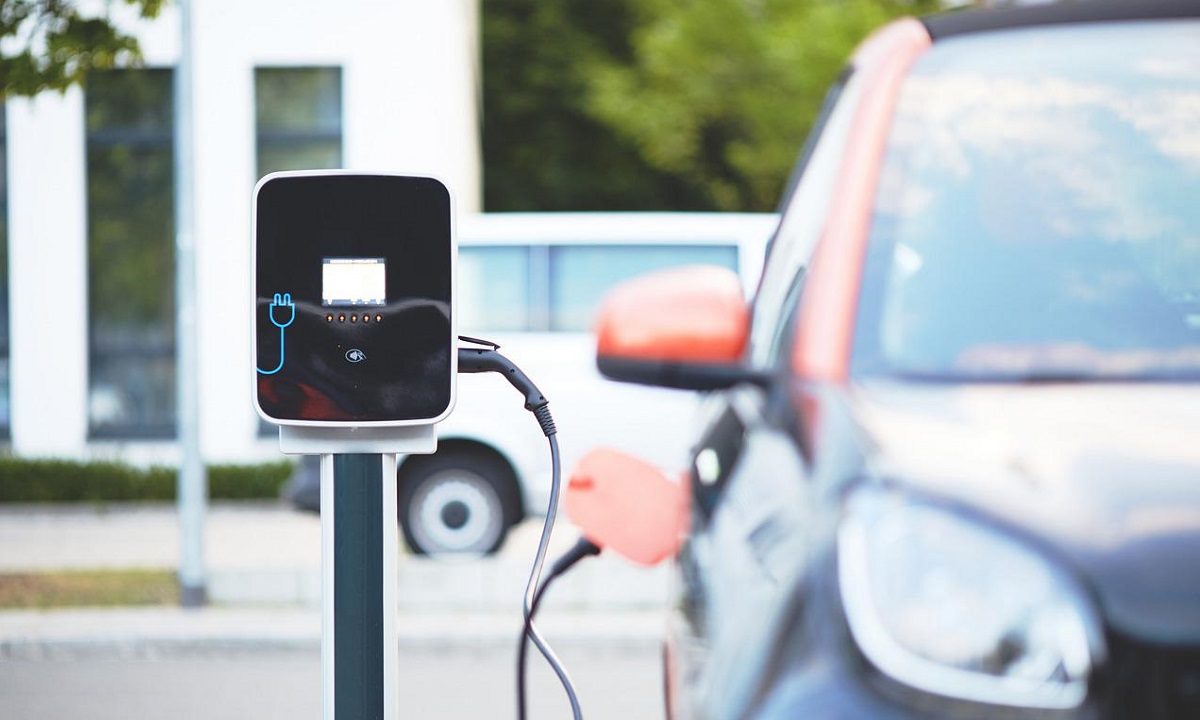

Brands Like Volvo, Tesla, and Toyota Are Investing Billions in Own Battery Production to Supply Their Electric Vehicles
According to an analysis by consulting firm AlixPartners, a total investment of US$ 330 billion in the supply chain of electric vehicles is expected by 2026. Of this amount, one-third is expected to be spent on battery production, which aligns with the decision made by multiple countries to ban combustion cars by 2030.
However, as highlighted by the Época website, what stands out is the fact that several automakers have decided to partner with their battery suppliers or stop negotiating with them altogether, thus becoming their own suppliers.
Volvo Will Build a Factory with a Production Capacity of 500,000 Batteries Per Year
The company Volvo is the latest to join this strategy by announcing its partnership with Northvolt to build a factory with a production capacity of 500,000 batteries per year, capable of exclusively equipping the company’s electric vehicles and those of Polestar, which belongs to the same group.
-
1983 Chevrolet Runs Over 100,000 km Without Gasoline, Powered by Wood Chips, Reaches 125 km/h in Airport Test

-
Workshop Converts Giant Tractor Tire Tricycle into a Three-Wheel Drive Hybrid with 36,000-Watt Electric Motor Capable of Climbing Hills

-
Chery Offers Lifetime Battery Warranty and Car Replacement for Major Failures Under New Chinese Regulations
-
Sales of Brazil’s Cheapest Electric Car Halted Before First Deliveries: E-Motors Suspends Emova Easy Due to Import Tax Increase and Rising Freight Costs



In this regard, the expected investment for the new factory is US$ 2.9 billion. According to João Oliveira, operations and innovation director at Volvo in Brazil, it will meet the entire demand of the company, which is growing at a very fast pace. The executive also adds that the unit will also meet the sustainability standards required by the automaker.
In addition to Volvo, other automakers have previously decided to produce their own batteries to ensure the supply of their electric vehicles, which continue to trend upwards every year. Below is an overview of the production race for each company.
Which Automakers Are Focused on Battery Production?
Among the various brands seeking to free themselves from dependence on suppliers for battery procurement, the following stand out:
Volvo
Volvo will begin construction of a battery factory in Sweden next year, resulting from its partnership with Northvolt. Northvolt, in turn, already supplies similar components to BMW, Volkswagen, and Scania, another Swedish company.
GM
GM formed a joint venture with LG’s subsidiary responsible for producing automotive batteries in order to establish a factory in Ohio, United States. The investment dedicated to the new plant is US$ 2.3 billion, and it is expected to start operations in 2023. This will be the first unit of its kind that the automaker is willing to implement.
Tesla
In 2016, Tesla partnered with its main battery supplier, Panasonic, to build the so-called Gigafactory, located in Nevada, United States. The investment for its construction was US$ 5 billion, and the factory currently produces up to 1.3 million batteries per year.
Stellantis
Stellantis – formed after the merger of Fiat Chrysler and PSA – announced last year the construction of an automotive battery factory in Ontario, Canada, also in partnership with multinational LG. The unit, which is expected to be inaugurated in 2024, will equip 2.5 million electric vehicles per year. The cost will be US$ 4.1 billion.
Toyota
Toyota decided to set up its battery production line in North Carolina, United States. The factory’s construction was announced last year, and it is expected to supply up to 1.2 million electric vehicles each year. The inauguration is scheduled for 2025, while the investment dedicated to the initiative will be US$ 1.29 billion.