





 Portuguese
  English
  Spanish
  4 min of reading
  0 comments


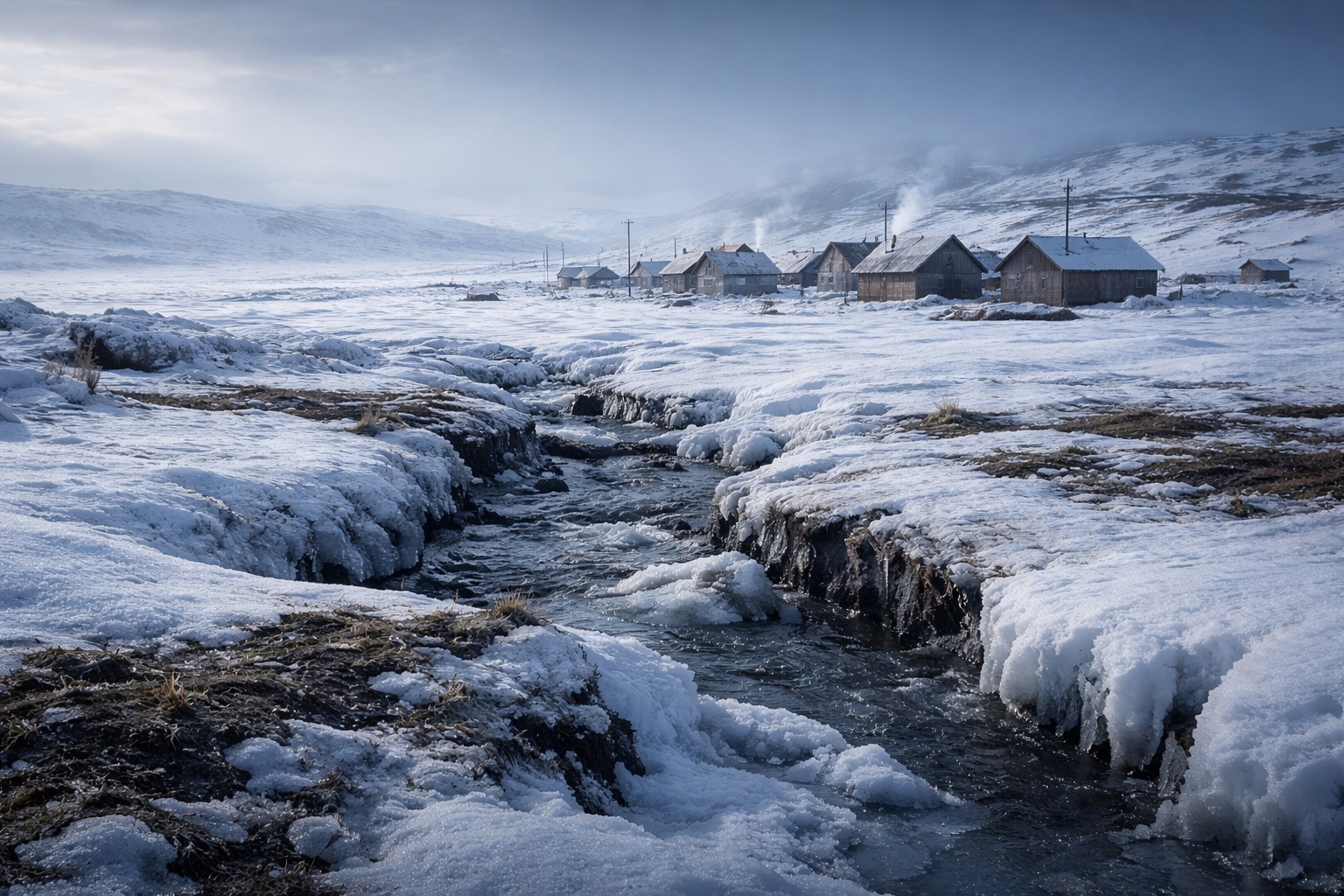
Region of Interior Alaska, Such as Fairbanks and the Tanana Valley, Faces Snow for More Than 9 Months, Continuous Permafrost, and Short Summer That Makes Traditional Agriculture Infeasible.
Snow for More Than 9 Months: The scenario described by this title is clearly materialized in the interior of Alaska, especially in areas such as Fairbanks, the Tanana Valley, and the vast region of Yukon Flats. These territories form one of the coldest continental environments on the planet, where climate, soil, and seasonal regime impose severe physical limits on conventional agriculture. Unlike the coastal areas of Alaska, moderated by the ocean, these regions are deeply embedded in the continent, without significant maritime influence. The result is a highly continental climate, with long, dry, and extreme winters, and very short, intense, and unpredictable summers.
A Calendar Dominated by Snow in Fairbanks and the Tanana Valley
In cities like Fairbanks, snow typically settles between late September and early October and only completely disappears between May and June. This means that the ground remains covered by snow for more than nine consecutive months in most years.
In the Tanana Valley, one of the main interior plains of Alaska, the scenario is similar. Even after the surface thaw, the interval until the first frost of autumn can be less than 60 days, a period too short for traditional agricultural crops to complete their cycle.
-
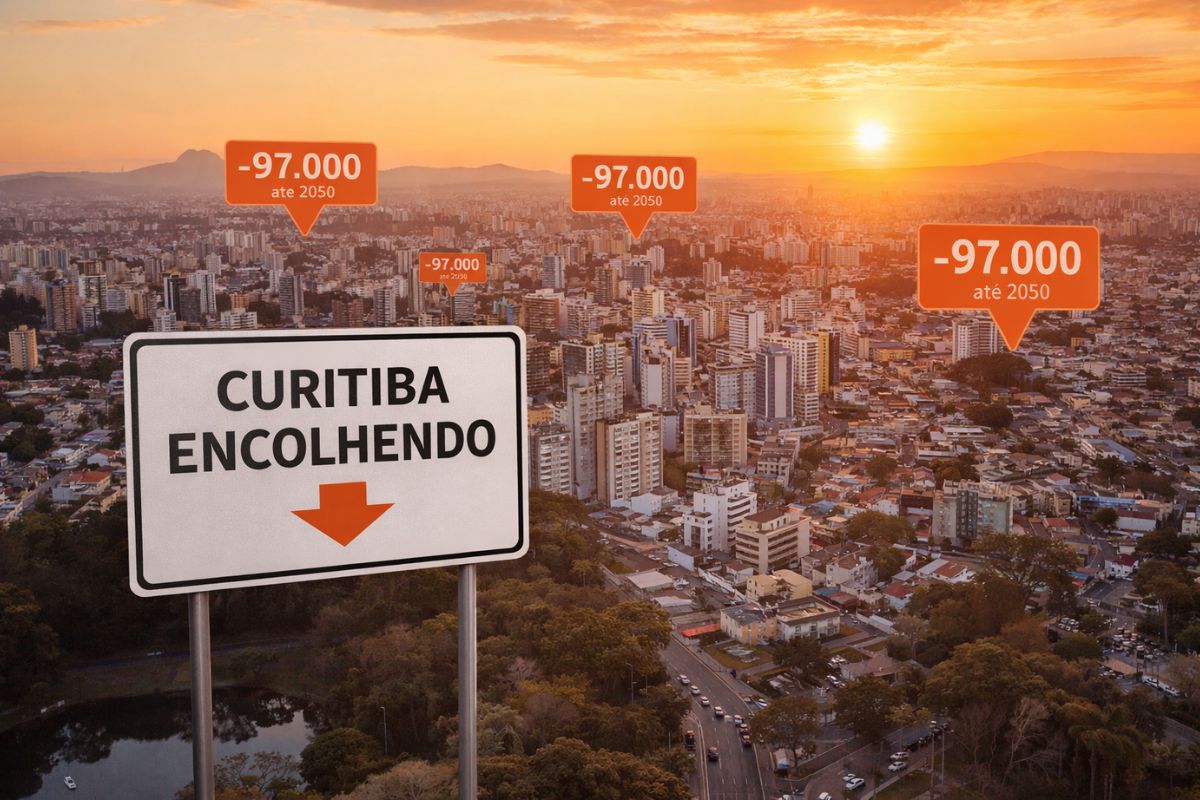
Curitiba is shrinking and is expected to lose 97,000 residents by 2050, while inland cities in Paraná such as Sarandi, Araucária, and Toledo are experiencing accelerated growth that is changing the entire state’s map.
-
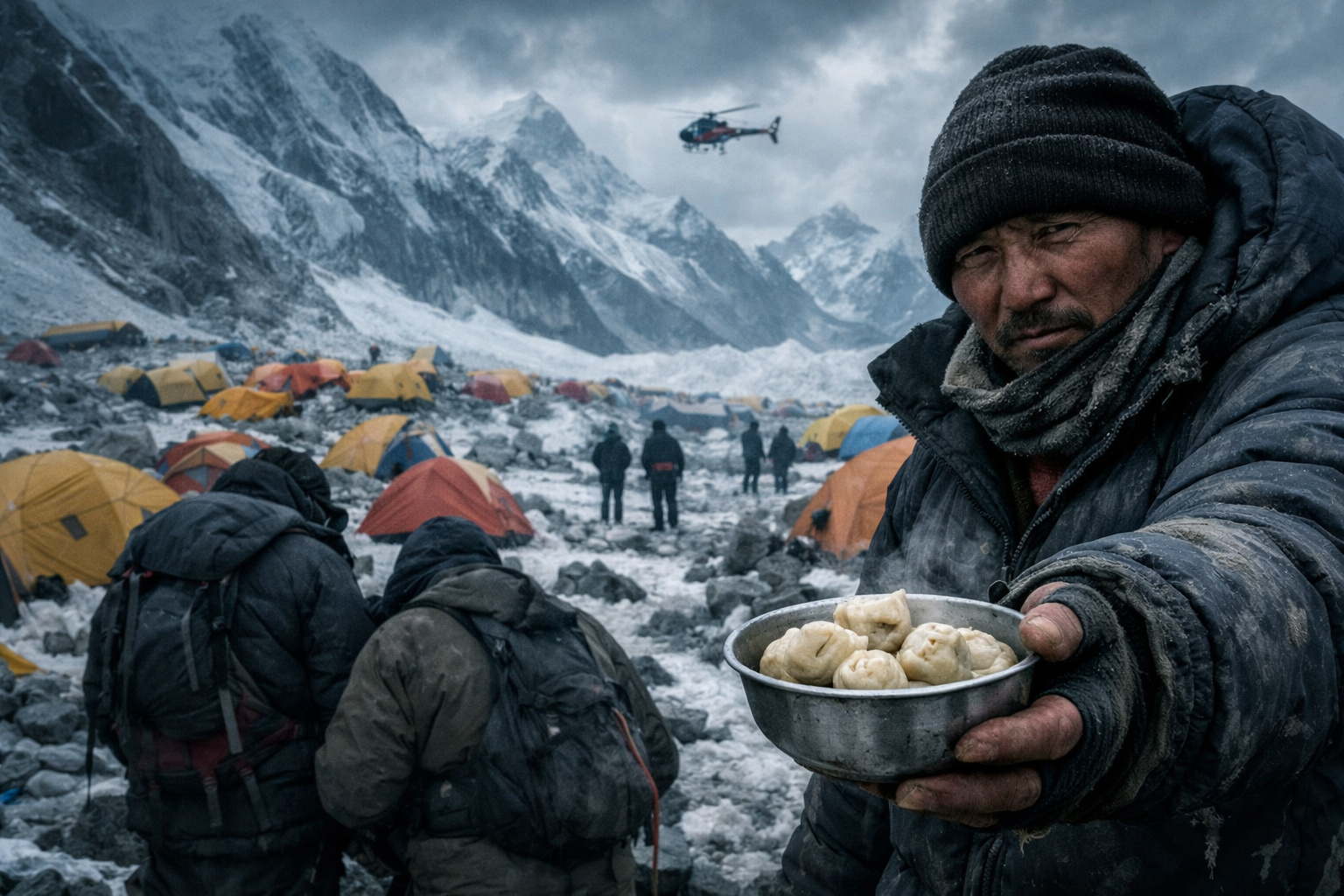
Tourists were poisoned on Everest in a million-dollar fraud scheme involving helicopters that diverted over $19 million and shocked international authorities.
-
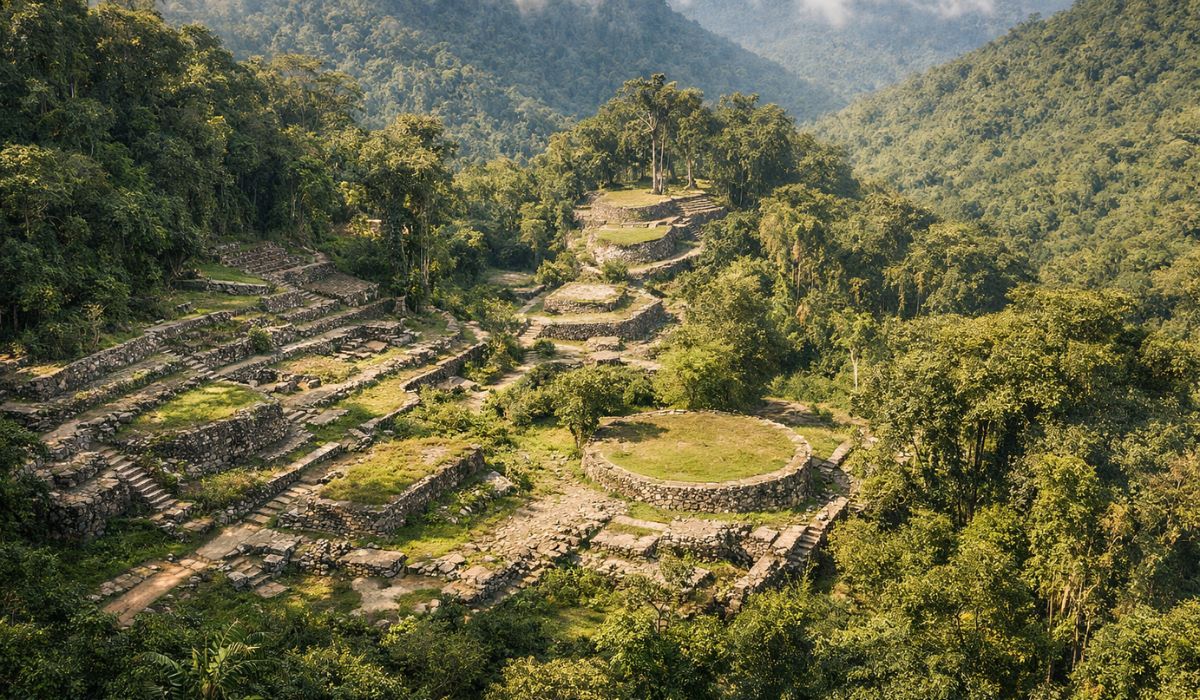
Hidden beneath the dense forest of the Sierra Nevada, Betoma emerges in a neighbor of Brazil as the greatest archaeological discovery of the century, revealing a colossal ancestral city covering over 18 km², with 8,334 stone structures and the potential to rewrite the history of South American civilizations.
-
Goodbye iron: new technology from Xiaomi promises to revolutionize the way we iron clothes with 500 kPa steam, continuous flow of 120 g/min, heating in 65 seconds, and six smart modes for different fabrics.


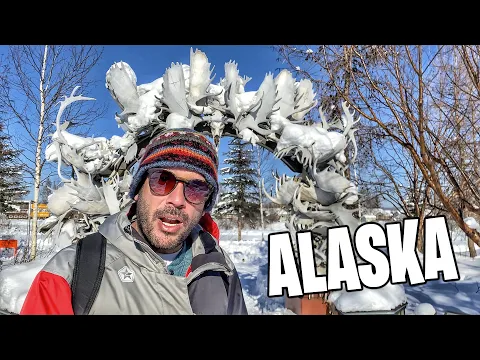

The accumulated snow acts as a thermal insulator, delaying the warming of the soil and causing it to remain cold and biologically inactive even after visible thawing.
Continuous Permafrost in the Yukon Flats
The presence of continuous permafrost is particularly prominent in the Yukon Flats, a vast alluvial plain located north of Fairbanks. In this region, the soil remains permanently frozen from relatively shallow depths.
During the short summer, only the so-called active layer, generally between 30 and 80 centimeters, temporarily thaws. Below that, the soil remains rigid, preventing deep root development and hindering natural water drainage.
This behavior creates waterlogged, unstable, and poorly oxygenated soils, making it impossible for crops that depend on deeper, more stable root systems to thrive.
Extreme Temperatures Recorded in the Region
Fairbanks is known for recording some of the lowest temperatures ever measured in the United States. In winter, lows below −40 °C are common, and extreme events have approached −50 °C.
These prolonged temperatures eliminate almost all biological activity in the soil for much of the year. Even in summer, nights can see sharp drops in temperature, increasing the risk of frost outside the season, a critical factor for any attempt at conventional cultivation.
Extreme Sunshine and Imbalanced Cycles
Another decisive technical factor is the sunshine regime. During summer in Fairbanks and the Tanana Valley, the sun can remain visible for up to 22 hours a day, accelerating the growth of cold-adapted plants.
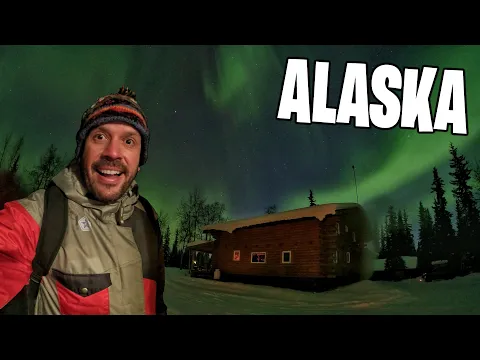
However, this gain is negated by the short duration of the season. In winter, the opposite occurs: weeks with very little sunlight drastically reduce any photosynthetic activity, completely disrupting the natural cycles of the soil.
This extreme alternation between excess and scarcity of light creates a challenging environment for traditional agricultural crops, which depend on more balanced cycles.
Why Traditional Agriculture Does Not Sustain Itself in These Regions
Traditional agriculture requires thawed soil for a sufficient time, thermal stability, a predictable calendar, and continuous microbiological activity. In regions such as Fairbanks, Tanana Valley, and Yukon Flats, these requirements rarely align.
The soil thaws for a short time, permafrost limits rooting, temperatures vary sharply, and the risk of frost is constant. As a result, agricultural production on a conventional scale becomes technically unfeasible without deep adaptations, such as greenhouses, artificial heating, and highly controlled management.
A Well-Defined Climatic Limit
These regions of interior Alaska represent a real climatic limit for traditional agriculture, not due to lack of technology, but because of physical restrictions imposed by climate and soil.
What occurs in Fairbanks and the Yukon Flats is not a casual exception, but a direct consequence of an extreme climatic system, which shows how temperature, permafrost, sunshine, and the length of seasons can precisely define where conventional agriculture simply does not work.






-

-

-

6 pessoas reagiram a isso.