





 Portuguese
  English
  Spanish
  3 min of reading
  0 comments


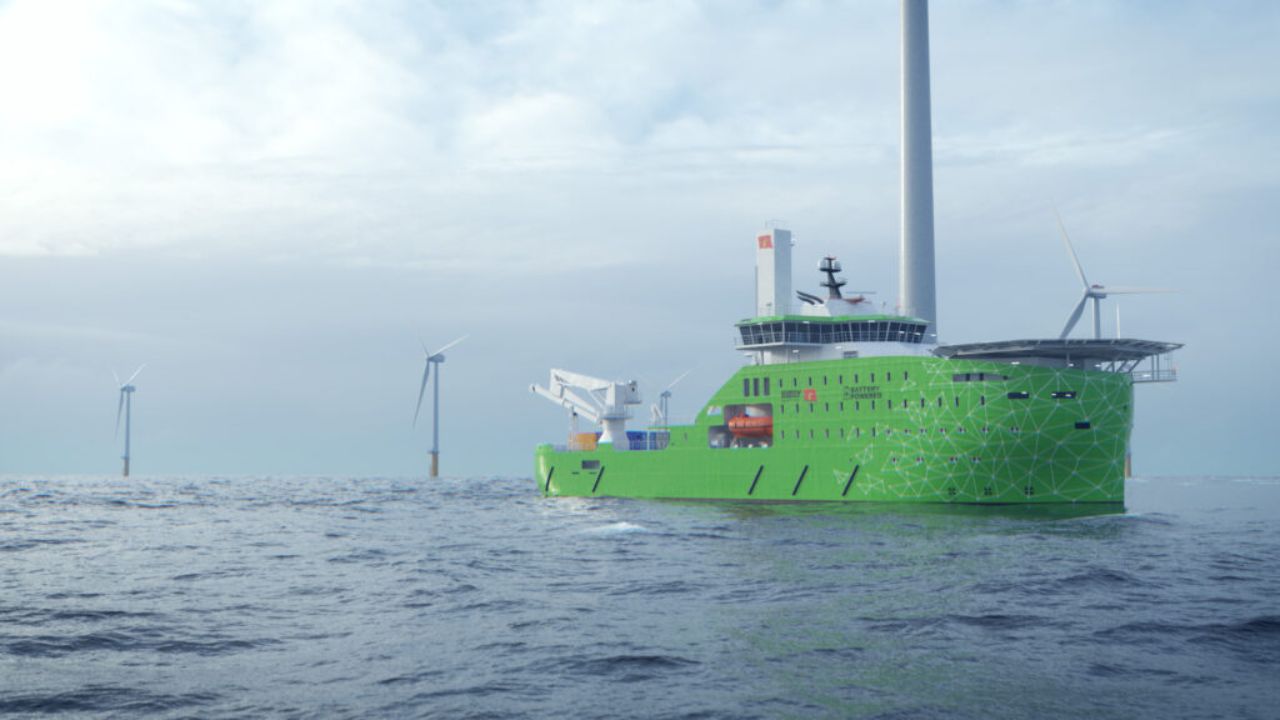
With 100% Electric Propulsion And Dual Fuel Methanol Engines, The World’s First Fully Electric Offshore Vessel Will Have A Revolutionary 25 MWh Battery Capable Of Operating An Entire Day Without Emissions And Redefining The Future Of The Maritime Industry!
Bibby Marine, a giant in the maritime sector, has announced the construction of the world’s first fully electric offshore vessel, equipped with a colossal 25 MWh battery – the largest ever installed on a vessel of this type.
And that’s not all: the vessel will also have dual fuel methanol engines to ensure it runs smoothly in any situation. The launch is scheduled for 2027, and the goal is simple: to revolutionize maritime transport and prove that the electrification of the oceans is not just a distant dream.
Goodbye Emissions! How The Vessel Technology Changes The Game

The big differentiator of this vessel is its 25 MWh Corvus Energy Blue Whale battery, which uses lithium iron phosphate (LFP) – a safer and more efficient technology for heavy operations. This system allows the vessel to operate an entire day solely on electricity, completely eliminating emissions during that time.
-
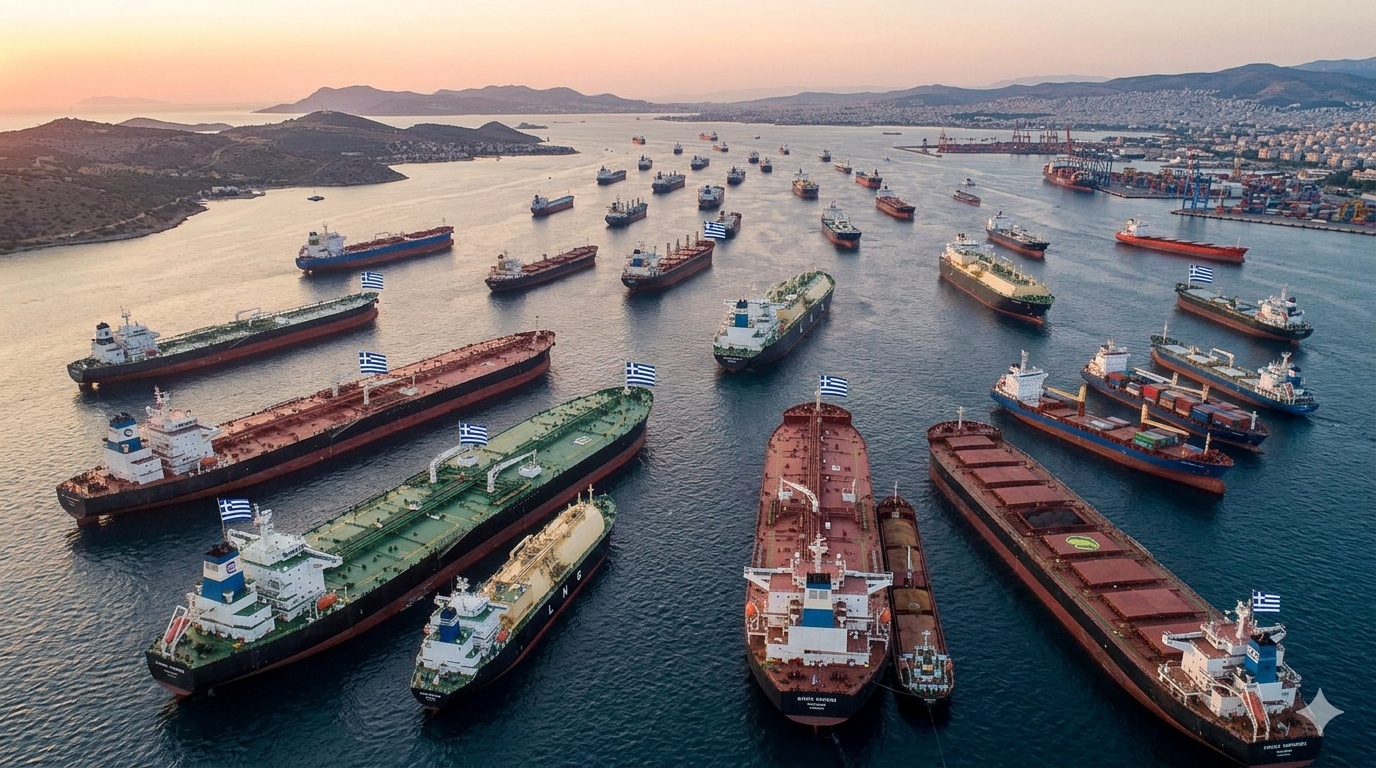
Neither the USA nor China: a small European nation has become one of the largest maritime powers on the planet, controlling one of the largest merchant fleets in the world with thousands of ships and dominating the global transportation of oil and strategic cargo.
-
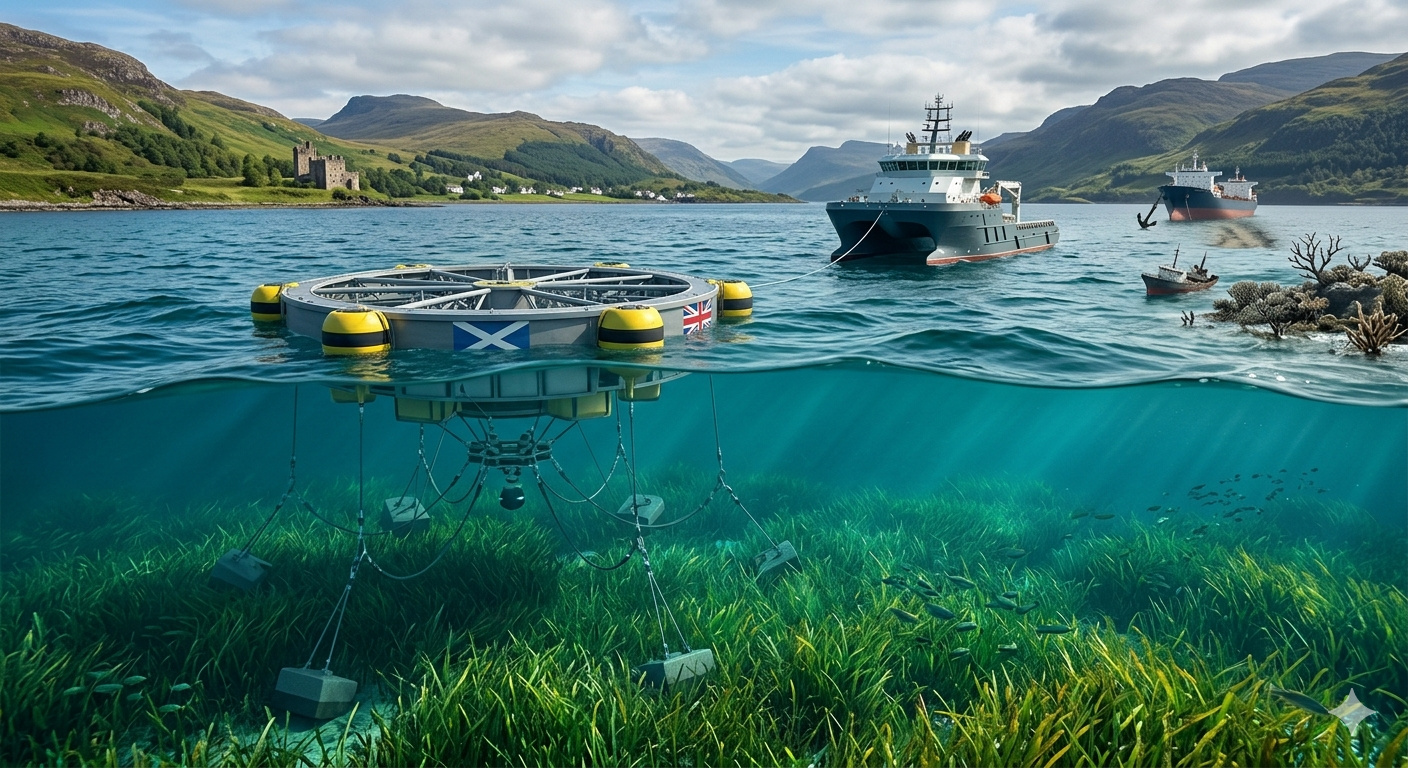
Scotland and the United Kingdom have created a new anchoring system that floats in the water without touching the seabed, after discovering that the current from a conventional anchor destroys up to 50 m² of seagrass meadow per event and that ship-damaged reefs showed no signs of recovery even ten years later.
-
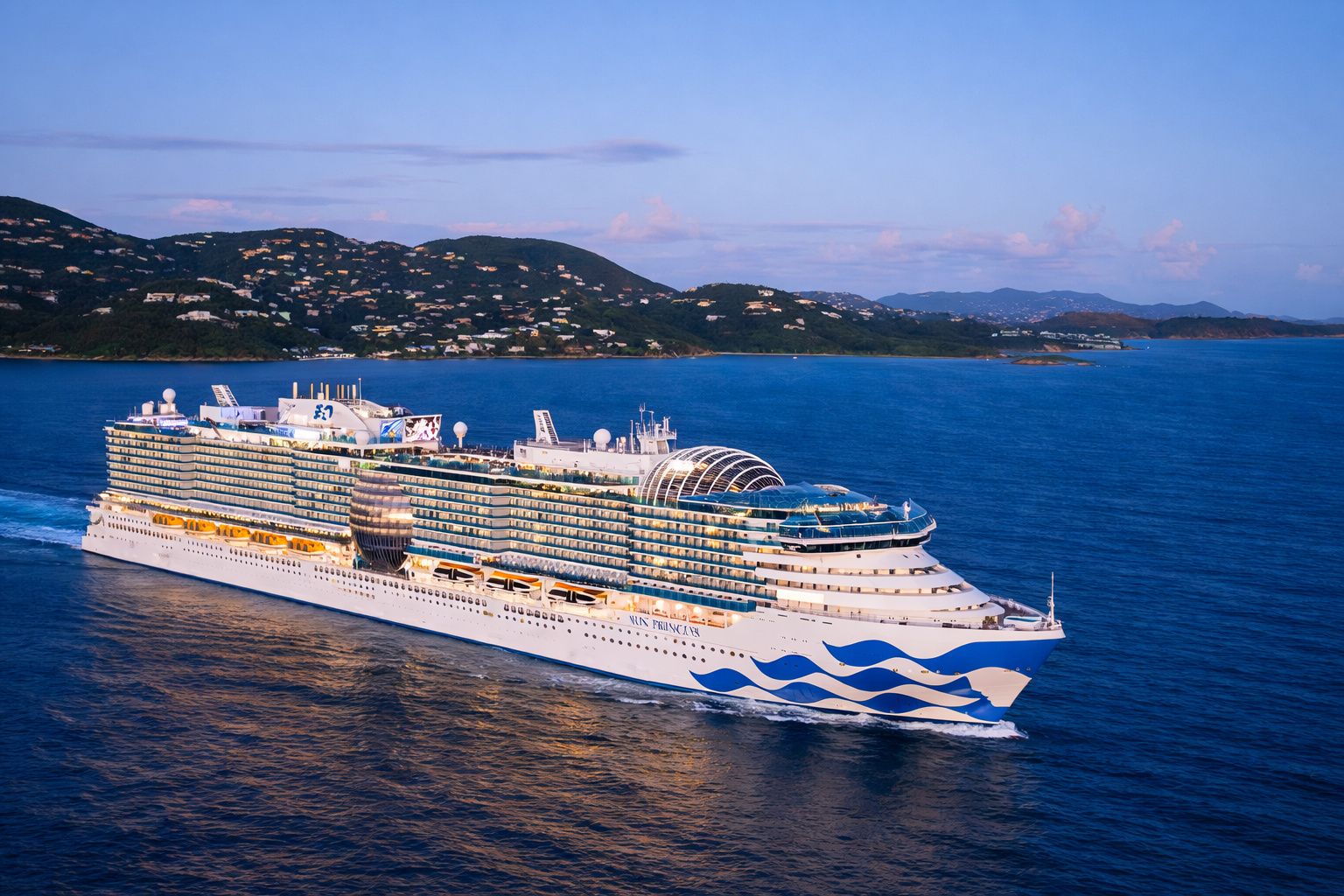
Weighing 175,500 Tons, Measuring 345 Meters Long, and With Capacity for Over 4,300 Passengers, the Sun Princess Becomes the Largest Ship Ever Built by Princess Cruises and Attracts Global Attention for Its Huge Glass Dome Inspired by Santorini’s Architecture Installed on Top of the Vessel
-
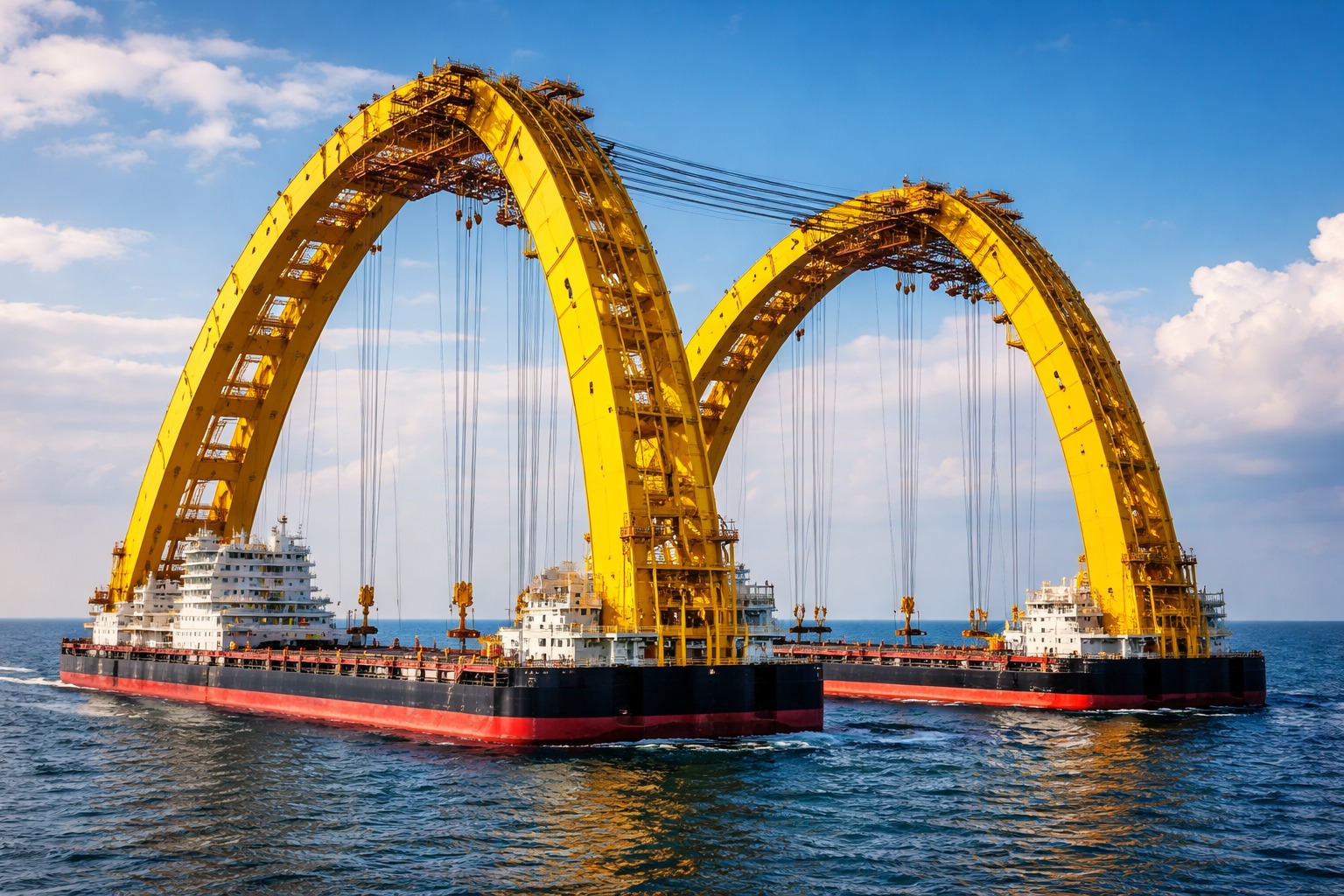
TX-10, The Colossus of The Sea: Largest Lifter Ship in The U.S., With Two Giant Barges, 73-Meter Tall Structure, and Strength to Raise 7,500 Tons of Sunken Oil Rigs

Do you know what that means? That the vessel can go from port to the operation site and back without burning a drop of fossil fuel. Something unprecedented until now!
According to Bibby Marine, this is a gigantic step towards decarbonizing the maritime industry. After all, maritime transport is one of the major villains of global pollution, and solutions like this show that it is possible to change this scenario.
But What If The Battery Runs Out? Methanol Comes Into Play!
Of course, we know that relying solely on the battery can be risky. That’s why the vessel will have dual fuel methanol engines to ensure it never gets stranded.
Methanol is a much cleaner fuel than marine diesel, generating fewer carbon emissions and being a viable alternative to reduce the environmental impact of the sector. So, if it needs an extra push, the vessel has a sustainable Plan B to keep everything running without harming the environment.
In other words, even when not operating 100% electric, it will still be much more environmentally friendly than any traditional vessel.
Cutting-Edge Technology For Maximum Efficiency
In addition to electric propulsion and methanol engines, the world’s first fully electric offshore vessel will feature some innovations that will excite any naval engineer.
DC Network Power Distribution System: Reduces waste and improves energy efficiency.
Artificial Intelligence And Digitalization: Sensors and algorithms adjust energy consumption in real-time.
Dynamic Recharging: The vessel can recharge its batteries while maintaining offshore positioning, something unprecedented in the sector!
All of this means the vessel will be much more economical, efficient, and prepared to operate intelligently.
Construction In Full Swing – And Without Pollution!
The vessel will be built at the Armon shipyard in Vigo, Spain, and will have a strong partnership to ensure everything goes perfectly. Some of the companies involved are:
Seaplace Ship Design – responsible for the basic design of the vessel.
Longitude – company that created the original conceptual design.
Corvus Energy – supplier of the giant 25 MWh battery, which will arrive at the shipyard in 2026.
After the launch, scheduled for 2027, the eCSOV will be deployed to carry out operations in offshore wind farms, showing that the future of navigation is electric and sustainable.








-

Uma pessoa reagiu a isso.