





 Portuguese
  English
  Spanish
  3 min of reading
  0 comments


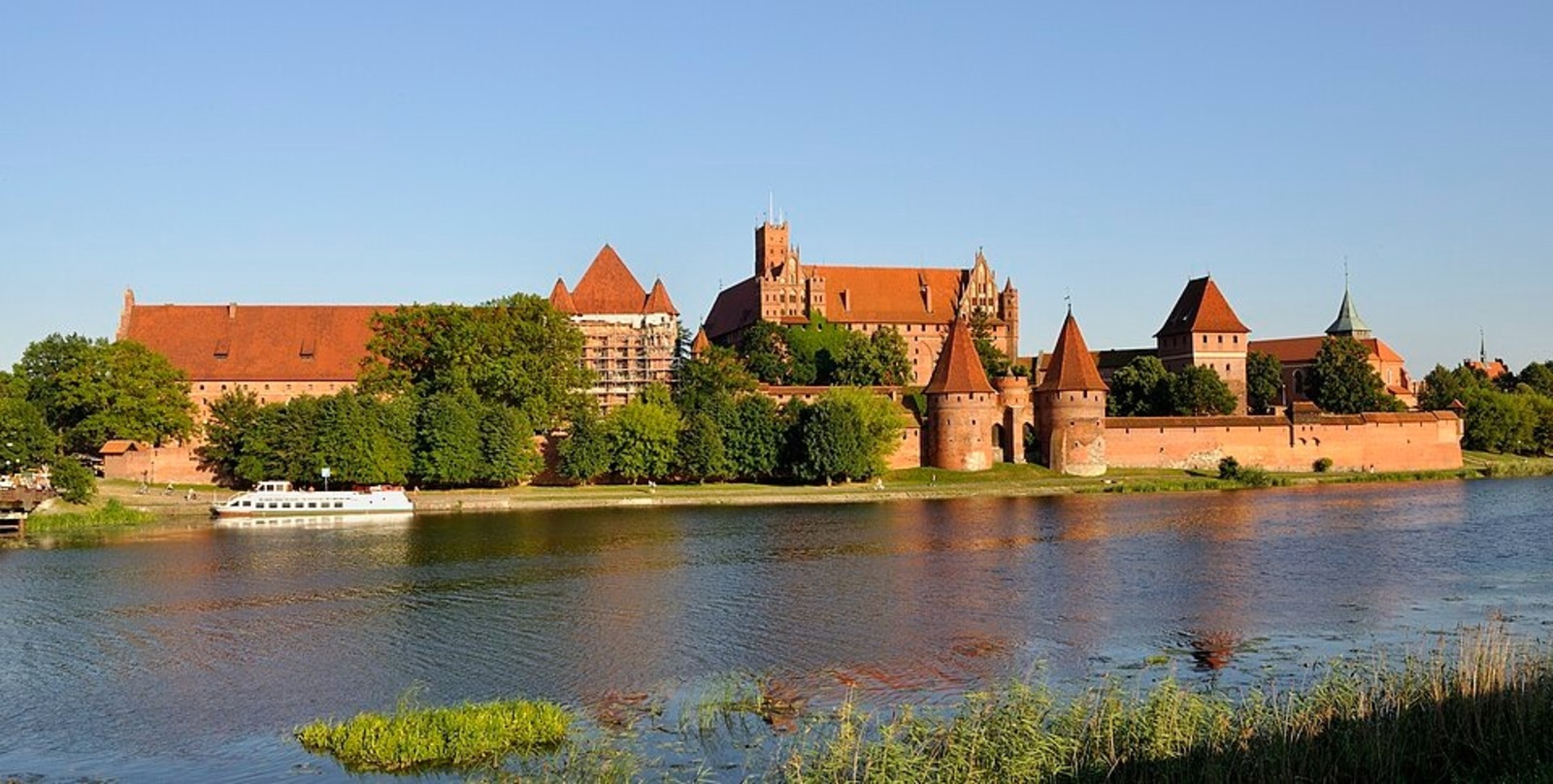
Built Over 700 Years Ago by the Teutonic Knights, Malbork Castle Impresses with Its Colossal Scale and Perfect Gothic Symmetry
As the ultimate symbol of medieval strength and ingenuity, Malbork Castle, in northern Poland, is the largest castle in the world by built area and one of the most imposing examples of European Gothic architecture. Built over seven centuries ago by the Teutonic Knights, the monumental complex spans over 143 thousand square meters and consists of around 30 million red bricks.
Its grandeur impresses as much as its history, marked by wars, destructions, and successive rebirths.
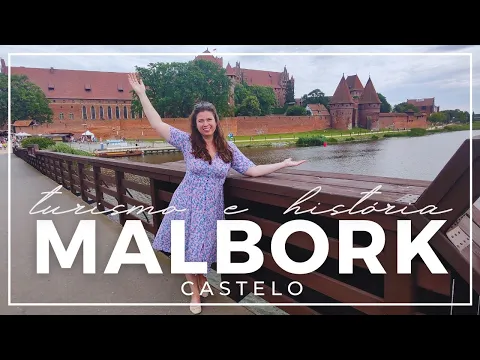

World’s Largest Castle: A Gothic Colossus by the Nogat River
The Zamek w Malborku, as it is called in Polish, was built in the 13th century to house the headquarters of the powerful Order of the Teutonic Knights, a military and religious brotherhood that controlled the Baltic region.
-
Friends have been building a small “town” for 30 years to grow old together, with compact houses, a common area, nature surrounding it, and a collective life project designed for friendship, coexistence, and simplicity.

-
This small town in Germany created its own currency 24 years ago, today it circulates millions per year, is accepted in over 300 stores, and the German government allowed all of this to happen under one condition.

-
Curitiba is shrinking and is expected to lose 97,000 residents by 2050, while inland cities in Paraná such as Sarandi, Araucária, and Toledo are experiencing accelerated growth that is changing the entire state’s map.

-
Tourists were poisoned on Everest in a million-dollar fraud scheme involving helicopters that diverted over $19 million and shocked international authorities.


The massive structure, made entirely of red bricks, became the ultimate symbol of the brick Gothic style, typical of northern Europe.
Its intensely colored walls and soaring towers create a contrast that impresses both from afar and up close, conveying a sense of strength and devotion.
The castle is divided into three connected parts: the High Castle, the Middle Castle, and the Lower Castle. The first was dedicated to religious life, serving as a monastery.
The second, the center of power, housed the Grand Master and the administration of the Order. The third served as a logistical base, with bakeries, kitchens, and a hospital, supporting a community of over 300 people.
Centuries of Battles and Reconstructions
Over the centuries, Malbork was the scene of intense disputes. After the weakening of the Teutonic Order, the fortress passed through the hands of Poles, Swedes, and Prussians, suffering looting and destruction at different times.
In the 19th century, an extensive restoration project began, interrupted by the onset of World War II.
During the conflict, the castle was heavily bombed, and much of the structure lay in ruins.
The total reconstruction took place after the war, when Poland decided to restore the monument brick by brick.
The work returned the castle to its original appearance, transforming it once again into a national symbol.
Today, the site is recognized as a UNESCO World Heritage Site and receives over half a million visitors each year, drawn by its beauty and the atmosphere that seems suspended in time.
What to Visit at Malbork Castle
Among the most stunning spaces is the Grand Masters’ Hall, decorated with medieval frescoes and a monumental fireplace.
The Chapel of Saint Anne also draws attention for the delicacy of its stained glass and architectural refinement.
The complex also houses the renowned Amber Museum, which displays unique pieces extracted from the Baltic region.
At night, guided tours by torchlight recreate the ambiance of the Middle Ages, making the experience even more immersive.
Tickets cost between 100 and 120 zlotys, and access is simple: trains leave frequently from Gdansk, a tourist city about 60 kilometers away.
Other Giants of the Medieval Era
Even though it is the largest castle on the planet, Malbork shares the podium of grandeur with other European fortresses.
Prague Castle, in the Czech Republic, is the largest historical complex ever built. Windsor Castle, in the United Kingdom, remains a residence for the British monarchy.
Similarly, Hohenzollern Castle in Germany and Edinburgh Castle in Scotland impress with their grandeur and spectacular locations.
With its monumental towers, a history marked by glories and ruins, and its preserved beauty, Malbork Castle remains one of the greatest legacies of the Middle Ages—a living testament to faith, architecture, and human ambition.
With information from Diário do Litoral.









-

-

-

-

-

-

62 pessoas reagiram a isso.