





 Portuguese
  English
  Spanish
  4 min of reading
  4 comments


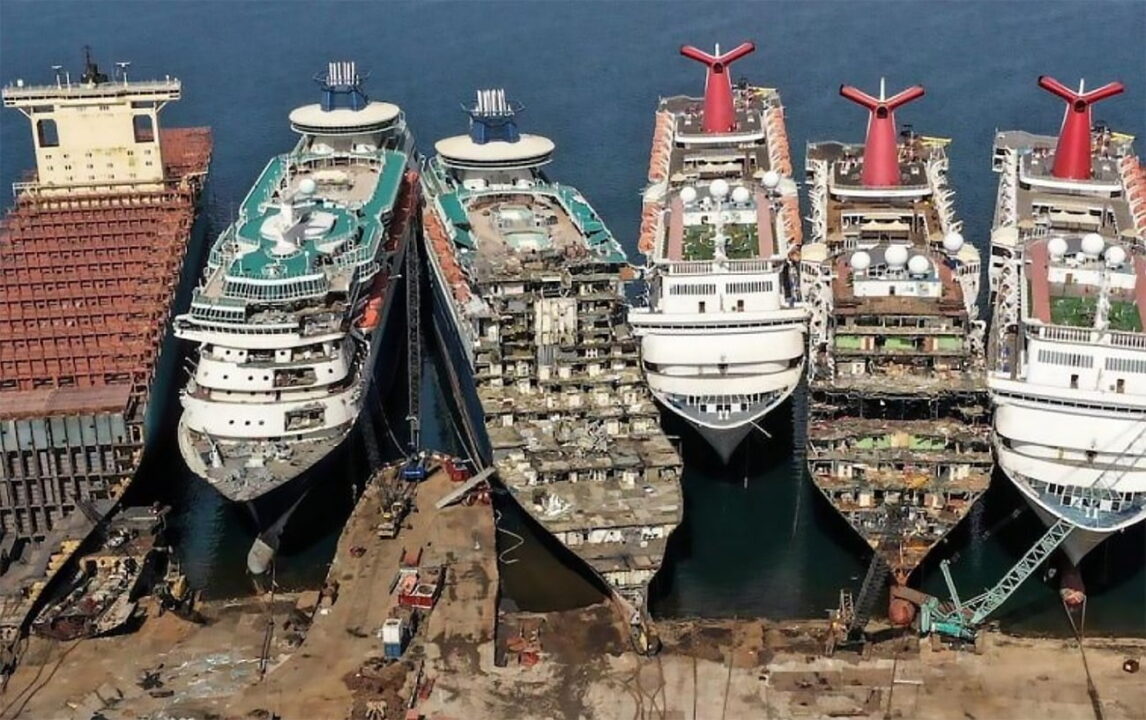

Learn Everything About the Largest Ship Breaking Yard in the World, the Final Destination for Colossal Ships That Are Transformed Into Valuable Materials
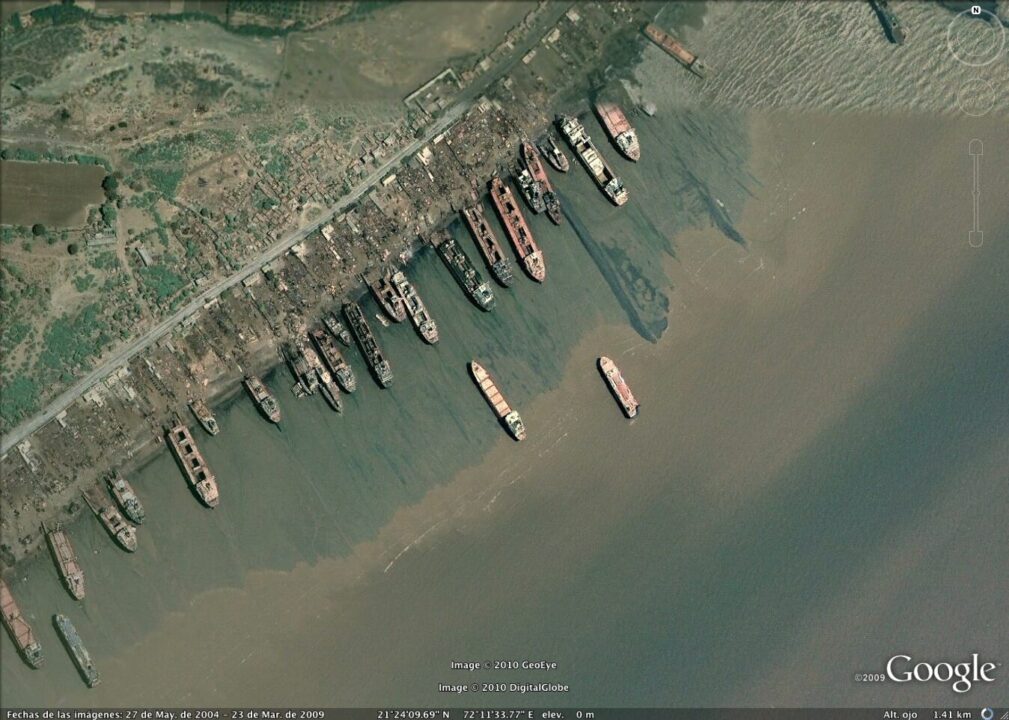
Located on the west coast of India, the Alang shipyard stands out as the largest ship breaking yard in the world. Since beginning operations in the 1980s, it has become one of the main destinations for decommissioned vessels, receiving about half of the ships that are dismantled globally. Its importance in the ship recycling industry is undeniable, but the yard also raises debates about safety issues and environmental impacts.
The Location and the Ship Recycling Operation
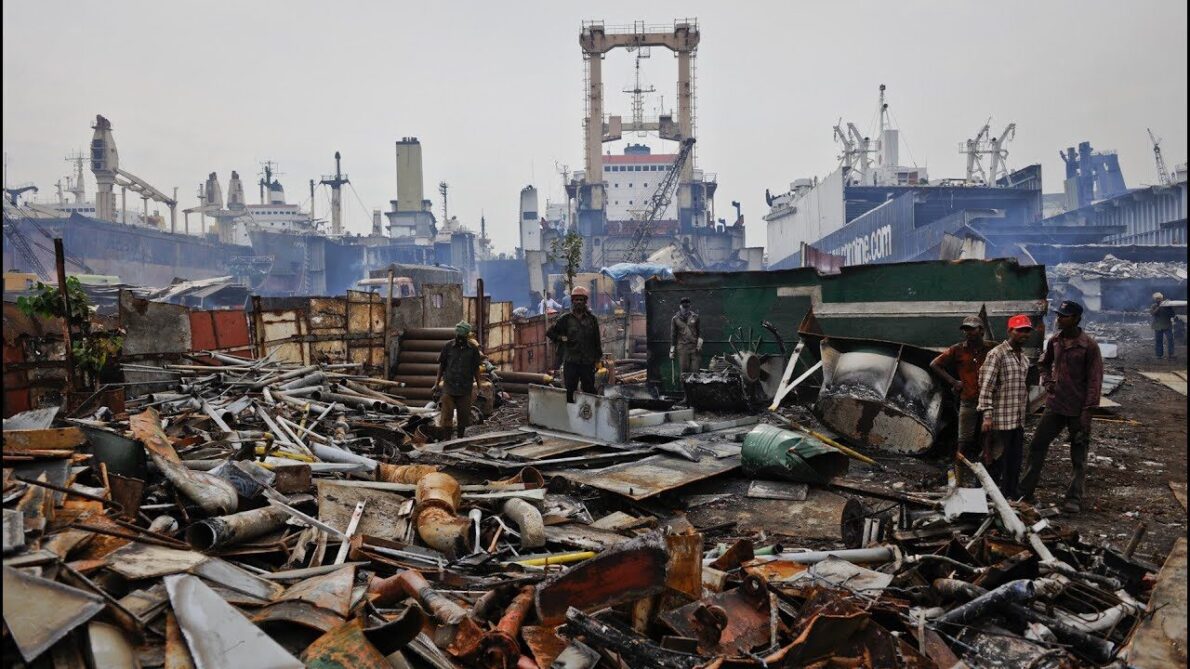
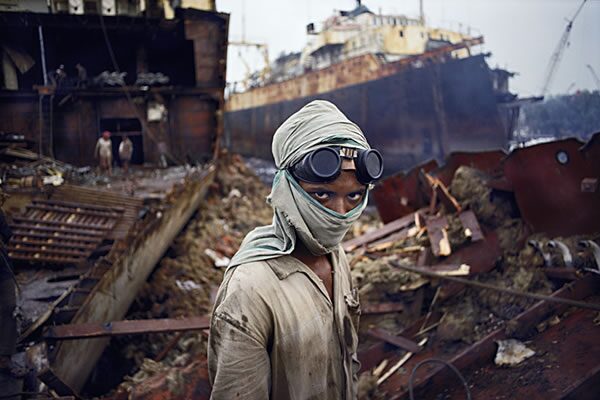
The Alang shipyard is located along a stretch of approximately 10 kilometers of beach in the city of Alang, in the Indian state of Gujarat. The region has solidified its position as a central point for ship breaking, involving the dismantling of vessels that are no longer in operation and the recovery of recyclable materials. The process involves grounding the ships on the shore, where they are manually dismantled by local workers using simple tools, such as hammers and blowtorches.
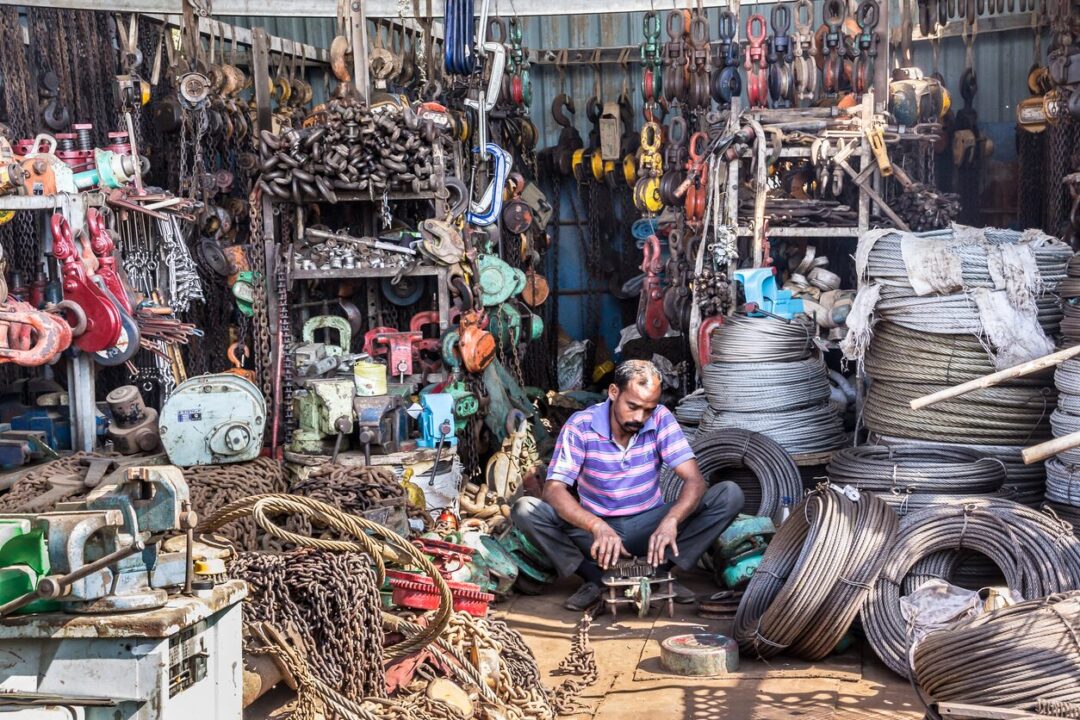
The work done in Alang allows for a variety of valuable materials, including steel, copper, and aluminum, to be recovered and recycled, providing economic and environmental benefits. In addition to being an important source of employment for local workers, the shipyard significantly contributes to the region’s economy by generating revenue from the sale of materials and parts that can still be reused.
-
Historic bankruptcy of Centauro shocks the market, and the century-old company puts more than 500,000 products, machines, and complete infrastructure up for online auction.

-
New shoe factory in Ceará is expected to create 400 jobs and strengthen the local economy.
-
No one imagined it, but a mixture of sawdust with a mineral that fights fires surprises scientists with a result that changes the course of fire-resistant construction.

-
From empty land to a high-end house, wooden construction uses a lightweight system, metal structure for the foundation, ventilated ceramic cladding, and special windows to create an efficient and comfortable living space throughout the year.


Working Conditions and Environmental Concerns
While it is a vital source of income, working conditions at the Alang shipyard have been criticized over the years. The workers, most of whom are migrants from poorer regions of India, face significant risks in the dismantling of ships. The lack of adequate safety equipment, exposure to hazardous materials such as asbestos and chemicals, and the physical nature of the work make the environment dangerous. According to estimates from human rights organizations, fatal accidents occur frequently in ship breaking yards, and Alang is no exception.
In addition to concerns about worker safety, the environmental impact is another central issue. The ship breaking industry has been criticized for its negative effects on the environment. The dumping of toxic waste into the sea, the release of oils and other hazardous substances, and air pollution are some of the major problems associated with the improper dismantling of vessels. However, in recent decades, the Indian government has implemented a series of regulations and safety standards aimed at reducing these impacts and making operations in Alang more sustainable. Measures such as improving working conditions, using protective equipment, and environmental monitoring have been adopted.
The Role of the Alang Shipyard in the Global Ship Industry
Despite the challenges, Alang remains a crucial hub in the global ship recycling industry. The shipyard has the capacity to dismantle a wide range of vessels, from small barges to gigantic cargo ships, oil tankers, and cruise ships. One of the most significant milestones of the shipyard was the dismantling of the largest ship in the world, the supertanker Knock Nevis, which was built in 1979 and measured an impressive 458 meters in length. Weighing 657,000 tons when fully loaded, the Knock Nevis was one of the largest objects ever constructed by humans.
In addition to the Knock Nevis, other large decommissioned vessels have also been dismantled in Alang, such as the French aircraft carrier Clemenceau, measuring 260 meters in length, and the Norwegian cruise ship SS Norway, weighing 76,000 tons. These ships, often retired from service due to age, damage, or obsolescence, are sold to breakers due to the value of their materials.
Steel is the primary resource recovered during the dismantling of ships. It is estimated that about 90% of a ship is made of steel, which is recycled and reused in construction and other industries. The ship breaking industry in Alang is thus an important piece of the global recycling cycle, contributing to the circular economy and reducing the demand for new raw materials.
Improvements and Future Challenges
In recent years, the Indian government and international organizations have been working to transform Alang into a model for a sustainable and safe shipyard. Projects to modernize operations and reduce environmental impact are underway. Initiatives such as certifying shipyards according to international safety and environmental standards, such as those defined by the Hong Kong Convention, are a step in the right direction.
However, there are still considerable challenges to face. Implementing stricter regulations, training workers to handle hazardous substances, and continuously improving working conditions are essential to ensure that Alang can continue to play its vital role in the global economy in a responsible and sustainable manner.
The Alang ship breaking yard is an essential component of the global recycling industry. Its ability to dismantle thousands of ships over the decades positions it as a world leader in vessel recycling, providing valuable materials to the economy and creating jobs for thousands of people. However, safety and sustainability issues remain at the center of debates, and the future of Alang will depend on its ability to adapt to higher standards of social and environmental responsibility.








Essas fotos são antigas, Alang passou por uma grande transformação.
eu diria que é tão profissional e sustentável hoje em dia, quanto um estaleiro europeu.
Lembrando que europeus sempre tentam diminuir o que é feito além mar.
Alang gira a economia da região e reinveste no local. Não deve nada aos europeus.
padrão internacional
Olha ,tá aí uma notícia ótima gostaria de de ter contato de alguém peças , tem que squela peça em boas condições salva uma volta pra casa tranquilamente, em quando não repõe se com a peça nova
Eu tenho um cartiçal que achei no depósito do lixo no navio Eugenio C em 1994.
A foto que estamos a matéria é na Turquia e a reportagem e sobre Alang na India.
infelizmente nesse tema tem muita gente curiosa falando o que não sabe nem entende….