





 Portuguese
  English
  Spanish
 4 min of reading
  6 comments


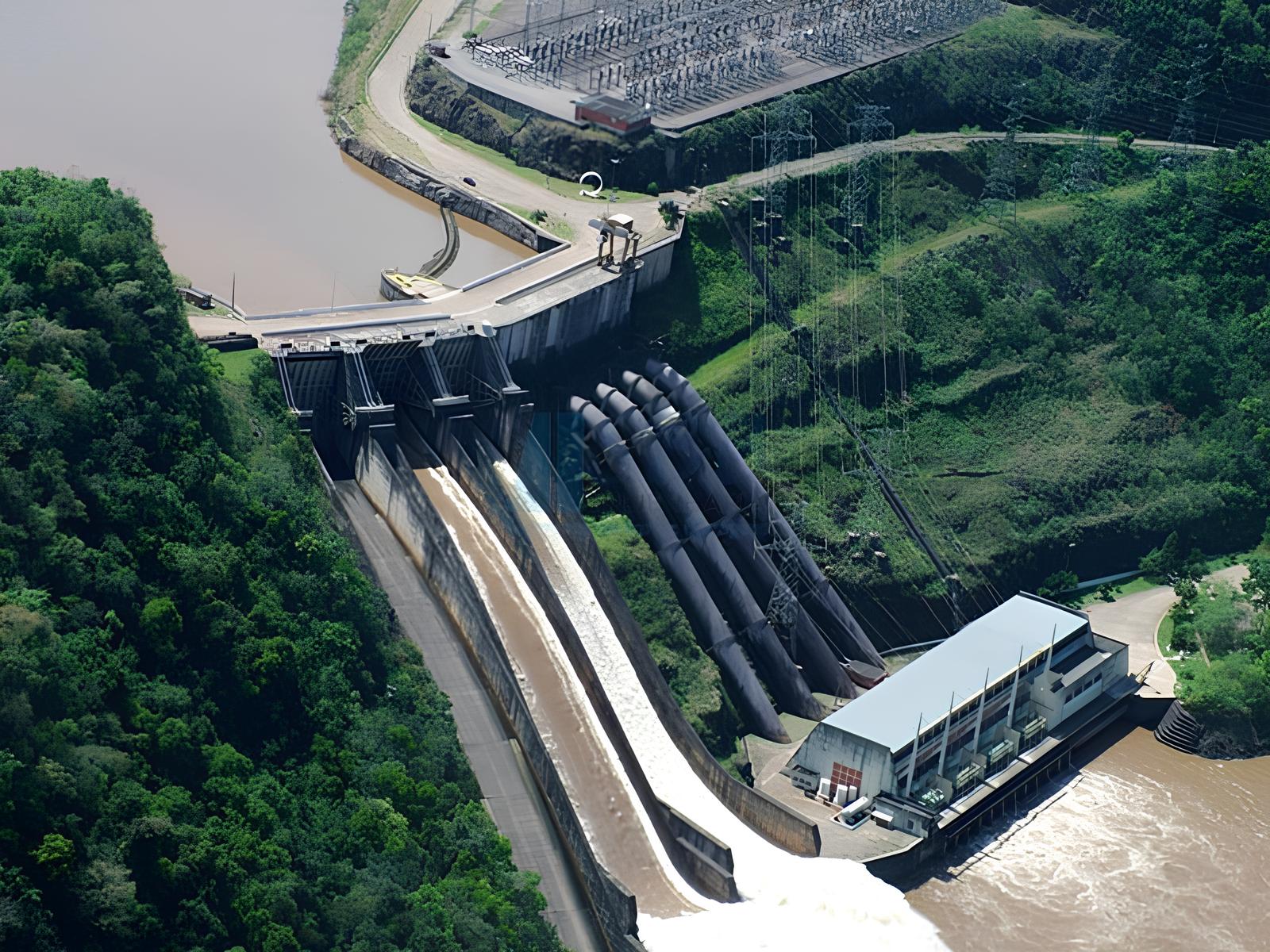


Largest Reservoir in Rio Grande do Sul, the Itaúba Dam Stores Over 1 Billion m³ and Transformed the Region by Flooding Agricultural Areas and Defining the Rhythm of Irrigation.
In the interior of Rio Grande do Sul, there is a reservoir that few people outside the region know, but whose importance is decisive for agriculture, energy generation, and the water stability of the state. This is the system formed by the Itaúba Dam, on the Jacuí River, responsible for creating the largest artificial body of water in the state, with a capacity of over 1 billion cubic meters. In a region where the climate alternates between periods of intense floods and severe droughts, this colossal volume acts as a kind of water reservoir, storing, releasing, and regulating the water that supplies rivers, crops, and power plants.
Originally built to integrate the hydroelectric complex of the Jacuí System, the dam profoundly changed the surrounding territory. Vast agricultural areas were flooded during the formation of the reservoir, displacing families, altering the landscape, and reorganizing the local economy. At that time, farmers reported the loss of entire fertile lands, replaced by a body of water that extends for miles. The reservoir has since become a permanent part of the scenery — an impressive body of water that dominates the horizon and directly influences the productive cycle of the region.
The Reservoir That Became the Backbone of Irrigation in Rio Grande do Sul
The size of the artificial lake means it plays a central role for Rio Grande do Sul’s agribusiness, especially for crops sensitive to water fluctuations, such as rice, soy, and corn.
-
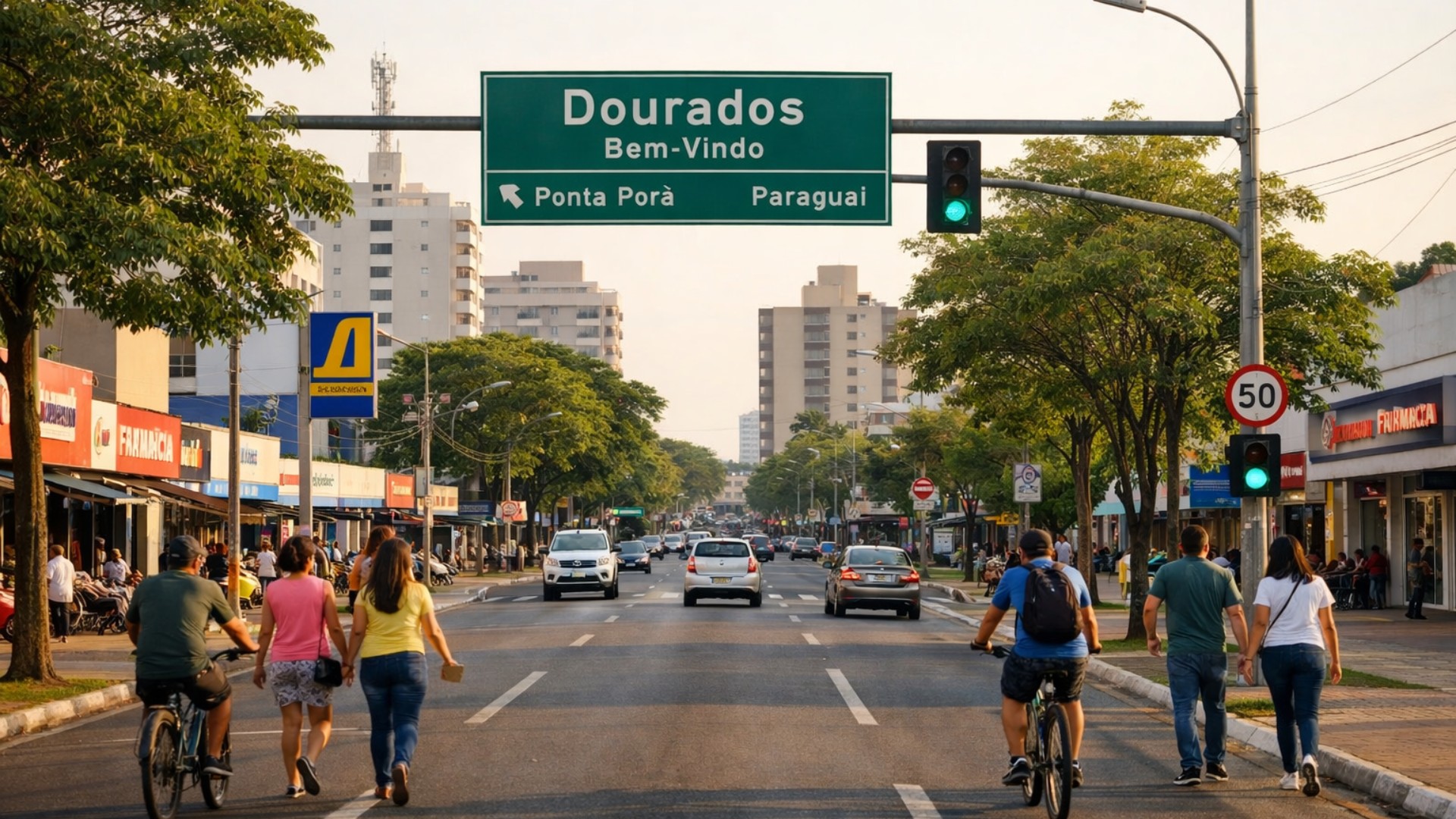
Brazilian city neighboring Paraguay becomes a ‘magnet’ for people seeking quality of life and high standards with exceptional growth and commutes of up to 15 minutes.
-
A rare storm transformed part of the Gulf into an unlikely scene of hail, extreme rain, and tornado risk in the middle of the desert, with volumes that exceeded the annual average in a single day.

-
Brazil catches the world’s attention with ships powered by ethanol and biodiesel that have lower emissions, an unprecedented certification with advantages in chartering, and a revolution in cabotage.

-
A couple who only has Sundays free has built a hand-dug pool, a hamburger joint, a dance hall, and a playground in their own home without hiring a mason, and even with breaks due to accidents and the pandemic, the work has never truly stopped.


In years of severe drought, when smaller rivers reach critical levels, the water retained in the reservoir ensures part of the supply that keeps thousands of hectares irrigated.
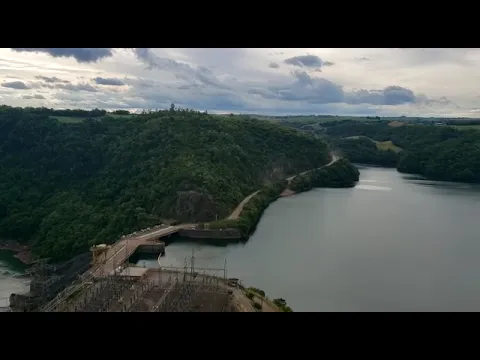

The presence of the lake also supports the continuous operation of the Jacuí hydropower plants, which depend on regulated flow to maintain energy production. In periods of heavy rain, the dam acts as a buffer, reducing the impact of floods and protecting riverside communities.
It is a balance point between availability and containment, an infrastructure that, invisible to many residents of Rio Grande do Sul, silently supports a large part of the state’s water logistics.
A Project That Shaped Cities and Redrew the Map
The formation of the reservoir profoundly altered the layout of roads, rural accesses, and productive areas. Places that once had compact agricultural communities gave way to the new body of water, and old routes were replaced by diversions around the shore.
There are reports of old houses, mills, and small churches that completely disappeared under the lake, whose levels vary according to the rainfall regime and the management operated by the hydropower plants.
Municipalities in the surrounding area have had to adapt to a new landscape and also to new logistical challenges. At certain times, when the reservoir is fuller, small crossings become submerged, requiring longer routes for the transportation of production and the movement of rural families. Conversely, tourism and fishing opportunities have emerged, slowly gaining momentum in the local economy.
An Aquatic Giant Strategic for the Future of Rio Grande do Sul
In recent years, Rio Grande do Sul has been going through increasingly noticeable cycles of extreme weather — prolonged droughts, more intense storms, and direct impacts on agricultural production. In this context, the Jacuí system reservoir becomes even more relevant.
It serves as strategic storage, essential for facing drought periods and ensuring stability in the supply of water and energy.
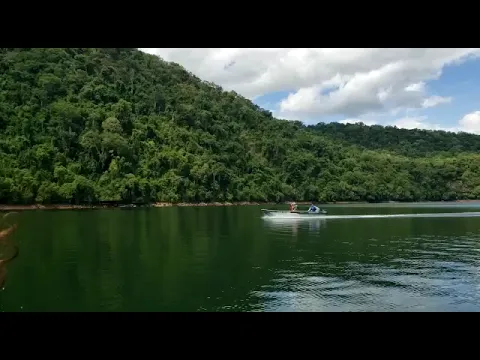
Furthermore, studies conducted by state and federal agencies have been reinforcing the need to expand the monitoring of flooded areas and evaluate their capacity in the face of climate changes that alter the rainfall regime of the state.
Maintaining the reservoir operating within safe limits means preserving both the integrity of the dam and the water security of millions of residents of Rio Grande do Sul.
A Silent Colossus That Shapes the Territory
Almost invisible to those living in large cities, the largest reservoir in Rio Grande do Sul is a silent giant whose presence determines whether rice fields will be harvested, whether the hydropower plants will have sufficient flow, and whether the productive cycle of Rio Grande do Sul will endure another year of climatic irregularities.
The waters of the Itaúba Dam, contained by the Jacuí system, are today more than a mirror covering ancient agricultural lands; they are the structure that ensures water resilience, energy, supply, and productive capacity in one of the most important states in the country.
A reminder that, behind the crops that feed Brazil, there is always a reservoir capable of deciding the future of the entire region.








Brasil precisa tanto de água em certos estados .poderiam criar um meio capitar um pouco dessa água para o povo q já a anos sem chuva
Boa, mas o Rio Grande do Sul precisa dragar e recuperar todos os seus rios..
Sabem nada do que estão falando.
Trata-se da UHE Passo Real, com área alagada de 24.000 km2 e uma orla de mais de 700 km.
Inaugurada em 1973.