





 Portuguese
  English
  Spanish
 5 min of reading
  0 comments


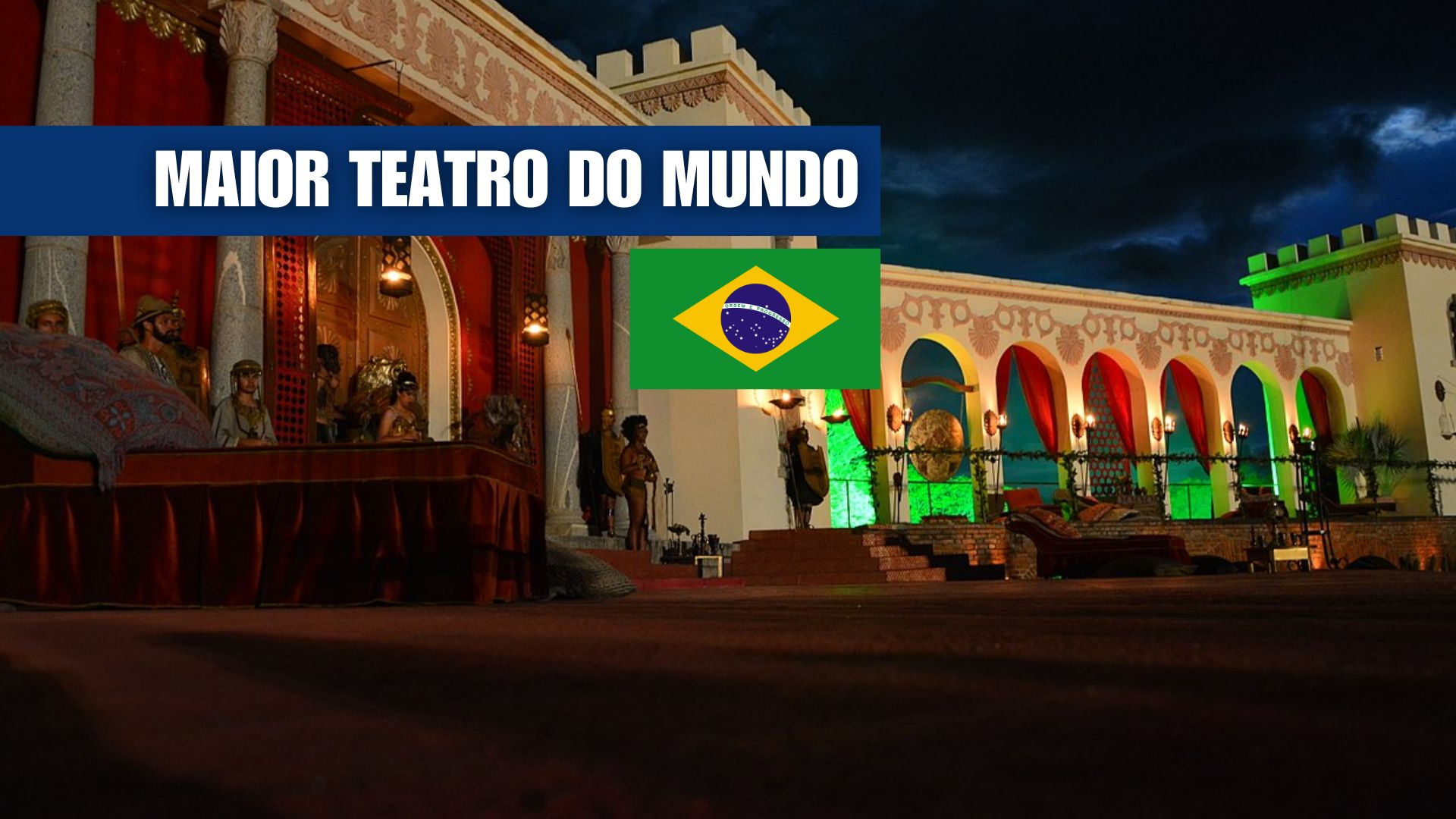
In the Agreste of Pernambuco, a walled city of 100 thousand square meters houses a spectacle that transforms landscape, tourism, and architecture. The location, surrounded by walls and towers, reveals a unique grandiosity in the world theater.
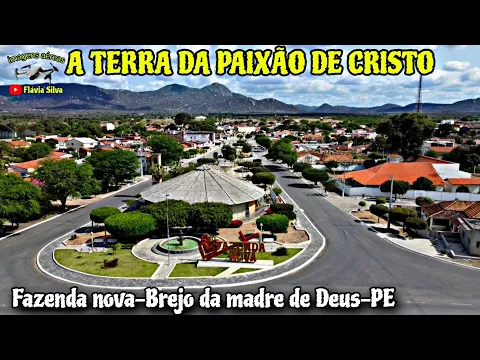
Built in the district of Fazenda Nova, in Brejo da Madre de Deus (PE), the scenic complex of Nova Jerusalém is recognized for housing the largest open-air theater structure in operation in the world.
Designed for the annual performance of the Passion of Christ, it occupies 100 thousand m² and is surrounded by walls measuring 3.5 km in length, with 70 towers standing four meters high.
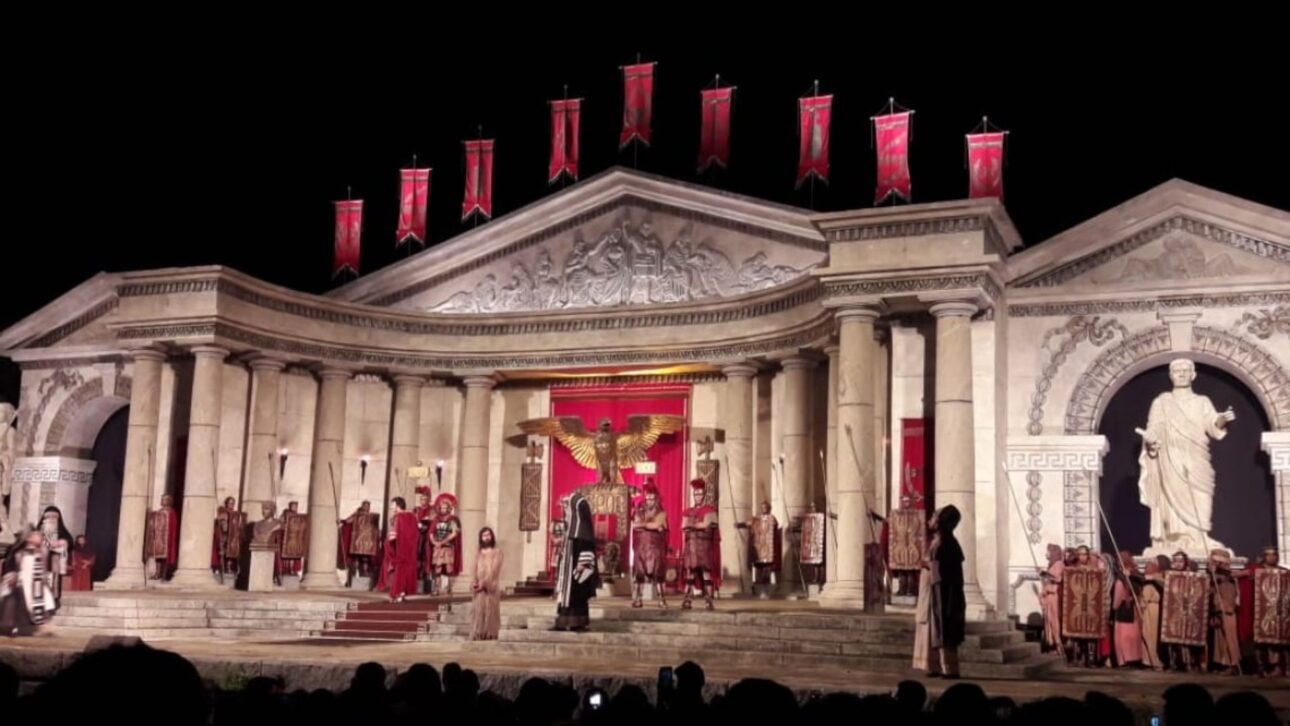
The theater-city brings together nine permanent audience stages, designed so that the audience can follow the story’s scenes in sequence.
-
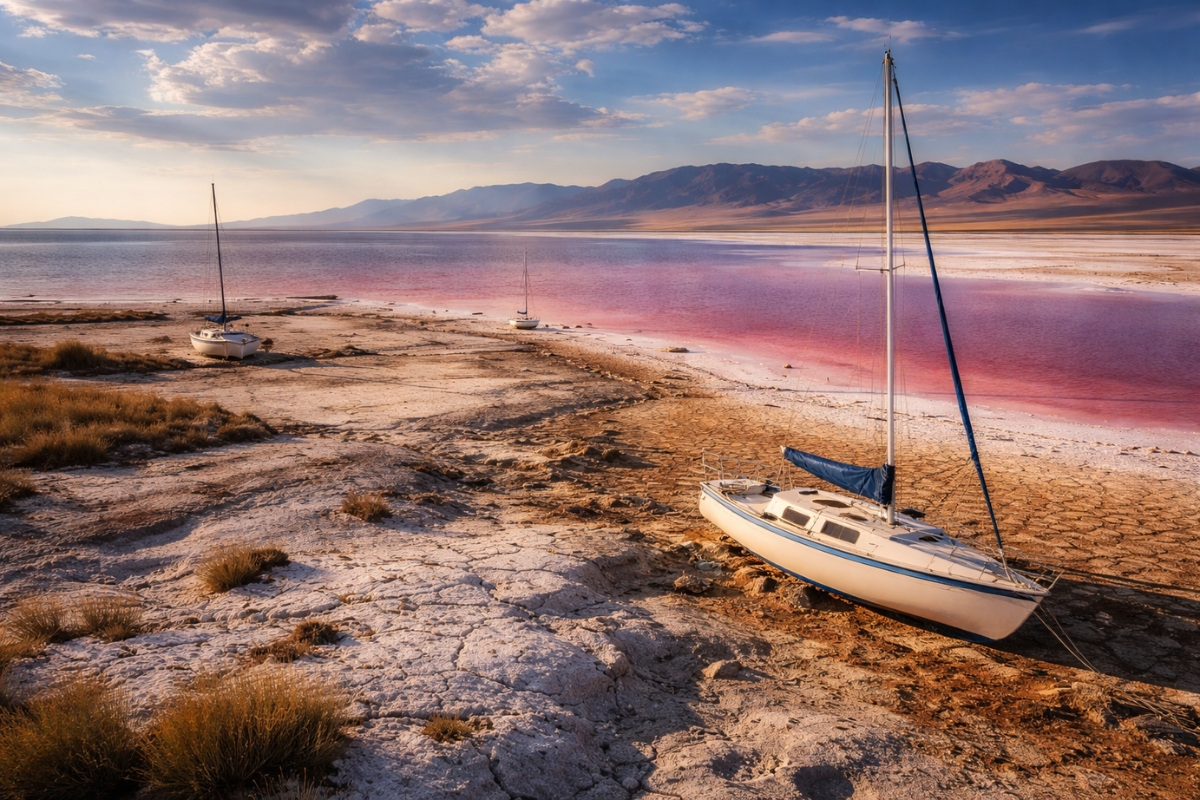
One of the most important lakes in the United States for birds, the balance of nature, and the climate has dried to historic levels, leaving boats stranded, revealing salt flats, and showing how the lack of water can transform an entire landscape.
-
It’s not Cristiano Ronaldo or Messi: the richest football player in the world is only 27 years old, has a fortune of 100 billion reais, and is the nephew of a sultan from an Asian country that few people know about.

-
At 77, the king of one of the most famous and powerful crowns on the planet is said to be under pressure to leave the throne, while behind the scenes there are already talks of a new coronation that could cost R$ 260 million.

-
Chinese researchers have created bamboo drones that fly with the same precision as conventional models and have released the flight control software for free to the entire world in a technology that could revolutionize sustainable aviation.


Theater-City in Monumental Scale
More than an adapted amphitheater, Nova Jerusalém was planned as a scenic urban equipment with fixed infrastructure.
The audience stages are distributed across spaces that simulate temples, squares, palaces, and courts, as well as lakes and courtyards, composing a continuous route.
This scenic engineering prioritizes visibility and acoustics in open areas, allowing for large audiences without the need for large temporary structures.
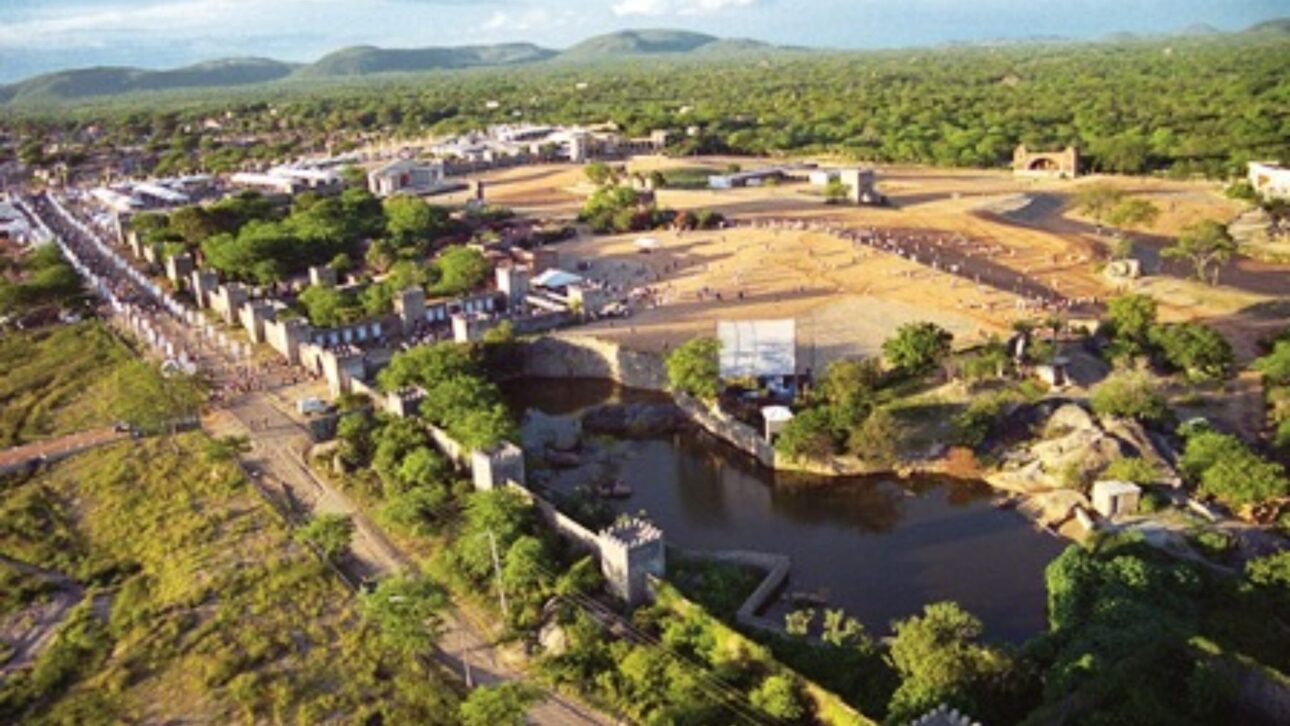
The perimeter wall organizes circulation and defines the “city”.
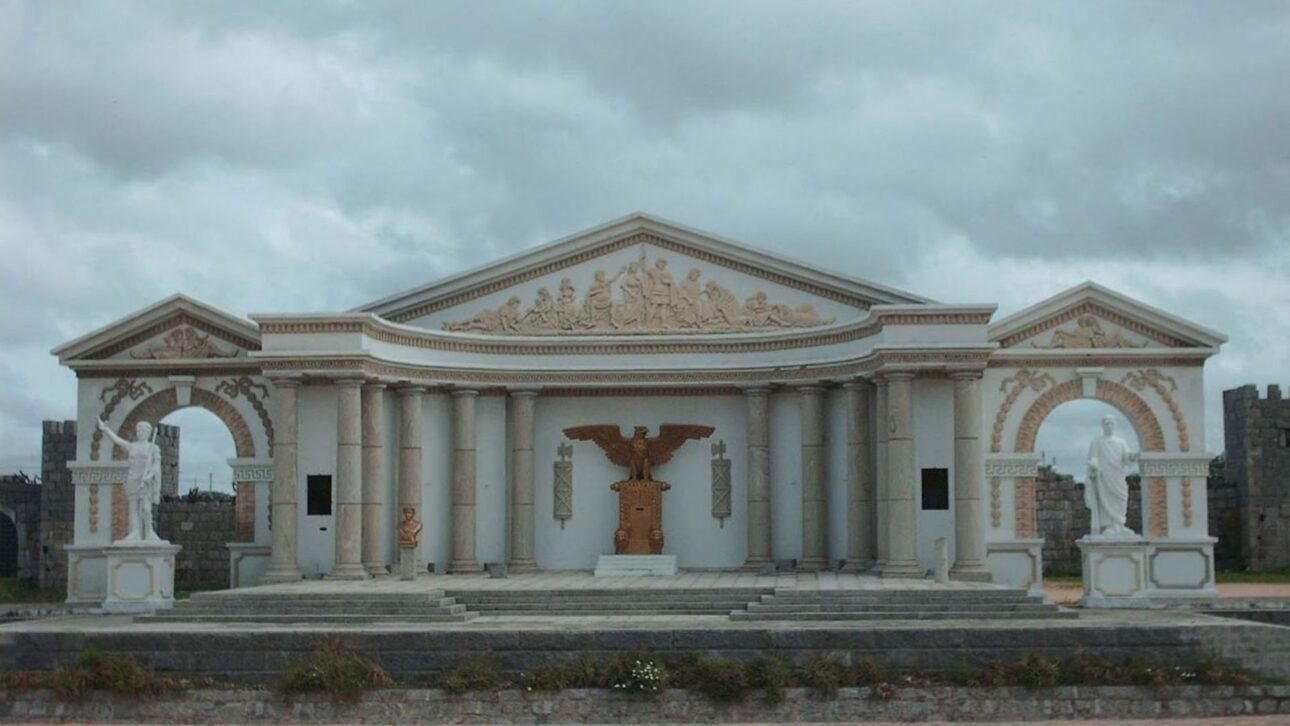
The seven-meter towers and controlled access help maintain the flow between scenes, while the segmentation of the audience by environment avoids sound overlaps.
The result is a sequenced operation, where each scene takes place in its own space, and the movement of the spectator is part of the narrative.
How the Project Started
The experience was born in the streets.
Residents of Fazenda Nova staged the Drama of Calvary during Holy Week from 1951 to 1962, attracting attention from the Agreste.
In 1968, the first season took place in the already built complex of Nova Jerusalém.
The idealizer was the producer and set designer Plínio Pacheco, who was responsible for articulating the concept of theater-city and bringing together professionals from architecture and performing arts in the Northeast to create permanent sets.
The production and management of the spectacle are carried out by the Fazenda Nova Theatrical Society (STFN).
Annual Operation and Audience
With a fixed calendar during Holy Week, the production combines local casts and invited artists.
The recurrence has established the complex as a reference for open-air theater, with tickets sold in advance and support services scaled for periods of high demand.
By operating with a stable structure, the organization maintains standards for setup, rehearsal, and audience service that are repeated annually, contributing to the consistency of the event.
Architecture Serving the Scene
The urban-scenic design allows for large-scale images.
Raised passages, balconies, courtyards, and bodies of water create depth and provide space for mass scenes without loss of legibility.
Environments like the Forum of Pilate, the Temple, and the palaces function as real sets, eliminating the need for painted backdrops and ephemeral elements common in touring productions.
The material permanence of the spaces is a differential: there, the city is the stage, not the other way around.
Technique and Integrated Backstage
To manage the scale of the open-air setting, the structure combines distributed sound systems, stage lighting for large areas, operational walkways, and support zones integrated into the backstage.
Each audience stage is designed with a scene layout and audience accommodation, which reduces setup and takedown between performances.
The logistics foresee coordinated movements, ensuring that the narrative progresses from one environment to another with rhythm and clarity.
Why It Is Considered the Largest
The uniqueness of the ensemble lies in the sum of usable area, walls, and multiplicity of stages within an enclosed space designed exclusively for an annual spectacle.
This is not an adapted stadium nor modular bleachers.
It is a permanent complex, conceived for the Passion of Christ, with 100 thousand m² walled and nine scenic environments that function seamlessly together.
This design, combined with decades of regular seasons, sustains public recognition of its superlative status.
Impact on the Agreste and Access
The event drives the regional economy each season.
Hospitality, food, and transportation reorganize to meet the concentrated demand on performance days.
Nearby municipalities, such as Caruaru, often serve as a base for those who prefer to stay outside Brejo da Madre de Deus.
The main access is from Recife, about 200 km away, with road connections to Fazenda Nova.
The organization centralizes movement and ticketing information, reinforcing the permanent nature of the facility.
Insertion in Cultural Routes
The Agreste of Pernambuco has been strengthening itineraries of cultural and religious tourism that include Nova Jerusalém alongside other attractions in the state.
The open-air settings facilitate reconnaissance visits, research, and audiovisual records throughout the year, although the peak audience concentrates during Holy Week.
Since it is a permanent scenic complex, access follows rules of preservation and use defined by management to ensure the durability of the structures in the semi-arid climate.
Visual Language and Audience Experience

The progression through contiguous scenarios creates an immersive experience.
The spectator follows the story of Jesus in urban-scale environments, with relationships of proximity and distance that vary by scene.
The visual reading is supported by the architecture, which organizes frames, entrances, and exits, as well as the technical resources distributed throughout.
This combination allows the spectacle to maintain rhythm, understanding, and visibility without setup breaks.
Scenic Heritage of Reference
Over the course of more than half a century, Nova Jerusalém has established a unique identity in the country’s performing arts circuit.
The standardization of spaces, the annual operation, and the permanence of the sets define a rare model of open-air theater on an urban scale.
The Pernambuco theater-city has thus become a singular case of integration between architecture, dramaturgy, and logistics for large audiences, supported by measurable metrics of area, perimeter, and capacity.
Have you visited Nova Jerusalém during Holy Week or do you know another Brazilian scenic space that, due to its scale and permanence, could rival this title?





Seja o primeiro a reagir!