





 Portuguese
  English
  Spanish
  4 min of reading
  2 comments


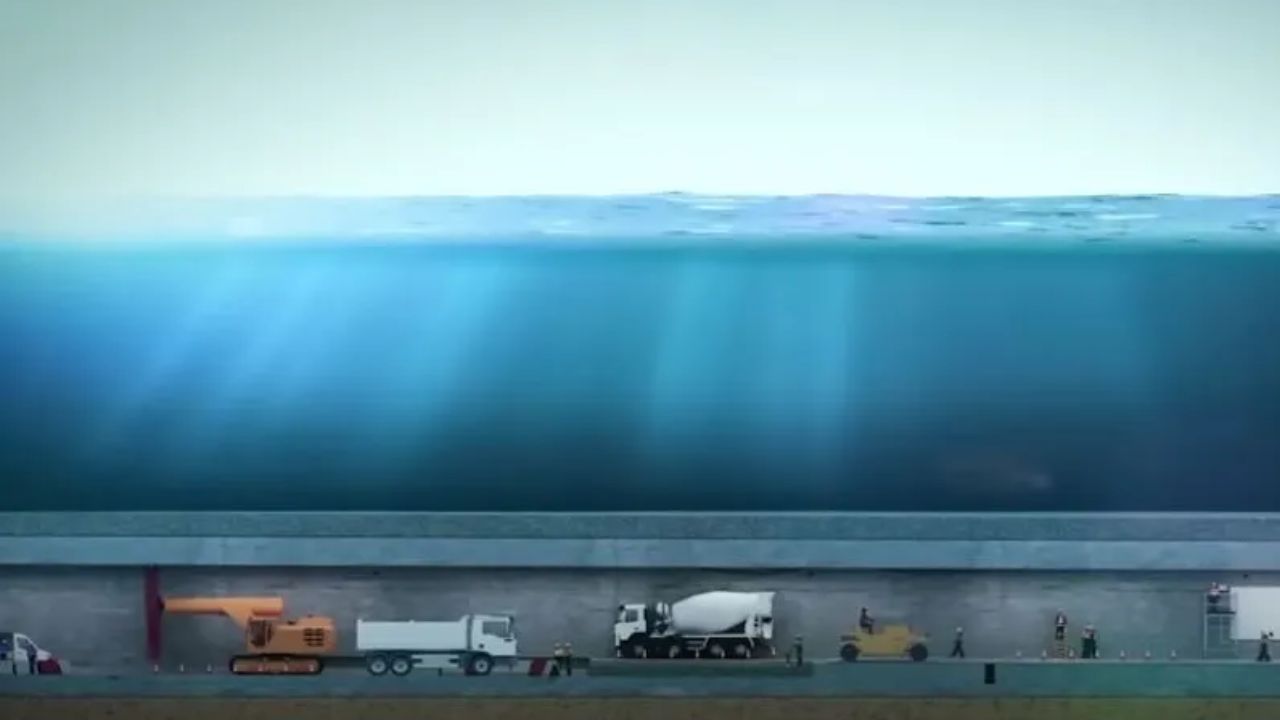


An 18 Km Underwater Tunnel, Made with 89 Giant Blocks, Will Be Submerged at 40 Meters Deep in the Baltic Sea! The Construction Will Reduce Travel Time Between Denmark and Germany to Just 7 Minutes by Train and 10 by Car.
Because that’s exactly what’s happening in Europe! The Fehmarnbelt Tunnel, one of the most ambitious engineering projects of our time, is about to forever change mobility between Denmark and Germany. With an impressive budget of US$ 7 billion, this mega construction will connect the two countries through an 18 km long submerged tunnel, made of 89 precast pieces that will be carefully fitted on the seabed.
What is the Fehmarnbelt Tunnel and Why is It So Important?
Currently, those who need to cross the Strait of Fehmarnbelt have to face a ferry ride that takes about 45 minutes. With the new tunnel, this time will be reduced to just 7 minutes by train and 10 minutes by car. It may sound like a joke, but it’s real!
In addition to speeding up travel for passengers, this work will greatly facilitate the transport of goods, boosting trade between Nordic countries and Central Europe. Today, the train journey between Copenhagen and Hamburg takes 4.5 hours. Once the tunnel is ready, this time will drop to 2.5 hours.
-
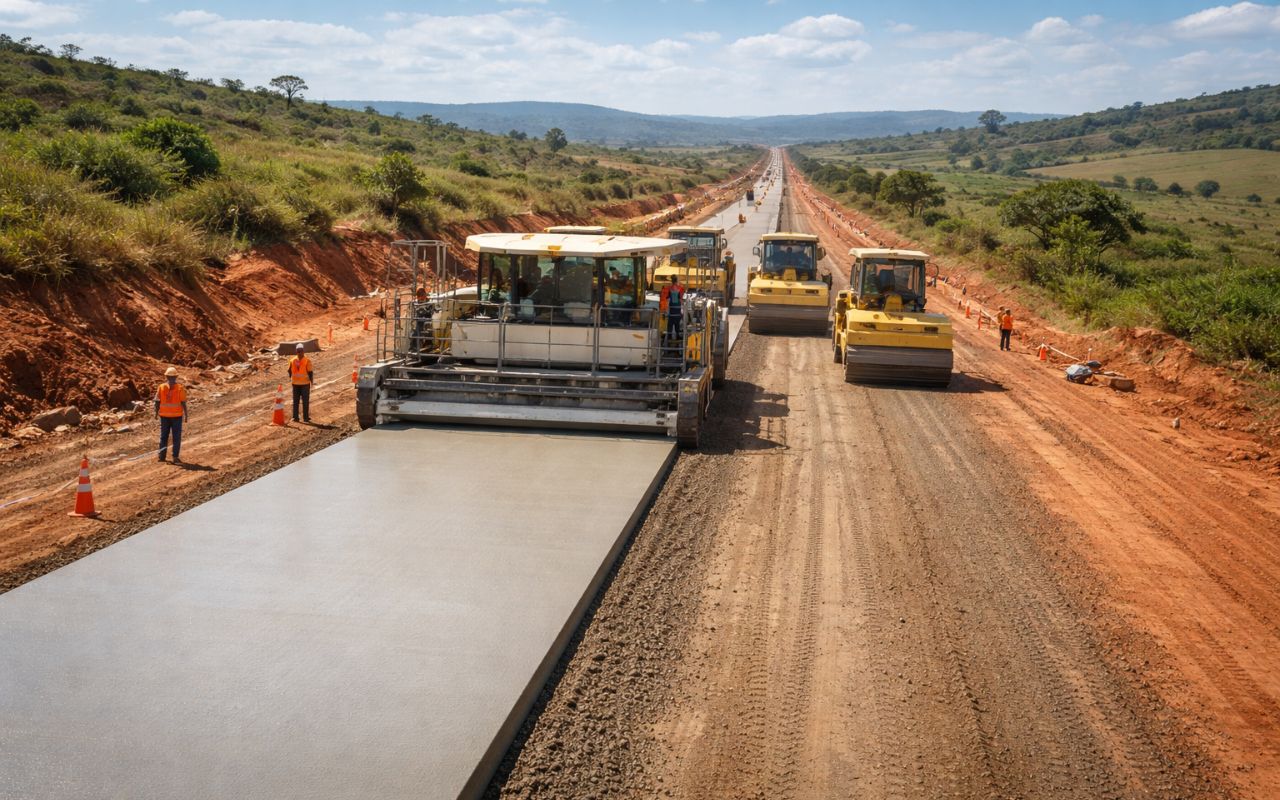
New CCR concrete paving technology promises roads up to 3x more durable, less maintenance, and cost reduction in Brazil.
-
Made from recycled plastic, plastic wood is gaining space in the construction industry because it does not rot, resists moisture, and reduces maintenance costs over the years.

-
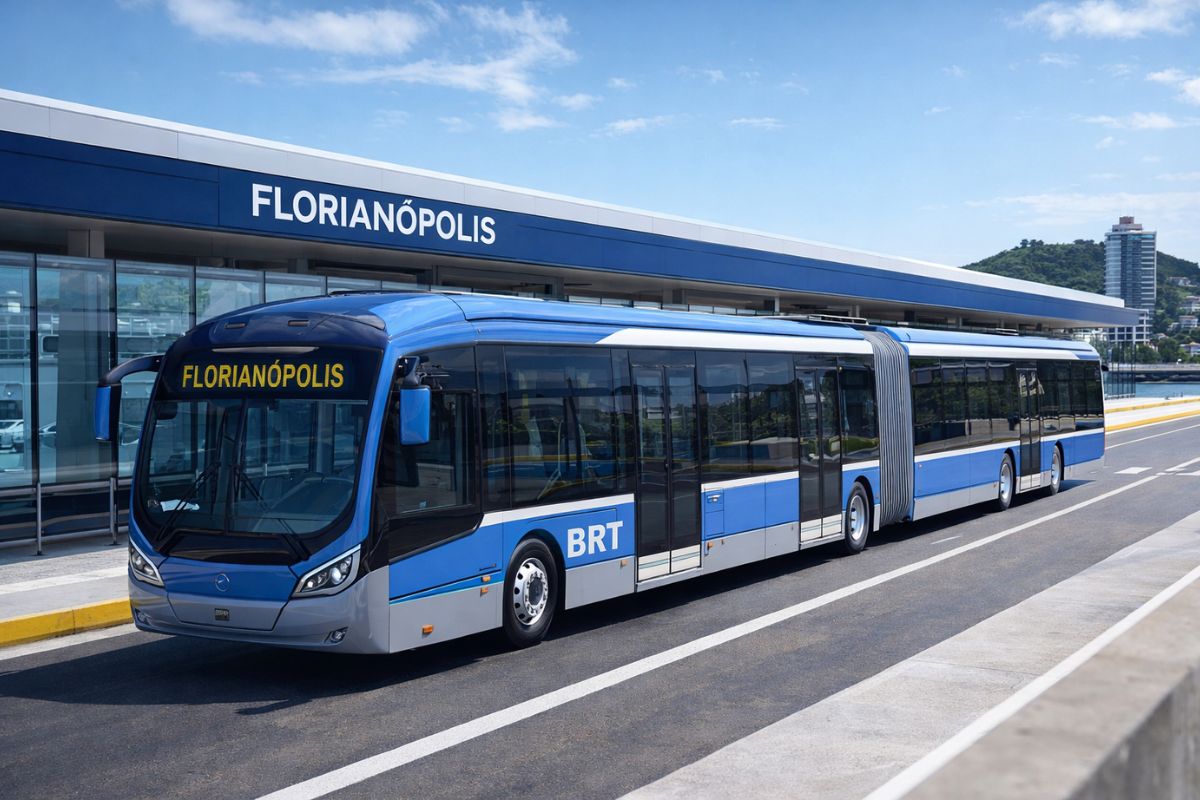
Florianópolis will receive a million-dollar BRT that will begin construction in 2026 with nearly 400 million in funding from the federal government and the Inter-American Development Bank, and the map already shows the routes for the exclusive bus corridors.
-
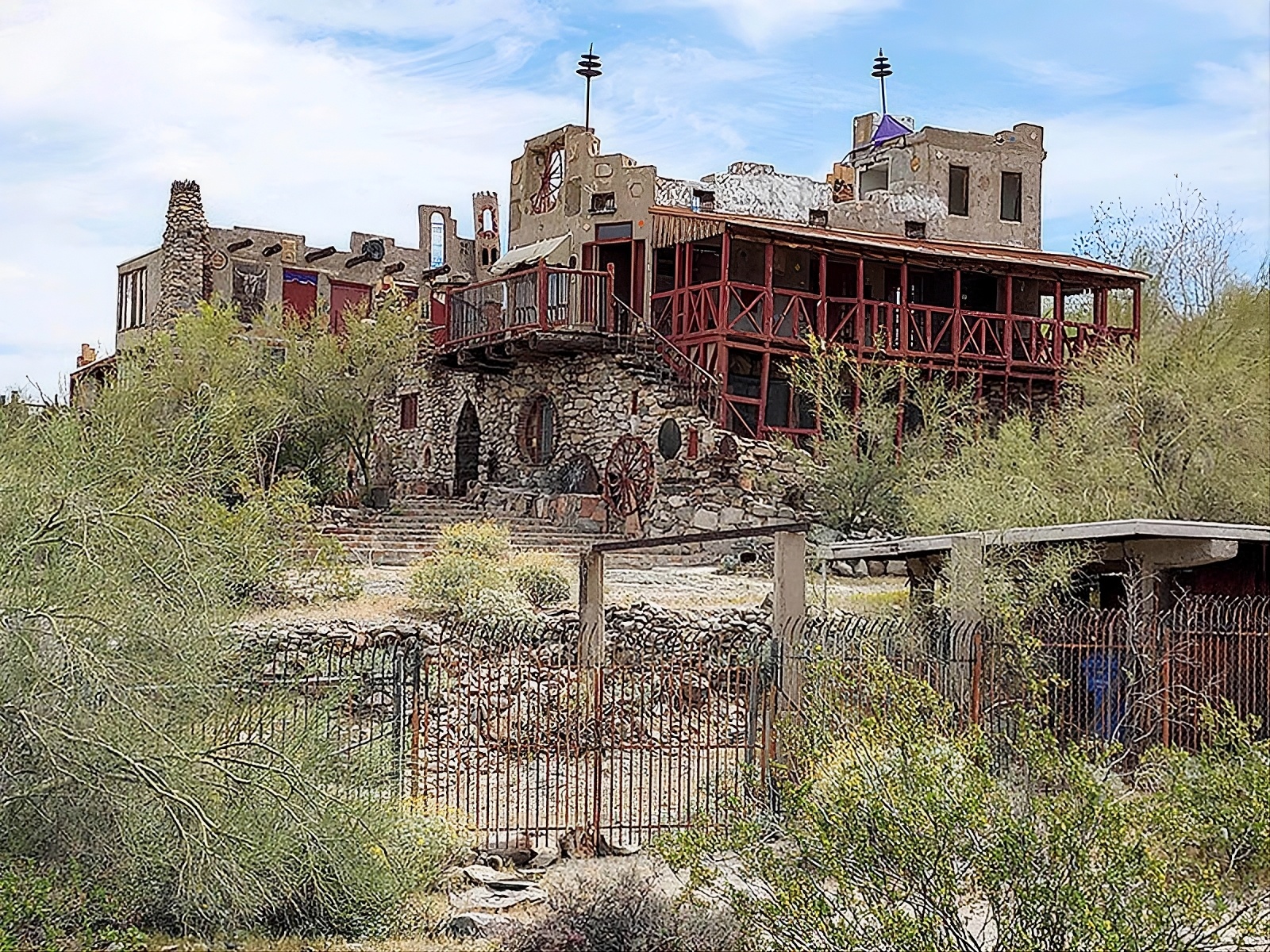
Without a blueprint, without an engineer, and using scrap from the dump, a father spends 15 years building an 18-room castle for his daughter, featuring tram tracks, 13 fireplaces, and over 700 m², which may now be demolished.

And it doesn’t stop there! Besides being an incredible advancement in mobility, the project has also been designed to reduce environmental impacts, decreasing the use of ferries and, consequently, pollutant emissions.
The Construction of the World’s Largest “Lego” Underwater Tunnel

Now, let’s talk about the craziest part of this project: the construction. Forget those giant machines that drill the sea floor! Here, the engineering has adopted a completely different approach.
The tunnel is being assembled like a huge puzzle, with 89 gigantic blocks, each weighing an astonishing 73,500 tons and measuring 217 meters in length (more than two football fields, just to give you an idea).
These pieces are not being made on the sea floor; they are being made on land, inside a factory that was built exclusively for this project. Once completed, each will be transported and submerged at 40 meters deep in the Baltic Sea, where it will be precisely fitted to form the complete tunnel.
Sounds easy? Not even close. Each piece must be positioned with maximum precision, ensuring everything is perfectly aligned. After all, no one wants a crooked tunnel in the middle of the ocean, right?
How the Giant Pieces of the Tunnel Will Be Submerged in the Baltic Sea
Well, if you were already impressed by the size of the blocks, wait until you find out how they will end up down there.
Each of these colossi will be carefully sunk in the sea and positioned with an absurd level of precision. To ensure that water doesn’t invade prematurely, the blocks will feature watertight seals called “bulkheads,” which will only be removed once all sections are fitted and sealed.
And check out this brilliant move: this method prevents the seabed from being excavated, reducing environmental impact and preserving the marine ecosystem. The project also included measures to reduce construction noise, as loud sounds can affect marine life.
In other words, besides being innovative, the tunnel is also being built with ecological awareness.
Benefits of the Fehmarnbelt Tunnel for Europe
Now, let’s talk about what this project will bring good when it’s ready:
✔ More speed and efficiency: no more wasting time waiting for the ferry! The journey will be much quicker and more practical.
✔ Less pollution: with fewer ferries operating, there will be a huge reduction in CO₂ emissions.
✔ More agile commerce: the transport of goods will become much more efficient, boosting the economy between the countries.
✔ Less environmental impact: all planning has been done to minimize damage to marine life.
And of course, the tunnel also represents a milestone in the European Union, strengthening the connection between countries and showing how engineering can be used to unite people.
When Will the Tunnel Be Ready and What Will Be the Future Impact?
If everything goes as planned, the Fehmarnbelt Tunnel is expected to be inaugurated in 2029. And when that happens, it will break records!
Currently, the largest underwater tunnel in the world is the Øresund Tunnel, which connects Denmark and Sweden and is 7.8 km long. The new tunnel will be more than double that size, setting a new standard for this type of construction.
Moreover, the project is not only being seen as a tunnel, but as a symbol of innovation and international collaboration. After all, connecting two countries through the seabed with giant concrete pieces is not something you see every day!








Lá toda obra de infraestrutura é permitido.
Já aqui, tudo é proibido 🔕 até a barulho das máquinas e dos operários prejudica o meio ambiente.
Acho que esse tunel vai perder recorde logo, ele perdera **** pro tunel guaruja santos, proporcionalme ele perde **** em tempo de construção e custo… por metro.. rsrs