





 Portuguese
  English
  Spanish
  5 min of reading
  0 comments


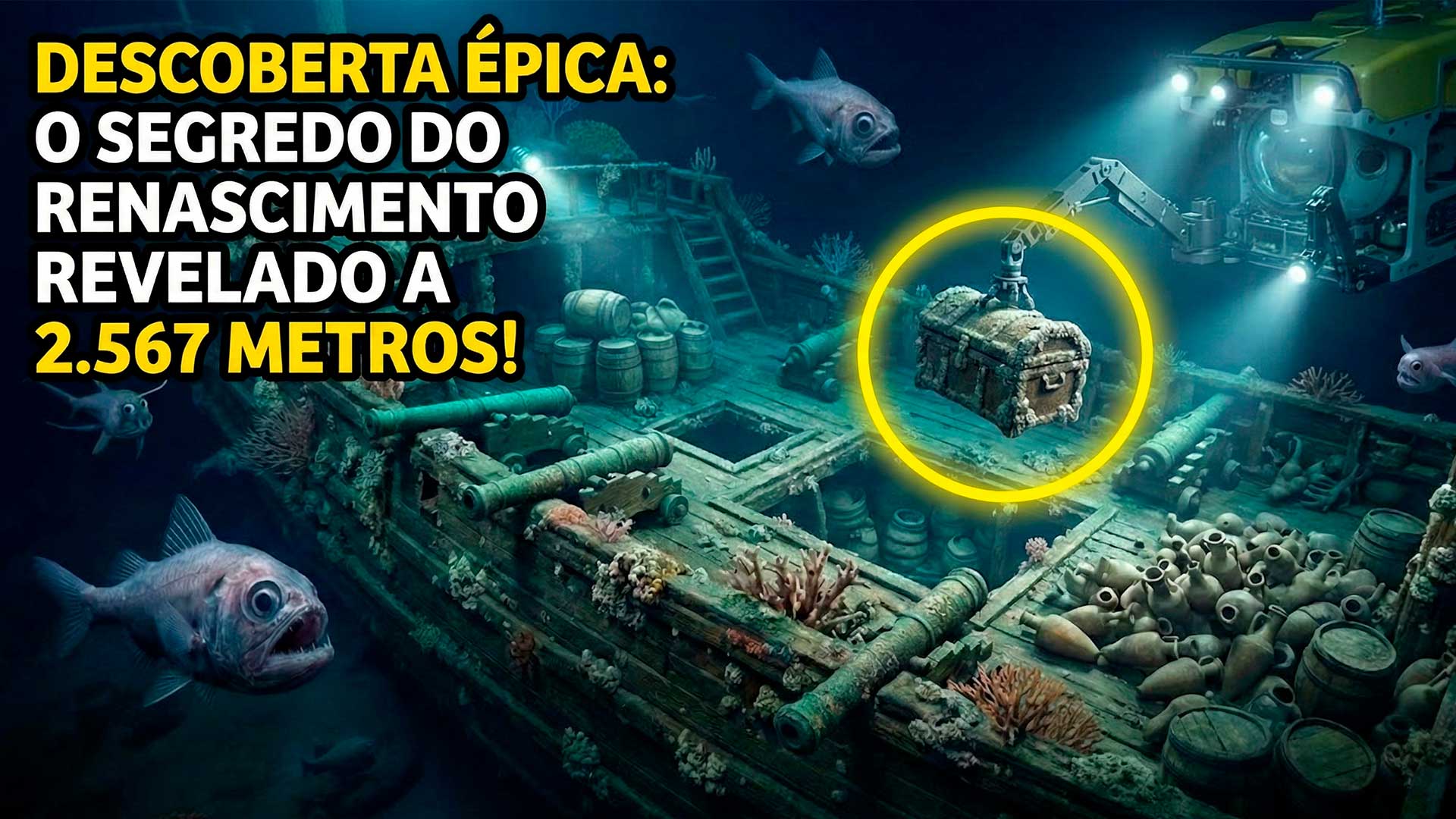
A Shipwreck Near Saint-Tropez, Preserved as a Time Capsule, Reveals a Cargo of Ceramics and Metals and Tests the Limits of Underwater Archaeology
More than 2,567 meters deep in the Mediterranean Sea, French archaeologists and military personnel identified a 16th-century shipwreck in an unusual state of preservation. The merchant vessel, measuring about 30 meters in length, was located off the coast of Ramatuelle, in the Saint-Tropez region, and has been given the provisional name Camarat 4.
According to Drassm, the French body responsible for underwater archaeology linked to the Ministry of Culture, the site functions as a time capsule. The absence of light, low temperature, and stability of the abyssal environment helped preserve objects and parts of the structure practically as they were at the time of sinking.
The discovery was made during a seabed monitoring mission conducted by the French Navy, which detected an anomaly on sonar and returned to the site with cameras and underwater robots. Later, archaeological teams analyzed high-definition images to confirm it was a Renaissance trading vessel.
-
The Argentine government celebrates the lowest poverty rate in 7 years, but experts warn that the methodology has changed, real wages have fallen, unemployment has risen, and the number of people on the streets of Buenos Aires has increased by 57% since Milei took office.

-
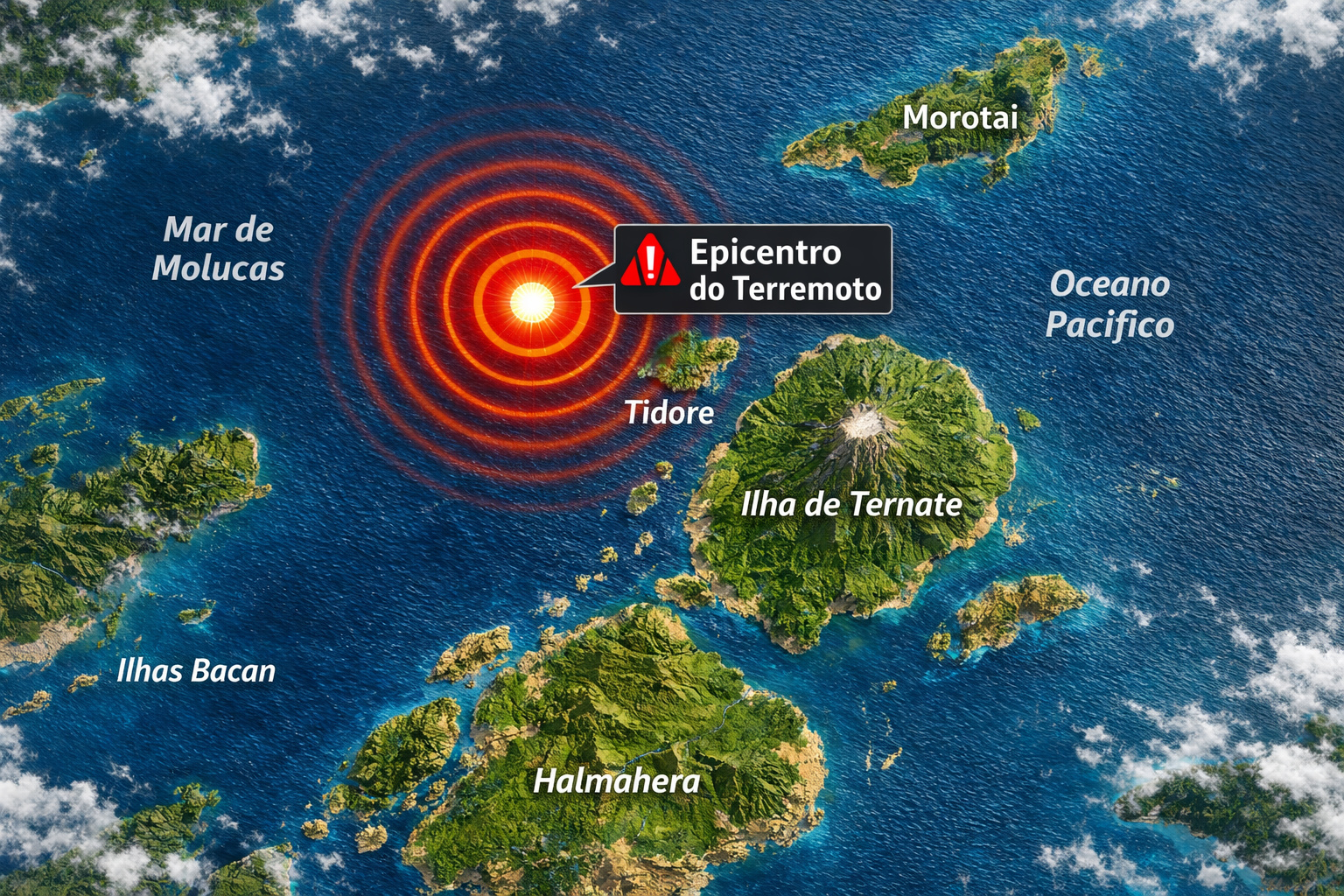
7.8 magnitude earthquake in Indonesia frightens the population, triggers tsunami alert, and hits an island with over 200,000 inhabitants this Thursday.
-
Google will finally let you change that embarrassing Gmail address you created in your teenage years without losing any accounts, logins, or old emails: the feature is already available in the United States.

-
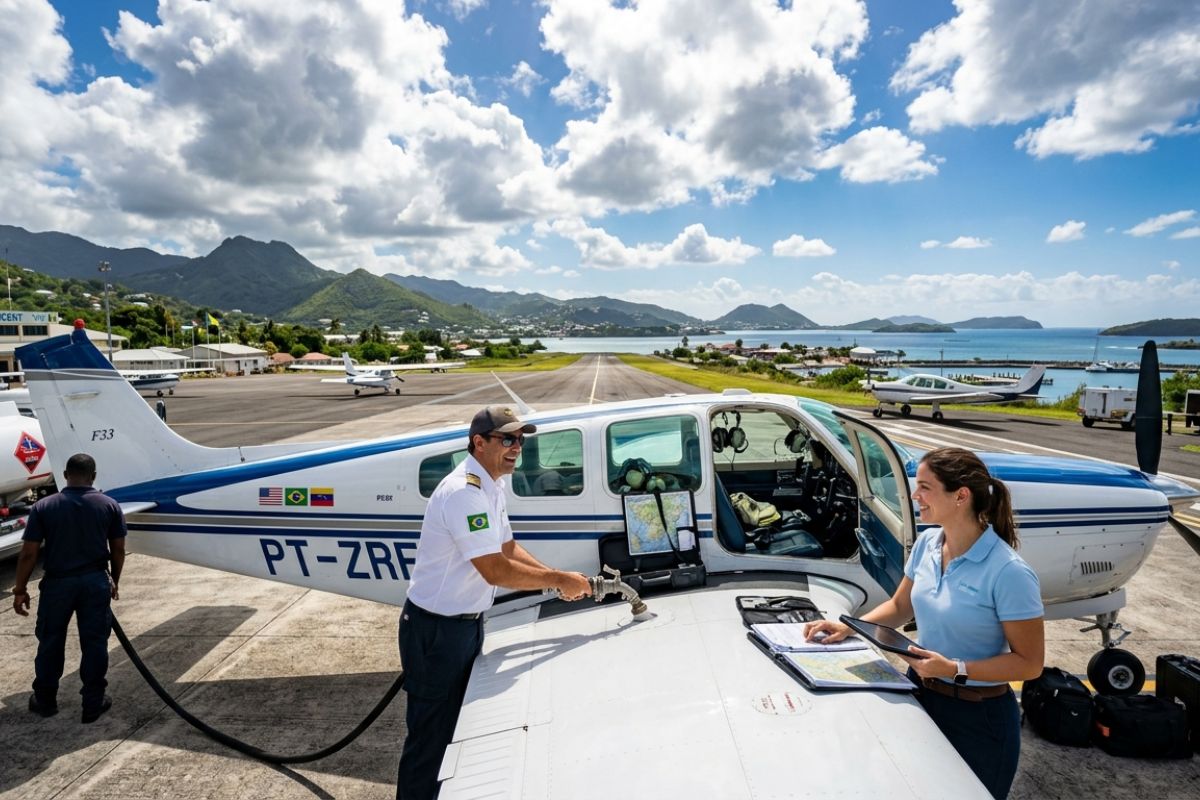
Heading to Brazil in a Bonanza F33 single-engine aircraft: a couple departs from Florida on a visual flight, makes technical stops in the Caribbean to refuel and organize paperwork, and begins the staged crossing until they reach the country.

In addition to its historical value, the case gained an uncomfortable component. Among the items nearly half a millennium old, researchers also observed contemporary debris, such as packaging and nets, indicating that pollution reaches even deep zones.
Where the Ship Was Found and Why the Depth Is So Rare
The Camarat 4 rests in a section of the Mediterranean historically traversed by trade routes, near the Gulf of Saint-Tropez. The depth is one of the central reasons for the impact, as it limits direct human access and demands cutting-edge technology for any recording.
According to reports released after the announcement, the shipwreck was accidentally located in March 2025 and publicly announced in June of the same year. This interval allowed for technical validation and an initial diagnosis of the site before the international exposure of the case.
In practice, this level of depth places the site in a range where archaeology depends more on engineering, robotics, and digital mapping than on traditional diving. Therefore, the find is not just another shipwreck; it repositions the limits of what is feasible to study on the seabed.
Preserved Cargo Reveals Trade and Faith in the Renaissance Mediterranean

The images of the interior and surroundings of the ship show a rare collection of items for the period. Among the already identified finds are about 200 decorated ceramic jugs, as well as approximately 100 stacked plates, suggesting organized transportation of fragile goods.
Experts point out that some of these ceramics are compatible with production from the Liguria region in northwest Italy, an area with a tradition of earthenware and maritime trade. Some jugs bear symbols and religious monograms, such as the IHS mark, often associated with Christian representations in early modern Europe.
In addition to ceramics, there are indications of trade in heavy materials. Metal bars and elements associated with navigation and life aboard were observed, such as utensils, cooking vessels, and instruments that can help reconstruct crew routines and consumption patterns.
The presence of cannons and ammunition is also noteworthy, not necessarily indicating combat, but being compatible with the need for defense on routes vulnerable to attacks and piracy. In reports about the case, archaeologists highlighted that, so far, there are no clear signs of battle, and the cause of the sinking remains uncertain.
This combination of cargo, armament, and everyday items is what gives the Camarat 4 the potential to change archaeology in a practical sense. It offers a detailed snapshot of trade and materiality in the 16th century with minimal human interference since the shipwreck.
Deep Water Technology Made It Possible to See Without Touching
The common thread in the reports about the operation is the strategy to reduce physical contact with the site. Remotely operated underwater vehicles and sonar sensors allowed for finding the structure, returning to the location, and documenting everything with increasing precision.
To transform the images into science, the team intends to produce a complete digital record, using photogrammetry and three-dimensional reconstruction. The goal is to create a scale model of the shipwreck, capable of showing the distribution of objects and guiding future analyses without the need to immediately remove pieces.
This approach also addresses an age-old dilemma in underwater archaeology. Removing objects can save fragile items, but it can also destroy context, and context is part of the evidence. By prioritizing detailed mapping, researchers gain time to decide what, when, and how to collect, preserving as much information as possible.
Modern Waste in the Same Scenario Rekindles Debate About the Deep Sea
One of the most cited aspects in international reports is the presence of contemporary waste near historical artifacts. Among ceramics and metals, items such as bottles, cans, and nets appear, which should not be in such a remote area.
For science, this contrast is doubly revealing. It shows how deep environments can conserve materials for a long time, including trash, and reinforces that the human footprint is not restricted to the coast or the surface.
There is also a symbolic impact. The same technology that allows for locating a 16th-century “museum” in the dark of the Mediterranean highlights a 21st-century issue, putting heritage preservation and environmental preservation in the same frame.
Next Steps May Define a New Standard for Major Discoveries
The immediate step is to refine the site survey and expand the inventory of visible cargo. Based on this diagnosis, Drassm and partners should determine whether there will be selective collection of objects for conservation in a laboratory or if the focus will remain on digital recording and non-invasive analyses.
If removals occur, they are likely to be selective and with strict protocols, as the sudden change in pressure and environment can quickly degrade materials. Even ceramics, which may seem durable, can suffer from salts and microfractures if the process is not controlled.
In the medium term, the combination of robotics, 3D modeling, and management of deep sites may pave the way for new expeditions in areas previously considered inaccessible. And this is where the Camarat 4 becomes a reference, not only for the record but for the method.
Do you think researchers should remove part of the cargo for exhibition and study, or leave everything at the bottom of the sea to avoid damage and looting? With pollution appearing alongside a historical treasure, this debate becomes even more heated. Share your opinion in the comments.









-

-

-

-

-

15 pessoas reagiram a isso.