





 Portuguese
  English
  Spanish
  4 min of reading
  1 comment


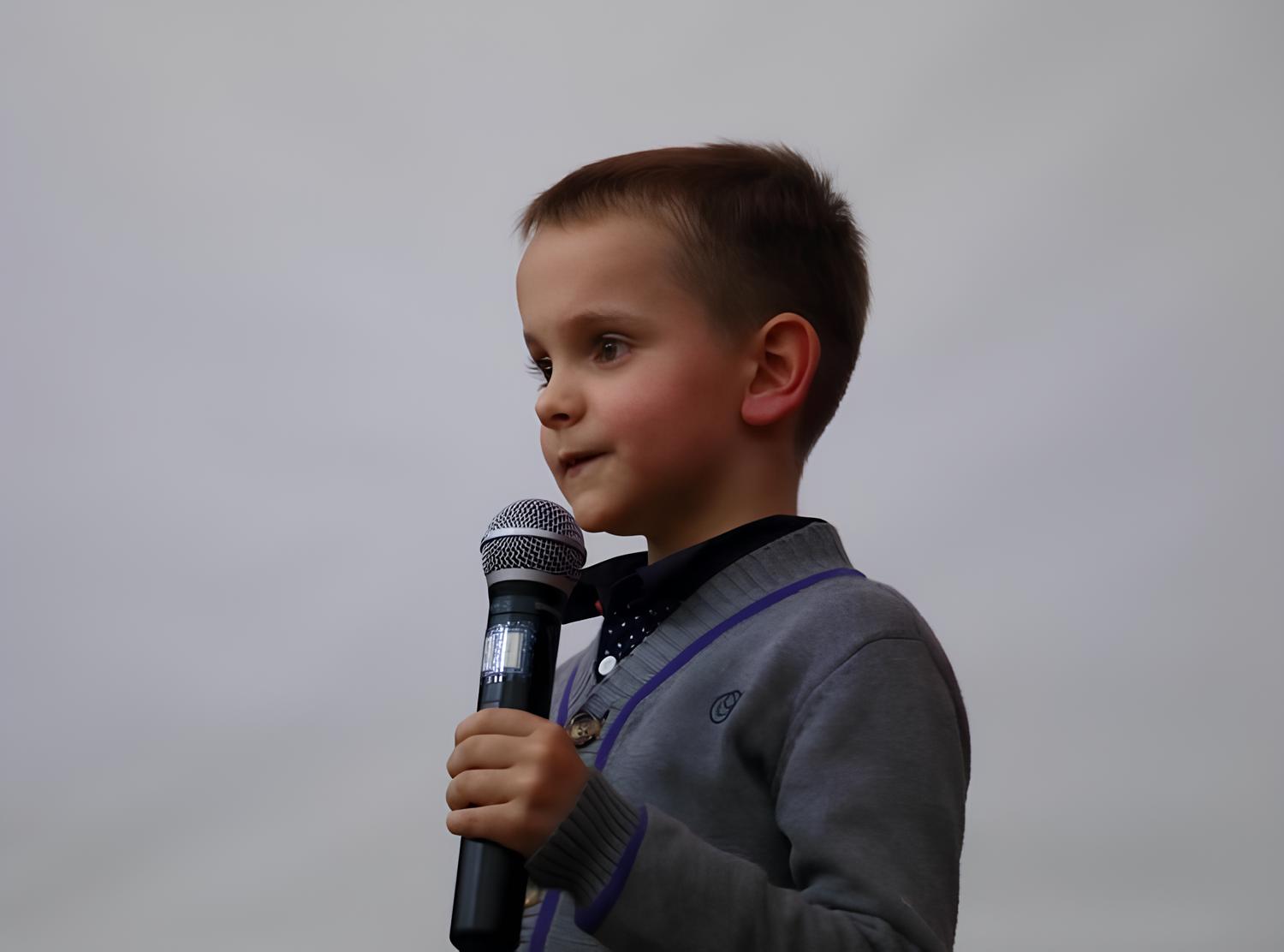


At Six Years Old, Russian Gordey Kolesov Won a Contest in China by Mastering Five Languages and Over 500 Ideograms, Becoming a Global Symbol of Giftedness.
Among the stories that reveal the extraordinary potential of the human mind, few are as impressive as that of Gordey Kolesov, the Russian boy who, at the age of six, already mastered five languages and over 500 Chinese ideograms. Born in Moscow and raised in China, he became a symbol of intelligence beyond conventional standards, conquering the world by winning one of the most prestigious talent contests on Chinese television.
The Boy Who Enchanted China and the World
Gordey Kolesov was born in 2008, in Moscow, and moved as a baby with his parents to Guangzhou, in southern China. His father, a Russian businessman involved in international trade, encouraged his son from an early age to learn different languages and explore new cultures. What began as a childhood curiosity quickly transformed into an extraordinary ability.
By the age of five, Gordey was already able to converse fluently in Russian and Mandarin, as well as understand English and Spanish. In 2014, he participated in a television program in Russia, surprising the audience by reciting Chinese idioms and singing traditional songs.
-
Hidden marks on the walls of the site associated with the Last Supper of Jesus for centuries have been deciphered in Jerusalem, revealing medieval inscriptions left by pilgrims, European nobles, and travelers from the Middle East.
-
One of the most important lakes in the United States for birds, the balance of nature, and the climate has dried to historic levels, leaving boats stranded, revealing salt flats, and showing how the lack of water can transform an entire landscape.

-
It’s not Cristiano Ronaldo or Messi: the richest football player in the world is only 27 years old, has a fortune of 100 billion reais, and is the nephew of a sultan from an Asian country that few people know about.

-
At 77, the king of one of the most famous and powerful crowns on the planet is said to be under pressure to leave the throne, while behind the scenes there are already talks of a new coronation that could cost R$ 260 million.

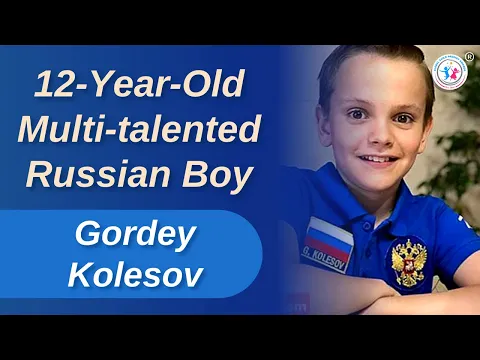

The following year, at the age of six, he won the CCTV Talent Show, on China’s largest network, after impressing judges and the audience with his impeccable mastery of the Chinese language and culture — an unprecedented achievement for a foreign child.
According to experts consulted by the Chinese network, Gordey’s performance is not limited to memorization: he demonstrates semantic and emotional understanding of the languages, something rare even among adult polyglots.
A Polyglot Mind That Defies Logic
Today, even at a young age, Gordey already masters five languages: Russian, Chinese, Spanish, English, and French — and he easily memorizes complex phrases in all these languages. His vocabulary surpasses that of many adults, and his Mandarin pronunciation is considered native.
But it’s not just his linguistic talent that stands out. Gordey also demonstrates advanced logical thinking, with quick reasoning and a great capacity for abstraction. At six, he started playing chess and quickly distinguished himself in children’s competitions, earning the nickname “Little Buddha of Chess” from the Russian press for his calmness and precision during matches.
Neuropsychology researchers point out that Gordey’s case can be classified as an example of early cognitive hyperfunction, a type of giftedness that involves multiple areas simultaneously — linguistic, logical, and long-term memory.
Discipline and Environment Shaped the Prodigy
Despite his natural talent, Gordey’s success is the result of a carefully planned routine by his parents. According to interviews given to Russian and Chinese media, the boy grew up in a bilingual environment, with constant exposure to cultural stimuli and without excessive use of technology.
His routine includes daily reading in different languages, practicing Chinese calligraphy, mental exercises, and meditation. His father, Dmitry Kolesov, often says that his son’s secret is “discipline and natural curiosity,” and that there is no pressure for results, only constant encouragement for learning.
This approach contrasts with the myth that prodigy children live under intense pressure. In Gordey’s case, learning is seen as a game — a fun way to understand the world.
From Chinese TV to International Fame
Gordey’s success on the CCTV-1 program in 2015 marked the beginning of his global fame. During the competition, he impressed millions of viewers by answering complex questions about Chinese culture, Confucian philosophy, and even the history of the dynasties, all in fluent Mandarin.
The video of his performance went viral on Chinese social media, surpassing 20 million views in a matter of days. He became the first foreigner to win the contest, and his victory was celebrated as a symbol of cultural integration between Russia and China.
The Chinese media described the boy as “a linguistic miracle,” and he began to be invited to television programs and educational events. Nevertheless, his parents decided to keep his education away from the spotlight, prioritizing emotional balance and cultural development.
A Symbol of Talent and Human Curiosity
Today, Gordey Kolesov continues studying and practicing languages, but also dedicates time to music, painting, and sports. His case has been analyzed by education and child psychology experts as a rare example of genuine early polyglotism — a combination of genetic predisposition and ideal environmental stimulation.
More than just a prodigy, Gordey represents proof that curiosity and family support can unlock the limitless potential of the human brain. His story has traveled the world and inspires families, teachers, and young people who believe in the power of knowledge as a path to transformation.
In a time when technology seems to shorten patience and attention, the little Russian genius who learned Chinese before even starting school shows that the true miracle of the mind lies in the ability to learn — and to delight in one’s own learning.








Simplesmente fenomenal!