





 Portuguese
  English
  Spanish
  4 min of reading
  0 comments



Friday Closed With Oil Down, But Above US$ 80. The Market Responded to a Ceasefire Agreement in Gaza and to the Strengthening of the Dollar. Nevertheless, Analysts Point Out That Geopolitical Tensions and OPEC Forecasts Could Sustain the Price of Oil, Which Remained Stable Throughout the Week.
The oil market has been one of the biggest focuses of attention in recent months, and Friday (17) was no different.
With the commodity closing down but remaining above US$ 80 a barrel, the volatile behavior of oil kept analysts alert and curious about what is really influencing the market.
Political, economic factors, and of course, the issue of supply and demand, continue to shape this unstable scenario. Why this fluctuation in prices, and what does it mean for the immediate future of the industry?
-
A study confirms that the natural gas sector will reduce greenhouse gas emissions in Brazil by 0.5% and accelerate the energy transition by 2026.

-
Petrobras implements a severe adjustment and confirms a 55% increase in the price of aviation kerosene with a proposal for installment payments for the companies.

-
The rise in oil prices could ensure an extra revenue of R$ 100 billion for the Federal Government, indicates a recent economic study.

-
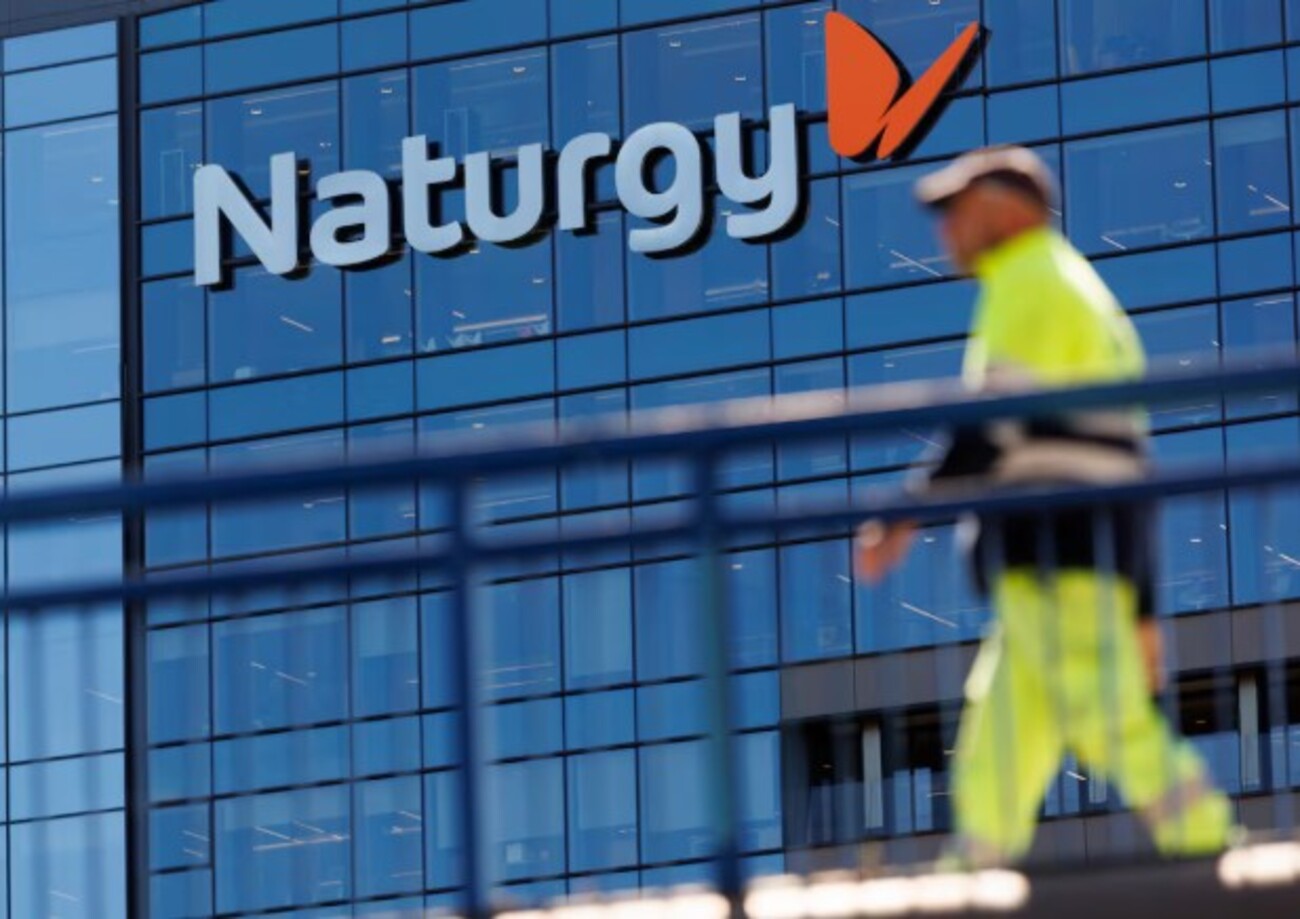
Naturgy begins an investment of R$ 1.6 million to expand the gas network in Niterói and benefit thousands of new residences and businesses.

The Impact of the Ceasefire in Gaza on the Oil Market
According to the Uol portal, the main news on Friday was the approval of the ceasefire between Israel and Hamas in the Gaza Strip. The agreement, which had been negotiated for days, was finally approved by the Israeli government, generating an immediate reaction in the financial market.
Investors, who were fearful of escalation in the Middle East, saw the approval of the ceasefire as relief from geopolitical tensions.
The drop in risk premiums associated with this region caused oil to experience a slight decline in trading that day.
However, analysts warn that the effect of the ceasefire on the oil market should be seen as temporary.
The war between Israel and Hamas had a significant weight on market uncertainty, but the reduction of tensions does not mean that the oil market will remain immune to other geopolitical events, such as relations with Iran and the war in Yemen, which could still affect supply.
The Strengthening of the Dollar: What Does This Have to Do with Oil?
Another relevant factor that directly impacted the closing price of oil on Friday was the strengthening of the dollar.
Oil, being a commodity traded in dollars, typically faces pressure when the U.S. currency appreciates.
This happens because oil becomes more expensive for foreign buyers, which reduces demand and can lead to lower prices.
This rise in the dollar was driven by a series of economic factors, including more robust growth data in the United States, indicating a stronger than expected economic performance.
As a result, investors are migrating to safer assets, such as the dollar, which puts downward pressure on the price of oil.
However, despite this pressure from the dollar, oil still closed the week higher, showing that there are other factors sustaining the price of the commodity above the US$ 80 mark.
The Role of OPEC in the Price of Oil: What to Expect?
The Organization of the Petroleum Exporting Countries (OPEC) also has a significant influence on the price of oil.
Recently, OPEC revised its production forecasts for the coming year, indicating that the oil market could be facing a significant supply deficit.
This is because oil production is not keeping pace with global demand, which continues to grow.
According to Commerzbank experts, OPEC may have to reverse its production cuts to meet the growing demand.
However, the organization is cautious, as forecasts for increasing production may be influenced by international sanctions against countries such as Iran, Venezuela, and Russia.
If production from these countries is affected by sanctions, OPEC may find it challenging to meet global demand for oil.
Iran and Russia: The Energy Partnership That Could Shake the Oil Market
In recent months, there has been a significant increase in relations between Iran and Russia, particularly in the energy sector.
Both countries, which face heavy international sanctions, have been working together to expand their oil production and export capabilities.
The partnership between Iran and Russia has the potential to disrupt the dynamics of the oil market, especially regarding the supply of the commodity.
These two countries could supply more oil to the global market, but this depends on the continuation of sanctions and the countries’ ability to maintain their productions without major external interventions.
The rapprochement between them may also have long-term geopolitical implications, making the oil market even more unpredictable.
The Impact of the Decline in Oil Platforms in the U.S.
Another piece of data that cannot be ignored is the decline in the number of oil rigs operating in the United States.
According to data from Baker Hughes, the number of active rigs has fallen to 478, representing a decrease from the previous week.
This decline in drilling activity may reduce oil supply in the coming months, putting pressure on prices and potentially resulting in an increase in the value of a barrel.
Since the U.S. is one of the largest oil producers in the world, any decrease in drilling rigs can significantly affect the balance between supply and demand, impacting the global oil market.
Forecasts for the Future of Oil: What to Expect?
Despite the slight decline recorded on Friday, the outlook for oil in the near future is still positive.
With the possibility of supply disruptions from major producing countries such as Iran, Venezuela, and Russia, and with the geopolitical uncertainties that continue to loom over the Middle East, the price of oil has good chances of remaining high throughout 2025.
Experts from Swissquote and ING, for example, believe that prices will continue to rise due to increasing pressure on supply.
Do you think the oil market will continue its upward trajectory, or will prices fall in the coming months? Share your opinion in the comments!







Seja o primeiro a reagir!