





 Portuguese
  English
  Spanish
  4 min of reading
  0 comments


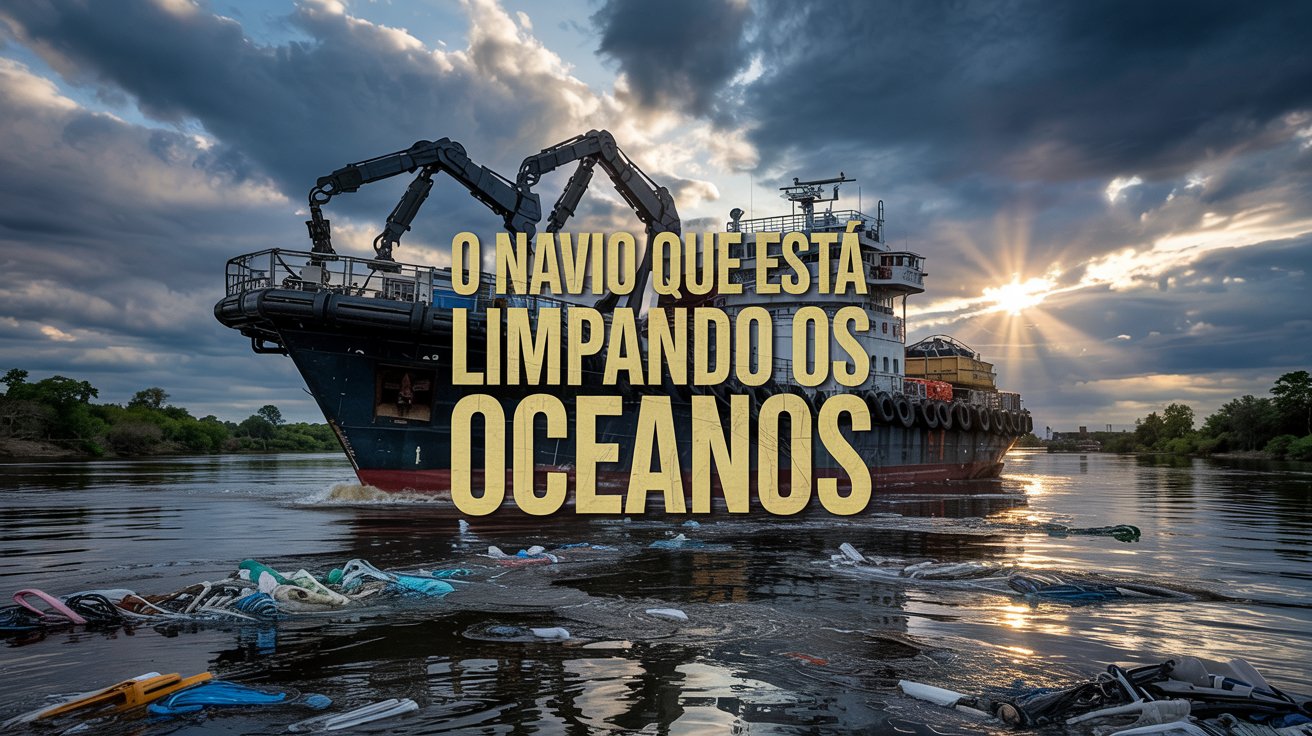
Created to Act Autonomously and Silently, the Giant Ship Navigates Rivers and Seas Hunting Tons of Plastic That Threaten the Oceans and Could Be the Beginning of a True Environmental Revolution That Has Already Begun to Show Results.
With a sci-fi appearance and a noble environmental purpose, a giant ship is becoming one of the largest weapons against marine pollution in the world.
Completely powered by solar energy, it is capable of collecting up to 50,000 kilograms of plastic per day.
Meet the “Interceptor,” the Dutch innovation that is helping to change the future of the oceans.
-
Curitiba is shrinking and is expected to lose 97,000 residents by 2050, while inland cities in Paraná such as Sarandi, Araucária, and Toledo are experiencing accelerated growth that is changing the entire state’s map.

-
Tourists were poisoned on Everest in a million-dollar fraud scheme involving helicopters that diverted over $19 million and shocked international authorities.

-
Hidden beneath the dense forest of the Sierra Nevada, Betoma emerges in a neighbor of Brazil as the greatest archaeological discovery of the century, revealing a colossal ancestral city covering over 18 km², with 8,334 stone structures and the potential to rewrite the history of South American civilizations.

-
Goodbye iron: new technology from Xiaomi promises to revolutionize the way we iron clothes with 500 kPa steam, continuous flow of 120 g/min, heating in 65 seconds, and six smart modes for different fabrics.


As the world watches climate change with growing concern, the plastic waste problem in the oceans has already reached alarming levels.
It is estimated that over 11 million tons of plastic enter the seas every year, according to the NGO Ocean Conservancy.
This volume creates true “floating garbage carpets,” some as large as entire countries.
It is in this chaotic scenario that the Interceptor emerges, the ship developed by the organization The Ocean Cleanup, based in the Netherlands.
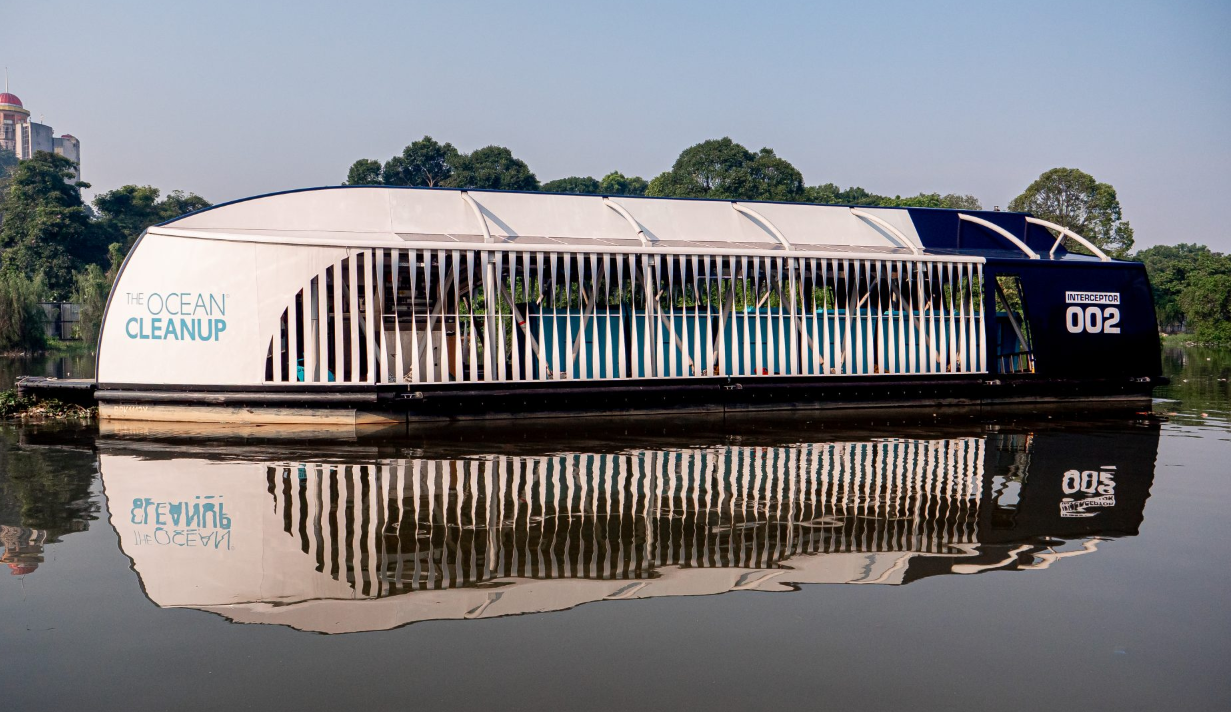
How The Ship That Combats Ocean Waste Works
The Interceptor is not an ordinary ship.
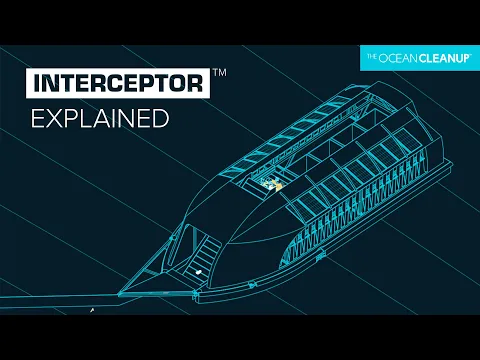
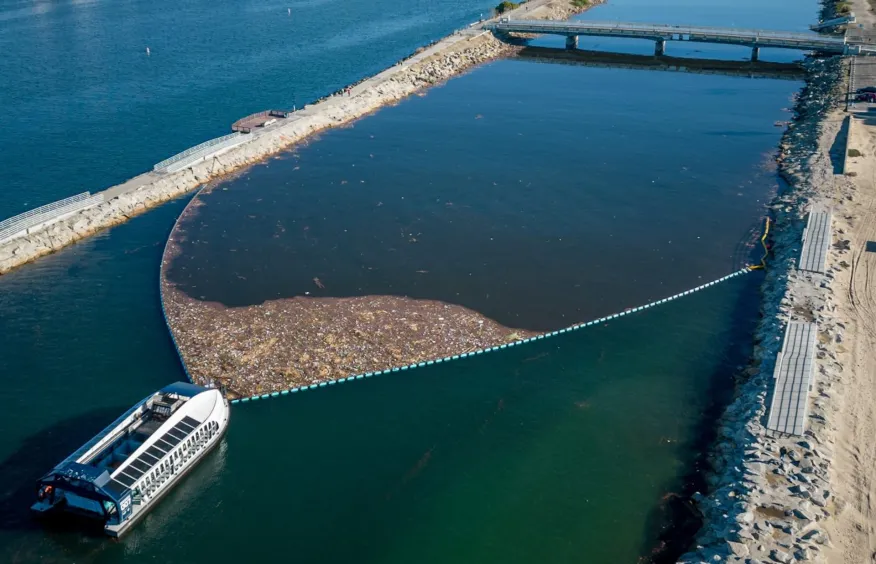
Designed to operate completely autonomously and sustainably, it is powered by solar energy and uses artificial intelligence to detect, capture, and store plastic waste that floats in rivers and seas.
The technology behind this innovation was created to primarily operate in rivers, where 80% of the plastic that reaches the oceans originates.
Its structure resembles a modern boat, measuring 24 meters in length.
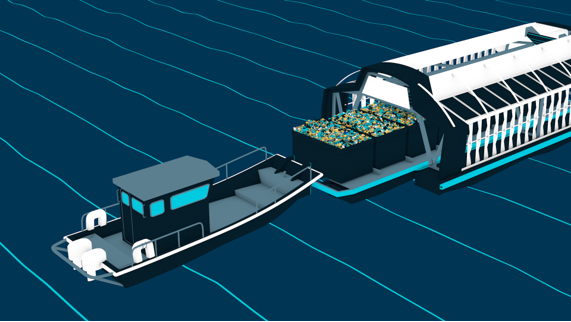
It features a conveyor belt that “pulls” the waste from the water and directs it to a sorting and compacting system.
The collected material is then stored in containers that, when full, are removed and replaced with new ones.
The entire process can be monitored remotely in real time.
Each unit of the Interceptor is capable of removing up to 50 tons of plastic per day, depending on local conditions.
And the most impressive part: with extremely low operational costs, as it does not rely on fossil fuels to function.
Where The Interceptor Is Already Operating
So far, units of the Interceptor have been deployed in countries such as Indonesia, Vietnam, the Dominican Republic, Jamaica, and Malaysia.
Recently, a unit was also installed in the Ozama River in the Dominican Republic, considered one of the most polluted in Latin America.
The NGO’s goal is to deploy over 1,000 units in the 1,000 most polluting rivers in the world by 2040, an ambitious goal that could drastically change the planet’s environmental future.
This strategic approach targets the primary “entry channels” of plastic into the oceans.
The Mind Behind The Innovation: Boyan Slat
The project was conceived by young Dutch inventor and environmentalist Boyan Slat, who began working on the idea in his teenage years.
At 16, he was already disturbed by the absurd amount of plastic in the ocean and decided to create a practical engineering solution.
In 2013, at just 18 years old, he founded The Ocean Cleanup, a non-profit organization that quickly gained international recognition.
Since then, the project has received million-dollar donations and support from various companies and governments, becoming a global reference in environmental innovation.

The Impact On The Planet (And Why It Matters)
Plastic pollution affects not only the environment visually.
It compromises entire food chains, kills millions of marine animals each year, and is already present in our bodies, according to recent studies on microplastics in food and drinking water.
Additionally, plastic in the oceans contributes to chemical and biological changes in the marine ecosystem, generating serious economic and social impacts, particularly in coastal communities.
With the ongoing action of the Interceptor and its global scale, it is possible to significantly reduce the volume of plastic waste before it even reaches the ocean.
This makes the project even more efficient, as it interrupts pollution “at the source.”
Amazing Facts About The Interceptor
Each ship is built to last over 20 years, with minimal maintenance.
It has sensors that allow for autonomous operation and satellite monitoring.
The collected waste is recycled or reused by local partner companies.
Some models have been sponsored by major global companies that support sustainability causes.
Its modular design allows for rapid adaptation in different types of rivers and climatic conditions.
The Future: More Ships, More Cleaning, More Hope
The Ocean Cleanup is already testing more robust marine versions to operate directly in oceanic zones, such as the Great Pacific Garbage Patch, between California and Hawaii — an area where over 1.8 trillion pieces of plastic accumulate.
Furthermore, the data collected from Interceptor operations feeds artificial intelligence systems that map the origin of waste, helping governments and entities create more effective public policies.
The expectation is that, with greater financial and institutional support, the fleet of anti-plastic ships will grow rapidly in the coming years, allowing for a future where the oceans are again clean, habitable, and sustainable.






-

Uma pessoa reagiu a isso.