





 Portuguese
  English
  Spanish
  4 min of reading
  29 comments


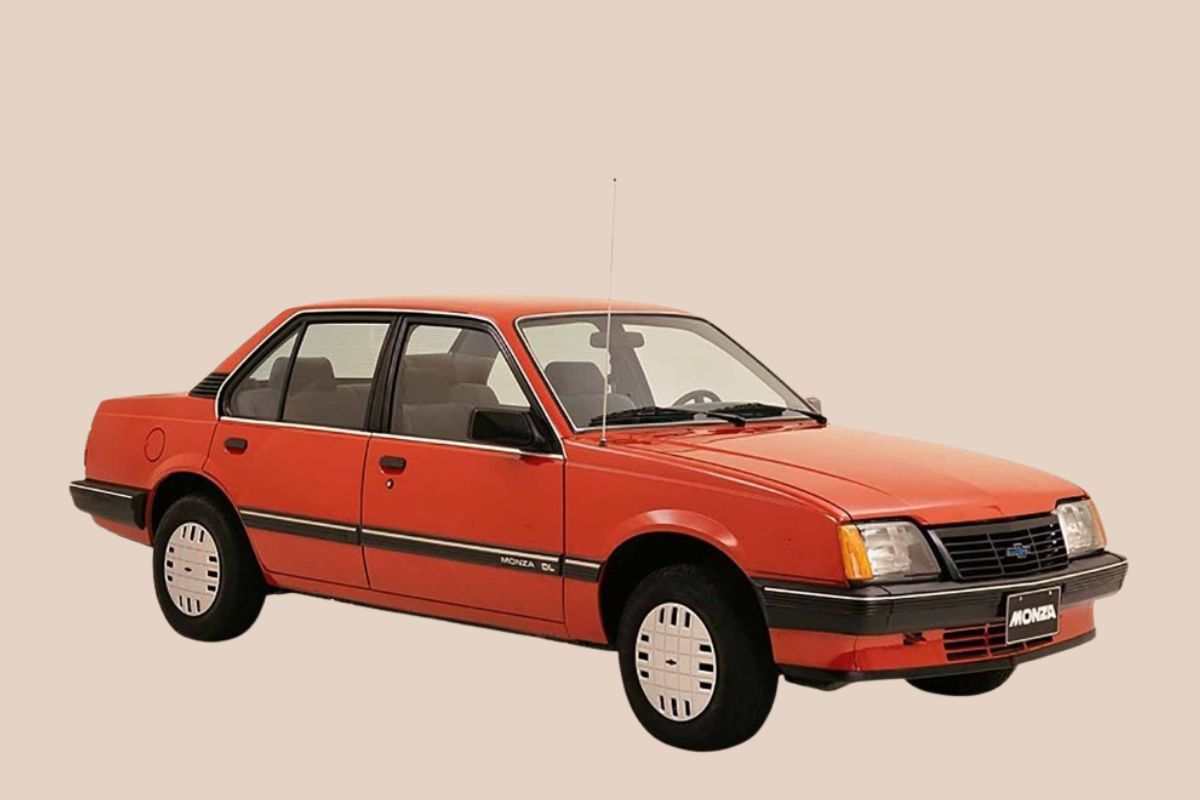


Revived in China, the Monza Returns in 2026 With Updated Design, 405-Liter Trunk and Engines That Vary by Region, Including 1.3 Turbo Light Hybrid Option of 163 HP and Consumption of Up to 21 Km/L in the City, While Expansion Targets Latin America and the Middle East Without National Forecast
The Monza returns to the spotlight in 2026 as part of a global strategy by GM (General Motors) to reposition a historic name in markets where sedans still have space. The model, produced in China with modern design and updated features, also targets countries in Latin America and the Middle East, resuming the logic of regional adaptation.
For Brazil, however, the return of the Monza remains distant. The decision aligns with changes in consumer preference, which has shifted interest from medium sedans to SUVs, while the automaker focuses energy on stronger local products and expands the showcase of imported electric vehicles.
An Icon Reactivated as Part of Global Strategy
Originally launched in 1982 as part of Project J, the Monza became synonymous with status and sophistication for many and remained in the collective imagination even after being discontinued in Brazil in 1996. The rebirth in 2026 is not just a nostalgic return: it emerges as a sedan designed to meet different realities, with adjustments in offering depending on each market.
-
A French brand placed a car on four huge red balloons to prove that its suspension made the vehicle “float,” and the surreal scene became one of the most iconic and unusual images in automotive history.
-
Jeep Avenger begins production in Brazil, debuting as the brand’s new entry-level SUV and inaugurating an unprecedented phase by becoming the first national Jeep manufactured outside of Goiana, as part of a R$ 3 billion plan.
-
Costing R$ 12,490, the new Shineray Urban Lite 150 “cheap one” arrives in Brazil with a CVT transmission, digital dashboard, and LED lights, making it more affordable than the Biz and targeting those who want to abandon the bus.
-
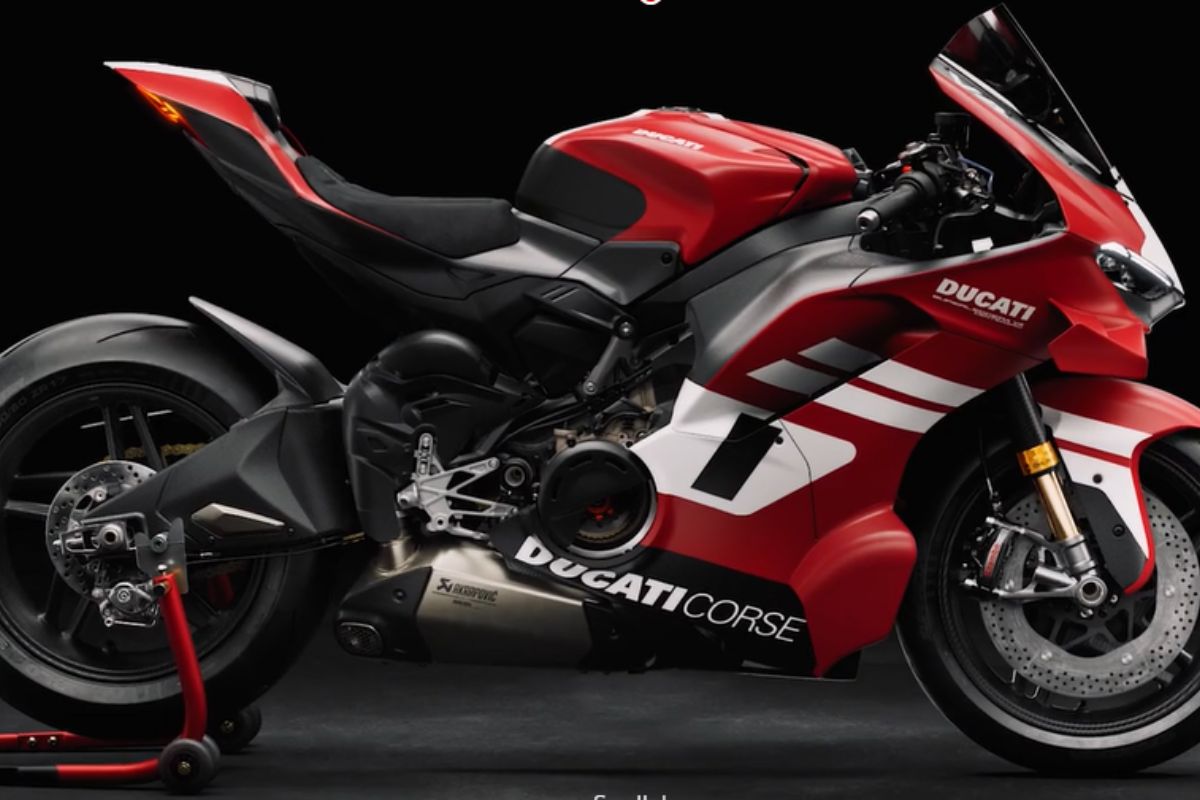
Ducati brings to Brazil the Superleggera V4 Centenario: 228 hp that become 247 with a track kit, carbon fiber and carbon-ceramic brakes, estimated price between R$ 1.5 and 2 million, deliveries only in 2027.

GM tries to balance tradition and competitiveness by using the Monza as a “global car,” leveraging a known name without relying on a single country to support the operation.
The “who” and the “why” are clear in the movement: it is the automaker bringing the project back, seeking relevance in regions where the sedan format is still desired and where there is openness to variations in engine and positioning.
Dimensions, Space, and Sedan Proposal in 2026
The new Monza arrives with size aligned to what is expected of a modern mid-size sedan. It measures 4.65 meters in length and 1.79 meters in width, numbers that help understand its proposal for daily and highway use, focusing on stability and internal space compatible with the segment.
On the practical side, the 405-liter trunk is an important figure for those who see sedans as family, work, and travel cars.
This capacity detail is part of the “how much” that weighs in the purchase decision, especially in markets that value luggage and mixed-use, without necessarily shifting to SUVs.
Engines by Region and the Promise of Up to 21 Km/L in the City
The main difference of the Monza in 2026 between markets lies in the mechanical set. In the Middle East, where it is identified as Cruze, the sedan uses a 1.5 naturally aspirated engine with 113 hp, a simpler configuration consistent with scenarios where predictability of maintenance and fuel availability shape the choice.
In China, the Monza adopts a 1.3 turbo engine with a mild hybrid system, delivering 163 hp and highlighting efficiency, with a mark of up to 21 km/l in the city.
This “how much” becomes a central argument as it signals the project’s objective: to balance performance and consumption without necessarily relying on full electrification for all countries.
The Same Project With Different Names: Monza, Cruze, and Cavalier
The global reintroduction of the Monza also involves identity. In some markets, the car circulates with different badges to fit local habits and already consolidated portfolios.
In Mexico, it may be marketed as Cavalier; in Qatar, as Cruze, reinforcing the idea that GM prioritizes regional recognition without abandoning the basis of the sedan.
This name change is not just cosmetic: it helps explain “where” the car fits and how it is presented.
The concept is to adapt without losing essence, maintaining the sedan proposal and adjusting communication and positioning for each country, according to what the brand has already built in that market.
Why the Monza Should Stay Out of Brazil in 2026
In the Brazilian scenario, the return of the Monza is treated as unlikely because the mid-size sedan market has lost strength against the rise of SUVs in consumer preferences.
The change in demand redefines priorities, and this weighs more than the emotional strength of the name, no matter how impactful it has been.
The current strategy of GM in the country is focused on popular models like Onix and Tracker, while the brand reorganizes its portfolio and leaves some icons behind, like the Camaro, which is set to be discontinued.
At the same time, the automaker enriches its offering with imported electric vehicles, such as Blazer EV and Equinox EV, reinforcing the path adopted here: more SUVs and electrification, fewer resurrected sedans.
The return of the Monza in 2026 serves as a snapshot of how the industry tries to reconcile past and strategy, using a strong name to gain attention where the sedan still makes sense. The car changes its name, changes its mechanical set, and changes its focus, but preserves the idea of being a versatile solution for different markets.
And, looking at Brazil, the question remains: If the Monza were to reappear here, would you exchange an SUV for a sedan like it? What would weigh more in your decision, consumption of up to 21 km/l, trunk space, or the memory of the original model that marked the 80s?










Rolei o artigo inteiro e não vi a foto do carro :/
As montadoras estão entupindo o Brasil com os SUVs e matando o carro popular. Quem dá Classe Média consegue comprar um carro caríssimo hoje? ….. Eu mesmo não consigo.
Acho que as montadoras vão pela demanda, se não houve demanda para tal modelo, investiriam em outro.
Ah, o Monza é o Monza e nenhum o destrona.