





 Portuguese
  English
  Spanish
  4 min of reading
  0 comments


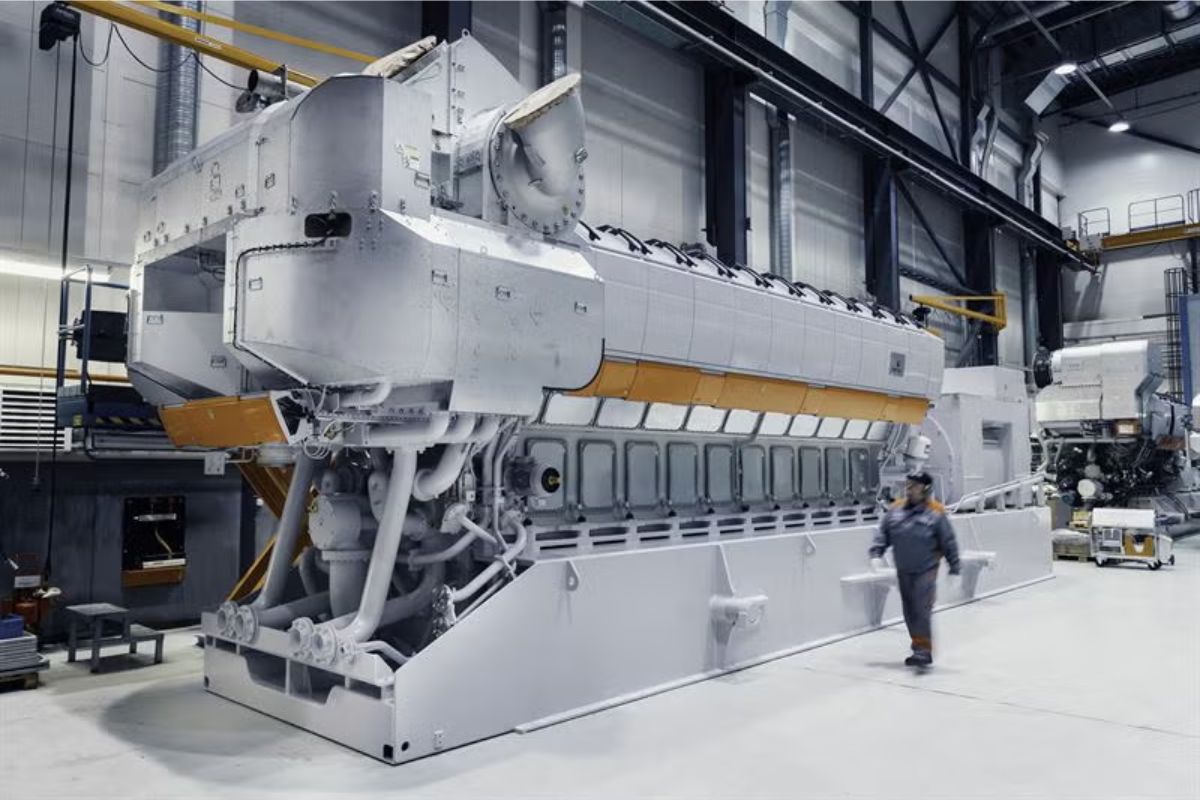
They Turned A Giant Engine Into A Fast, Clean Hydrogen-Powered Electric Generator Ready For The Future
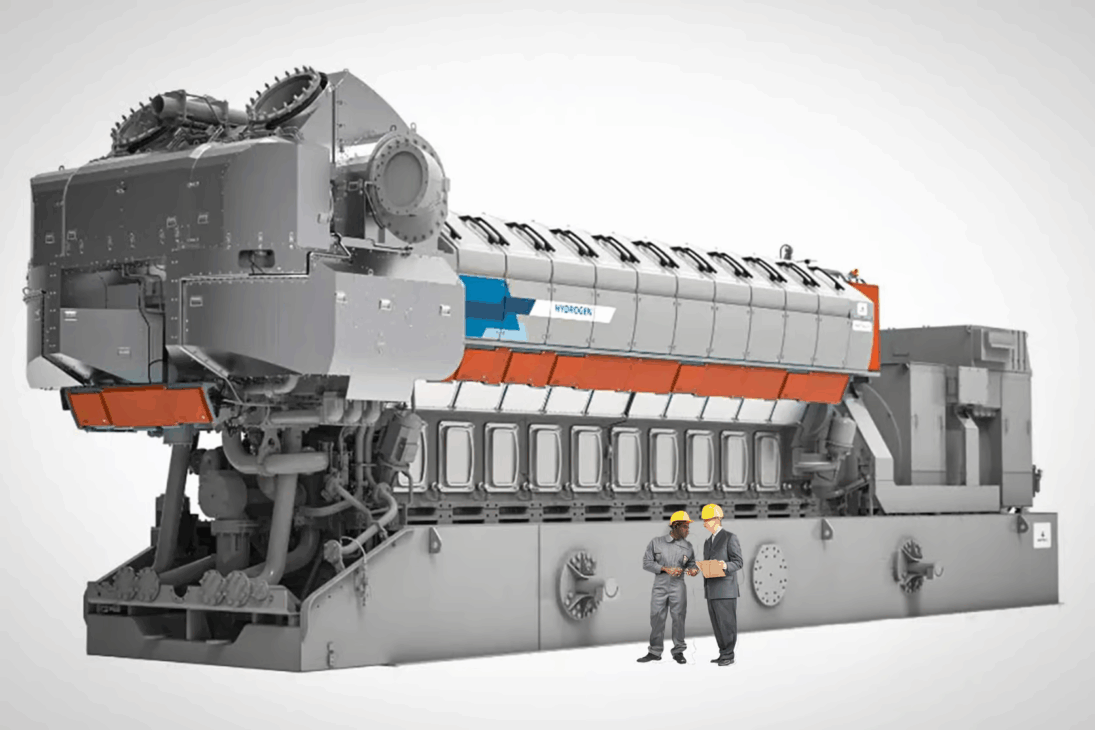
Have you heard of the Wärtsilä 31? It may not seem like it, but this gigantic engine, originally created to power cargo ships and oil tankers, has now taken on a new mission: to help the planet generate clean energy.
Yes, an engine that was born to burn diesel and navigate the oceans is being transformed into a renewable electricity generator, and the best part: it is capable of operating with hydrogen and natural gas. The energy revolution is coming from where it was least expected.
An Engine That Has Already Entered The Guinness
The Wärtsilä 31 is not just any engine. It has made it into the Guinness Book as the most efficient four-stroke marine engine in the world in its category. Depending on the configuration, it can have 8 to 16 cylinders and generate an impressive power output: from 4.6 to 10.4 megawatts, enough to power thousands of homes at the same time.
-
Researchers discover a possible hydrogen deposit of up to 46 million tons beneath an ancient coal basin, and the volume could exceed half of the entire global production.

-
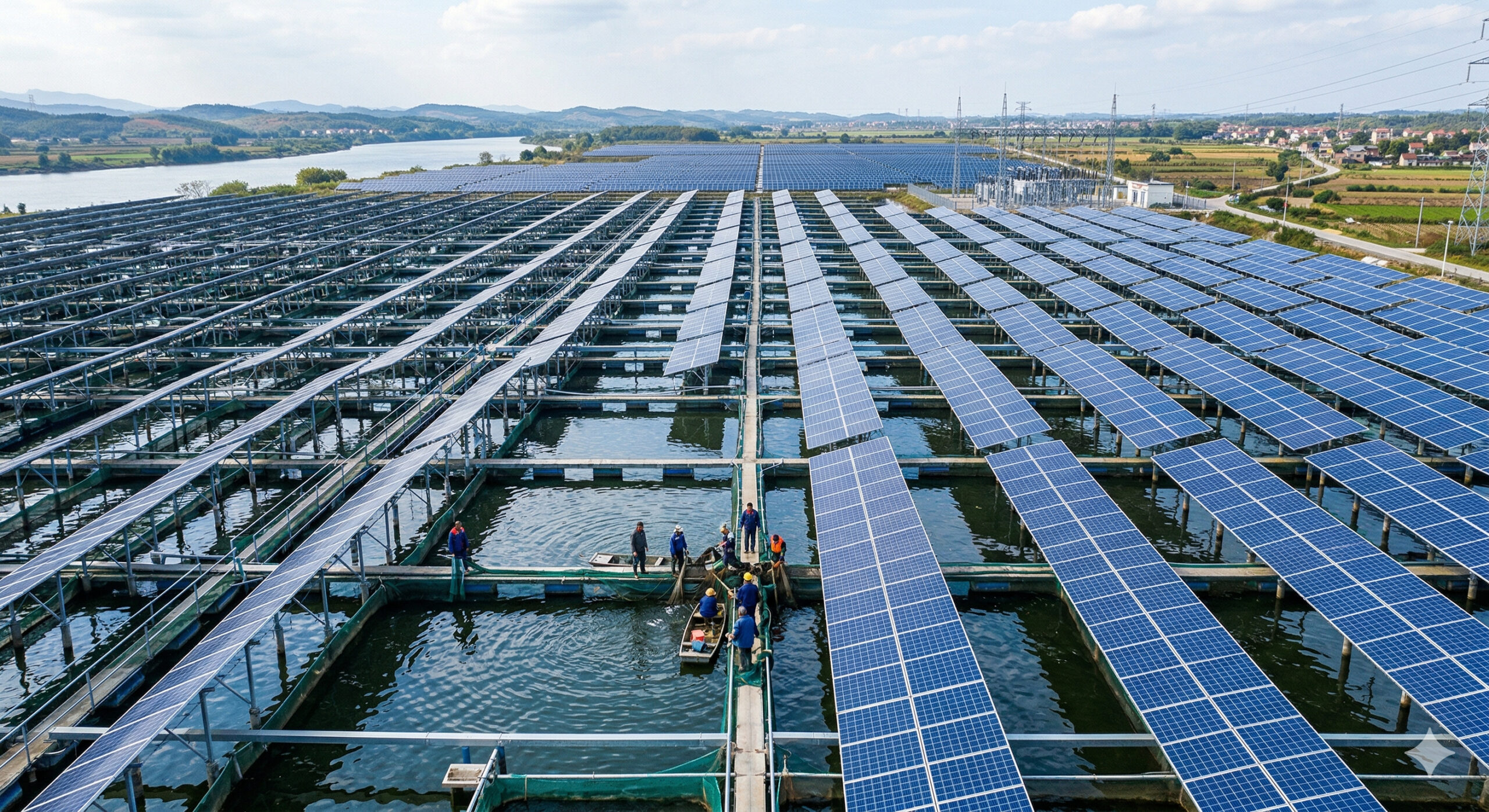
China bets on the Fishery-PV model and transforms fish farms into giant solar plants, covering ponds with panels that generate energy while utilizing the same space for large-scale aquaculture production.
-
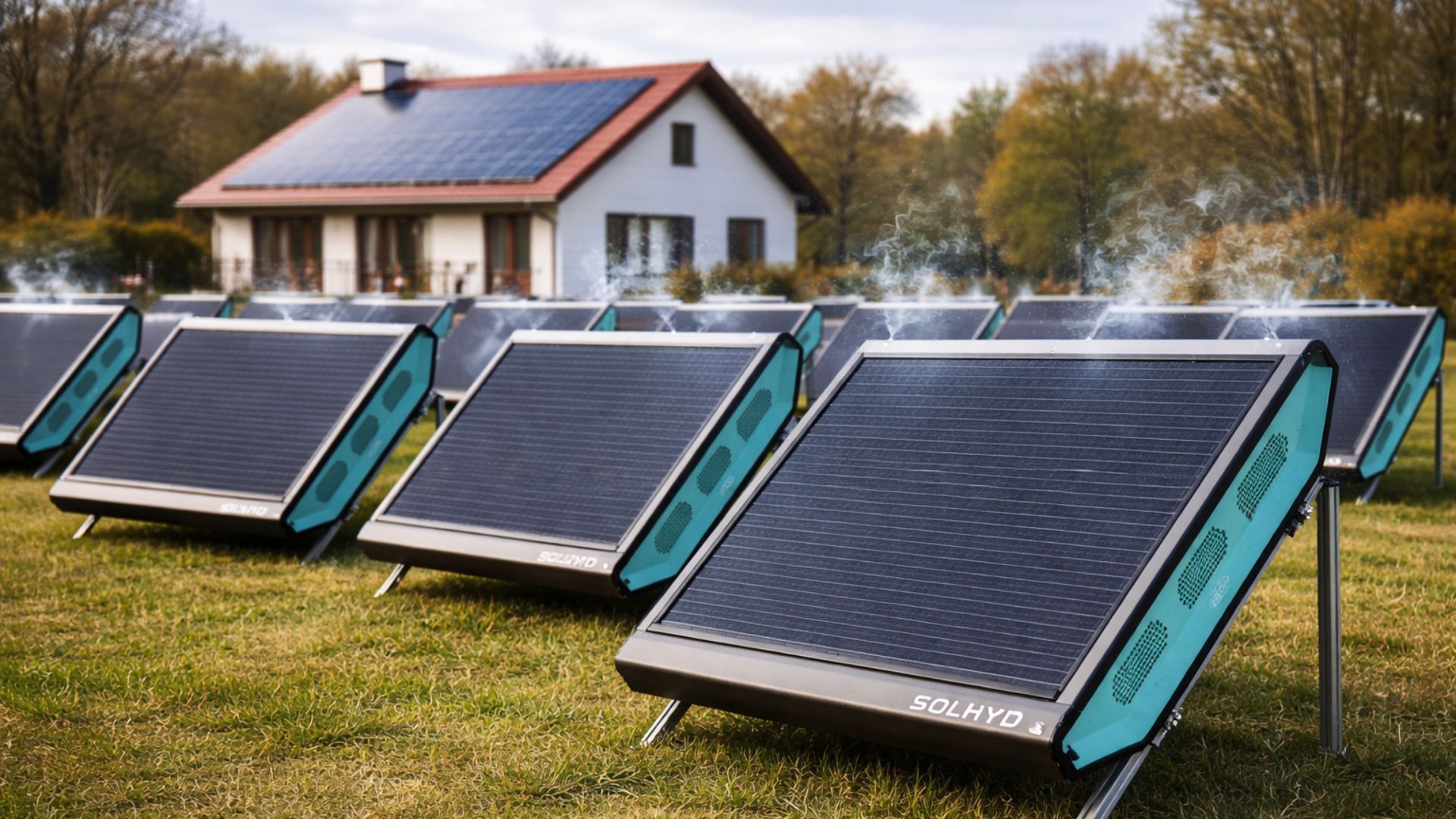
Green hydrogen at home: Belgium launches new technology that makes solar panels produce fuel from the moisture in the air, which could boost the energy transition.
-
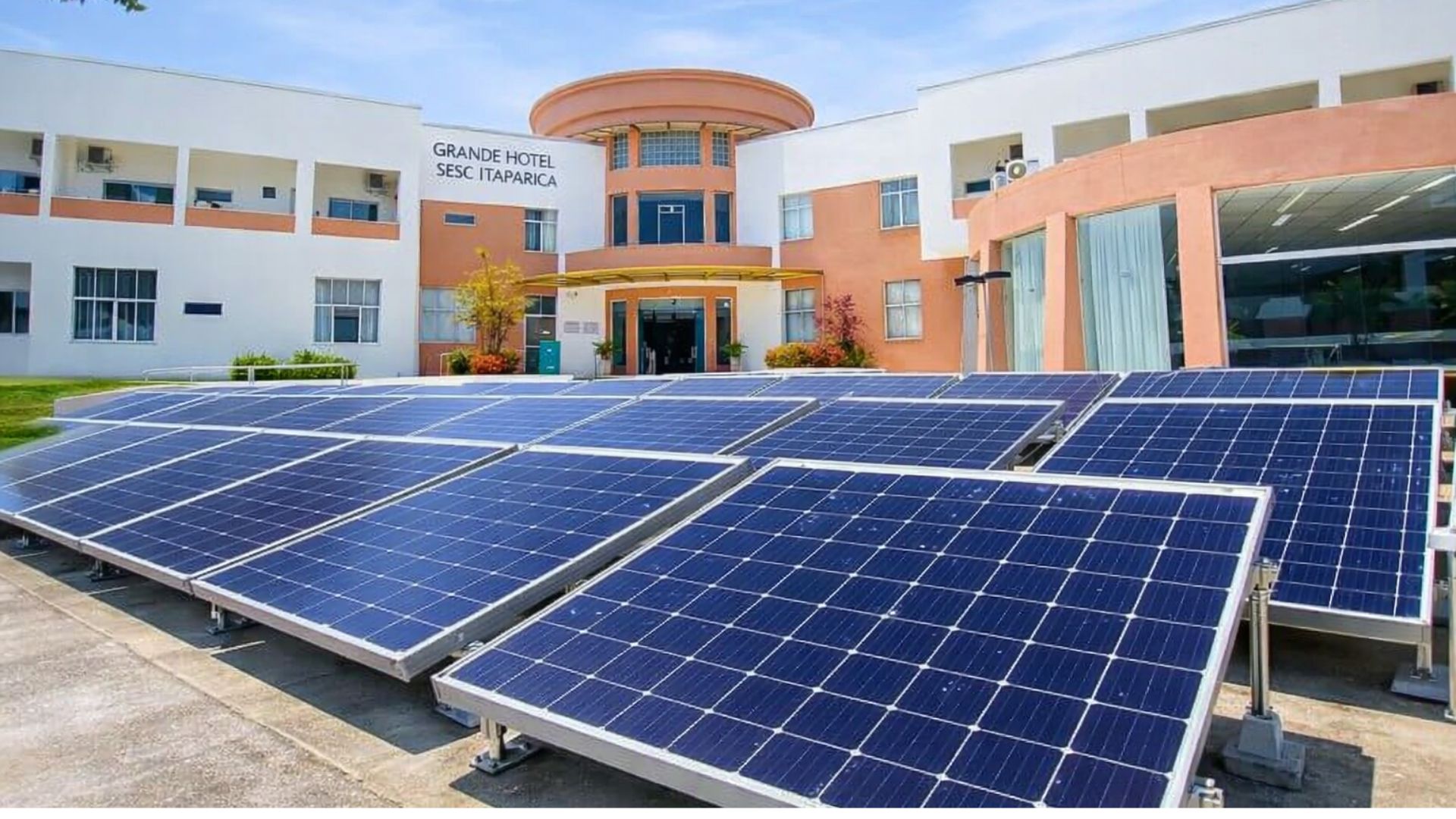
Sesc-BA bets on renewable energy with the support of EDP and drives the energy transition with a direct impact on cost reduction and the sustainability of its operations in Bahia.
And more: each cylinder has a 31 cm diameter by 43 cm stroke. It may seem enormous to those used to cars, but for Wärtsilä’s standards, this is almost compact. The Finnish company has created engines so large that it would be possible to walk inside the cylinders!
A New Life Away From The Seas
The adapted version to generate electricity has been named Wärtsilä 31SG-H2, and it is designed for a 100% clean future. It can already operate with natural gas or with a mix containing up to 25% hydrogen, but the goal is to allow it to operate exclusively on pure hydrogen with a simple upgrade.
Additionally, Wärtsilä has developed another version called Wärtsilä 31H2, which is already ready to operate with pure hydrogen, but is also flexible enough to use natural gas or combinations of both.
These versions are being pointed out as the largest hydrogen generators in the world in potential, an ambitious promise that depends only on the availability of hydrogen on a large scale.
How Does This Help Renewable Energies?
Everyone knows that sources like solar and wind are great, but they have a big challenge: intermittency. When there is no sun or wind, energy production plummets. So, how do we keep the power grid stable?
That’s where Wärtsilä’s engine comes in: it can quickly increase or decrease its energy generation, helping to stabilize the grid. Even better: it can be turned on or off in seconds and synchronized with the power grid in just 30 seconds. In other words, it’s like having a backup generator always ready to act, with no waste and no carbon emissions when running on hydrogen.
Why Continue Using Natural Gas?
The answer is simple: green hydrogen is still expensive and difficult to produce on a large scale. On the other hand, natural gas is available and cleaner than other fossil fuels. Therefore, Wärtsilä’s engines were designed to be flexible: they work with what we have now and are already ready for what will come in the future.
As Anders Lindberg, president of Wärtsilä Energy, said:
“We need to be realistic: natural gas will still play an important role in our energy systems for the coming years. Our engines allow flexibility now and facilitate the transition to hydrogen when it becomes more accessible.”
Certified Technology Ready For The Future
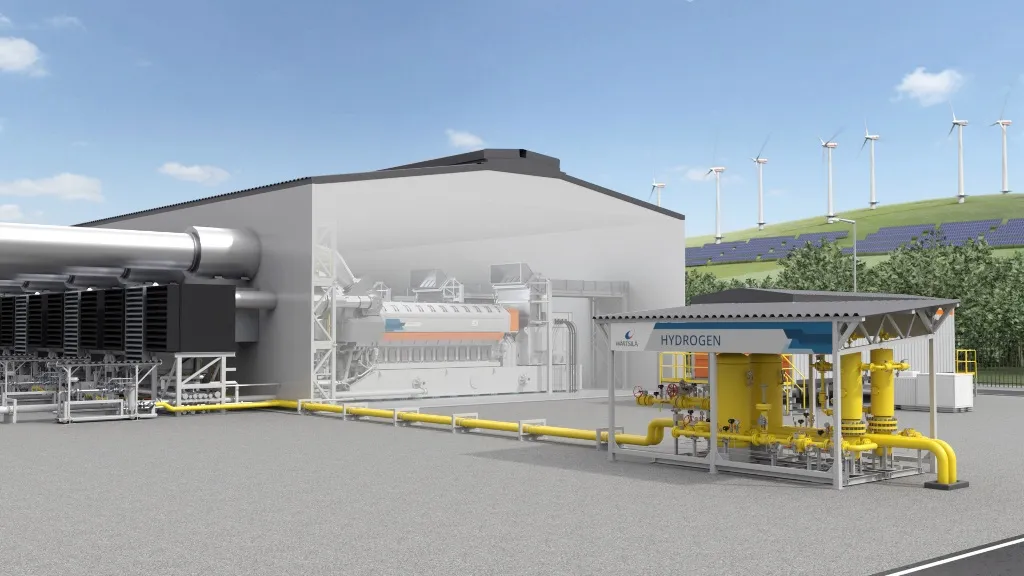
To ensure the safety and feasibility of the project, Wärtsilä’s power plant is undergoing rigorous certifications. The first phase has already been approved by TÜV SÜD, a German organization known for certifying technologies focused on safety and the environment. Two more stages will still come before construction of the plant can begin.
The expectation is that hydrogen-powered engines will be available for delivery in 2026, which shows that the company is not just dreaming: it is preparing to deliver real solutions in a short time.
Abundant Experience In The Sector
Wärtsilä is not starting now. The company already has over 1 million hours of operation with this line of engines and has more than 1,000 megawatts installed around the world.
If that still hasn’t convinced you, think about the impact: a single Wärtsilä 31 engine can generate enough energy to power a small town, with the advantage of being able to operate with zero carbon emissions when fueled with hydrogen.
How Does The Engine Compare To Other Solutions?
One of the inevitable comparisons is with fuel cells, which also convert hydrogen into electricity, but in a completely silent way and without moving parts. However, while fuel cells still have high costs and low scale, Wärtsilä’s engines are already tested, mass-produced, and reliable.
Moreover, they are easier to maintain and have a better response to quick demands, making them perfect for support systems for renewable energy.

An Engine With A Green Soul
What was a monster of the seas has turned into a hero of power plants. The Wärtsilä 31, with its mighty roar, now adapts to the modern world, running on cleaner fuels and helping to accelerate the energy transition.
With solutions like this, the question shifts from “when” will we have clean energy to: are we ready to use it?
To learn more about the project, visit Wärtsilä’s official page: https://www.wartsila.com/energy/sustainable-fuels/hydrogen-power-plant









Seja o primeiro a reagir!