





 Portuguese
  English
  Spanish
  4 min of reading
  0 comments


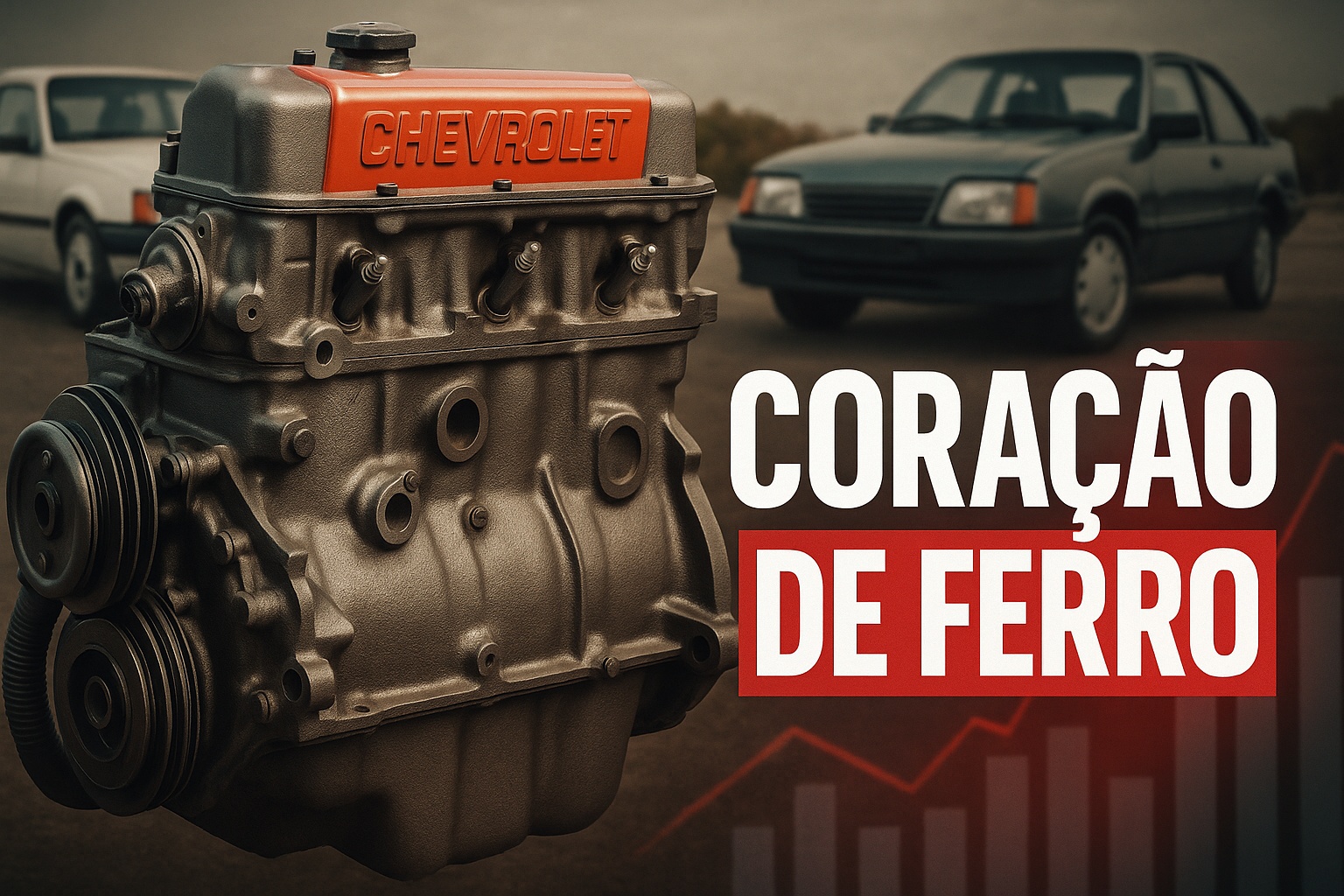
Legendary Chevrolet Engine Equipped Monza, Kadett, Omega and Vectra, Ran More Than 350 Thousand Km Without Opening and Said Goodbye in the 2000s After Four Decades of Success.
Few engines have marked the history of the Brazilian automotive industry as much as the 2.0/2.2 family from General Motors, popularly known as “Family II.” Introduced in Brazil in the early 1980s, this engine became a true symbol of robustness and reliability, running in cars that marked generations — such as Chevrolet Monza, Vectra, Kadett, Omega and Astra.
Nicknamed by mechanics and car enthusiasts as “iron heart”, the engine was famous for lasting forever. Reports of units that traveled over 350 thousand kilometers without needing a rebuild fueled its mystique. Between bumpy roads, low-quality fuels, and often precarious maintenance, the Family II engine endured without complaint, establishing itself as one of Chevrolet’s greatest successes in Brazil.
The Birth of a Legend
The engine was introduced in the country in 1982, when Chevrolet launched the Monza, a model that would become a sales phenomenon in the following years. With 1.8 and 2.0 versions, the engine stood out for its mechanical robustness, ease of maintenance, and good performance for its time.
-
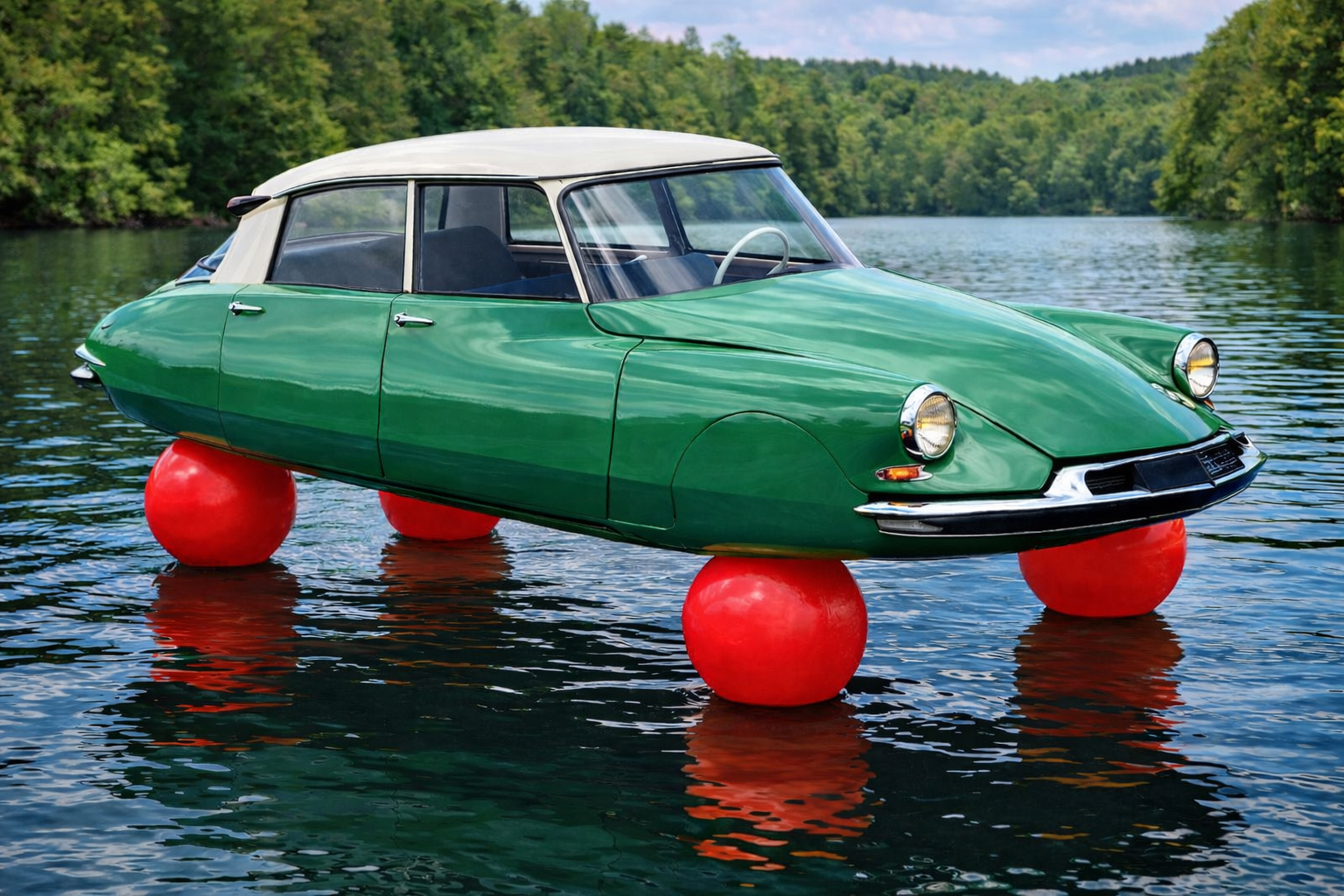
A French brand placed a car on four huge red balloons to prove that its suspension made the vehicle “float,” and the surreal scene became one of the most iconic and unusual images in automotive history.
-
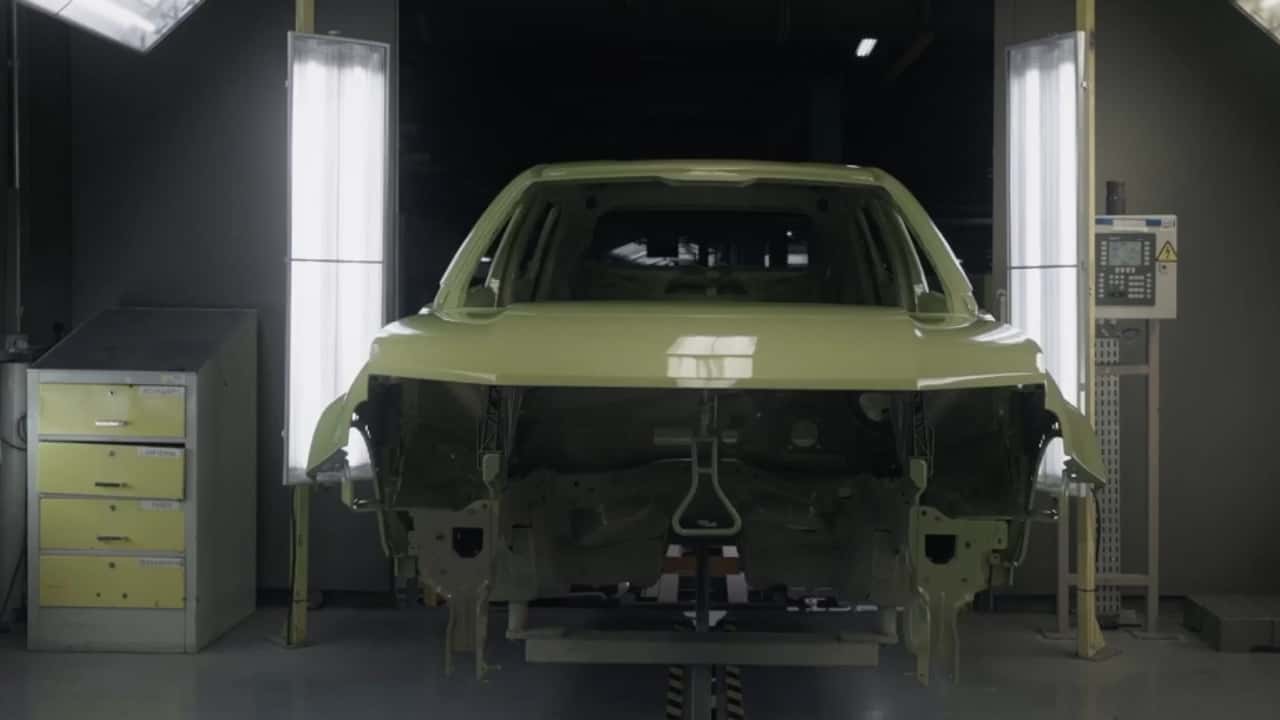
Jeep Avenger begins production in Brazil, debuting as the brand’s new entry-level SUV and inaugurating an unprecedented phase by becoming the first national Jeep manufactured outside of Goiana, as part of a R$ 3 billion plan.
-
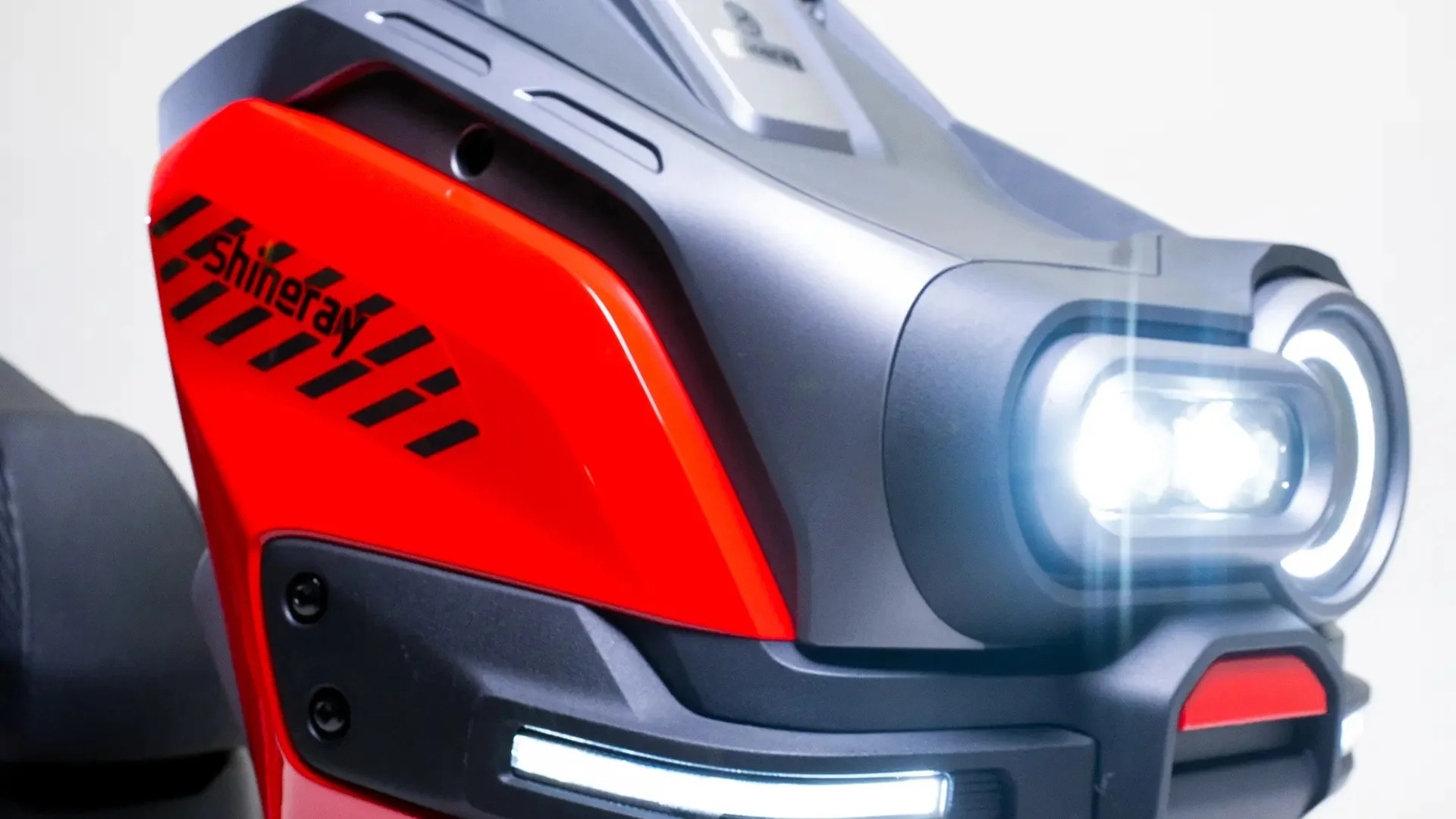
Costing R$ 12,490, the new Shineray Urban Lite 150 “cheap one” arrives in Brazil with a CVT transmission, digital dashboard, and LED lights, making it more affordable than the Biz and targeting those who want to abandon the bus.
-
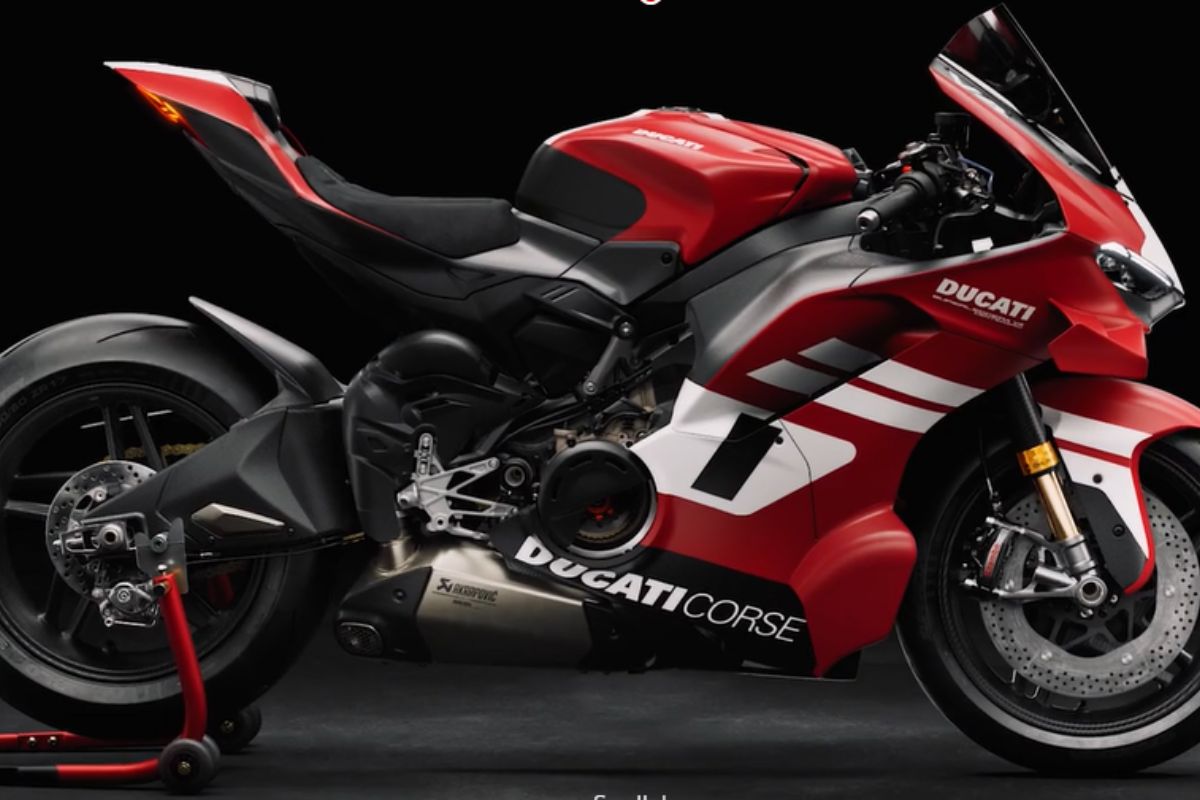
Ducati brings to Brazil the Superleggera V4 Centenario: 228 hp that become 247 with a track kit, carbon fiber and carbon-ceramic brakes, estimated price between R$ 1.5 and 2 million, deliveries only in 2027.
The simplicity of its design, combined with the use of cast iron in the block, ensured impressive durability.
It was an engine that could run on low-octane gasoline, withstand long periods without proper maintenance, and still remained reliable. Therefore, it soon became a reference for taxi drivers, fleet operators, and families seeking durability.
The Engine of Chevrolet’s Great Successes
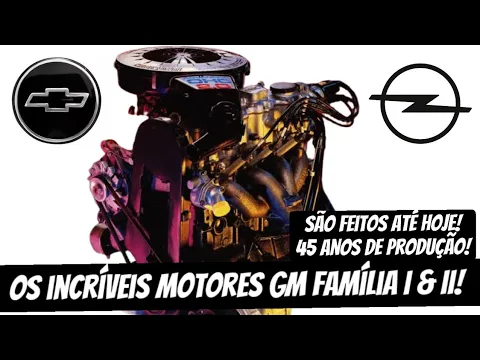

Over the decades, the 2.0/2.2 engine family equipped some of Chevrolet’s most iconic cars:
- Chevrolet Monza (1982-1996): the sedan that dominated the Brazilian market in the 1980s and became a dream car for the middle class.
- Chevrolet Kadett (1989-1998): the sporty medium hatch, with 2.0 versions that won over young drivers and even competitions.
- Chevrolet Omega (1992-1998): the luxury sedan that elevated Chevrolet to a new level, with 2.0 and 2.2 versions for the national market.
- Chevrolet Vectra (1993-2005): the natural successor to the Monza, which maintained the same reliability line and was considered one of the most modern medium sedans of its time.
- Chevrolet Astra (1998-2011): although already transitioning, part of the initial line also carried the legacy of Family II.
Together, these models sold millions of units in Brazil and Latin America, always carrying the reputation that “the engine doesn’t break.”
The Myth of the “Iron Heart”
The nickname “iron heart” was not just marketing. Mechanic shops across the country recorded cases of engines that exceeded 350 thousand km without opening, limited to basic maintenance such as oil changes, spark plugs, and timing belts.
The cast iron block withstood high temperatures and endured severe conditions, while the aluminum cylinder head provided good thermal efficiency.
This combination, common in the 1980s and 90s, proved perfect for the Brazilian reality where cars faced everything from rural roads to merciless urban traffic.
Performance and Presence on the Tracks
In addition to durability, the Family II engine also delivered respectable performance. In the Monza 2.0, it reached 110 hp, which was competitive for its time. In the Kadett GSi, the same engine provided sportiness, accelerating from 0 to 100 km/h in less than 11 seconds, a remarkable feat for the 1990s.
This engine also shone in competitions, especially in touring and rally categories, where its reliability set it apart from rivals. Not surprisingly, many still use it in street and track car builds and projects.
The Farewell in the Early 2000s
With the arrival of stricter emission regulations and the need for lighter and more efficient engines, Chevrolet began to retire the Family II in the early 2000s.
Models like the second-generation Vectra and Astra already featured more modern engines from the Ecotec family, adapted to environmental and consumption requirements. In 2005, the production of the Family II engine was halted in Brazil, after more than 20 years of leadership and millions of units produced.
Legacy and Nostalgia
Even decades after its farewell, the Family II engine remains in the hearts of enthusiasts. Forums of brand lovers still praise its robustness, and many units continue to run daily across Brazil, proving that its reputation for being indestructible was not an exaggeration.
It symbolizes an era when cars were designed to last for decades, even in adverse conditions. It was the engine that powered families, professionals, and dreams, and is still fondly remembered by those who once had a Monza, Kadett, or Vectra in their garage.
The Family II engine was much more than a mechanical assembly. It was the heart of millions of cars, the one that made Chevrolet synonymous with reliability in the 80s and 90s, and the symbol of a generation that discovered freedom in the driver’s seat of these cars to travel and work safely.
As it bid farewell in the 2000s, it left behind a legacy of durability and respect, being remembered even today as the true indestructible engine of Chevrolet in Brazil.










-

Uma pessoa reagiu a isso.