





 Portuguese
  English
  Spanish
  3 min of reading
  39 comments


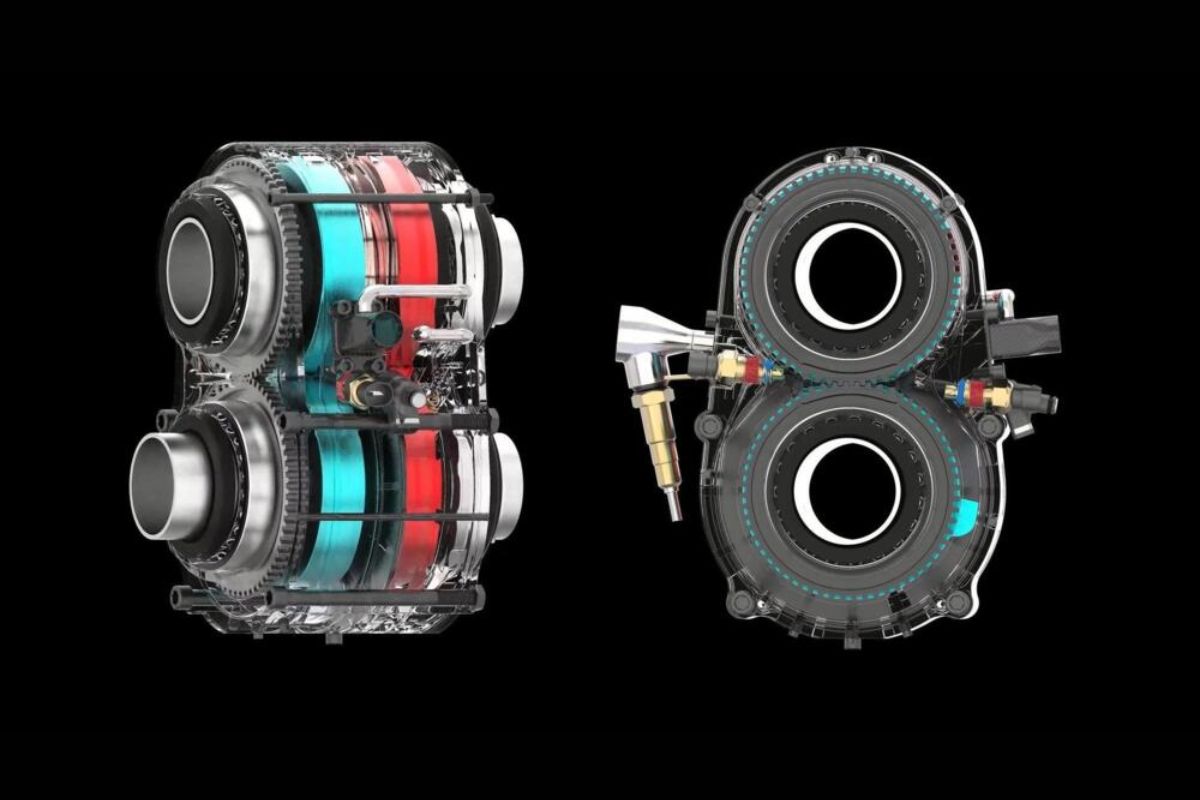


Astron Aerospace Unveils Engine That Could Save Combustion Technology: Compact as a Lawnmower, with 160 HP and Nearly Zero Emissions
While developed countries race to ban combustion engines by 2035, an American company is betting on a completely different path: reinventing the century-old thermal engine technology with a nearly clean, compact, and lightweight proposal akin to a drill.
A Rotary Engine That Defies Logic
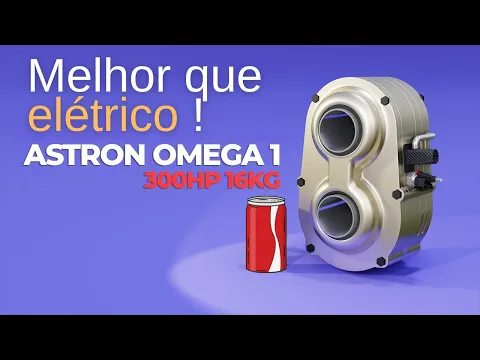
Astron Aerospace, based in the United States, has revealed to the world the Omega 1, a revolutionary engine that operates without pistons, without cylinders, and practically without polluting gas emissions. Weighing just 16 kg like a lawnmower engine — and capable of operating on various types of fuels (including non-fossil ones) — the Omega 1 promises to be a realistic alternative to electric engines, especially in countries where full electrification of the fleet is unfeasible.
Unlike conventional engines, the Omega 1 uses a modified rotary system reminiscent of the old Wankel engine. However, the technology has been updated to achieve up to 25,000 RPM, with a torque of 230 Nm and a power output of 160 horsepower — performance sufficient for light vehicles and aerospace applications, according to the developers.
-
With a cost per shot close to zero, the DragonFire laser could change naval warfare in 2027 and provide British ships with nearly unlimited defense against drones.

-
A British startup creates tires that generate electricity in electric vehicles when passing over potholes, speed bumps, and cracks.

-
Scientists have created robots made with living cells that have their own nervous system, swim on their own, explore the environment, and self-organize without any genetic engineering, and now they want to do the same with human cells.

-
Students create a solar-powered ambulance that operates without a plug, without fuel, and still keeps medical equipment running in remote areas.

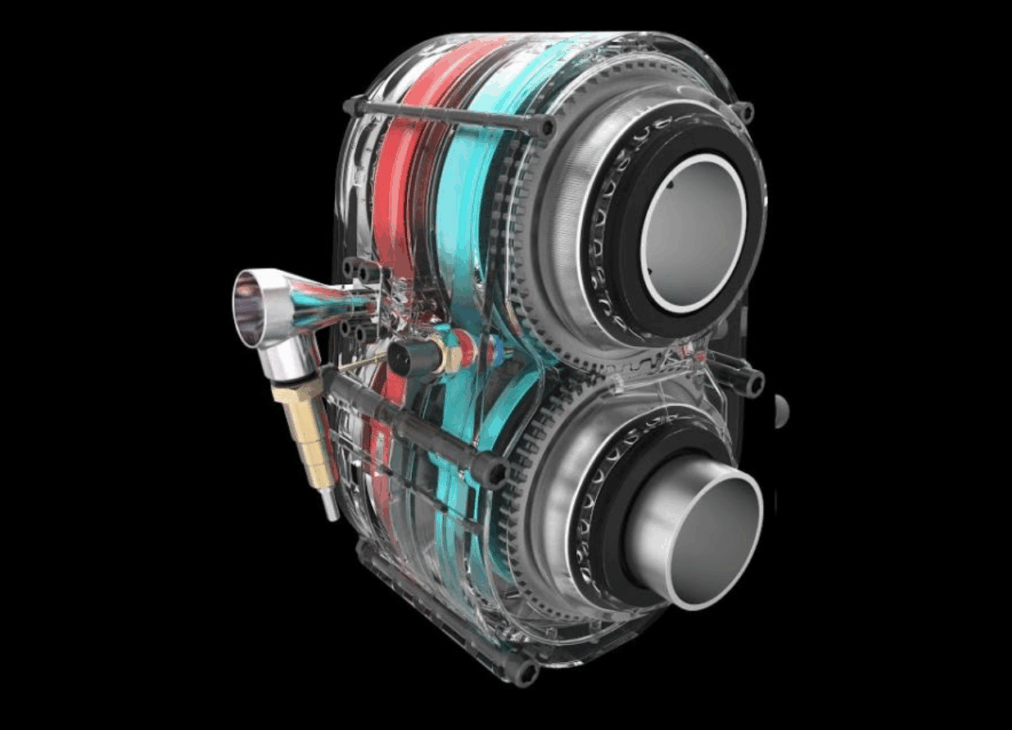
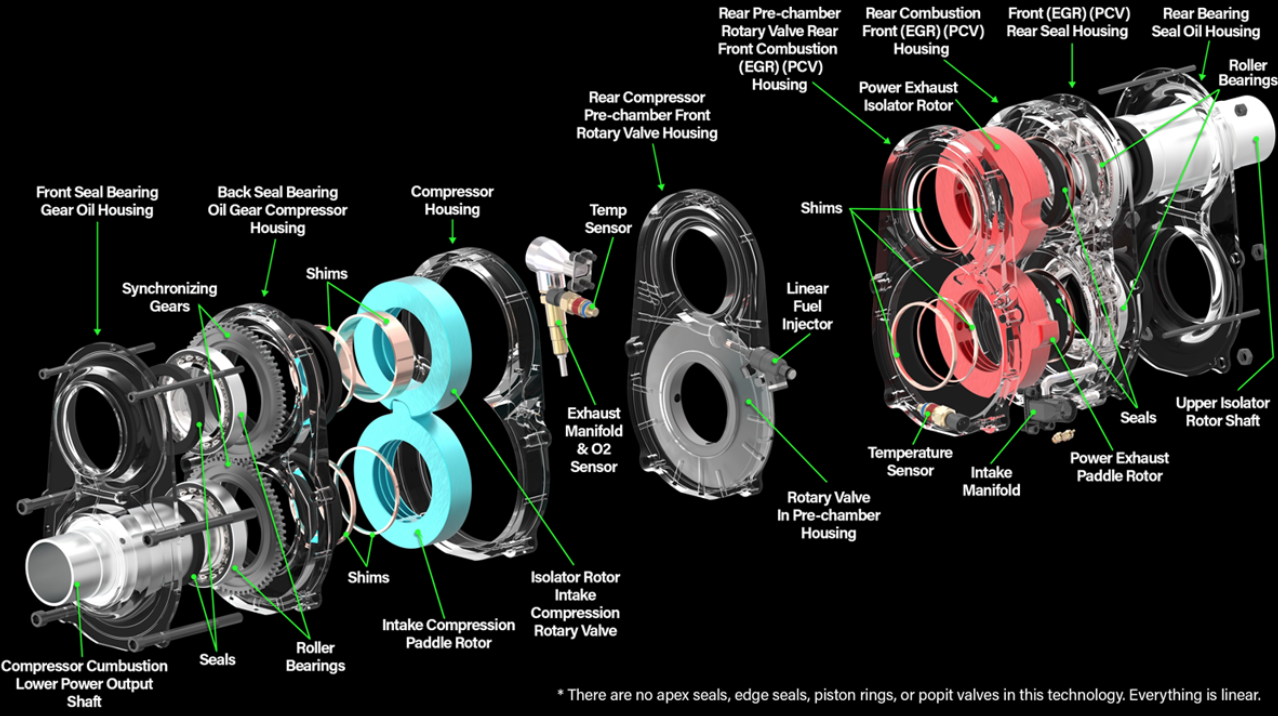
The operation is also unusual: it uses two pairs of rotors that operate in separate chambers — one pair for air intake and compression, and another for combustion and exhaust. These rotors rotate in opposite directions with synchronized gears, eliminating the need for heavy components like crankshafts or valves. The result is a highly efficient, compact assembly with reduced maintenance.
Clean, Lightweight, and Versatile Technology
The design of the Omega 1 allows it to work with any fuel capable of moving the rotors, including sustainable alternatives. The company claims that the engine has nearly zero greenhouse gas emissions, thanks to the separation between the intake chamber (cold) and the combustion chamber (hot), which prevents oil contamination — a common issue in past rotary engines.
Furthermore, the high combustion pressure achieved — around 14 bar — indicates above-average efficiency. This, combined with its reduced weight, makes it ideal for applications in cars, boats, and even aircraft.
According to Astron Aerospace, the prototype of the Omega 1 is already operational and can be easily scaled: “If more power is needed, just couple two or more engines in sequence, as we do with aircraft turbines.”
A Real Alternative in an Electric World?
The proposal arises at a time when the European Union and other economic blocs are preparing to ban the sale of combustion cars by 2035, as part of the goal to achieve net-zero carbon emissions.
However, as Astron Aerospace itself points out, not all countries are ready for this transition: charging infrastructure, high costs of electric vehicles, and dependence on rare minerals are still bottlenecks. In emerging economies, replacing the fleet with pure electric vehicles is seen as a logistical and financial challenge.
Thus, if the Omega 1 can be produced at scale and at a competitive price, it could become a bridge between the present and the future, offering an intermediate solution with a lower environmental impact and accessible cost.
“It’s not about reviving the past. It’s about reinventing combustion for the 21st century,” says the founder of Astron Aerospace in an interview with the American press.








Assunto sobre motor ótimo, problemas estes anúncios **** não consegue ler assunto devido estes demônios de anuncios
Só faz 2 anos que inventaram esse motor, parabéns pela rapidez na reportagem
Espetáculo