





 Portuguese
  English
  Spanish
  4 min of reading
  11 comments


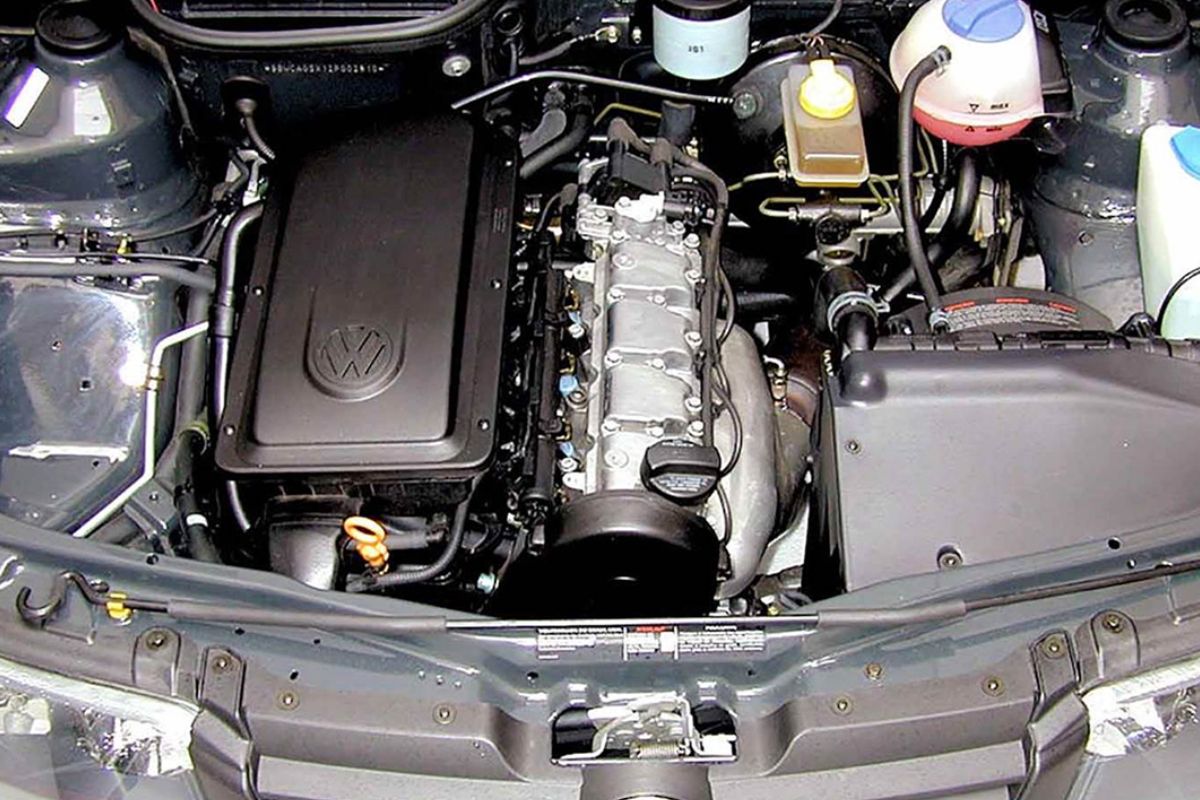


An Analysis of the Chronic Problems of the VW EA111 1.0 VHT Engine That Equipped Gol, Fox, and Voyage. Understand the Causes of Lubrication Failures, Excessive Noise, and the Impact on Consumers.
The Volkswagen EA111 1.0 VHT (Volkswagen High Torque) engine emerged in the Brazilian market as a promise of evolution for the brand’s popular cars. It equipped high-volume models such as Gol (from G5), Fox, and Voyage, and was expected to offer economy and agility.
However, what seemed like a good update soon became a headache. The VW EA111 1.0 VHT engine became known for chronic lubrication problems and a characteristic excessive noise. This article analyzes the causes of these failures, the manufacturer’s response, and the lasting impact of this saga in Brazil.
The Promise of “High Torque”: What the VW EA111 1.0 VHT Engine Offered to VW’s Popular Cars?
The designation “VHT” meant Volkswagen High Torque. The promise was for an engine with high torque at low RPMs, ideal for urban traffic and with the potential to optimize fuel consumption. To achieve this, the EA111 VHT engine received modifications such as a new intake manifold, valve timing, pistons and rings, and a new ECU.
-
Rigid bags with their days numbered: new trend prioritizes comfort in 2026.

-
YouTuber creates an excavator equipped with a giant 4.5-meter sword to challenge his brother to a rematch, and the invention quickly goes viral on social media.

-
The U.S. Army surprises the world by presenting the UH-60MX Black Hawk helicopter capable of flying without pilots, controlled by a tablet, featuring the MATRIX system, smart sensors, and full autonomy in real combat and rescue missions.

-
Heineken’s factory in Brazil produces 300 million beer cans in just 4 months, reaches 1 million hectoliters, received R$ 2.5 billion, and is already projecting an annual capacity of 5 million with sustainable technology.

The 1.0 VHT flex engine delivered 72 hp with gasoline and 76 hp with ethanol. The target audience was buyers of popular compact cars, for whom maintenance costs and fuel economy are decisive. The expectation was for a modern and efficient engine that maintained Volkswagen’s reputation for robustness.
Series Problems
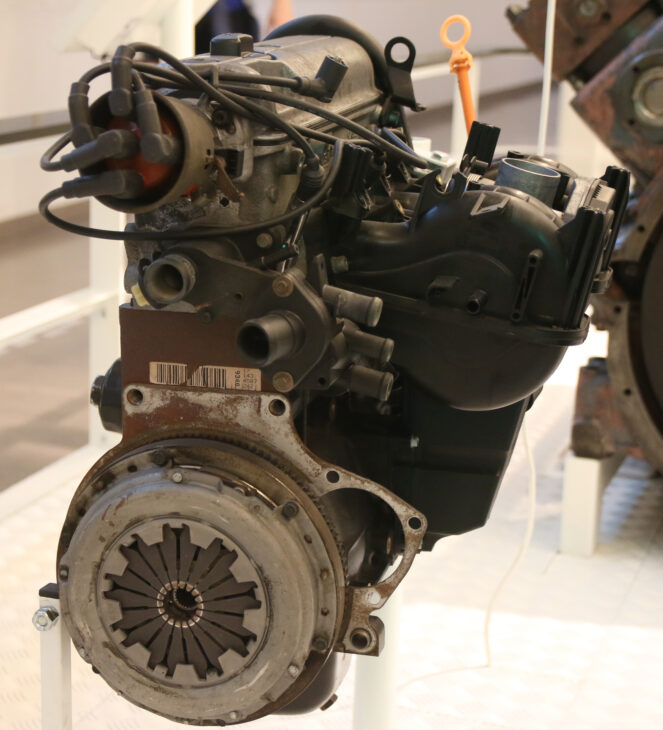
Shortly after its launch, reports of problems with the VW EA111 1.0 VHT engine began to surface. The main issue was with the lubrication system.
Excessive Oil Consumption: Owners noticed the need for frequent oil top-ups, far above the normal level.
Formation of “Sludge”: The degradation of the oil formed a thick sludge that blocked galleries and vital components, compromising lubrication.
“Ticking” Noise: A characteristic metallic sound, especially at idle, indicated internal wear due to inadequate lubrication, affecting hydraulic lifters and other parts.
Premature Wear: The lack of effective lubrication led to accelerated wear of bearings, valve timing, pistons, and rings, potentially culminating in engine seizure.
The Causes of Failure: Why Did the VW EA111 1.0 VHT Engine Experience So Many Problems in Brazil?
The lubrication crisis of the VW EA111 1.0 VHT engine had multiple interconnected causes:
Change in Oil Specification: In April 2008, Volkswagen changed the specification of the lubricating oil used for the initial filling of VHT engines. This new specification proved to be the main trigger for the problems.
Interaction with Ethanol: The new oil reacted adversely with ethanol, a fuel widely used in Brazil. This led to the loss of the lubricating properties of the oil, especially in cars primarily fueled with alcohol.
Engine Design Flaws: Technical analyses indicated that excessive clearance in bearings and timing could contribute to the system’s sensitivity, along with possible issues in the oil pressure regulating valves.
Incorrect Maintenance (Contributing Factor): Although the primary failure was related to the oil specification, using lubricants with incorrect viscosity (different from the recommended 5W40 VW 502.00) or failing to adhere to service intervals could aggravate the issue.
Expert Opinion: Volkswagen’s Response and Lessons from the VW EA111 1.0 VHT Case
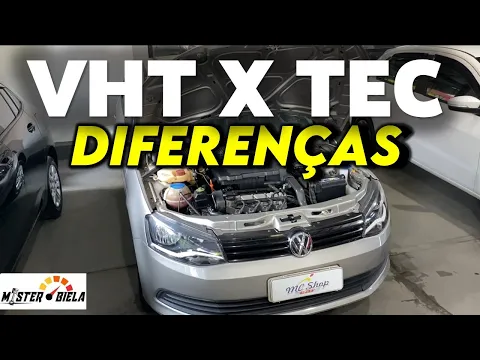

Experts such as engineer Carlos Meccia questioned why the problems with the VW EA111 1.0 VHT engine were not detected during development tests. Volkswagen’s response to the issues was initially cautious. In 2009, the company admitted to failures but cited cases of misuse or poor-quality fuel.
In October 2009, Volkswagen officially acknowledged the lubrication deficiency. The cause cited was the loss of properties of the new initial filling oil due to ethanol’s effect. Corrective measures included:
Return to the previous specification of lubricating oil (SAE 5W40 VW 502.00 for VHT/TEC engines pre-2013).
Extension of warranty on engines from three to four years, conditioned to service at dealerships.
Volkswagen did not perform a complete recall for the lubrication defect, arguing that the “ticking” noise would serve as a “warning” to the driver. This decision was controversial. Subsequently, mechanical updates were introduced in the EA111 1.0 engine line, which began to be referred to as “TEC” (Technology for Fuel Economy) from the 2012 line, which significantly reduced failures.
Experts recommend: for owners, strict adherence to the correct oil and regular changes. For used car buyers, extreme caution with VHT models from 2008-2011/12 and thorough mechanical inspection.







Os mecânicos, deveriam se reunir e tratarem do assunto de forma mais técnica e com maior precisão. Cada um tem uma informação, em geral, formada a partir de carros de clientes que não cuidam do carro como se deve. Só sabem ligar e andar. Abastecem em qualquer posto, colocam qualquer marca de óleo e em tempo errado, tratam o motor 1.0 como 1.6, colocam água no radiador, compram peças em desmanches e, por aí vai…
É, o melhor de todos é o AP(Alta Perfomance). Usa vários óleos diferentes do especificado, pega esquente, passa mil ou mais da hora da troca de óleo, e segue bom demais…..
Tenho um Fox G2 2011 com o EA111 VHT, comprei ele zero km, nunca mudei a especificação do lubrificante do motor e sigo sempre com rigor as trocas, sempre óleo e filtro de óleo junto.
Meu carro está atualmente com 270k rodados, zero problemas e só alegria, carrinho gostoso de andar e na estrada muito econômico.
Minha esposa que usa ele, temos outros carros para trabalho e passeio, mas o piqueteiro para cidade,ir ao trabalho e colégio do filho é ele !
Ótimo carro, teria outro com essa mecânica tranquilamente.