





 Portuguese
  English
  Spanish
  4 min of reading
  2 comments




Study Reveals That Copper and Plastic Lead Global Billion-Dollar Losses, While Circular Economy Emerges as a Strategic Solution to Reduce Costs, Strengthen Production Chains, and Address Environmental Crises
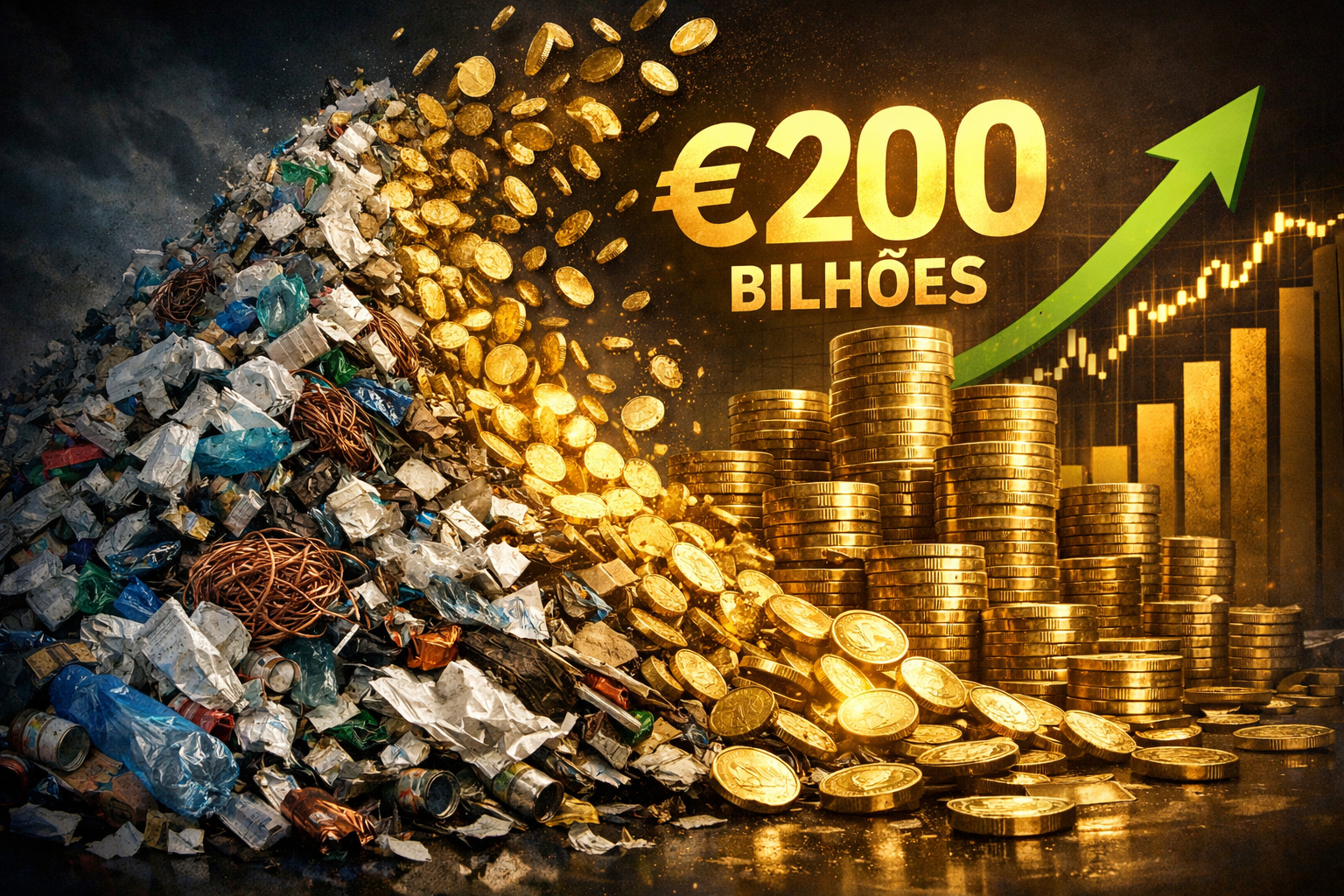
Throwing money away with trash seems absurd. However, that is exactly what happens every year on a global scale. The world wastes about € 200 billion per year on recyclable materials, an amount equivalent to approximately R$ 1.2 trillion annually, according to an international survey. Copper and plastic account for the largest portions of this economic loss: € 68 billion in copper and € 48 billion in plastic simply stop circulating in the economy.
This information was released by the “Boston Consulting Group (BCG)” in the study Circularity’s Time Has Come, which details how the linear economy based on extracting, producing, and discarding continues to generate financial, environmental, and social waste of gigantic proportions. According to the report, implementing the circular economy could reduce costs, decrease volatility in supply chains, and create relevant competitive advantages in the global market.
Furthermore, the study reinforces that circularity is not just an environmental issue. It is primarily an economic strategy capable of transforming waste into productive assets.
-
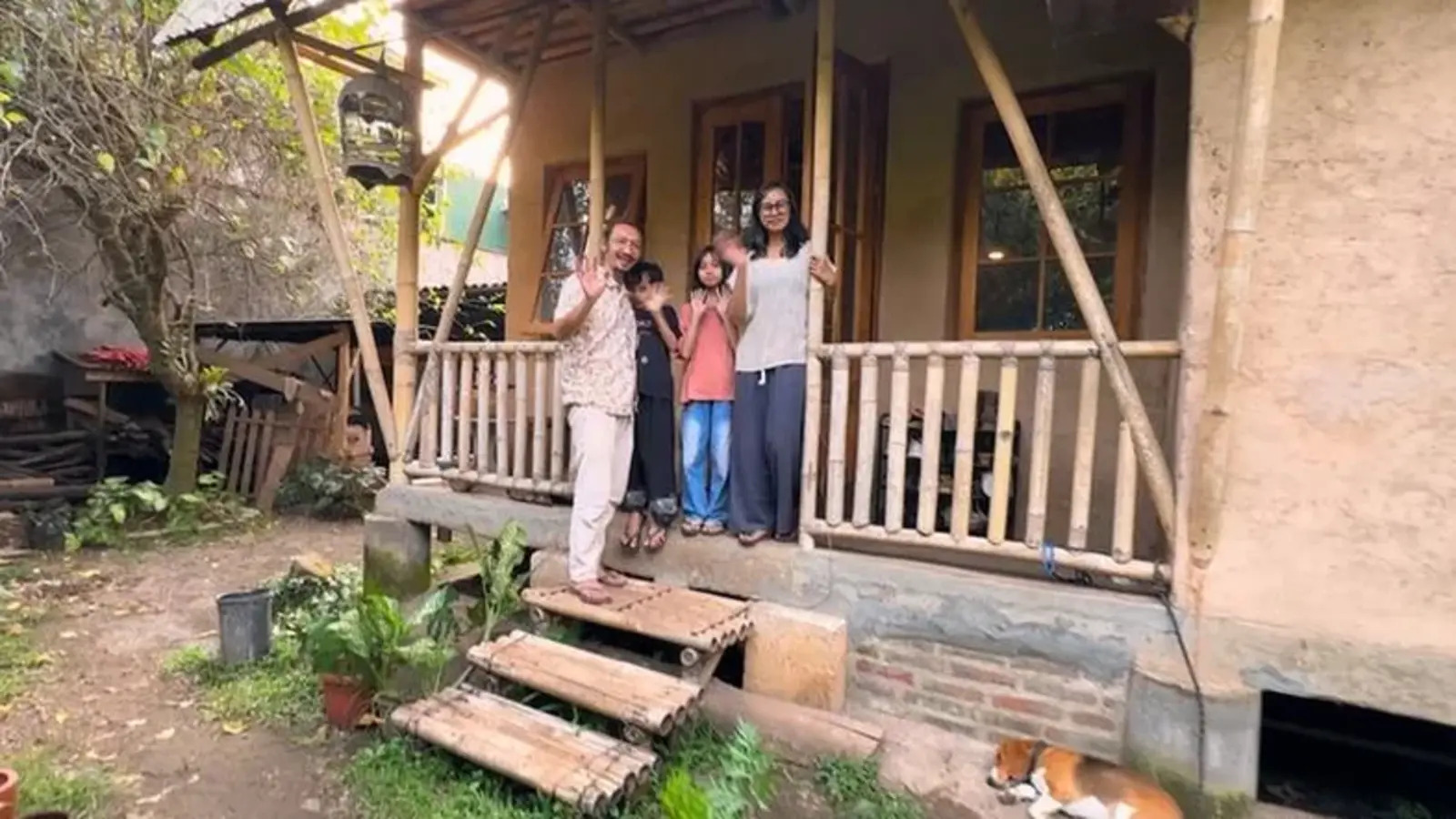
With earth, bamboo, straw, and lime mortar, a specialist builds a house for just over $460 and draws attention for its cost being much lower than traditional construction.
-
Rodrigo de Freitas Lagoon advances in environmental recovery with sanitation, elimination of irregular sewage, and the resumption of water sports in Rio de Janeiro.

-
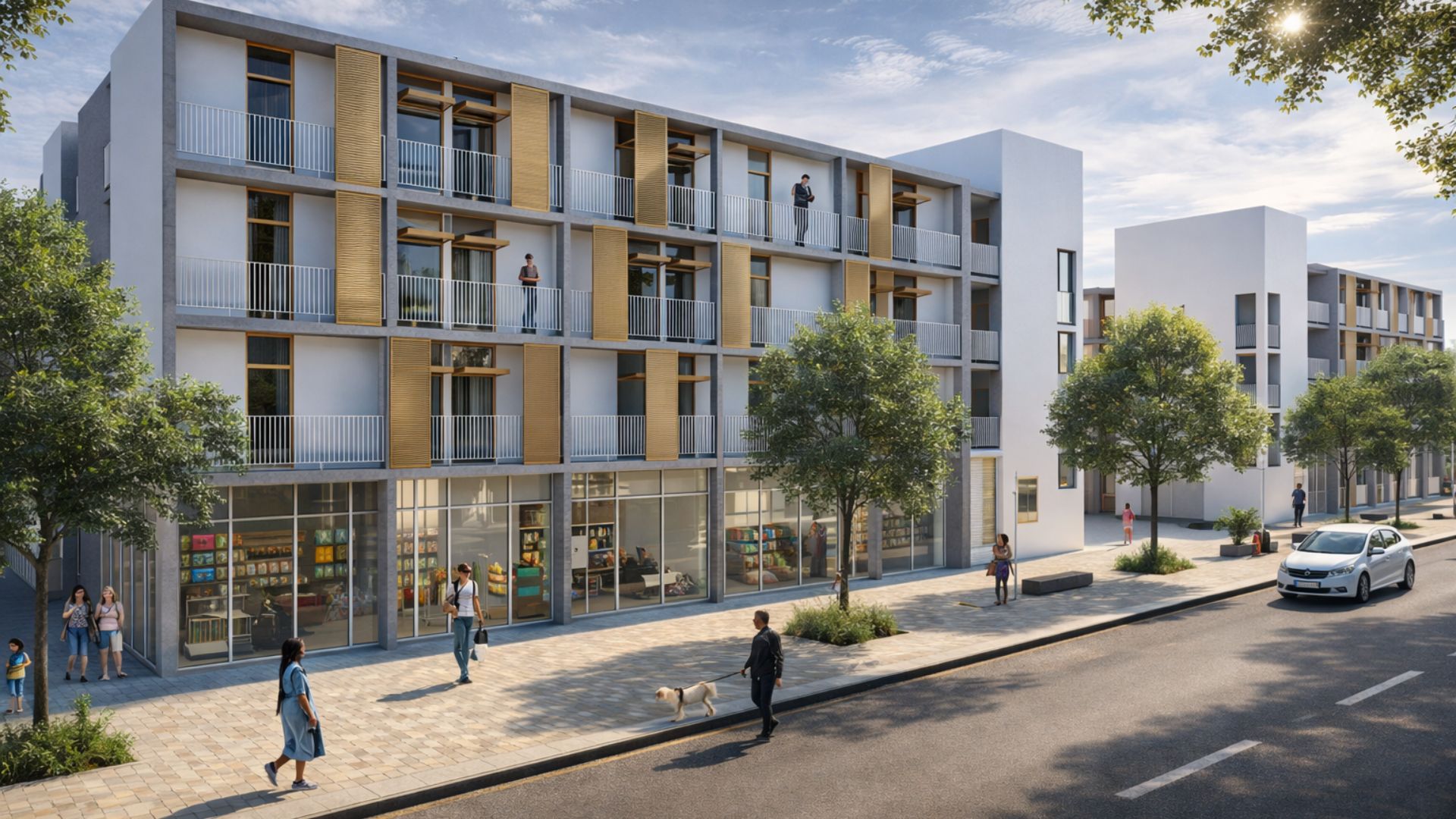
Sustainable housing gains strength with a nationally awarded project in Campo Grande, highlighting innovative solutions that combine sustainability, urban integration, and efficiency in the use of natural resources.
-
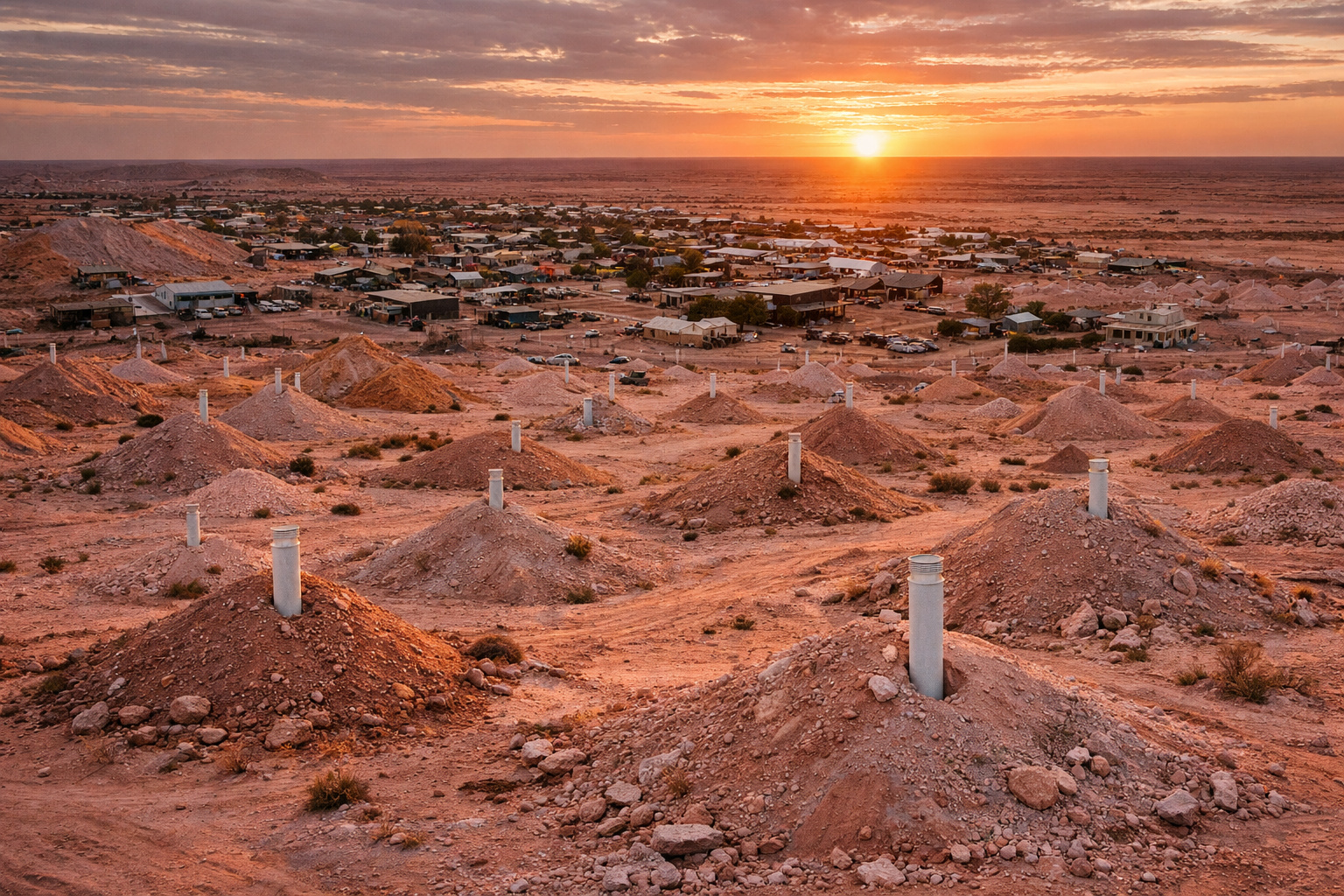
City Where Residents Live Underground to Escape 52°C May Be a Picture of the Future on an Increasingly Hot Planet

Global Circularity in Decline and Invisible Costs of the Linear Economy
Although the extraction of raw materials has increased in recent decades, the global circularity rate has fallen. In 2023, it reached only 7.2%, an alarming indicator of how much the planet still relies on the linear model.
Previously, analyses by the Ellen MacArthur Foundation had shown that in 2015, the linear model cost Europe € 7.2 billion per year only in the mobility, food, and built environment sectors. According to Victoria Almeida, program manager at the Ellen MacArthur Foundation for Latin America, this dimension of waste demonstrates both the urgency and the economic opportunity of the circular economy.
Thus, the transition to more efficient production models becomes not only desirable but inevitable. After all, in addition to financial waste, the linear economy exacerbates crises such as climate change, biodiversity loss, and plastic pollution.
According to BCG, strategies such as:
- Ensuring a stable supply of recyclable materials
- Reducing waste fragmentation at the source
- Adopting innovative technologies
- Integrating circularity into strategic planning
could reduce costs by up to 15%.
Therefore, companies that adopt circular practices tend to gain a competitive edge while reducing operational risks and environmental impacts.
Brazil Makes Progress, but Still Wastes Billions on Recyclables
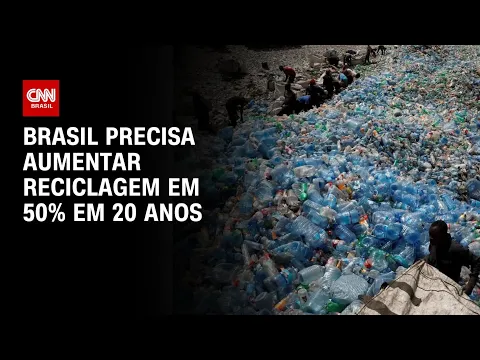

In Brazil, significant recent advancements have emerged, such as:
- Creation of the Recycling Incentive Law
- Establishment of the National Circular Economy Strategy
- Prohibition of solid waste imports
Despite this, the numbers reveal that there is still enormous wasted potential.
Between 2020 and 2024, the state of Rio de Janeiro failed to generate R$ 766 million from plastic waste that could have been recycled. This data is part of a study from the Professional Master’s program in Environmental Sciences at Veiga de Almeida University (UVA), based on data from SINIR+ and the Recycling Yearbook.
In the same period, the plastic recycling market in the state generated just over R$ 118 million. However, had there been structured support for the production chain, this figure could have reached R$ 884.5 million.
Moreover, a previous survey by Firjan estimated that Rio de Janeiro wastes around R$ 2 billion per year on unutilized recyclables, considering all materials.
The Billion-Dollar Potential Hidden in Plastic Waste
Between 2020 and 2024, the state of Rio generated approximately 32 million tons of municipal solid waste. Of this volume, 16.80% is plastic, according to the State Solid Waste Plan (PERS/RJ). This represents about 5.4 million tons of plastic waste, equivalent to the weight of 4,700 Christ the Redeemer statues.
However, the Waste Recovery Index (IRR) of the state was only 0.49%, according to SINIR+. Of this small percentage recycled, 32% were plastics.
For comparison:
- Average IRR in Brazil in 2019: 1.67% (24% plastics)
- IRR of Rio Grande do Sul in 2019: 4.35% (27% plastics)
The average selling prices of plastic waste in the Southeast region were:
- R$ 1,160/t (2020)
- R$ 1,960/t (2021)
- R$ 2,310/t (2022)
- R$ 2,830/t (2023)
- Projection for 2024: R$ 3,327/t
This means that there is a growing market, with continuous appreciation of recyclable materials that remains underutilized due to structural failures and low efficiency in waste recovery.
Consequently, the circular economy emerges as an essential strategy to promote socioeconomic development, strengthen cooperatives, and integrate industry and recycling into a sustainable model.
Conclusion: Waste or Historic Opportunity?
The circular economy does not merely represent an environmental agenda. On the contrary, it consolidates itself as an economic model capable of recovering billions, reducing risks, creating jobs, and strengthening production chains.
In light of a global scenario where the world wastes € 200 billion per year, the question shifts from whether we should adopt circularity to when and how quickly we will make this transition.
Do you believe that companies and governments are prepared to turn waste into wealth, or are we still stuck in the linear model?









Vejo que tem muito trabalho a se feito, nessa passagem de transição de economia LINEAR , para econômica circular Tmj
Ainda estou estamos preso ao modelo linear.