





 Portuguese
  English
  Spanish
  5 min of reading
  0 comments


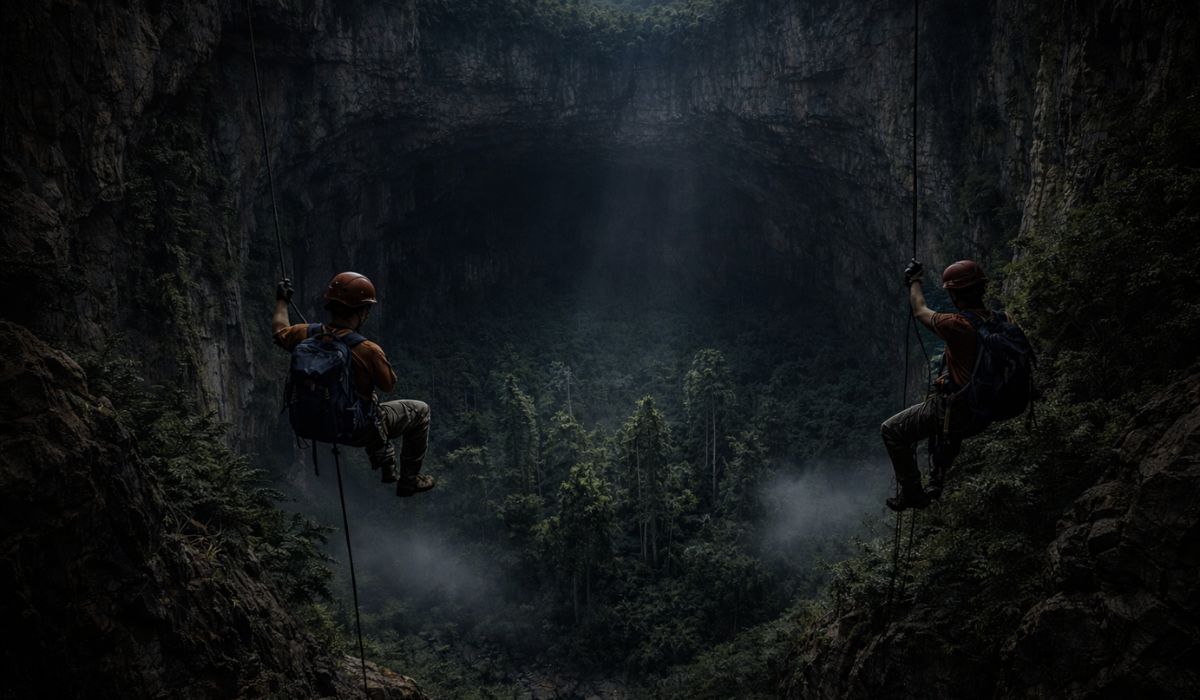
A Large Geological Formation Revealed In Southern China A Preserved And Inaccessible Environment With Dense Vegetation At The Bottom Of A Doline That Began To Attract International Attention And Scientific Interest.
In southern China, a scientific expedition conducted in 2022 found, at the bottom of a large doline, an environment with dense vegetation and trees reaching nearly 40 meters in height.
The structure is located in Leye County, in the Guangxi Autonomous Region, and is 192 meters deep, 306 meters long, and 150 meters wide.
Inside, researchers identified a preserved forest and pointed out the possibility of undiscovered species, although this point depends on further studies.
-
With 333 meters and equivalent to a 20-story building: China launches a supertanker that transports 2 million barrels, has 540,000 m² of area, and saves $5 million per year.

-
Brazil becomes a beacon of hope for ending plastic waste by leading a global plan that could prevent millions of tons from entering the oceans.

-
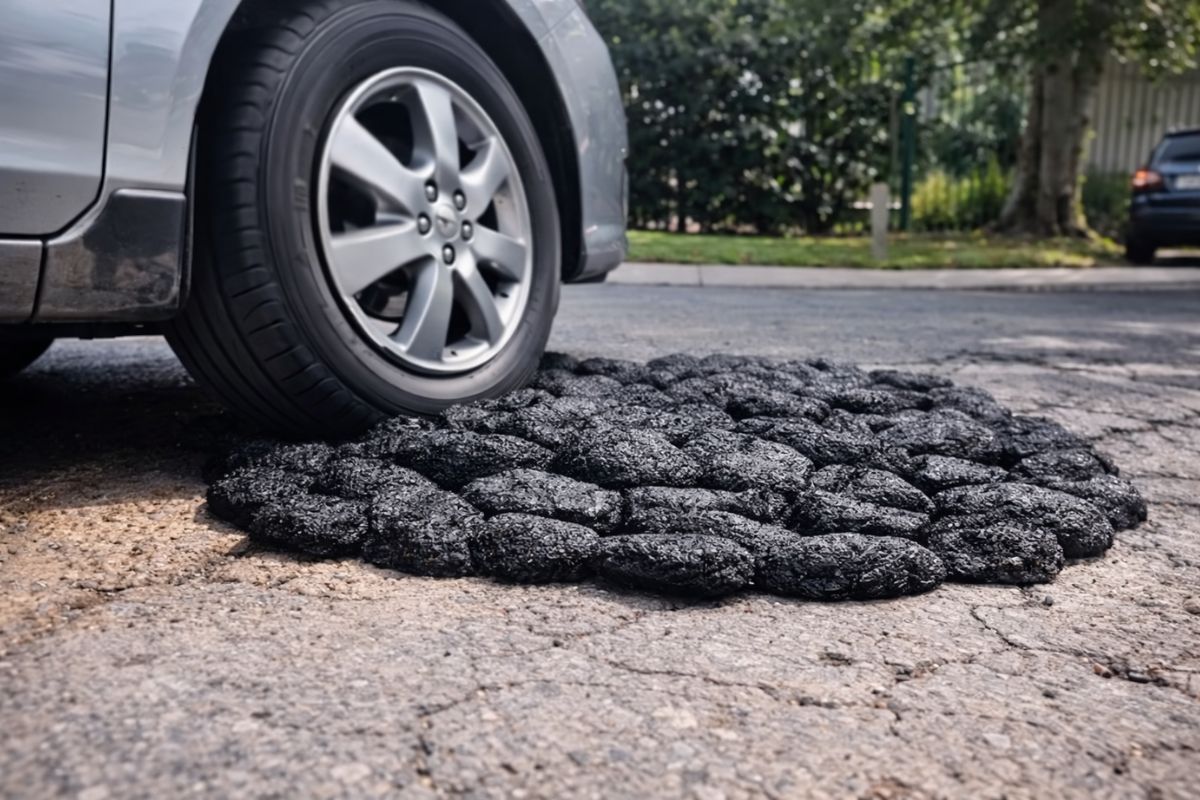
The low-cost solution called PatchPal, invented in South Africa to fix potholes in minutes, does not crack and prevents water from entering, becoming more compact with each car that drives over it, revolutionizing road repairs that governments have forgotten.
-
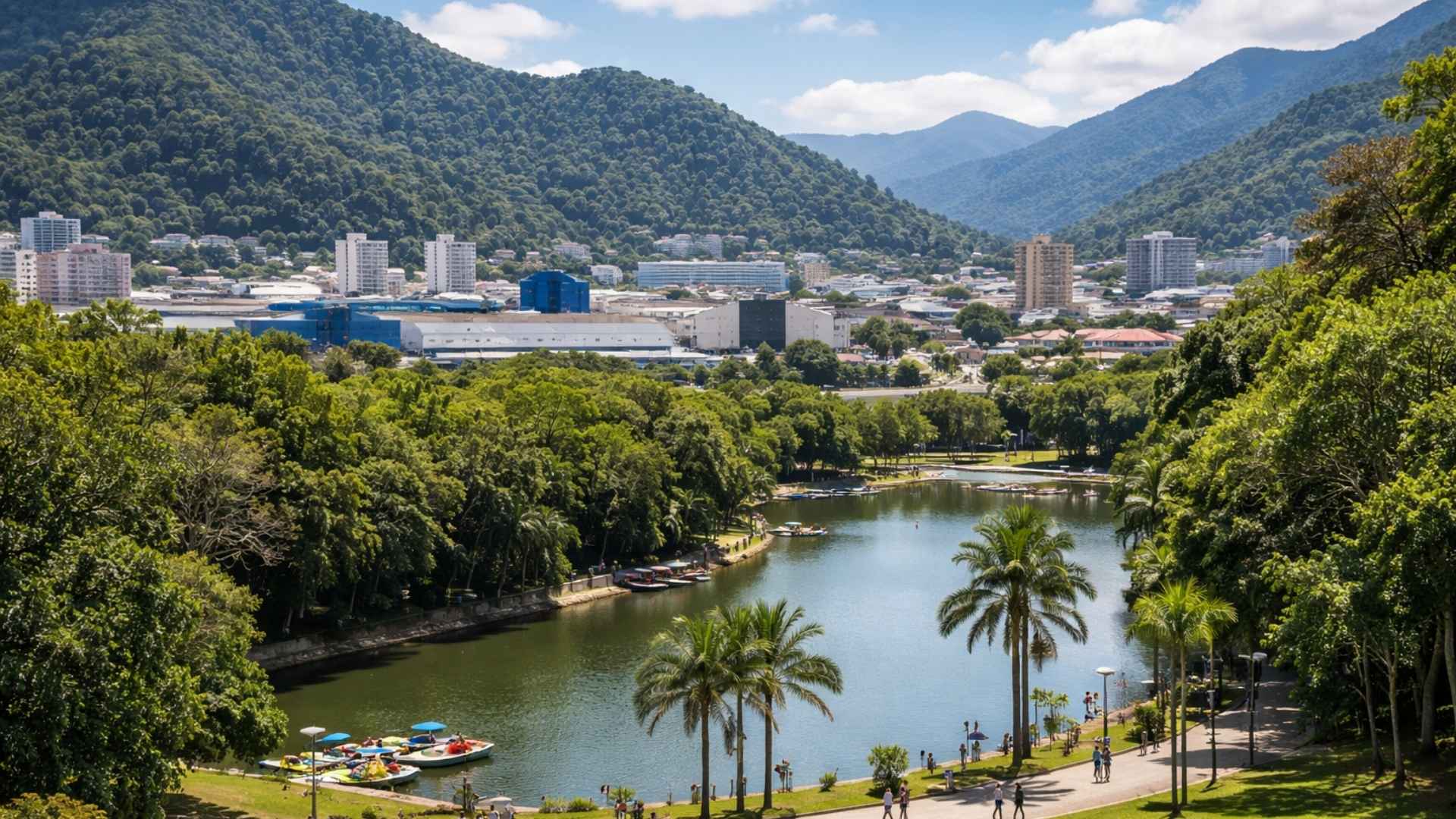
The 2nd safest city in Brazil is attracting new residents, industries, formal jobs, and also has a giant free park.

The discovery gained international attention for bringing together, in the same place, a large geological formation and an ecosystem isolated by specific natural conditions.
According to the state agency Xinhua, the team found three large openings in the walls of the doline, interpreted as remnants of earlier stages in the evolution of the structure.
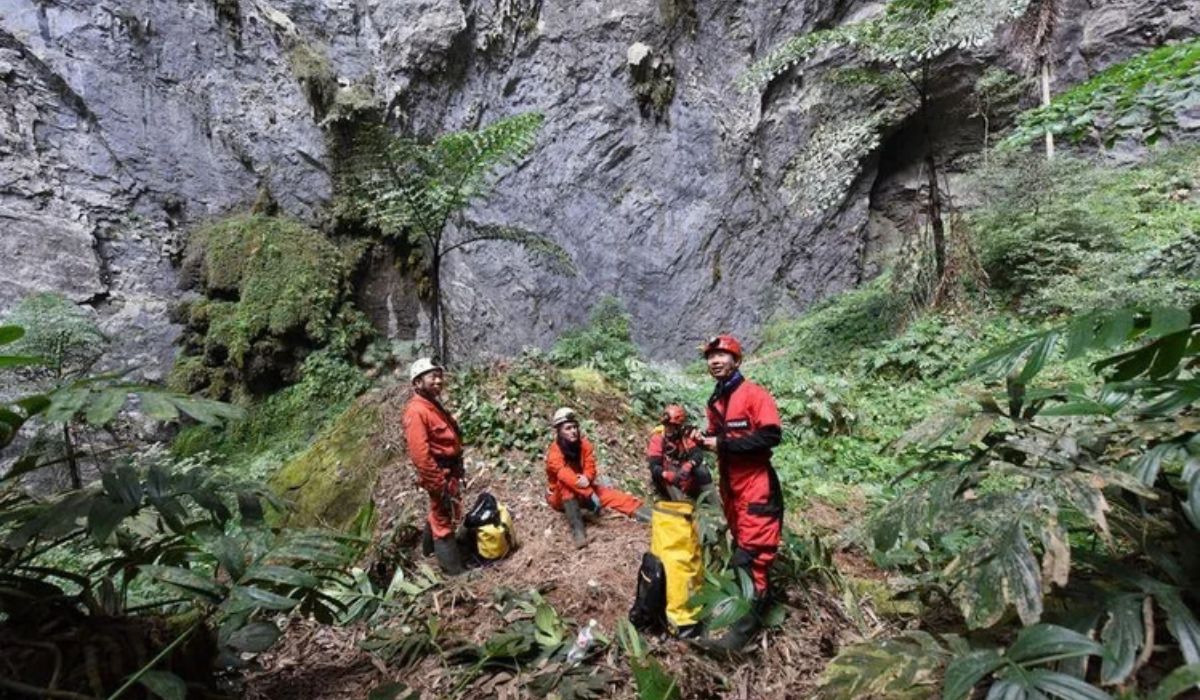
At the bottom, the dense forest and the height of the trees caught the attention of the explorers, who had to descend by ropes and walk for hours to reach the base of the hole.
Geological Formation In Guangxi And Origin Of The Doline
The doline located in Leye is the result of typical processes in karst areas, where water seeps into the ground and slowly dissolves soluble rocks, especially limestone.
Over time, underground cavities grow in size until the ceiling collapses, opening large depressions on the surface.
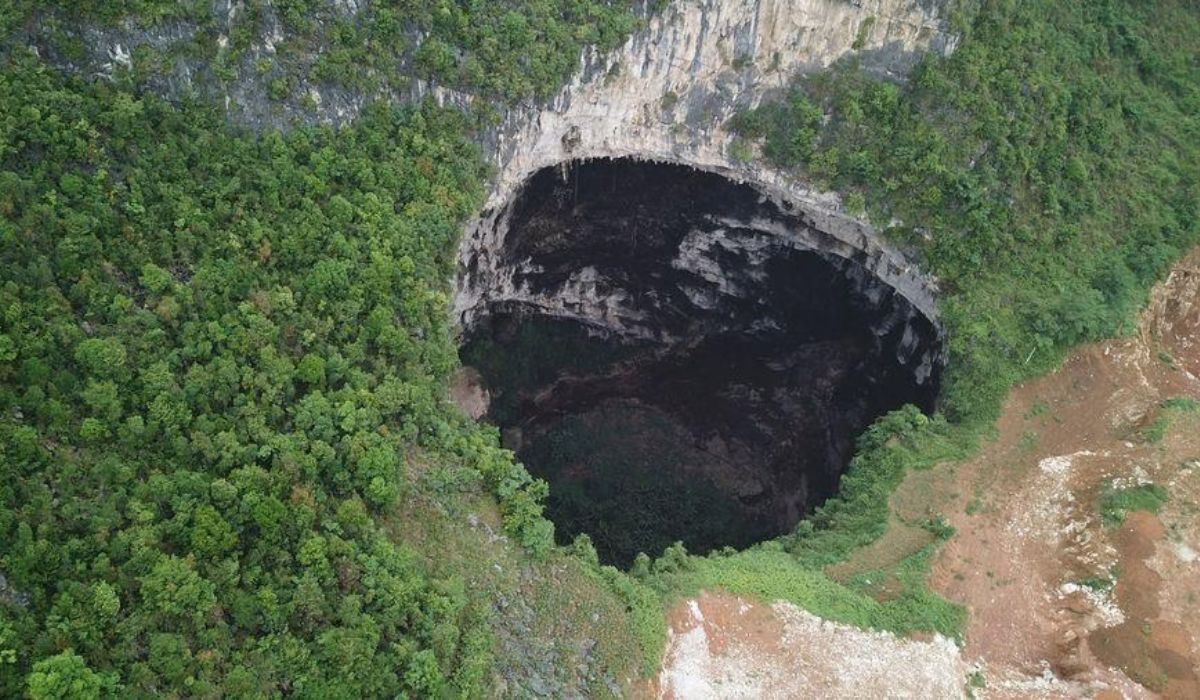
On a monumental scale, these structures are known in China as tiankeng, a term often translated as “heavenly pit.”
Guangxi hosts some of the most famous karst landscapes on the planet.
UNESCO itself describes the Leye-Fengshan Global Geopark as a territory marked by dolines, karst canyons, underground rivers, springs, and extensive cave systems.
In this geological context, the region records a high concentration of this type of formation.
In the case of Leye, the discovery announced in May 2022 raised the count of large dolines identified in the area to 30, according to Xinhua.
What Was At The Bottom Of The Hole In China
The central fact of the expedition was the presence of a preserved forest inside the doline.
According to the report released after the exploration, the tallest trees approached 40 meters, while the understory vegetation reached the height of the team members’ shoulders.
Instead of a predominantly rocky space, the group found a humid environment, shaded, with continuous vegetation coverage.
This scenario is associated with specific environmental conditions.
In formations of this type, the steep walls, reduced direct wind exposure, and moisture retention create a more stable microenvironment than that observed outside.
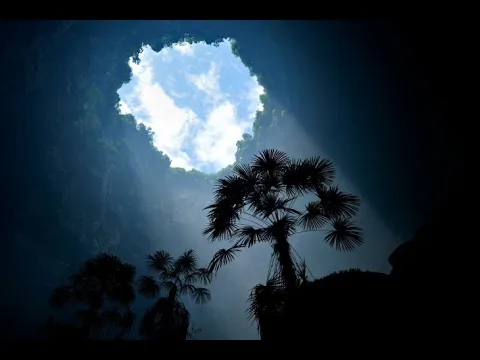

In an article published by UNESCO Courier and updated in January 2025, researcher Tang Jianmin describes tiankengs as relatively closed environments, with high humidity and lower temperatures, connected to the underground flow of water.
According to him, this combination favors the maintenance of green areas throughout the year and helps preserve unique biological resources.
Although headlines about the case have used expressions like “lost world” or “untouched forest,” what the consulted sources confidently assert is that the area presented an unusual state of preservation with no apparent signs of recent human activity.
This characteristic is already sufficient to make the location relevant for researchers.
Any assertion about absolute isolation throughout the entire history of the environment goes beyond what has been effectively reported by the available sources.
Why The Discovery Interests Science
The scientific interest is linked to the potential of these environments for research.
Areas like this can function as ecological refuges, where plant, animal, and microorganism species persist under conditions different from those observed on the surrounding surface.
UNESCO states that tiankengs serve as underground sanctuaries for unique life forms and cites botanical surveys that have found rare, endemic, and endangered plants in such areas in China.
The publication also highlights that these locations can act as natural banks of germplasm and biodiversity.
In the specific case of the Leye doline, explorers asserted that the site may harbor species still unknown to science.
However, confirmation requires collection, taxonomic description, and validation by specialists.
So far, the available sources register the possibility of undocumented species, and not the proof that they have been officially described based on this expedition.
This caution is necessary because discoveries of this nature often lead to amplified interpretations before the studies are concluded.
Nevertheless, the relevance of the area is already evident in the available data.
The fact that the doline harbors a preserved forest, with complex vegetation structure and difficult access, makes it a strategic area for studies in botany, conservation, and dynamics of ecosystems in karst terrains.
Moreover, UNESCO warns that these environments are vulnerable when they begin to experience tourist pressure or other forms of human intervention.
Dolines, Biodiversity And Research In Karst Areas
The discovery in Guangxi also reinforced an already present line of research in geological studies: large dolines may house poorly studied ecosystems.
The article from the UNESCO Courier informs that about 300 tiankengs have been identified worldwide and that China contains approximately two-thirds of them.
Therefore, the country occupies a central position in research on this type of relief, both for the quantity of formations and their associated biological diversity.
In the Leye-Fengshan Geopark, the scale of the phenomenon appears in different mapped structures in the region.
UNESCO cites 35 collapsed dolines in the Dashiwei grouping, including one that is more than 600 meters wide and 613 meters deep.
Within this scenario, the doline discovered in 2022 is not the largest in the area, but it has become one of the most cited for clearly exposing the relationship between relief, environmental isolation, and biological conservation.
The case of Guangxi shows that underground or semi-underground areas can still harbor relevant fragments of biodiversity, even in regions already known to science.
In a scenario of increasing pressure on natural habitats, the existence of these refuges amplifies interest in research and preservation.





-

-

-

10 pessoas reagiram a isso.