





 Português
  Inglês
  Espanhol
 4 min de leitura
  0 comentários


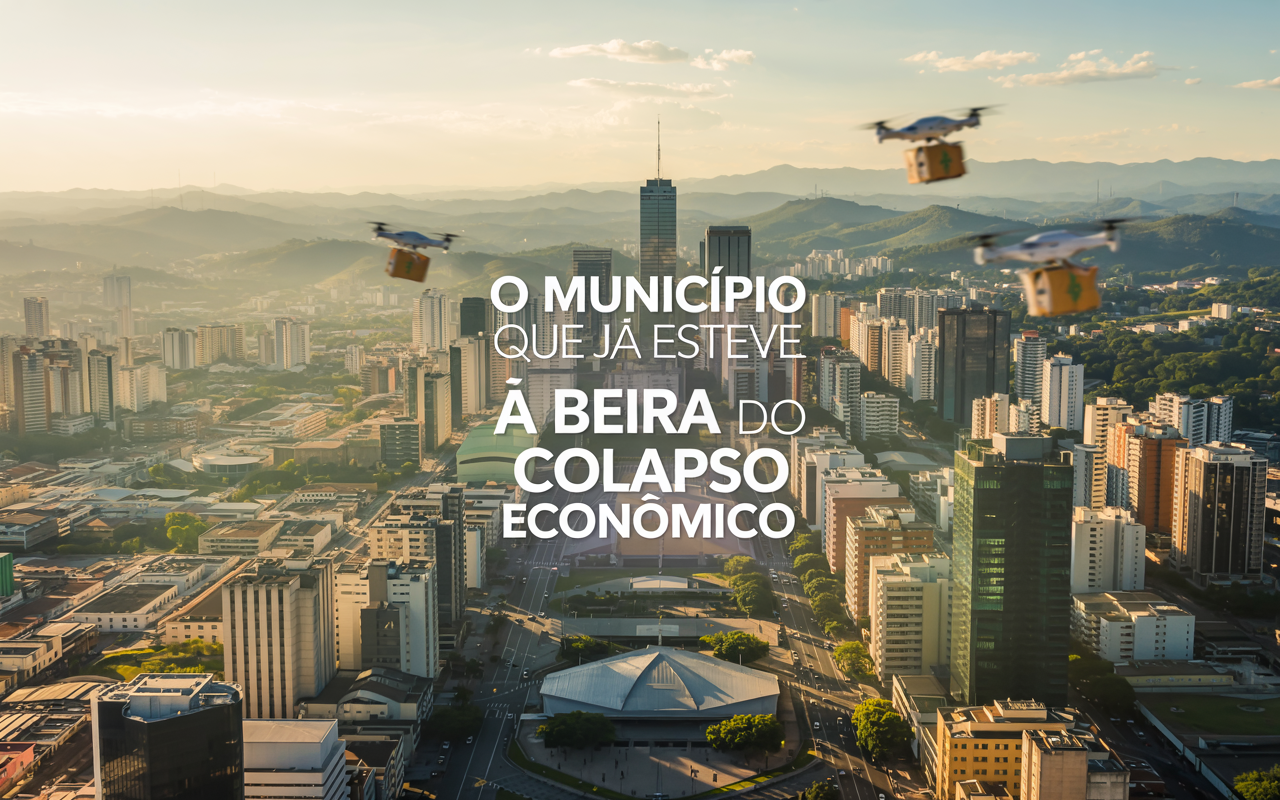
Maringá, Paraná, Overcame Economic Crises and Today Attracts Investors with Its Accelerated Growth, High Quality of Life, and Strong Economic Diversification.
Few cities in Brazil have undergone such an impressive transformation as Maringá, Paraná. The municipality, which was once on the brink of economic collapse decades ago, now stands out as a true growth hub, attracting the attention of investors, families, and entrepreneurs from all over the country. With a diversified economy, high quality of life, and strong expansion of the real estate sector, Maringá solidifies its position as one of the most promising cities in Brazil.
A City Planned from the Start
Officially founded in 1947, Maringá was born as a modern urbanization project in the interior of Paraná. Its creation was driven by the Northern Paraná Land Company, which attracted settlers from various parts of Brazil and European immigrants to explore the fertile soil of the region, initially focused on coffee cultivation.
During the 1950s and 1960s, Maringá rapidly prospered, experiencing a cycle of accelerated population and economic growth. However, this ascent was interrupted in the 1970s when successive frosts devastated coffee production, leading to the decline of its main economic activity.
-
The world’s first octopus farm wants to open in the Canary Islands and is already provoking an international reaction: the plan aims to produce 3,000 tons per year.

-
Drought may be creating stronger superbugs in the soil and helping antibiotic resistance reach hospitals, warns a study highlighting a problem that could grow alongside extreme weather.

-
The biggest scam in history: Napoleon’s France deceived the United States by selling them a territory that was Spanish.

-
Why is the Danakil Desert so dangerous? It has unstable terrain and how extreme temperatures and toxic gases turn the region into one of the most hostile environments on Earth.


The economic crisis directly hit the population, creating unemployment and prompting many residents to seek opportunities in major centers like São Paulo and Curitiba.
The Turning Point: Diversification and Strategic Vision
Faced with the threat of stagnation, political and business leaders, along with the population of Maringá, bet on a new strategy: diversifying the economy. Abandoning agricultural dependence, the city invested in multiple sectors such as commerce, services, technology, modern agribusiness, and education.
The establishment of important education institutions, such as the State University of Maringá (UEM), was crucial for the formation of a qualified workforce, attracting young and skilled professionals back to the city.
Investment in planned urbanism, safety, and green areas also contributed to establishing Maringá as a national reference in quality of life in Paraná.
Cooperativism was another decisive engine. Agricultural cooperatives like Cocamar modernized their operations, expanded their businesses, and helped to strengthen local agribusiness with innovation and cutting-edge technology. Meanwhile, information technology companies, startups, logistics centers, and food industries bolstered economic diversification.
Maringá Today: The New Focus of Investors
Currently, Maringá is experiencing significant economic appreciation. The high-end real estate market is growing rapidly, with square meter prices in prime areas exceeding R$ 10,000 — values unthinkable just 10 years ago.
The city also stands out nationally as one of the most structured innovation and technology hubs in southern Brazil. Technology parks, startup incubators, and municipal tax incentives have attracted companies from various segments, consolidating Maringá as one of the most appealing municipalities for investment in the interior.
According to recent data from IBGE, Maringá now surpasses 440,000 inhabitants, with a per capita GDP exceeding R$ 50,000. The municipality frequently appears in rankings of the best cities to live in, offering excellent urban infrastructure, efficient public health, quality education, and low crime rates.
Highlights and Curiosities about Maringá
- Quality of Life: Maringá has led the basic sanitation ranking in Brazil for years and stands out as one of the most tree-filled cities in the country, with approximately 90 m² of green space per inhabitant.
- Symbolic Cathedral: The Our Lady of Glory Minor Basilica Cathedral, standing at 124 meters tall, is one of the largest temples in Latin America and a postcard of the city.
- Events and Fairs: Maringá hosts annual business events, innovation congresses, and agribusiness fairs, stimulating its economy and attracting visitors from various regions.
- Sectors on the Rise: In addition to the real estate and agribusiness sectors, the service, education, technology, and logistics sectors are some of the pillars of the new Maringá economy.
Maringá: A Promising City with a Grand Future
The history of Maringá is an example of resilience and smart planning. The municipality that once faced the risk of economic collapse now ranks among the most sought-after destinations for investors and families in search of quality of life and business opportunities.
With a solid and diversified economy, modern urban structure, and a favorable business environment, Maringá daily reinforces its status as a promising city — and all indications are that its future will continue to be one of expansion and development.








Seja o primeiro a reagir!