





 Portuguese
  English
  Spanish
  4 min of reading
  0 comments


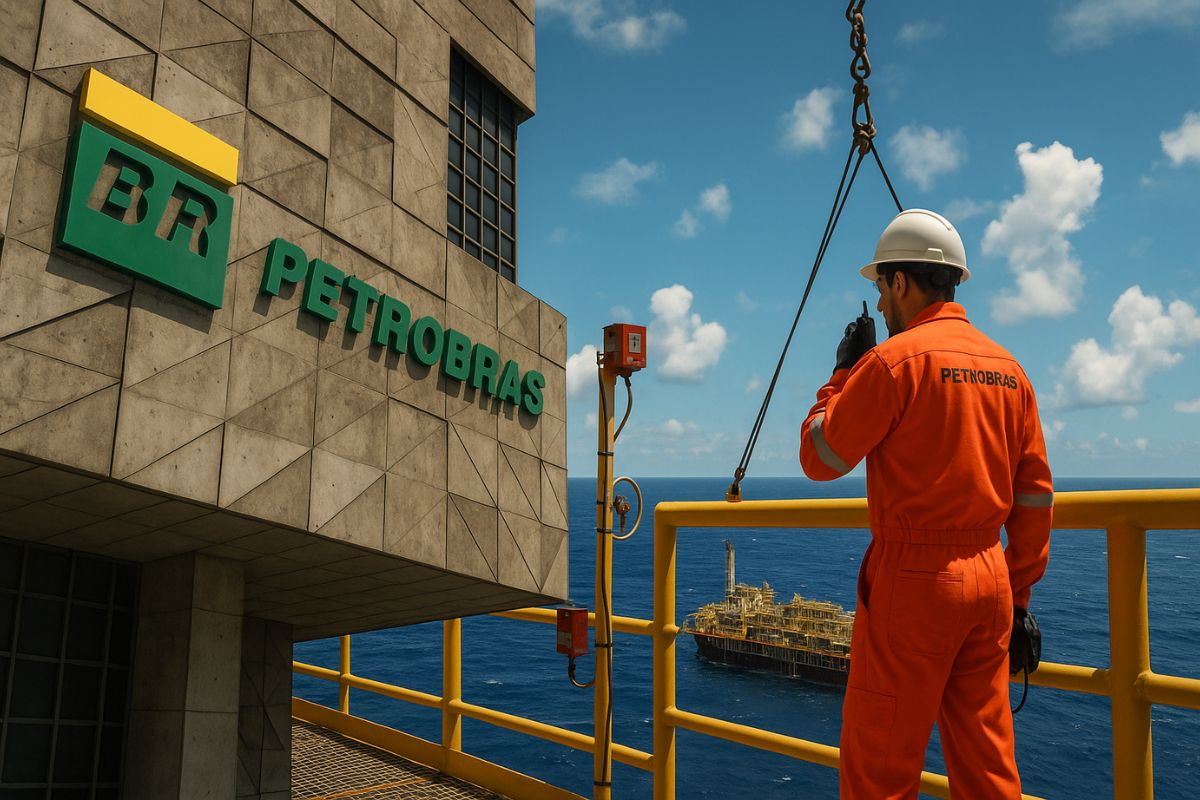
Concluded in July 2020, the transaction marked Petrobras’ new strategy and the arrival of a British operator specializing in mature fields in the country’s main oil basin.
In one of the largest transactions in the oil and gas sector in Brazil, Petrobras concluded, on July 16, 2020, the sale of ten producing oil fields in the Campos Basin to the British operator Trident Energy. The deal, with a total value that may exceed US$ 1 billion, was a fundamental step in the state-owned company’s strategy to focus on higher profitability assets and opened up a new investment dynamic in the region.
The sale of the Pampo and Enchova Poles, a set of mature fields in shallow waters, allowed a company specializing in asset revitalization, such as Trident, to take over the operation with the objective of extending the lifespan and optimizing the production of an area historically significant for the national oil industry.
How Was the Agreement Structured for Almost US$ 1 Billion?
The negotiation, which began to be outlined in 2017, was structured to balance the risks and expectations of both companies. The total value of the deal was divided into two parts:
-
The rise in oil prices could ensure an extra revenue of R$ 100 billion for the Federal Government, indicates a recent economic study.

-
Naturgy begins an investment of R$ 1.6 million to expand the gas network in Niterói and benefit thousands of new residences and businesses.
-
A major turn in the Justice system suspends tax increases and directly impacts oil and gas companies in Brazil by affecting costs, contracts, and financial planning, leaving uncertain what could happen to the sector if these costs had increased.

-
Brava Energia begins drilling in Papa-Terra and Atlanta and could change the game by reducing costs in oil while increasing production and strengthening competitiveness in the offshore market.

Firm Payment of US$ 418.6 Million: this was the guaranteed amount received by Petrobras. A signal of US$ 53.2 million was paid at the signing of the contract in July 2019, and the remainder, US$ 365.4 million, was paid upon completion of the transaction in July 2020.
Contingent Payment of up to US$ 650 Million: this additional amount, known as earn-out, will be paid to Petrobras in the future, contingent on the performance of the fields and, mainly, the variation of the oil price in the international market.
This structure allowed Petrobras to secure a base value for the assets while participating in future gains if Trident was successful in its plans.
Why Sell Assets in the Campos Basin?
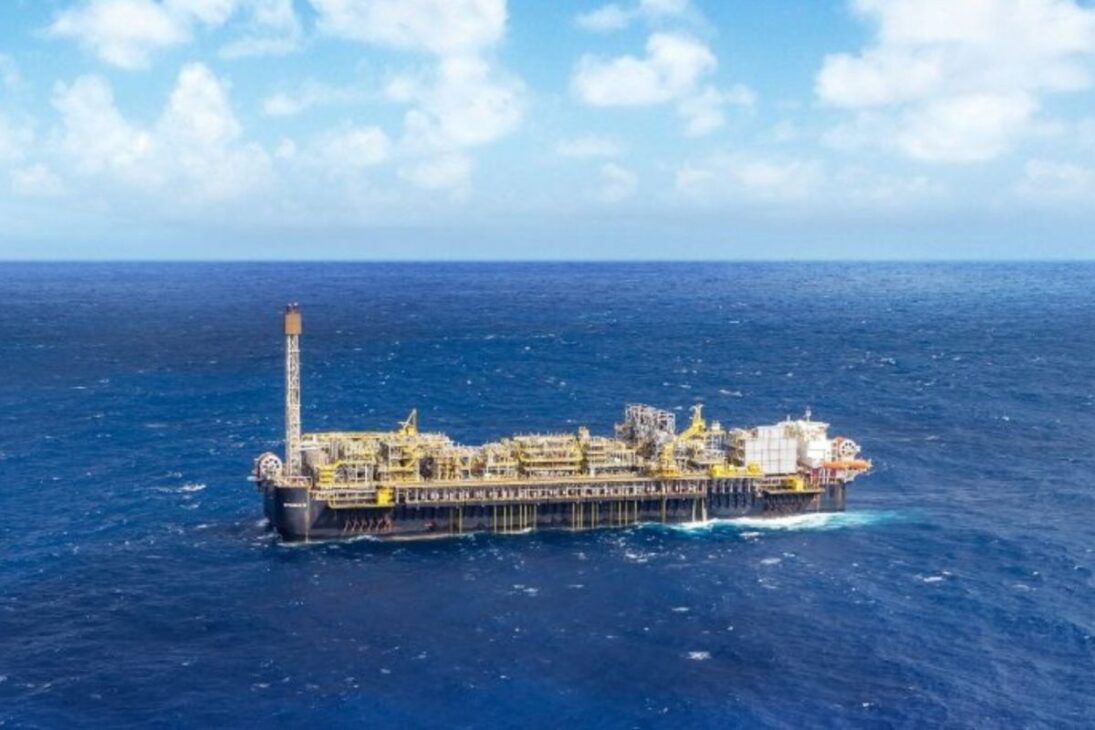
The sale of the fields in the Campos Basin was part of a profound strategic reorientation by Petrobras. The company decided to focus its financial and human resources on assets with greater competitiveness and returns, especially in the pre-salt fields in deep and ultra-deep waters.
Moreover, the transaction was part of a broad divestment program aimed at reducing the company’s high debt levels. The sold fields, discovered in the 1970s and 1980s, were already in a phase of production decline, with production falling from around 39,000 barrels per day in 2018 to approximately 22,000 barrels per day in mid-2020, making the operation less profitable for the state-owned structure.
Who Is Trident Energy, the New Operator of the Campos Basin?
Trident Energy is an international operator focused on the acquisition and revitalization of oil and gas fields that have surpassed their peak production, known as mature assets. Backed by the private equity fund Warburg Pincus, the company already had operations in Africa before entering the Brazilian market.
The acquisition of assets in the Campos Basin marked the company’s strategic entry into South America. Trident’s aim was to apply its expertise to increase production, extend the lifespan of the fields, and maximize the recovery of remaining reserves.
Get to Know the Pampo and Enchova Poles
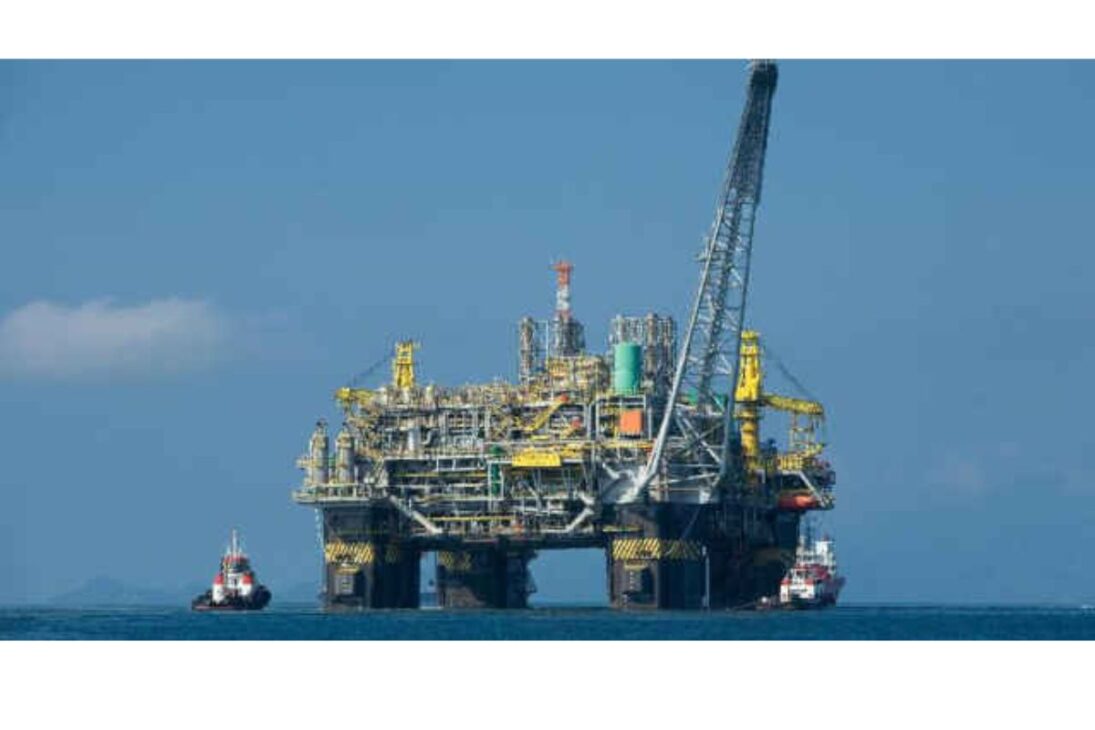
The transaction involved 100% of Petrobras’ stake in ten concessions, grouped into two operational poles in the Campos Basin:
Pampo Pole: includes the fields of Pampo, Badejo, Linguado, and Trilha.
Enchova Pole: includes the fields of Enchova, Enchova West, Marimbá, Piraúna, Bicudo, and Bonito.
The infrastructure inherited by Trident is vast and includes four central production platforms (PPM-I, PCE-1, P-8, and P-65), in addition to all associated subsea systems.
The Production of the Fields After the Sale in 2020
Since taking over the operation, Trident Energy has implemented an ambitious investment plan. Production, which was 22,000 barrels per day at the time of the sale, has shown a growth trajectory, reaching a peak of 30,000 barrels per day in December 2023.
However, managing mature assets presents challenges. Reports from the risk rating agency S&P Global Ratings in mid-2024 indicated that the company faced “operational issues,” such as compressor failures, which led to declines in production in some months. This volatility highlights the complexity of operating aging infrastructure, even with new investments.










-

Uma pessoa reagiu a isso.