





 Portuguese
  English
  Spanish
  4 min of reading
  14 comments


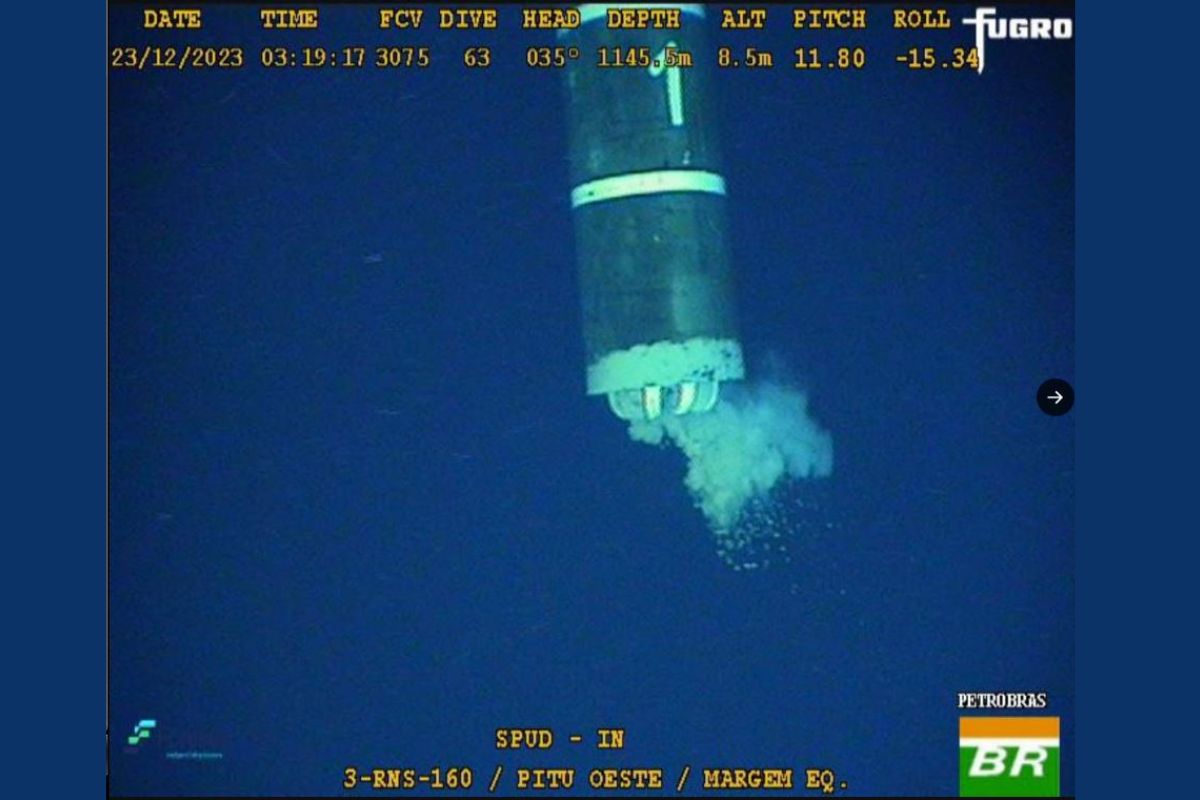


The Confirmation of Oil in the Equatorial Margin, After the Drilling of the Pitu Oeste Well, Ignited a National Dispute Between Billion-Dollar Economic Potential and the Risk of an Environmental Disaster in the Amazon.
Petrobras found oil in the Equatorial Margin, a vast area along the northern coast of Brazil. The discovery, made at the end of 2023 during the drilling of the Pitu Oeste well, validated the thesis that the region could host a wealth comparable to that of the Pre-Salt and initiated an intense national debate. On one side, the promise of trillions of reais in revenue and the guarantee of the country’s energy security. On the other, the fear of a catastrophic environmental disaster.
The drilling of the Pitu Oeste Well, in the Potiguar Basin, was the spark of this dispute. It represents the first step in an exploratory campaign that could change Brazil’s future, but also puts the government, society, and Petrobras itself at a crossroads: is it worth taking the risk?
The Confirmation: The Discovery of Oil in the Potiguar Basin in 2024
After obtaining the environmental license from IBAMA, Petrobras began the drilling of the Pitu Oeste Well on December 23, 2023, about 52 km off the coast of Rio Grande do Norte. In January 2024, the company officially announced the presence of hydrocarbons. Although economic viability had not yet been confirmed, it was proof that the oil system in the region was active.
-
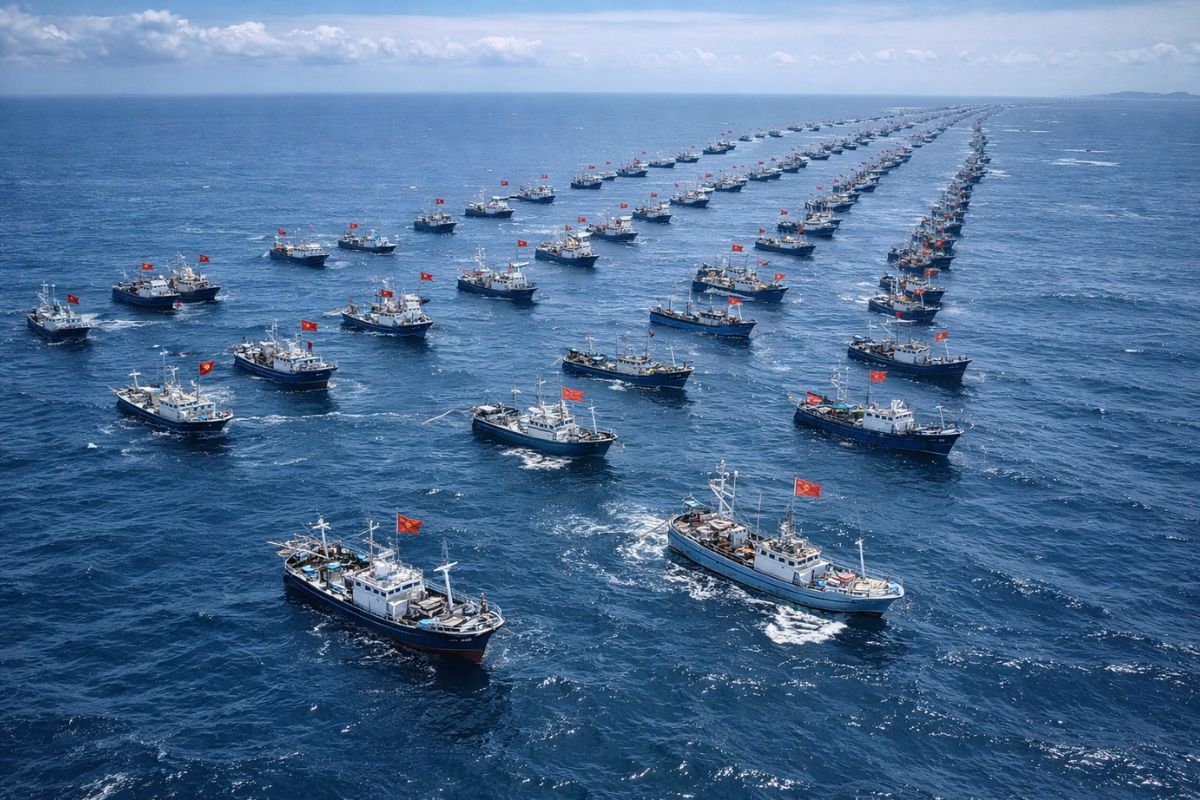
China has deployed more than 1,400 fishing boats in formation, creating a barrier of 320 kilometers at sea, and the whole world wants to know if this is fishing, a military exercise, or a message of war.
-
Spain surprises the world by erecting 62 artificial dunes, mixing sand with natural remains of posidonia, and causing the structure to lose only 1.4% of its volume in 1 year.

-
With 16 Bulava missiles, improvements in acoustic stealth, and a design focused on silent patrols, Russia’s nuclear submarine was born to ensure Moscow’s invisible retaliation and has become one of the pillars of its maritime strength.

-
‘Populous’ city in Rio among the worst in Brazil in national ranking and exposes silent development crisis.

The real turning point, however, came in April 2024, with the drilling of the neighboring well, Anhangá. There, Petrobras not only found oil but confirmed that the reservoirs had the same geological formation as the giant, world-class discoveries made in Guyana and Suriname. This was the proof the industry had been waiting for, validating the immense potential of the Equatorial Margin.
The Licensing Battle: Why Did IBAMA Approve One Basin and Deny Another?

The campaign in the Potiguar Basin only progressed after a rigorous licensing process, which included a detailed Pre-Operational Assessment to test Petrobras’ response capability to accidents. The license was granted on October 2, 2023.
This success contrasts sharply with what is happening further north. In May 2023, IBAMA denied Petrobras’ request to drill in the Amazon River Mouth Basin, citing technical inconsistencies in emergency plans and the extremely high environmental risk. The decision shows that the environmental agency does not have a uniform opposition to exploration, but rather a risk-based approach, considering the Amazon River Mouth a much more sensitive and dangerous area to operate in.
Arguments in Favor of Exploration: Sovereignty and One Trillion Reais at Stake
The government and industry faction advocating for exploration, led by the Ministry of Mines and Energy and Petrobras, has strong arguments. The main one is energy security. With Pre-Salt production projected to start declining after 2030, Brazil needs to find new reserves to avoid becoming an oil importer again.
The economic potential is another pillar. The federal government estimates that production in the Equatorial Margin could generate up to R$ 1 trillion in revenues for the country. These resources are seen as essential for financing Brazil’s energy transition itself and promoting the socioeconomic development of the North and Northeast states.
Arguments Against Exploration: Environmental Risk and Climate “Waste”

On the other side of the dispute, the Ministry of the Environment, environmentalists, and traditional communities warn of unacceptable risks. The biggest concern is the possibility of an oil spill affecting the unique biodiversity of the region, which includes the Amazônia Reef System and the world’s largest mangrove belt.
Beyond the local risk, there is the climate dilemma. A study by the International Institute for Sustainable Development (IISD) indicates that exploration in the Equatorial Margin may not be profitable if the world meets the Paris Agreement targets to curb global warming. In this scenario, high-cost projects could become “stranded assets”, leading to billion-dollar losses.
A Plan for US$ 3.1 Billion After the Drilling of the Pitu Oeste Well
Despite the deadlock, Petrobras’ plans are ambitious. The company intends to invest US$ 3.1 billion to drill a total of 16 wells in the Equatorial Margin by 2029. The success of the drilling of the Pitu Oeste Well is used by the state-owned company as proof of its ability to operate safely in the region.
However, the future of Brazil’s most coveted frontier remains open. The final decision depends on a delicate balance between the promise of wealth and environmental responsibility, a debate that divides the government and society and will determine the country’s energy direction in the coming decades.







A única empresa capaz de explorar petróleo com segurança na região amazônica é a Petrobrás, A Petrobrás já explora Petróleo em Urucum a mais de 20 anos sem nenhum registro de acidente grave.
Não acho que o Brasil esteja dividido com relação a esse assunto. Provavelmente a maioria nem sabe do que se trata e a grande maioria dos que sabem é a favor. Basta fazer uma pesquisa isenta pra comprovar.
Queremos o molusco na **** pra sempre na prisão perpétua isso sim ****…
Para o Brasil é um desastre ambiental, mas para qualquer outro país é um milagre econômico. Que **** de imprensa brasileira