





 Portuguese
  English
  Spanish
 4 min of reading
  23 comments


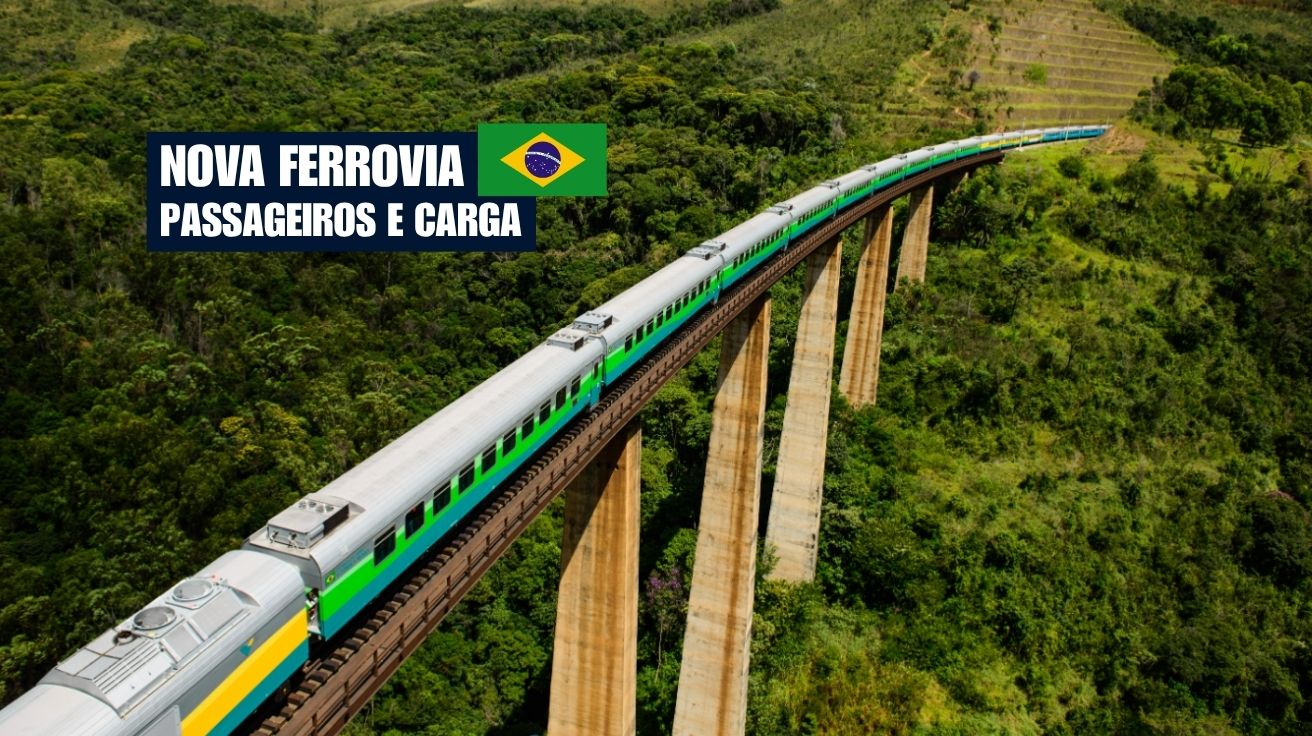


Modern Railway Linking Salvador to Feira de Santana Promises to Transform Transportation in the Northeast with Speed, Sustainability, and Logistical Integration. Project Gains Strength and Could Become a National Model.
The federal government recently officially took over the project of the new Brazilian train that will connect Salvador to Feira de Santana, in Bahia.
Initially conceived by CCR Metro Bahia and TIC Bahia Ltda., the initiative envisions a mixed railway system — passengers and cargo — with approximately 98 km in length, designed to operate at speeds of up to 160 km/h and reduce travel time to just 35 minutes.
More than just a mode of transportation, this new Brazilian train represents a logistical, urban, and environmental transformation in one of the most densely trafficked regions of the Northeast.
-
Spain surprises the world by erecting 62 artificial dunes, mixing sand with natural remains of posidonia, and causing the structure to lose only 1.4% of its volume in 1 year.

-
With 16 Bulava missiles, improvements in acoustic stealth, and a design focused on silent patrols, Russia’s nuclear submarine was born to ensure Moscow’s invisible retaliation and has become one of the pillars of its maritime strength.

-
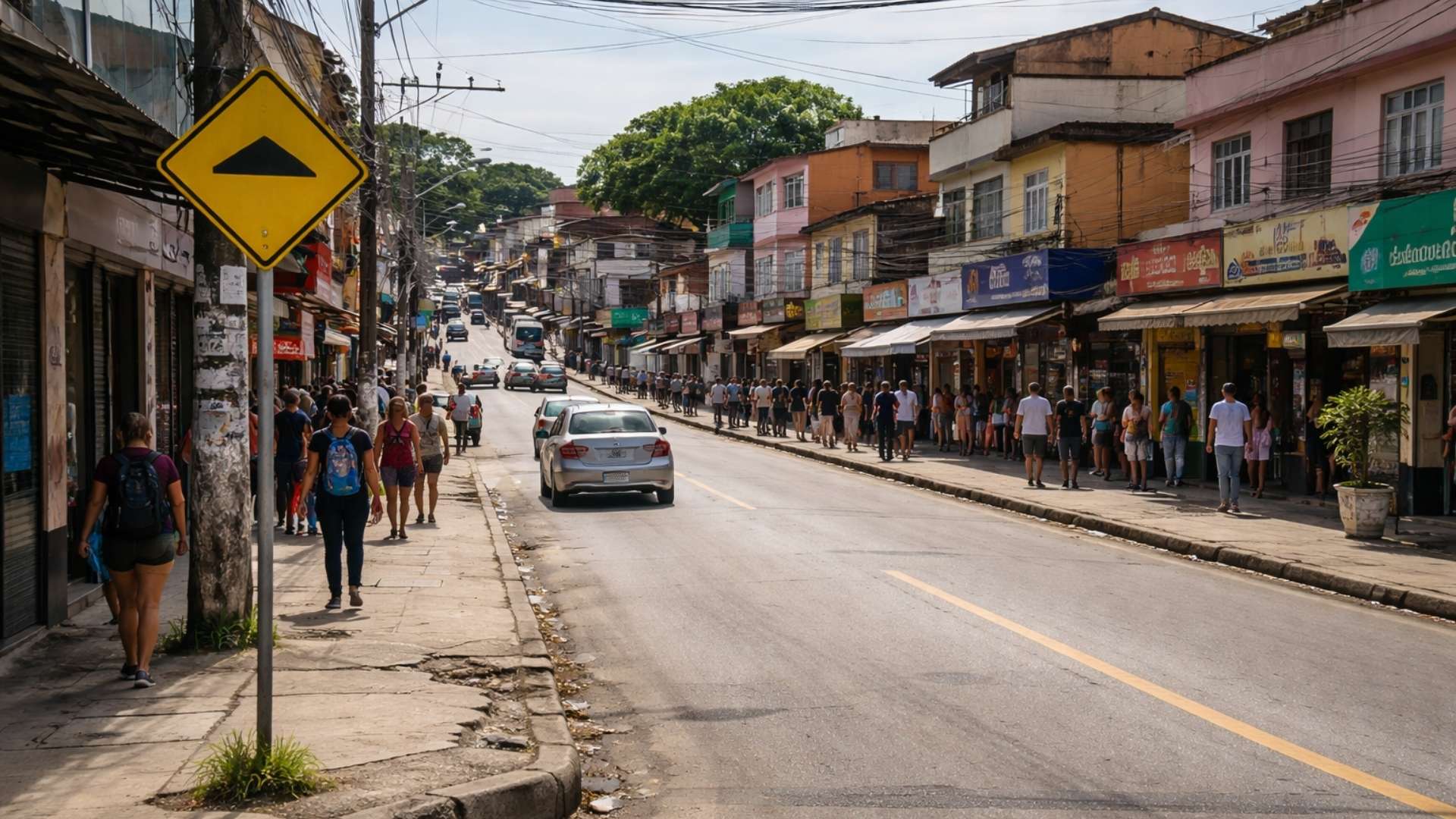
‘Populous’ city in Rio among the worst in Brazil in national ranking and exposes silent development crisis.
-
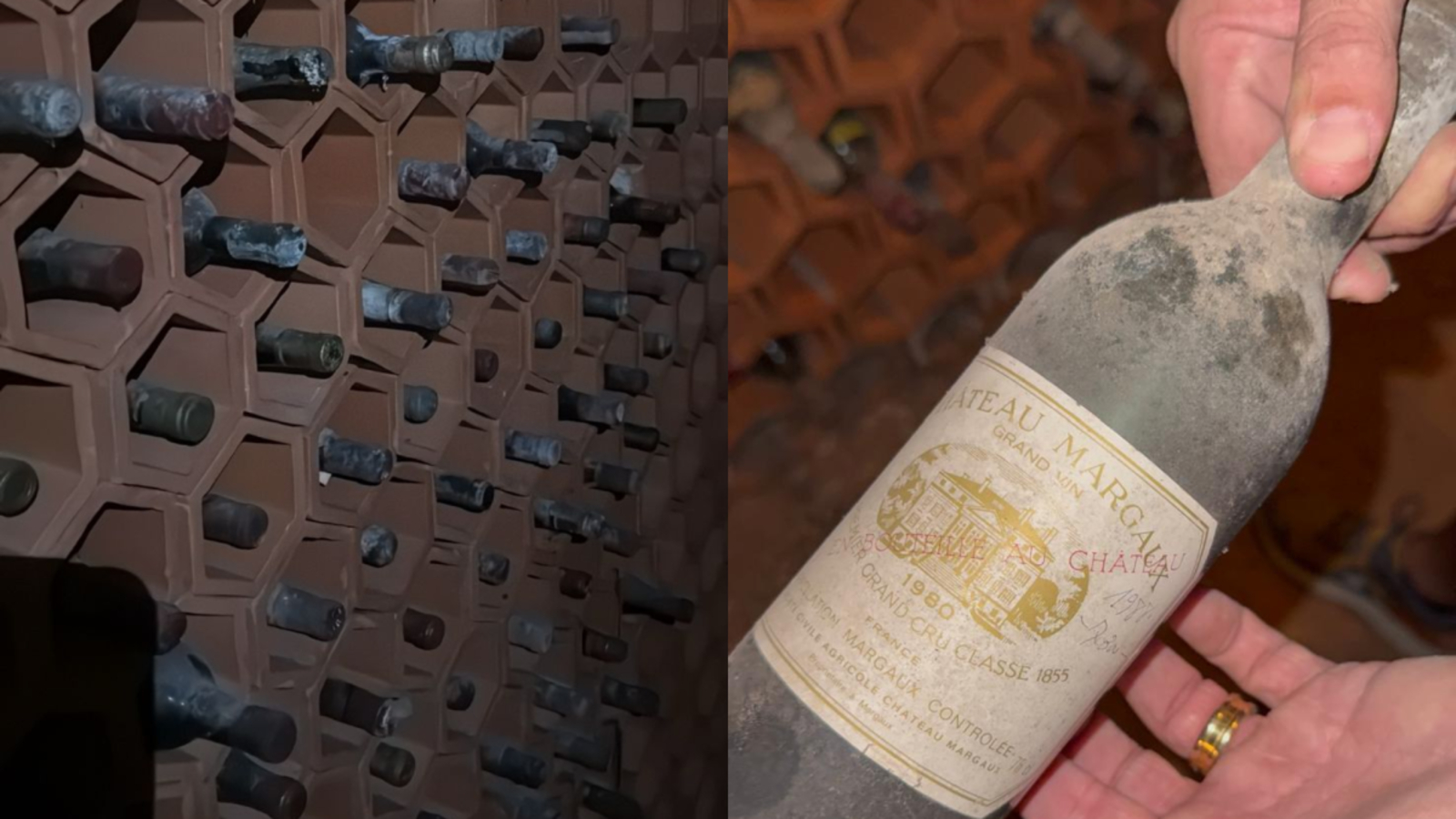
Couple buys house in the South Zone of São Paulo, opens a hidden door in the garage, and finds a secret wine cellar with dozens of old wines forgotten since the 1970s.

With a pioneering focus on intercity mobility, the project has been incorporated into the National Logistics Infrastructure Program, with technical and financial support from the Ministry of Transportation.
The authorization granted by ANTT to TIC Bahia, using the concession model and without the need for bidding, accelerates the timeline.
Now, the project enters the phase of public consultations, environmental licensing, and raising R$ 6.8 to 7 billion to make the undertaking viable.
The railway connection will include eight passenger stations and two cargo yards, including connections with the Salvador metro, VLT, and the Águas Claras bus terminal.
The route will pass through municipalities such as Simões Filho, Candeias, Santo Amaro, and Amélia Rodrigues, reinforcing metropolitan integration and the potential for local urban development.
Benefits of the New Brazilian Train in Bahia
Currently, the trip between Salvador and Feira de Santana via BR-324 takes an average of 1 hour and 11 minutes — potentially extending to 2 hours during peak hours.
With the new Brazilian train, this journey will be reduced to just 35 minutes, surpassing most urban metro routes in the region.
The system will provide integration with the metro, VLT, buses, and road transportation, streamlining door-to-door connections and decreasing dependence on congested highways.
This is expected to ease the burden of the approximately 40,000 vehicles that travel daily on BR-324, including around 800,000 users of the Salvador metro and VLT.
Economic Impact and Regional Development
The train will have the capacity to transport cargo at up to 120 km/h, facilitating the transport of industrial, agricultural products, and raw materials between Feira and the Port of All Saints Bay.
This will reinforce Feira’s role as a strategic junction — the city has a GDP exceeding R$ 10 billion and is the main industrial center in the interior of Bahia.
It is expected that the new railway will stimulate real estate appreciation and attract investments to the benefiting municipalities, promoting emerging urban centers and benefiting approximately 4 million people living in the metropolitan regions of Salvador and Feira.

Sustainability and Railway Technology
Operating 100% electric and replacing vehicles with high fuel consumption and emissions, the new Brazilian train will significantly reduce the CO₂ emitted on BR-324.
Furthermore, the reduced flow of trucks decreases the wear and tear on highways, lowering public costs.
The system will be broad gauge (1,600 mm), with electrification at 25 kV and digital controls following ETCS Level 2 standards.
Schedule of the New Brazilian Train
Technical Phase and Route: completed May/2025, under the responsibility of TIC Bahia and ANTT.
Public Consultations and Environmental Licensing: expected in the next 3 years, following estimated timelines until 2033.
Funding of R$ 6.8–7 billion: resources already estimated for the beginning of construction within three years.
Construction and Implementation: estimated between 2028-2032, with full operation starting in 2033.
Although details on the operator, final deadlines, and financing are still pending, the announced schedule is aggressive, and many experts consider the plan viable, given the current progress.
The federal government has decided to centralize studies and actions to efficiently coordinate execution.
National Example in Railway Infrastructure
The success of the new Brazilian train could be strategic for replicating the model in other regions of the country, such as Pernambuco, Ceará, and Goiás, where similar urban train projects are on the agenda.
The focus on railway infrastructure reflects a shift in the national mobility matrix, which is currently dominated by road transport.
Recently, the Salvador Metro set a daily record of 435,000 passengers (April/2025), with a 4% increase in the cumulative total for 2025, reinforcing the acceptance and need for expansions of rail transport in the region.
If approved, the new Brazilian train could revolutionize mobility and stimulate economic, social, and environmental development in Bahia.
Do you believe this train truly has the potential to become a national reference and inspire other states?






Posso estar enganado mas a foto do trem muito parecido com o viaduto 13 em vespasiano correia RS o mais alto da América Latina com 110 metros de altura
Que coisa boa. Valorizar o povo baiano, um povo que sofre com preconceitos o tempo todo. Parabéns aos gestores envolvidos.
Vai ficar pronto nos próximos 500 anos. E olhe lá.