





 Portuguese
  English
  Spanish
  4 min of reading
  0 comments


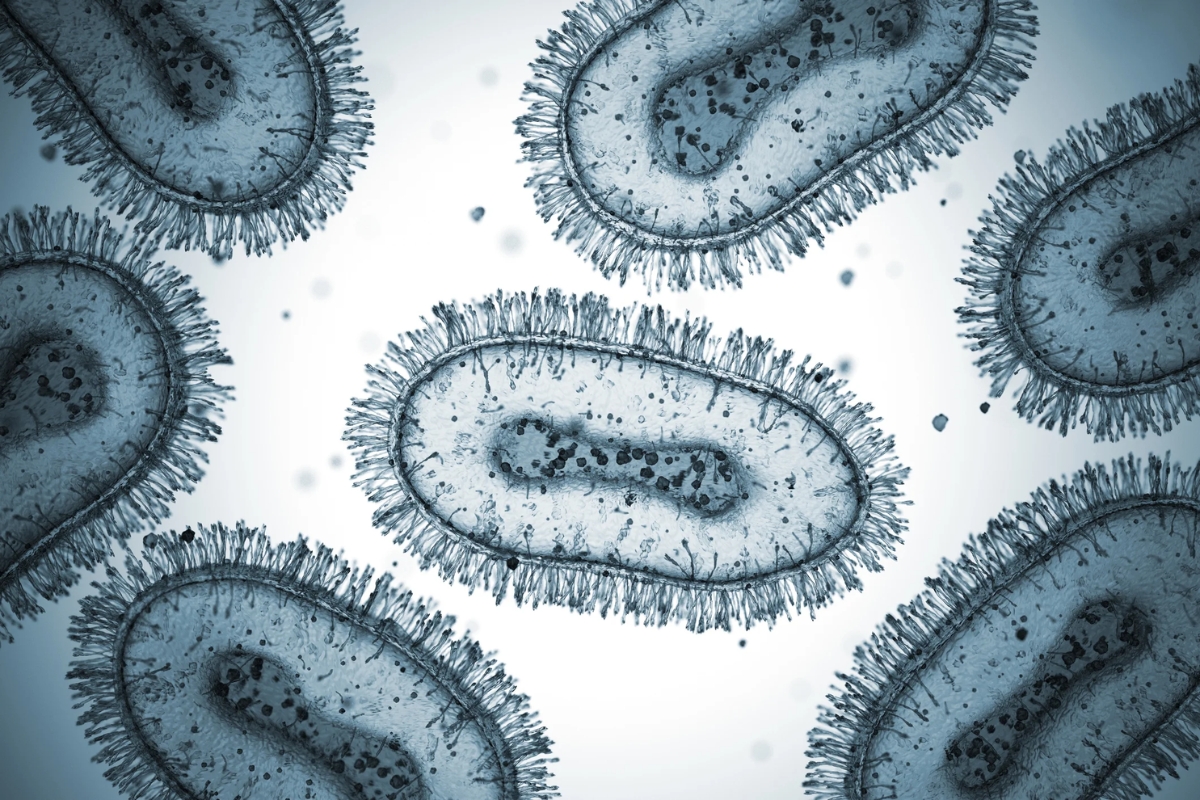
As The Surface Of The Sea Warms At An Increasing Rate, A Microbe Central To The Nitrogen Cycle Shows Extra Resilience: It Adjusts Proteins, Conserves Iron, And Gains Efficiency In A Scenario That Pressures Marine Ecosystems
The warming of the ocean surface is accelerating and is already altering the balance of ecosystems that rely on nutrient circulation to sustain marine life.
In this scenario, a microorganism that is very abundant in plankton has shown the ability to continue functioning even under more intense heat and with fewer available resources. The result may influence how nutrients spread throughout the sea.
This behavior draws attention because it involves an organism essential to the nitrogen cycle, a process that helps maintain the productivity of the oceans and supports the base of the marine food chain.
-
In a flooded well, archaeologists found a 1,700-year-old Roman egg that still contains clear and yolk intact inside the very thin shell.

-
Something is happening around the Earth: Inside the huge explosion of fireballs in 2026

-
A hot air bubble coming from Argentina expands over Brazil, causing thermometers to exceed 38 degrees with a thermal sensation of 40 degrees in late March, affecting 6 states at once.

-
The radish leaf that almost everyone throws away has more polyphenols, flavonoids, and fiber than the consumed root, and a 2025 study showed that the leaf contains compounds that protect the intestine, combat inflammation, and may inhibit the growth of cancer cells.


Ocean Warming Advances And Pressures Ecosystem Balance
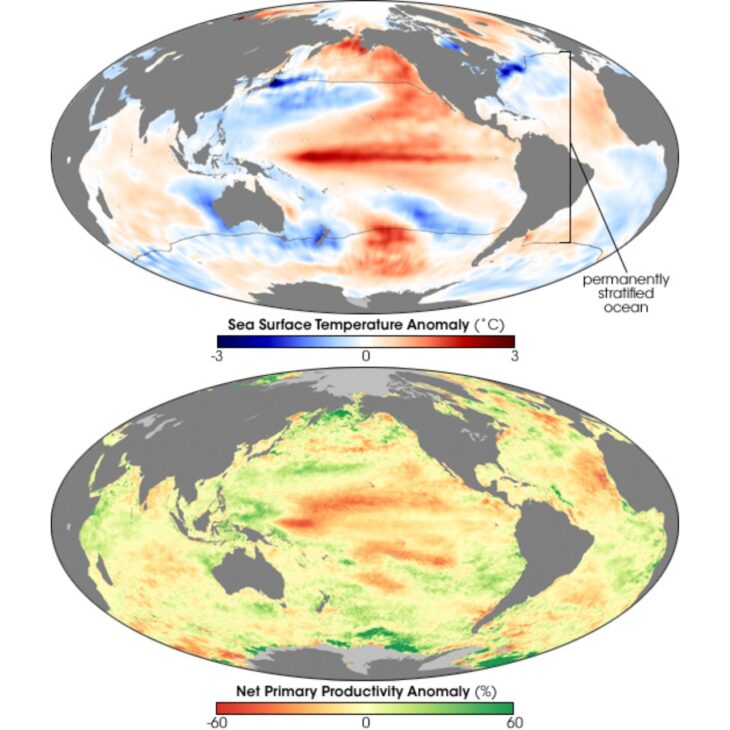
Satellite records indicate that the global sea warming rate has increased from 0.06 degrees per decade in the 1980s to 0.27 degrees per decade in recent years.
With more heat retained on the planet, the stability of the oceans is under pressure. This affects the circulation of essential nutrients and increases challenges for organisms that live in deep or resource-poor areas.
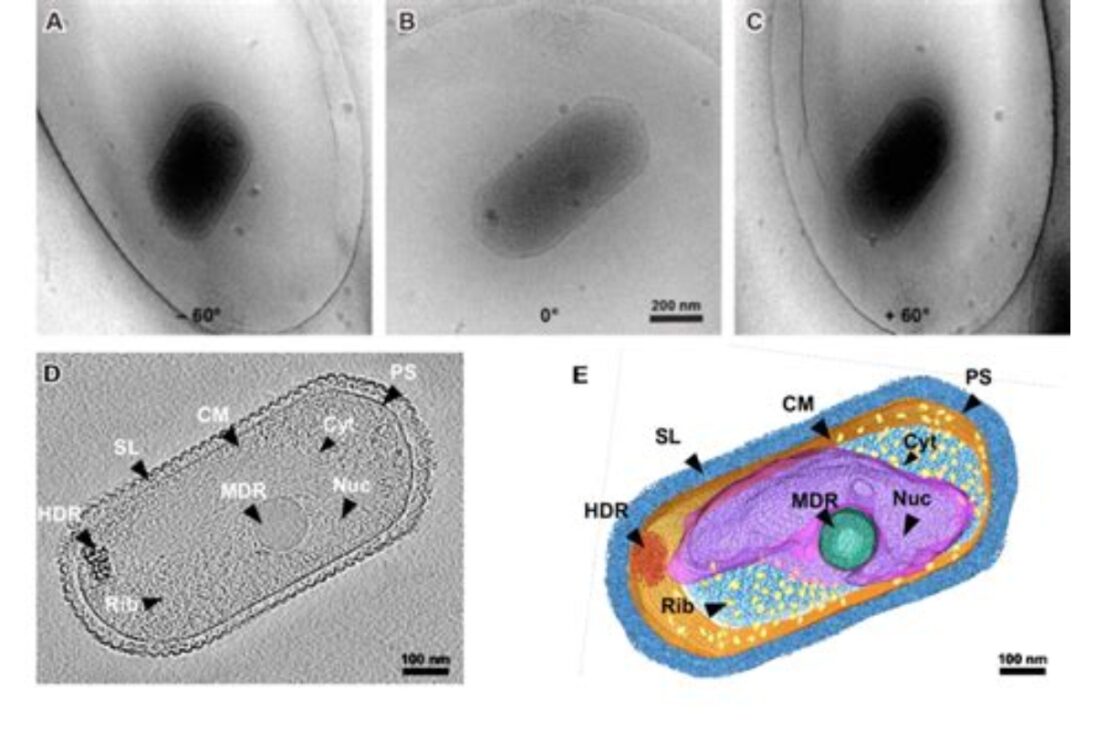
Nitrosopumilus Maritimus Has A Central Role In The Nitrogen Cycle
The microorganism Nitrosopumilus maritimus is among the most abundant in the oceans and participates in chemical transformations that make nitrogen available for other living beings.
In practice, it helps maintain the functioning of a cycle that influences marine productivity and biodiversity. Without this type of activity, the growth of other microorganisms may also be affected.
5 Degree Increase Changes Iron Usage And Favors Adaptation
Tests showed that, with an increase of 5 degrees, this microbe began to require much less iron to grow. The reduction in requirements exceeded 80%.
This means that, in a warmer environment, it can make better use of a scarce resource. This efficiency increases the chance of maintaining essential functions even under more severe conditions.
Proteins Change When Iron Is Scarce And The Sea Warms
Scientists observed changes in the proteins of the cells when iron became scarce. A protein called ferredoxin decreased, while plastocyanin increased.
This exchange indicates a response adjusted to the environment. Rather than relying so much on iron, the organism strengthens mechanisms that help it remain active with less availability of the metal.
According to Proceedings of the National Academy of Sciences, a peer-reviewed scientific journal in the United States, ammonia-oxidizing archaea represent about 30% of marine microbial plankton
This weight in the ocean helps explain why the observed adaptation can have effects far beyond a single microorganism. Changes in this group tend to reverberate in nutrient usage and the dynamics of other species.
Additionally, the organism can operate with very low amounts of ammonia and oxygen to obtain energy. In low-oxygen environments, it can still produce this element on its own through a specific chemical process.
Simulations Indicate Reflections Near The Poles And Even The Equator
The models used in the research showed that the gain in efficiency appears most strongly in areas near the poles, where the conditions favor this type of response.
At the same time, changes in important compounds, such as ammonia, can move with ocean currents and reach areas closer to the equator. The effect is not confined to a single band of the planet.
North Pacific Should Become Nearby Confirmation Field
The next step will be to observe whether the same behavior appears under real conditions in the North Pacific Ocean. The intention is to measure how temperature and metals affect populations of this microbe and similar organisms.
If the results are confirmed outside the laboratory, the understanding of the impact of global warming on the oceans gains an important piece. This is because the adaptation of a microscopic being can influence nutrient distribution on a large scale.
The discovery also reinforces that the advance of heat in the sea does not produce only immediate losses. In some cases, it reorganizes competition among species and alters the functioning of central processes for marine life.
In the end, this microbe’s ability to remain active with less iron may change ocean productivity and the way nutrients circulate among different regions. This affects the Pacific.







Seja o primeiro a reagir!