





 Portuguese
  English
  Spanish
  6 min of reading
  0 comments


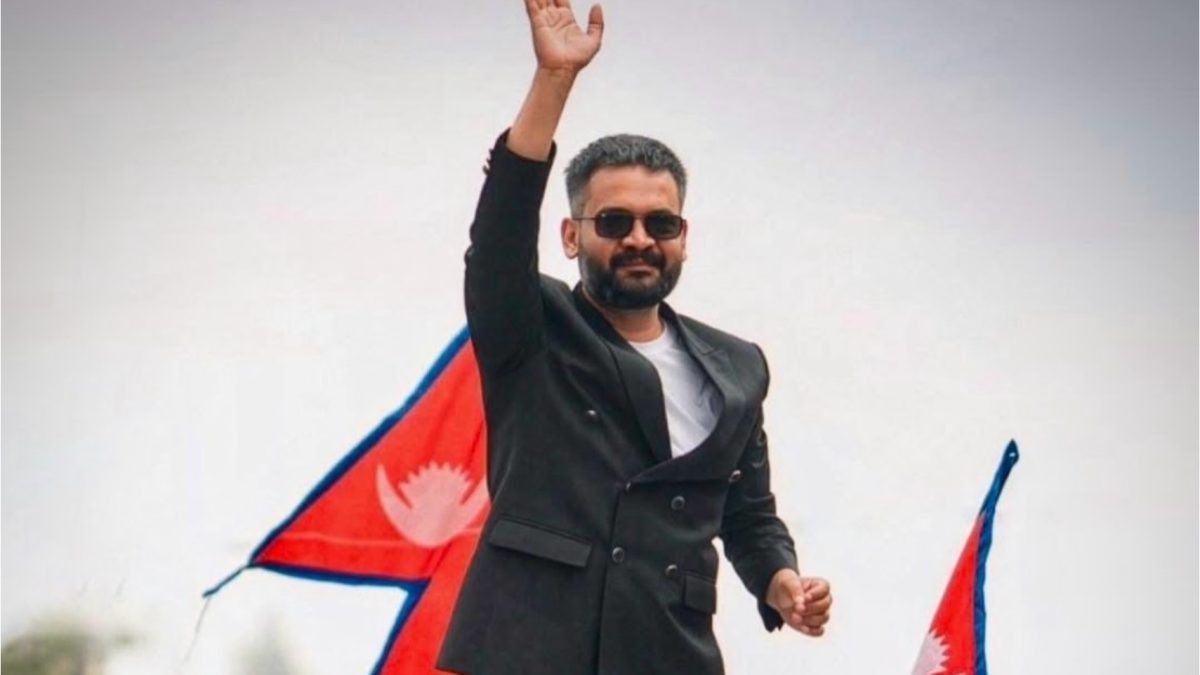
The Election Victory Driven By Generation Z Led The Party Led By The 35-Year-Old Former Rapper And Former Mayor Balendra Shah To Win 100 Of The 165 Directly Elected Parliamentary Seats After A Youth Uprising That Toppled The Previous Government And Exposed Years Of Political Instability
Generation Z Drove A Political Change In Nepal By Helping The Party Led By The 35-Year-Old Former Rapper And Former Mayor Of Kathmandu Balendra Shah To Win 100 Of The 165 Directly Elected Parliamentary Seats In The Elections Held On Thursday.
The Partial Results Released On Sunday Indicate That The Rastriya Swatantra Party Led By Balendra Shah Achieved A Significant Majority In The Parliament Of Nepal. The Party’s Performance Represents The Largest Electoral Upset In The Modern History Of The Country.
The Vote Was The First Since A Youth-Led Uprising The Previous Year That Overthrew A Government Accused Of Corruption And Acting With Impunity. This Political Movement Was Widely Associated With The Mobilization Of Generation Z.
-
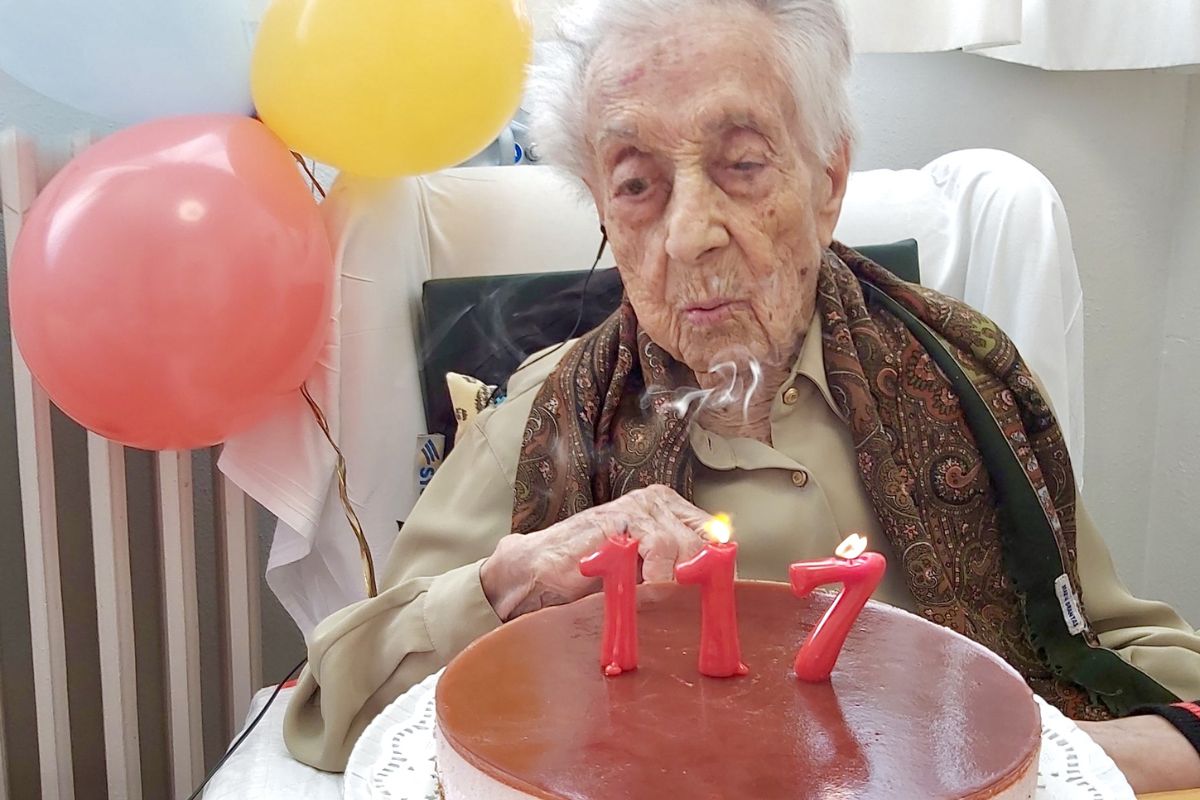
Maria Branyas Morera lived to be 117 years old, eating three yogurts a day without developing cancer or dementia, and when scientists analyzed her DNA, they found a secret that no one expected: her biological clocks indicated an age two decades younger than her actual age.
-
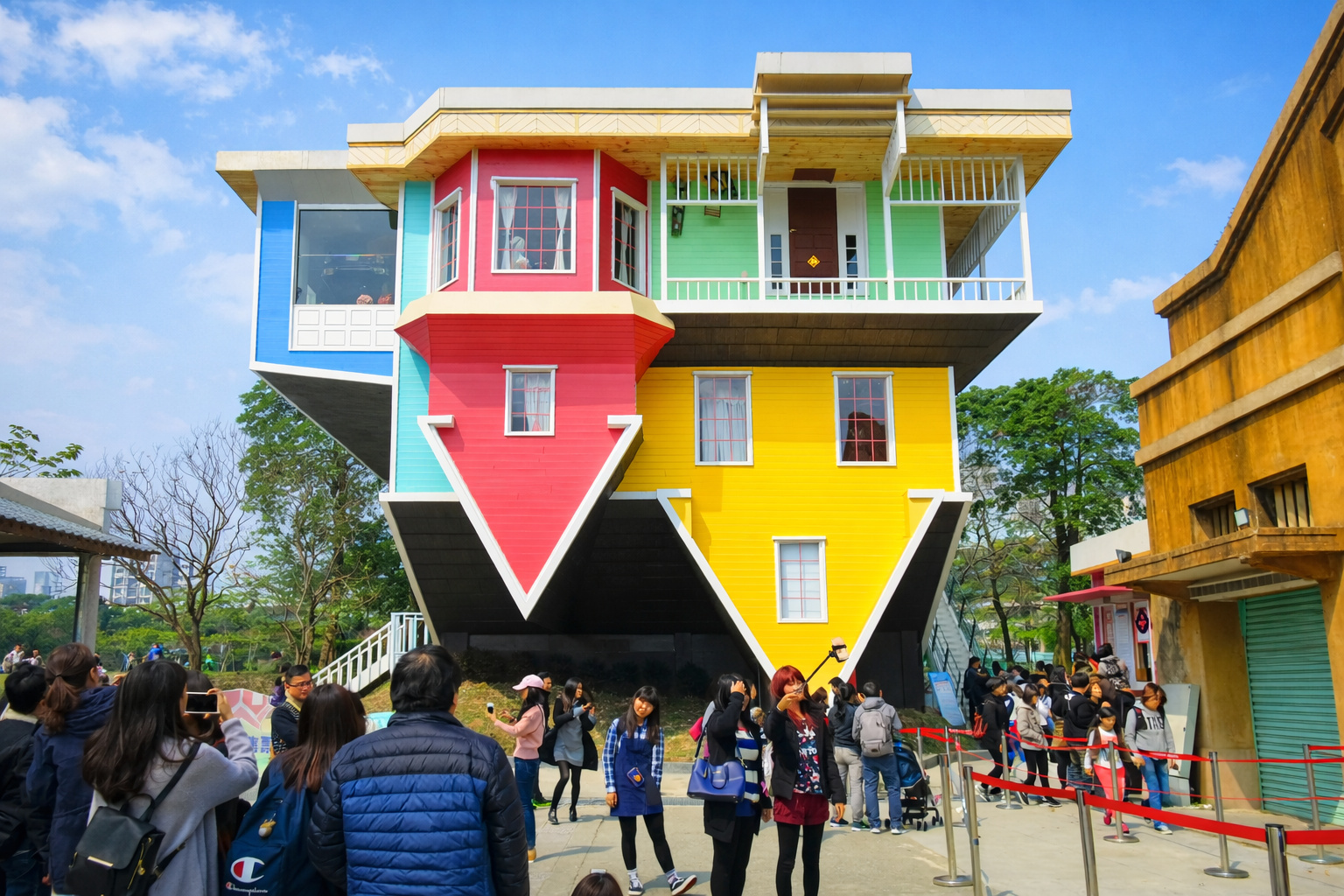
Upside Down House transforms abandoned warehouses from the 1970s, blending art with concrete and steel engineering, becoming a phenomenon in South Korea and impressing with a surreal experience that attracts tourists from around the world.
-
Brazil became 18 square kilometers smaller in the new official update from IBGE, which redrew the boundaries of 784 municipalities in 13 states and even changed the names of cities that you might know, such as Açu, which is now called Assú.

-
Stephen Hawking said that the worst enemy of knowledge is not ignorance but the illusion of knowledge, and he dedicated his entire career to proving that science dies when people act as if they already have all the answers.


Generation Z Transforms Political Landscape And Drives Unprecedented Election Victory
The Victory Of Shah’s Party Reflects A Significant Mobilization Of Generation Z, Which Emerged As A Central Force In Recent Political Changes In Nepal. The New Generation Has Now Played A Decisive Role In Reorganizing The Country’s Institutional Landscape.
Preliminary Results Show That Shah’s Party Secured 100 Of The 165 Parliamentary Seats Decided By Direct Vote. There Are Still Results Pending For Seats Distributed Proportionately Among Parties, But The R.S.P. Also Leads In This Initial Count.
According To Subhash Sharma, The Party Leader, Few Expected Such An Impressive Result. He Stated That Many People Wanted Political Change, But The Size Of The Victory Surprised Even Members Of The Organization.
The Election Took Place After Months Of Political Tension That Culminated In A Major Popular Mobilization. The Electoral Process Ended Up Becoming A Decisive Moment For The Political Repositioning Of The Country.
Youth-Led Uprising Toppled Government And Paved The Way For Election
The Vote Occurred After A Youth-Led Uprising The Previous Year That Overthrew The Government Of Then-Prime Minister K.P. Sharma Oli. The Government Was Widely Seen As Corrupt And Detached From The Population.
In September, Security Forces Killed 19 People Who Were Protesting Against Political Impunity And A Ban On Social Media. Just Hours Later, The Country Plunged Into A Wave Of Chaos That Resulted In New Deaths And Destruction.
During The Clashes, Dozens Were Killed And Thousands Of Buildings Were Set On Fire Across The Country In A Campaign Of Mass Arson. Following This Period Of Violence, The Prime Minister Was Ultimately Ousted.
This Episode Marked What Many Now Consider The First Political Revolution Of Generation Z In Nepal. The Mobilization Of Young People Quickly Transformed The National Political Balance.
Balendra Shah Defeats Former Prime Minister In Parliamentary Battle
Balendra Shah, Known As Balen, Directly Contested A Parliamentary Seat Against 74-Year-Old K.P. Sharma Oli. The Former Rapper Easily Defeated The Former Prime Minister In The Electoral Contest In Eastern Nepal.
The Victory Reinforced The Perception Of Generational Change Within Nepali Politics. The New Party Has Come To Represent An Alternative To The Political Structures That Have Dominated The Country For Decades.
For Many Years, Three Main Parties Controlled National Politics And Formed Successive Government Coalitions. These Alliances Frequently Reconfigured In Different Combinations And Demonstrated Little Ideological Loyalty.
Political Instability Became A Recurring Feature Of The System. No Elected Government In The History Of Nepal Has Managed To Complete A Full Five-Year Term.
Biraj Bhakta Shrestha, Re-elected R.S.P. Candidate In Kathmandu, Stated That The Country Has Experienced A Long Period Of Instability, Turbulence, And Corruption.
According To Him, The Electoral Result Represents A Popular Mandate To Seek Prosperity And Social Harmony.
Young Party Bets On Technocratic And Digital Profile
Founded Less Than Four Years Ago, The Rastriya Swatantra Party Has Built Its Image As A Technocratic Organization Connected To The Digital Environment.
The Party Brings Together Figures From Civil Society And Former Collaborators Of Shah During His Tenure As Mayor Of Kathmandu.
The Average Age Of The Party’s Candidates Is Significantly Lower Than That Of Representatives From The Three Main Traditional Parties. This Generational Difference Reinforced The Association Of The Political Movement With Generation Z.
The Election Also Brought Defeats For Historical Leaders Of National Politics. In Addition To K.P. Sharma Oli, Another Leader From One Of The Three Major Parties Lost His Parliamentary Seat.
Before The Election, Supporters Of The R.S.P. Were Seen In The Streets Of The Capital Kathmandu Participating In Political Mobilizations. The Party’s Campaign Emphasized The Need For Institutional And Administrative Renewal.
Political Challenges And Need For Institutional Negotiation
Despite The Impressive Victory, The Party Will Face Challenges In Implementing Structural Changes In The Political System. Among The Proposals Discussed Are The Creation Of A Directly Elected Prime Minister Position And Reforms To The Judiciary.
To Advance These Initiatives, The R.S.P. Will Need To Garner Support In The National Assembly, The Upper Chamber Of Parliament. Elections For This Body Are Held Separately.
Currently, The Party Has No Seats In This Legislative House. This Means That The Group Will Have To Negotiate With Other Political Forces To Enable Its Proposals.
This Scenario May Require Political Agreements That Shah Has Previously Shown A Disinclination To Accept. Observers Indicate That The Politician’s Leadership Has Yet To Demonstrate A Clear Willingness For This Type Of Institutional Negotiation.
Shah’s Popularity Coexists With Criticism And Controversies
Balendra Shah Is Seen By Many Voters As A Symbol Of Political Change. During His Tenure As Mayor Of Kathmandu, He Faced Issues Such As Large Volumes Of Garbage Accumulated In The City And Promoted Improvements In Schools.
However, Some Of His Actions Have Also Generated Controversy. A Campaign To Clean The Streets Resulted In The Forced Removal Of Poor Vendors Occupying Public Spaces.
Additionally, Informal Settlements That Did Not Fit The Image Of A Clean Capital Were Demolished. These Measures Provoked Criticism From Sectors Of Society.
Critics Also Argue That Shah Tends To Prefer Unilateral Decisions Instead Of Seeking Political Consensus. His Social Media Positions Often Take An Aggressive Tone.
He Has Openly Criticized India, China, The United States, And The Nepali Political Elite. In A Rally Last Month, He Claimed That Contractors Who Block Road Works Should Be Tied To Trees Or Made To Lie Down In The Road.
Internal Tensions And Challenges Within The Party
Shah Also Faces Potential Internal Divisions Within His Own Party. He Joined The R.S.P. Only In January Of This Year.
The Party’s Founder, Rabi Lamichhane, A Former Talk Show Host, Is Facing Ongoing Legal Proceedings. One Of The Cases Accuses Him Of Fraud.
During The Generation Z Protests, Lamichhane Appeared In The Streets Even After Being Arrested. Days Later He Returned To Prison But Was Subsequently Released.
He Was Ultimately Re-elected To His Parliamentary Seat. According To Subhash Sharma, The Party Leader, The Electoral Result Would Hardly Have Been Achieved Without The Presence Of Balendra Shah.
Electoral Participation And National Mobilization
One Of Shah’s Songs, Titled “Nepal Smiling”, Became An Informal Soundtrack For The Last Six Months. In The Song, The Politician Mentions The Country’s Issues Such As Oppression, Attacks, Crimes, And Predatory Leadership.
Electoral Participation In The Elections Held On Thursday Was Just Below 60 Percent. This Rate Was Considered Relatively Low For A Vote Presented As A Referendum On Political Changes.
Some Young People Expressed A Desire For New Voices In Politics But Said They Felt Little Motivation To Vote. Additionally, Millions Of Nepalis Working Abroad Were Unable To Participate, As The Country Lacks A Mail-In Voting System.
Despite This, The Electoral Mobilization Reached Even Remote Regions Of The Mountainous Country. In The District Of Accham, In The Extreme West, Family Members Carried A 107-Year-Old Woman In A Wooden Chair For An Hour So She Could Vote.
In Kathmandu, Voter Ram Das Manandhar, 84, Stated That The Country Needs New Faces In Politics. According To Him, Many Citizens No Longer Want To See The Same Leaders Who, In His View, Do Not Deliver Results.









-

-

-

-

-

7 pessoas reagiram a isso.