





 Portuguese
  English
  Spanish
  4 min of reading
  11 comments


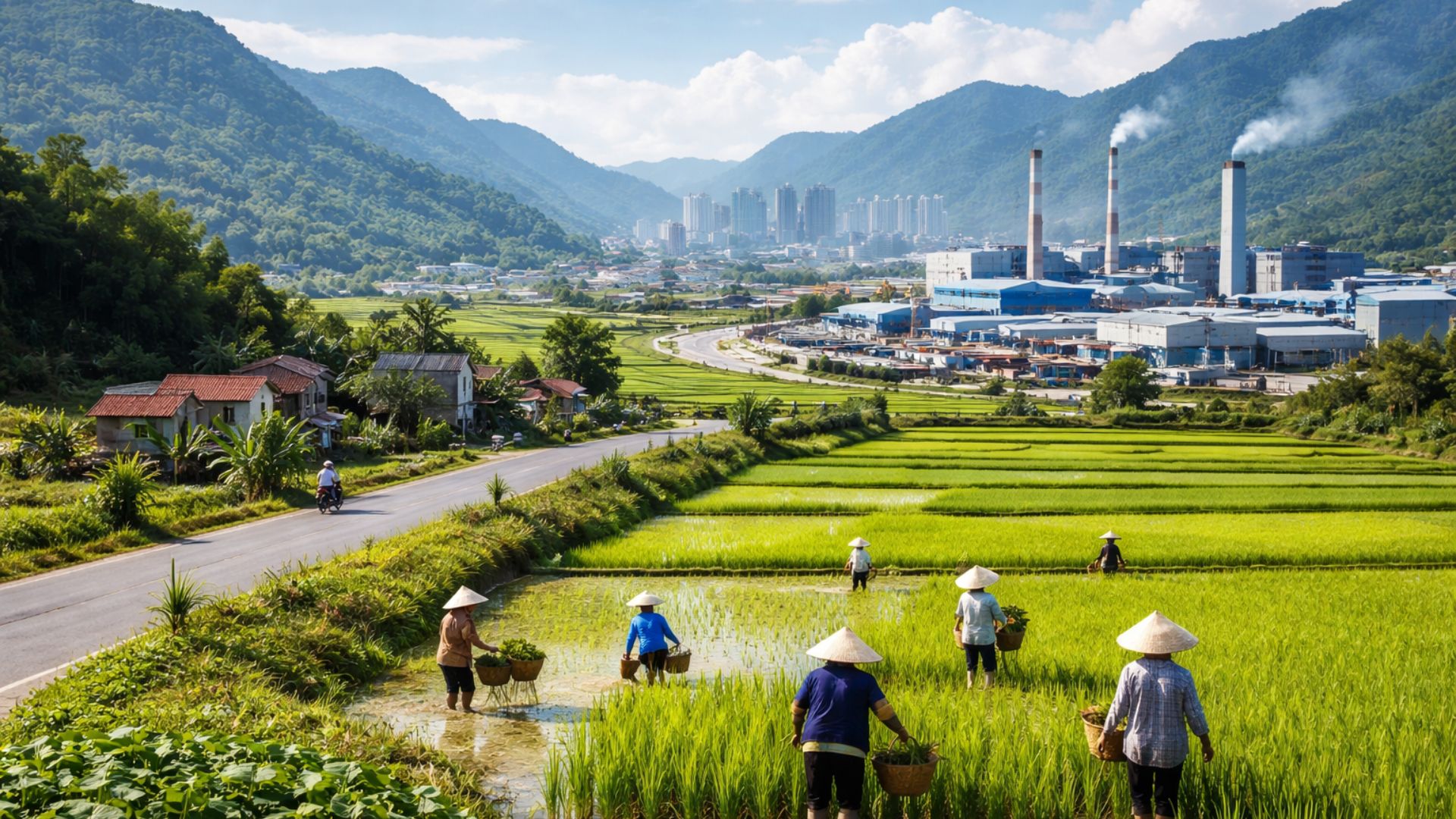


Historical Poverty Reduction Transformed Asian Economy Into Global Reference, With Structural Reforms, Industrial Advancement, And Expansion Of Basic Services That Changed Income, Employment, And Living Conditions Over Thirty Years, According To Consolidated Data From Multilateral Organizations.
Vietnam underwent one of the fastest social changes recorded in low- and middle-income countries.
The proportion of people in poverty fell from nearly 60% in the early 1990s to 20.7% in 2010, and within the income threshold adopted for lower-middle-income countries, US$ 3.20 per day in purchasing power parity, dropped to 5% in 2020, according to the World Bank.
During the same period, reports from international organizations indicated that tens of millions of Vietnamese rose above the poverty line, with over 10 million just in the decade ending in 2020.
-
IR 2026 will affect those who have crypto: the Revenue Service receives monthly data, pre-filled forms pull even cashback from Mercado Pago, and exchanging Bitcoin for USDT becomes a taxable sale; declare correctly or fall into scrutiny.

-
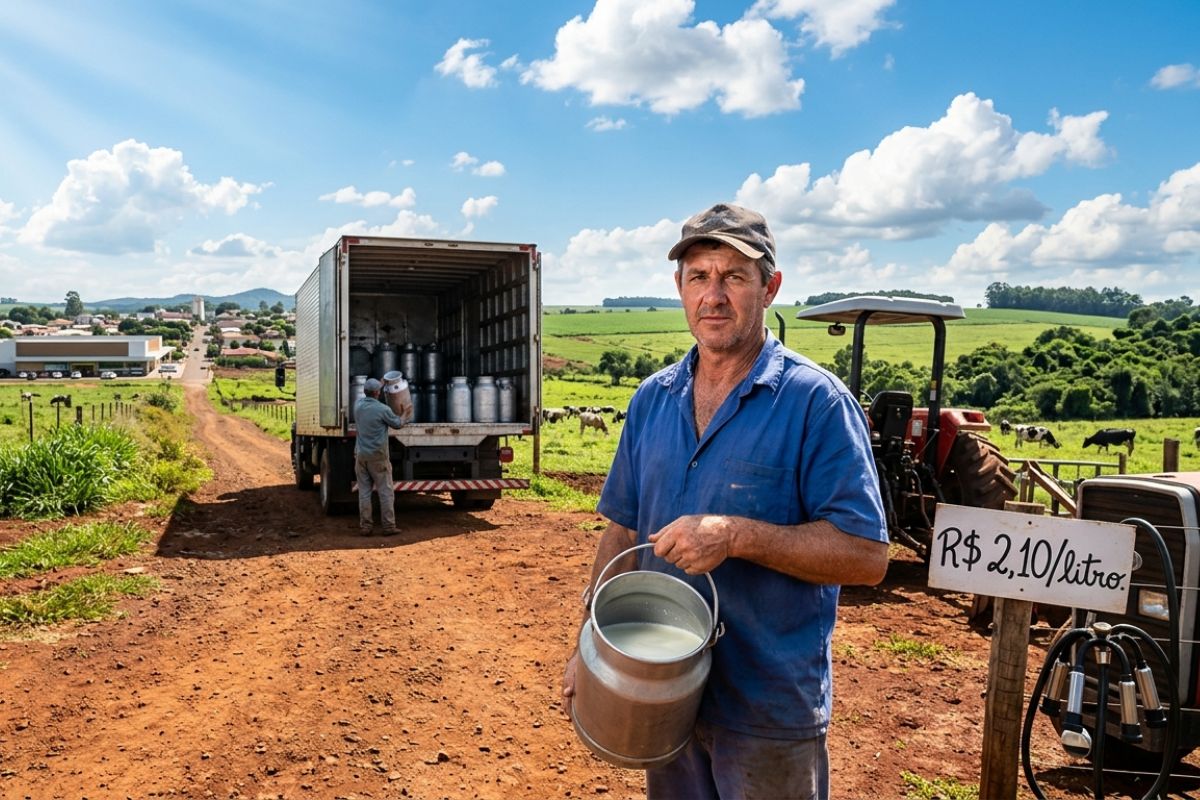
In Paraná, long-life milk prices rise by 17% and powdered milk by nearly 9%, but producers still receive R$ 2.10 while the market charges R$ 7; middlemen keep the difference and are awaiting a price adjustment.
-
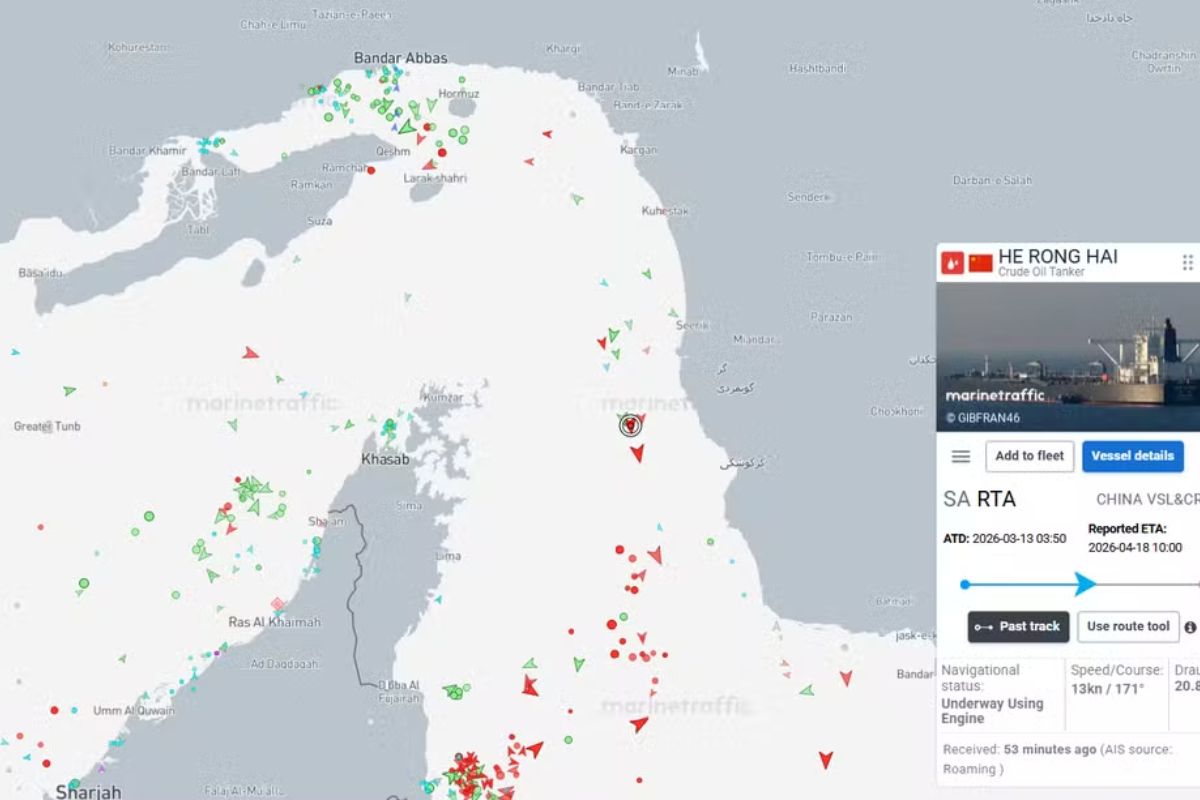
Two Chinese supertankers chartered by Asia’s largest refiner have just crossed the Strait of Hormuz and may be the first to leave the Persian Gulf since the ceasefire between the United States and Iran on a route that still has mines and uncertainties.
-
While Havan earns R$ 50 million per day throughout the year, Cacau Show managed six times more in just 24 hours, totaling half a billion reais in two days of Easter.

This movement was anchored by structural economic reforms, increased agricultural productivity, openness to investment, export-focused industrialization, and expansion of basic public services.
The Đổi Mới Economic Reforms
The trajectory began with the reform package known as Đổi Mới, launched in 1986, which structurally altered the country’s productive environment.
There was a gradual liberalization of agricultural prices, recognition of land use rights for farming families, encouragement for cooperatives, and greater space for private enterprises.

This combination increased food production, reduced food insecurity, and freed up labor for industrial and service activities.
At the same time, the country maintained state planning and long-term goals, using national programs to reduce regional inequalities and connect rural areas to markets.
Land Reform And Productivity In The Field
The land reform involved the transfer of usage rights and long-term contracts over plots of land, which enhanced incentives to invest in inputs, irrigation, and cultivation techniques.
By reducing the risk of expropriation and increasing predictability, farmers raised productivity and income.
In parallel, the government directed rural credit and basic infrastructure, such as roads, electrification, and storage.
These measures facilitated the flow of production and connection with expanding urban centers.
This process explains why poverty fell rapidly in the countryside, where most of the population was concentrated.
Industrialization And Export Growth
Industrialization gained momentum with the creation of special economic zones and the attraction of foreign investment in labor-intensive sectors.
Initially, sectors such as textiles and footwear stood out, followed by electronics and equipment assembly.
Data compiled by the World Bank shows that the share of industrial employment in the total rose from a single digit in the early 1990s to about a quarter of the workforce before the pandemic.
The country became a relevant exporter in Southeast Asia, integrating global supply chains particularly from the 2000s onward.
Trade Strategy And Macroeconomic Stability
The export strategy relied on trade agreements, containment of logistics costs, and macroeconomic stability.
The managed currency and fiscal discipline favored predictability for investment.
Reforms in the business environment, simplification of licenses, and improvements in ports and logistics corridors reduced the time and cost of foreign trade.
As a result, factories located in the territory increased competitiveness in price and, gradually, in quality.
Expansion Of Public Services And Social Inclusion

The economic advance was accompanied by large-scale social policies.
Electrification reached nearly all households, improving conditions for study, food preservation, and communication.
The expansion of basic education and the increase in years of schooling directly contributed to social mobility.
In health, the expansion of primary care and nutrition actions impacted child and productivity indicators.
Transfer programs and community initiatives helped vulnerable populations cope with economic shocks.
Official Indicators And International Evaluations
Results appear consistently in evaluations from the World Bank and the International Monetary Fund.
Reports highlight that poverty fell from nearly 60% in the 1990s to just over 20% in 2010.
Subsequently, the proportion below the US$ 3.20 per day threshold dropped to 5% in 2020.
Studies also indicate that about 30 million people rose out of poverty over the first two decades of reforms.
Regional Inequalities And Persistent Challenges
The drop in poverty did not occur uniformly across the territory.
Mountainous regions and areas with a greater presence of ethnic minorities showed slower progress.
Official evaluations point to the need for specific infrastructure, education, and productive inclusion programs.
In urban areas, internal migration generated pressure on housing and public services.
Second-Generation Policies And Productivity
The 2010s marked the consolidation of policies focused on professional training, mobility, and support for small enterprises.
The focus shifted to increasing income for vulnerable groups to prevent relapses into poverty.
Recent reports indicate the need to enhance productivity and the technological content of exports.
This challenge has become central given the rising labor costs and regional competition.
Continuity Of Reforms And Recent Impacts
International reports indicate that recent shocks, such as the Covid-19 pandemic, temporarily slowed the advancement of incomes.
Despite this, long-term trends have not been reversed.
Emergency measures and recovery plans prioritized employment, production chains, and social inclusion.
Note on gaps: this text uses public data from the World Bank and the IMF.
In your assessment, which of these policies would have the greatest impact in countries seeking to replicate the Vietnamese case: land reform with rural credit, export-oriented industrialization, or rapid expansion of basic services?









Cada país tem suas particularidades, não dá pra copiar uma experiência de um país e tentar aplicar em outro sem os devidos estudos e ajustes.. Nao sei dizer qual das iniciativas foi a mais importante para o Vietnã. Mas com certeza nenhuma delas teria causado tamanho desenvolvimento, se fosse aplicada isoladamente.
Uma nação ADMIRÁVEL! Povo extremamente disciplinado, não dado a farras, nacionalismo genuíno, focado no trabalho. Respeito mútuo entre gerações, e os jovens, lutam pela independência financeira tanto da família quanto do governo.
A reportagem esqueceu de citar o principal, trata-se de um povo extremamente trabalhador, disciplinado, com sentimento genuíno de nacionalismo, respeito entre todas as gerações, humildes, praticante do trabalho cooperativo. Os jovens não são dado a farras, e não têm medo do trabalho, exercem qualquer ocupação para evitar a dependência financeira tanto da família quanto do governo. Uma nação ADMIRÁVEL.
Esqueceu de dizer que dois milhões de vietnamitas tiveram que morrer na guerra contra os EUA para que o país pudesse trilhar deu próprio desenvolvimento.