





 Portuguese
  English
  Spanish
  4 min of reading
  0 comments


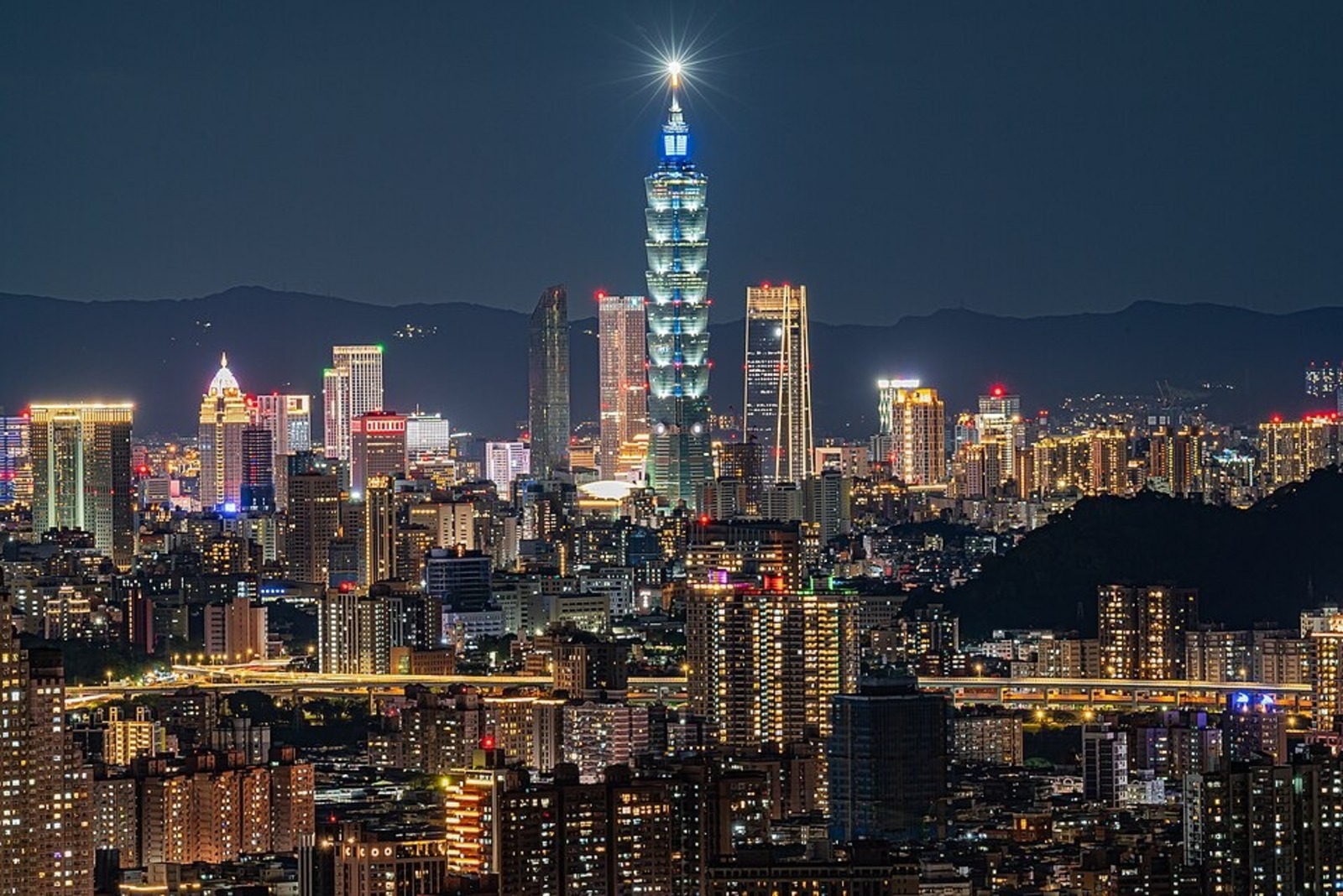
From Agricultural Colony Under Japanese Rule to Global Leader in Semiconductors, Taiwan Transformed a Territory the Size of Alagoas Into a Global Technological Power, with TSMC Producing 90% of the Most Advanced Chips on the Planet
Despite its modest size — equivalent to the state of Alagoas — and its scarcity of natural resources, Taiwan has become one of the most dynamic hubs of the global technology industry. Located just 180 kilometers from China and with 23 million inhabitants, the island is now the 21st largest economy in the world, according to the International Monetary Fund (IMF).
Its impressive growth was not a coincidence. Taiwan’s trajectory combines periods of foreign domination, structural reforms, and a bold bet on the high-tech industry, particularly in semiconductors.
The Beginning of a Transformation Under Japanese Rule
The starting point of the so-called “Taiwan Miracle” occurred in the early 20th century, during Japanese colonization, between 1895 and 1945.
-
Scientists in the U.S. transform plastic waste into gasoline and diesel with nearly 60% efficiency using molten salts and less than 200 °C, in a process that could cost less and challenge traditional methods that reach 500 °C.

-
With the war silencing the wells of Iran, Brazil set a record of 5.3 million barrels per day and rose in the global oil ranking without anyone noticing — the pre-salt now accounts for 80% of everything that comes from the seabed.

-
After years of delays and billions invested, the Golden Pass megaterminal in Texas is about to start exporting liquefied gas and will reshape the global energy map amid the Middle East crisis.
-
The artificial intelligence market within the oil industry is worth billions today and will more than double by 2033, and those who do not get on board now with the race for digital twins and autonomous drilling will be left behind.

During this period, Japan boosted the local economy by increasing exports of tea, rice, and sugarcane, and creating a more integrated production system.
Additionally, the colonial government established fertilizer and textile industries, which diversified the export agenda and increased capital flows.
In 1899, the Japanese founded a strong Central Bank, which began to issue currency and standardize exchange rates, facilitating trade transactions and stimulating growth.
This progress, however, was uneven. Although exports increased, much of the profits went to Japan, and local families continued to have low incomes.
The turning point came after Japan’s defeat in World War II, when control of the island passed to the Republic of China in 1945.
From War to Economic Reconstruction
In 1949, the government of the Republic of China fled the mainland after the victory of the communists and moved its headquarters to Taiwan.
The immediate priority was to rebuild the infrastructure damaged by war. Over time, the focus shifted to strengthening the economy and industrialization.
The state maintained a strong presence in economic decisions, but, unlike the Japanese, opened space for private initiative.
This change allowed new entrepreneurs to emerge and accelerated the country’s modernization.
The first major development plan aimed to transform Taiwan from an essentially agricultural economy to a manufacturing-based one.
The textile sector was chosen as the cornerstone of this transition, as it required less capital and had great export potential.
The success of the strategy gave new momentum to the island. The country began to create a solid industrial base, with consistent growth and gradual increases in wages.
The Arrival of the Electronic Age in Taiwan
In the 1960s and 1970s, Taiwan made a significant leap by entering the electronics sector. Initially, local companies produced simple devices, often licensed from foreign corporations.
Due to the perception of low quality, manufacturers concentrated their exports in emerging markets such as Southeast Asia, the Middle East, and Latin America.
These sales, however, generated enough revenue to modernize factories and improve quality control.
The learning accumulated during this period was crucial for the next step: the birth of the semiconductor industry.
The Birth of the Asian Silicon Valley
The history of this industry in Taiwan began in 1964, with the establishment of a semiconductor laboratory at National Chiao Tung University in Hsinchu. The center trained engineers who would later become the pioneers of the sector in the country.
In the early years, foreign support was limited, as large corporations hesitated to invest in chip production lines on the island. Costs were high, and there was distrust about the local technical capabilities.
Nonetheless, the government and universities continued to invest. This persistence paid off in the 1980s, when Taiwan began to receive technical support from the United States.
This cooperation enabled the founding of the Taiwan Semiconductor Manufacturing Company (TSMC), which would become the crown jewel of the Taiwanese economy.
The Chip Empire
TSMC revolutionized the production model by manufacturing chips for other companies — a strategy that transformed it into the largest semiconductor foundry in the world.
Today, the company supplies components to giants such as Apple, Amazon, and Microsoft.
Currently, about 90% of the most advanced chips on the planet are produced by TSMC. These semiconductors are essential for artificial intelligence, smartphones, and supercomputers, making the company a central player in the global economy.
With over 70,000 employees, TSMC operates nine factories in Taiwan and is expanding its operations to countries such as Japan, the United States, and Germany.
Taiwan: Island at the Top of Global Technology
Even with fierce competition from South Korea, home to Samsung, Taiwan remains a global leader in chip production. Its products are more efficient, compact, and faster than those produced in other countries.
This technological supremacy is the result of more than a century of transformations — from Japanese colonization to a strategic focus on education and innovation.
Today, the country that once exported rice and tea is responsible for feeding the global digital economy with the most valuable product of the modern era: semiconductors.
With information from Veja.



-

-

-

3 pessoas reagiram a isso.