





 English
  Francês
  Alemão
  Italiano
  Japonês
  Norueguês
  Portuguese
  Spanish
  5 min of reading
  0 comments


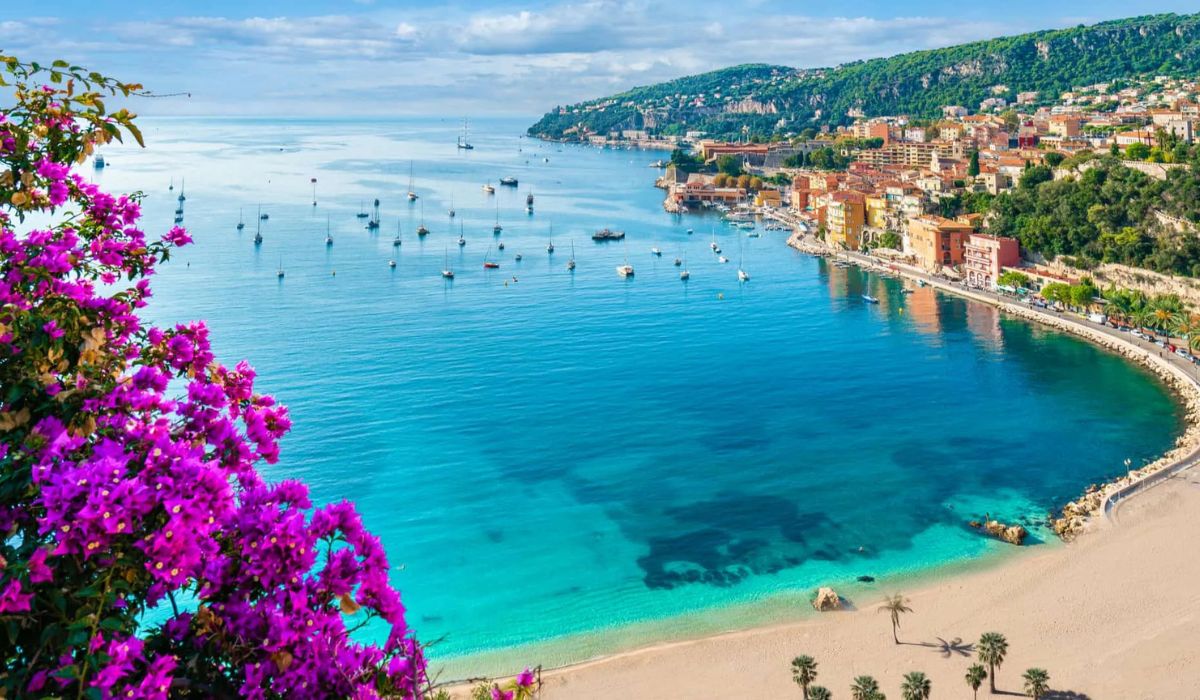
Nice and Cap Ferrat Appear as Addresses Associated with Privacy, Discreet Routines, and a Reserved Real Estate Market in a French Riviera Marked by Tourism and High Standards. The City Brings Together Historic Landmarks, a Famous Promenade, and Residential Areas with Low Exposure.
Nice, in the French Riviera, is often associated with a type of high standard that manifests less as public display and more as routine.
The city is cited in itineraries of those looking for the sea, urban infrastructure, and quick access to Monaco and Cannes, with a recurring theme in descriptions by residents and visitors: instead of focusing attention on events and showcases, part of the experience occurs in everyday life, in areas where tourists and residents circulate side by side.
Reports about what attracts this audience point to a central factor: the possibility of preserving privacy in a large, tourist city.
-
Seen from space, a colossal ‘Y’ cuts through the largest desert in China, blending a jade-filled river, red and white mountains, and revealing the absurd scale of the transformation of the Taklamakan surrounded by a green wall with billions of trees.

-
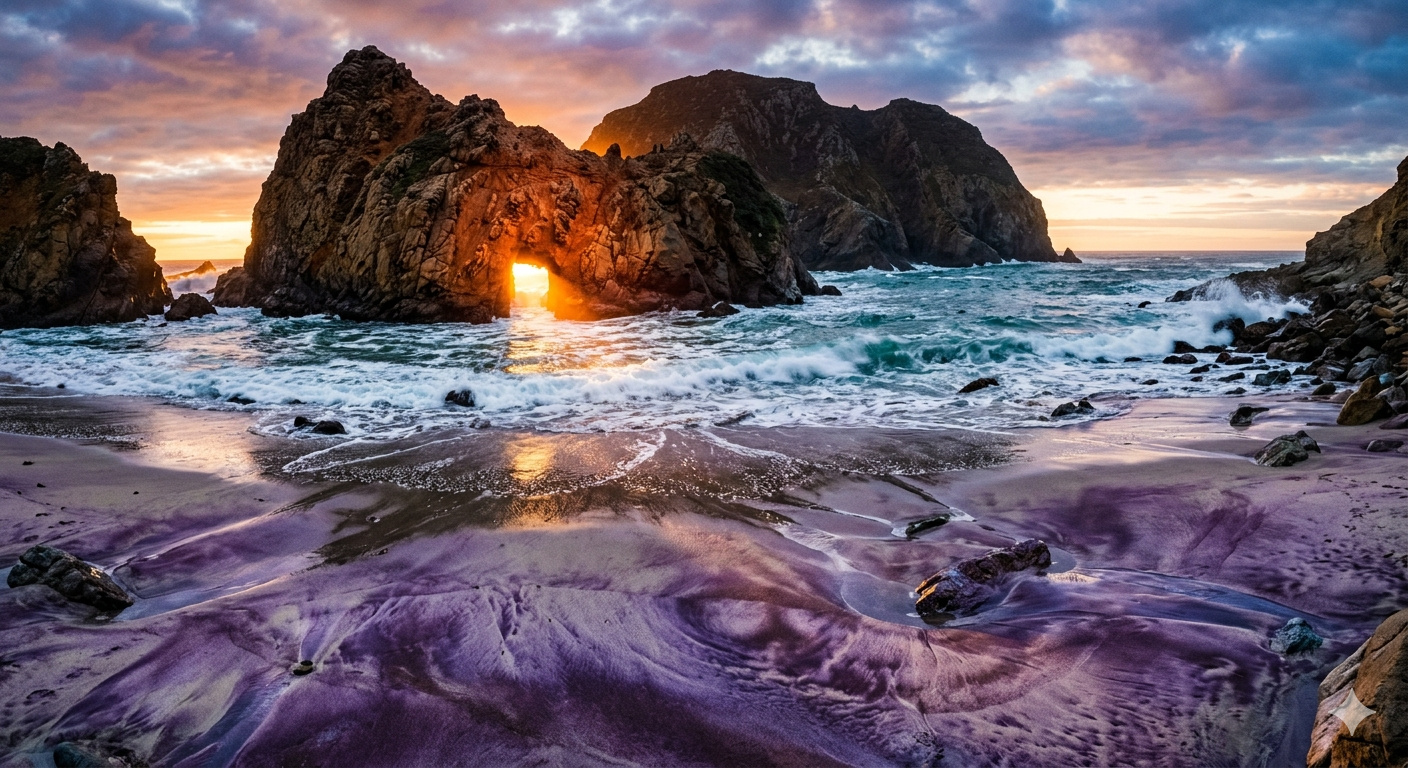
The Pacific Ocean reveals what the cliffs of Big Sur have hidden for millennia: Pfeiffer Beach, in California, features swirling purple sand formed by garnet crystals and displays a stone arch that is illuminated by the sun in winter for just a few days each year.
-
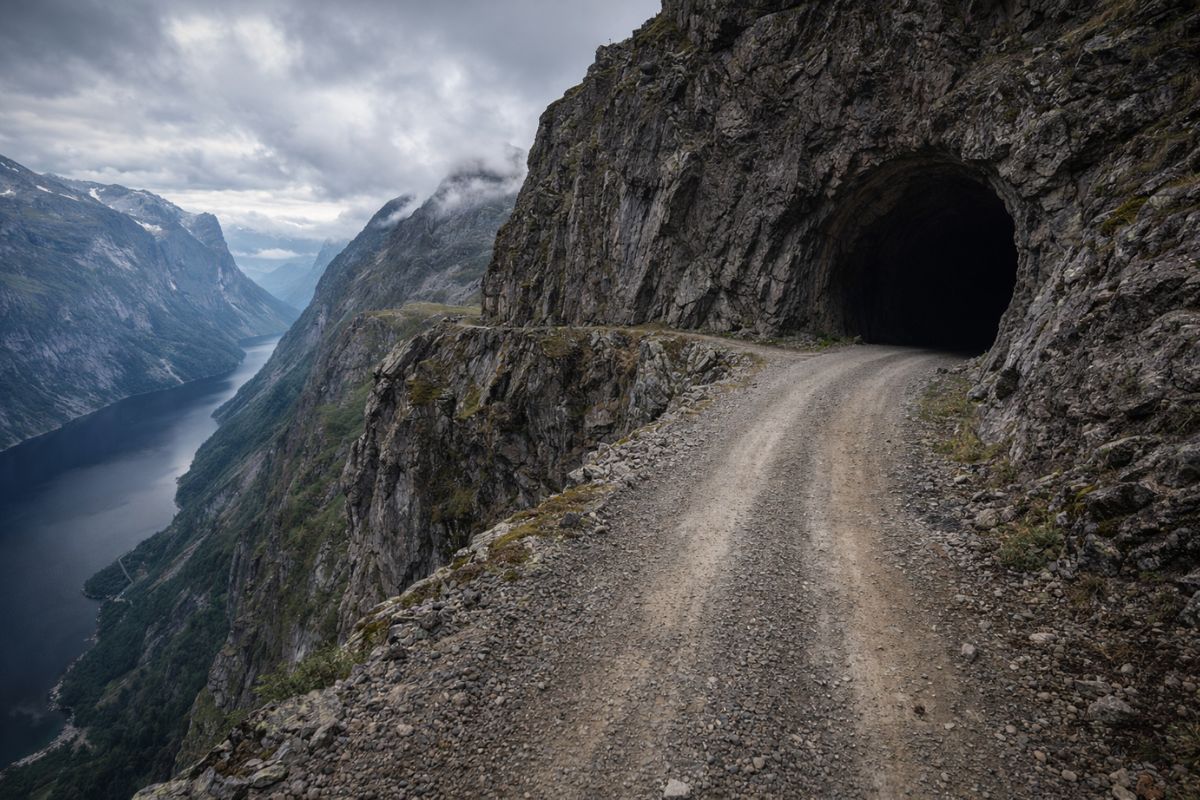
Aursjøvegen in Norway is a 100-kilometer gravel road that crosses chasms and dark tunnels carved into the rock at an altitude of 947 meters in the fjords and is only open for four months a year.
-
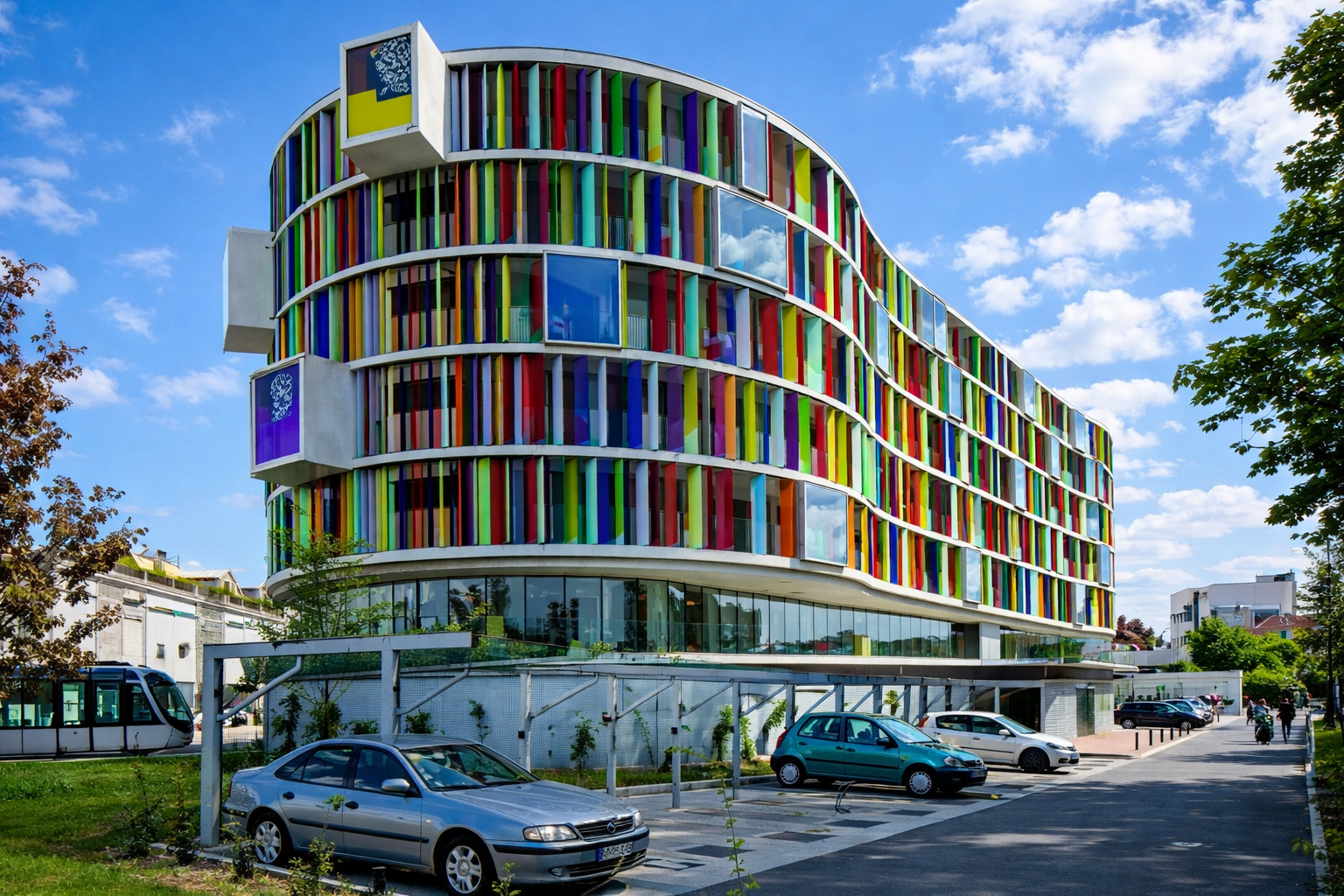
With about 4,000 m², the building constructed in a traditional neighborhood in France looks like a rainbow, has a colorful facade, mixes vibrant glass, and creates one of the most unusual visuals in Bordeaux.

Compared to neighboring destinations more focused on events and the concentration of luxury in specific spaces, Nice is described as a place where it is easier to maintain common habits, visit cafés, walk along the promenade, and go unnoticed.
Discreet Luxury in Nice and Routine in the French Riviera
The idea of “discreet luxury” often emerges when observing how certain addresses in the city operate.
In central areas, the urban dynamic resembles that of a regional capital, with commerce, services, and neighborhood life, which tends to dilute the presence of high-income visitors in the daily flow.
In this context, comfort expresses itself in structures that offer protection without completely isolating those in the city.
In Carré d’Or, for example, real estate agency pages and promotional materials describe the residence known as Le Palace as a high-standard residential complex with an inner courtyard-garden, designed to reduce direct exposure to the movement of nearby streets.
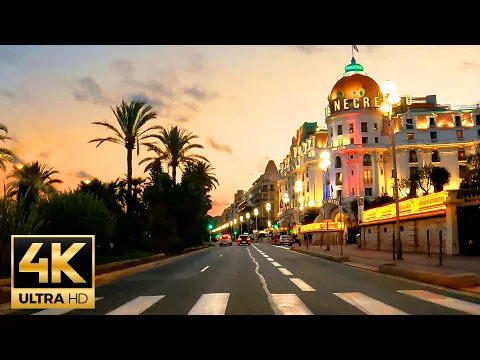
The Promenade des Anglais gathers part of the visible movement of Nice as it follows the coastline along a long waterfront, from the airport to the area of Quai des États-Unis.
Historical sources about the city record that the space developed in the 19th century during a period marked by British presence in the region and subsequently became one of the most well-known axes of the local coastline.
However, the routine in the area is usually described in practical terms: walking, cycling, resting, and observing the sea.
On the same coastal stretch, Plage Beau Rivage presents itself as a traditional structure on the waterfront of Nice, with beach services and assistance aimed at the public seeking convenience.
In institutional communications, the establishment reinforces the idea of continuity and tradition on the coast, instead of associating its image with a model of large tourist complexes.
Near the boundary between the historic center and access to the port, Hôtel Suisse describes itself as a beachfront hotel on Quai Raubà Capeu, an address that places it close to the port area and the castle hill.
The location, highlighted in the hotel’s own information, helps explain why certain spots gain fame as retreats: they are close to major tourist corridors but in a stretch where movement tends to be less concentrated than in event areas.
Colline du Château and the Military History of Nice
One of the landmarks for understanding Nice beyond the postcard is the Colline du Château, now a park and garden above the sea.
However, the site has a past linked to defensive structures that accompanied the city’s medieval urban formation, with historical records associating the hill with an ancient fortress.
According to historical compilations available in encyclopedias and reference materials about the territory, the fortress was captured by French troops in the early 18th century and then destroyed by order of Louis XIV.

The episode is cited as part of the process of military and political control over the region during a period of strategic disputes.
With the end of the fortification, the area underwent transformation and solidified as a park and viewpoint.
Descriptions of the site highlight the presence of gardens and observation points of the Baie des Anges and the port, with residents and tourists circulating throughout the day.
In practice, the relief creates a physical distancing from the street level, changing the perception of noise and movement compared to the waterfront and the center.
Saint-Jean-Cap-Ferrat and the Off-Market Real Estate
Just a few kilometers from Nice, Saint-Jean-Cap-Ferrat frequently appears as a synonym for residential exclusivity.
In this case, discretion is not only a social characteristic attributed to the place: it also relates to how part of the real estate transactions is conducted.
Materials from specialized real estate agencies for high-end properties mention the sale “off-market”, outside the open market, as a modality applied on the peninsula, under the argument of preserving confidentiality for owners and buyers.

This type of offer, by definition, tends to reduce the public circulation of information about values and available properties.
The local history is also used to contextualize this image.
The Grand-Hôtel du Cap-Ferrat, currently operated by the Four Seasons group, claims to have been built in 1908.
Travel and lifestyle reports in Brazil, such as those published by Forbes Brasil, cite the hotel as a regional icon and mention names of famous guests associated with the address over time, including Charlie Chaplin and Winston Churchill, without detailing whether these stays occurred permanently or only temporarily.
In addition to historical accounts and the real estate market, the region has begun to integrate audiovisual narratives focused on urban walks and landscapes.
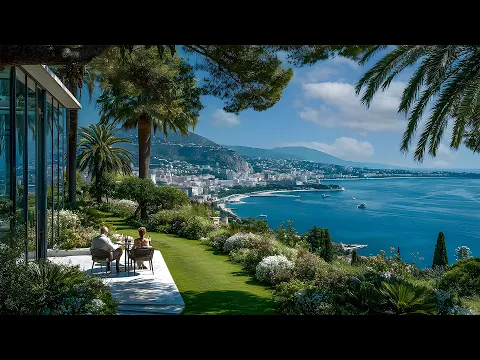
The channel Walking & Relax, on YouTube, publishes videos in a walking format through Nice and its surroundings, and one of the titles in English uses the term “Silent Paradise” when referring to the city.








-

-

-

3 pessoas reagiram a isso.