





 Portuguese
  English
  Spanish
  4 min of reading
  19 comments


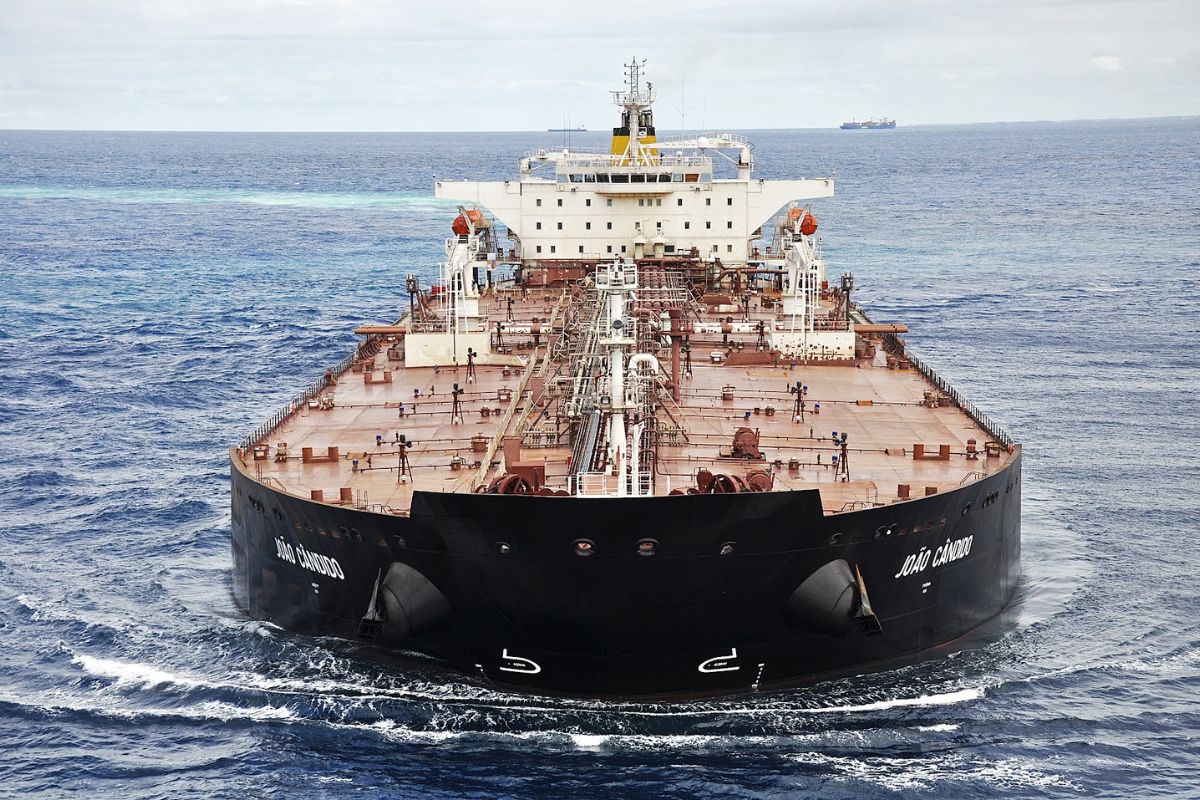


The Oil Tanker João Cândido, Built in Pernambuco, Is a Landmark of Modern Naval Engineering in the Country, But Its Trajectory Was Marked by Delays, Challenges, and a Tribute to a Controversial Hero in Brazilian History.
The oil tanker João Cândido was supposed to be the symbol of the renaissance of the Brazilian shipbuilding industry. With a length of 274 meters and a capacity of one million barrels. However, its story is the chronicle of a giant that was born with an extra weight: that of bearing the difficulties, delays, and controversies of an ambitious, yet troubled, industrial plan.
However, the story of the giant is complex. Its construction, part of a billion-dollar program from the government, faced significant problems and delays that tested the limits of the country’s new shipbuilding industry. Furthermore, its name carries the weight of one of the most important and controversial social revolts in Brazilian history, making this ship much more than just a steel structure.
The PROMEF: The Plan That Sought to Revive the Brazilian Naval Industry
The story of the oil tanker João Cândido is inseparable from that of PROMEF (Modernization and Fleet Expansion Program). Launched in 2004 by Transpetro, a subsidiary of Petrobras, the program had a clear goal: to use the state-owned company’s purchasing power to rebuild the Brazilian shipbuilding industry.
-
Drought may be creating stronger superbugs in the soil and helping antibiotic resistance reach hospitals, warns a study highlighting a problem that could grow alongside extreme weather.

-
The biggest scam in history: Napoleon’s France deceived the United States by selling them a territory that was Spanish.

-
Why is the Danakil Desert so dangerous? It has unstable terrain and how extreme temperatures and toxic gases turn the region into one of the most hostile environments on Earth.

-
With a height of 221 meters and a capacity for trillions of liters, Hoover Dam still holds a trick that makes water defy logic.

With an investment of over R$ 11 billion, the plan envisioned the order of 49 ships, all built in national shipyards. This enormous demand gave rise to new industrial capacity, highlighted by the creation of the Atlântico Sul Shipyard (EAS) in Pernambuco. Built from scratch, EAS became the largest shipyard in the Southern Hemisphere.
The Specifications of the Oil Tanker João Cândido: A Suezmax Class Giant
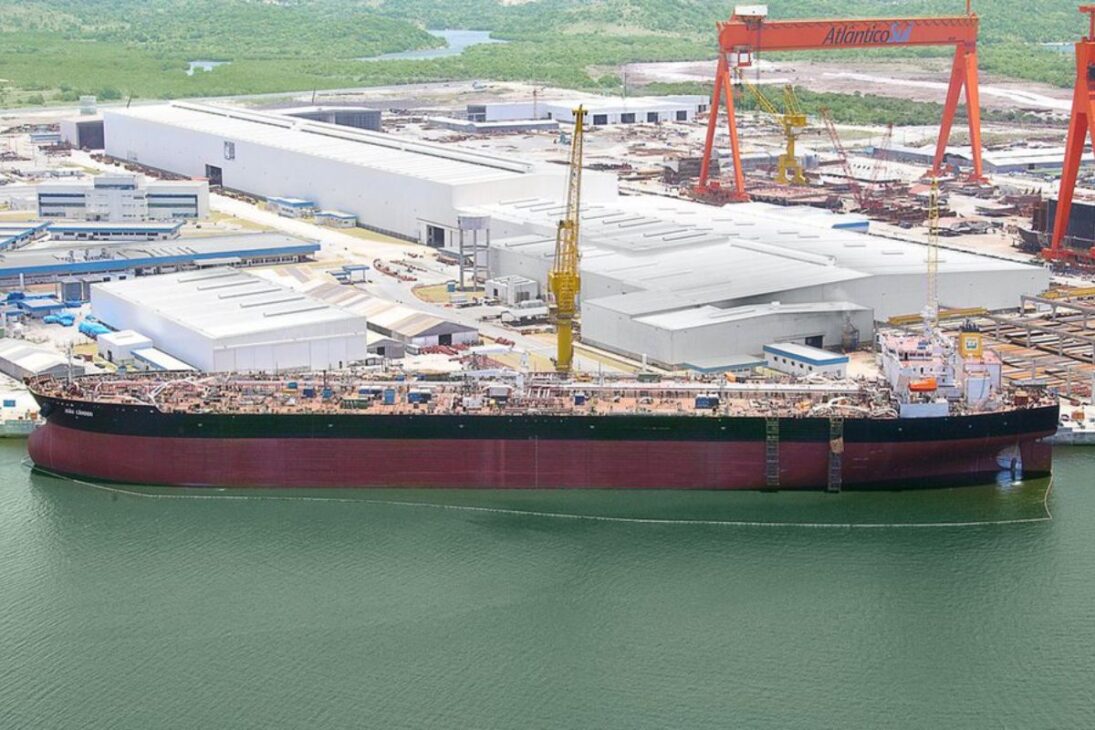
The João Cândido was designed to be a titan of the seas. It belongs to the Suezmax class, which means it has the maximum dimensions to transit through the Suez Canal, one of the most important maritime routes in the world.
Its numbers are impressive:
- Length: 274.2 meters.
- Width (Beam): 48 meters.
- Deadweight Tonnage (DWT): Approximately 157,700 tons (the total weight of cargo it can carry).
- Cargo Capacity: Approximately 1 million barrels of oil.
It is important to note that the oil tanker João Cândido, while pioneering, is not unique. It is the first of a series of ten identical tankers ordered from EAS, all named in honor of important figures from Brazilian history.
The Two Years of Delay and the Challenges in Construction
The launch ceremony of the João Cândido in May 2010 was a highly symbolic event, attended by then-president Luiz Inácio Lula da Silva. However, the initial optimism gave way to a period of frustration.
After the ceremony, reality set in: the giant was not ready. Serious construction defects were discovered, and the ship, which was supposed to be a symbol of pride, became the butt of jokes, nicknamed ‘the ship that doesn’t sail’. Nearly two years of a costly and complex repair process were necessary before it was finally deemed operational on May 25, 2012.
The Tribute to the “Black Admiral”: Who Was João Cândido and the Revolt of the Whip
The choice of the ship’s name was an act of profound historical significance. The oil tanker João Cândido Felisberto was the Afro-Brazilian sailor who led, in 1910, the “Revolt of the Whip”. In this event, over 2,000 sailors, mostly black, pointed the cannons of the most powerful warships in the country at the then-capital, Rio de Janeiro. The demand was one: the end of corporal punishment.
The whip, a type of lash, was a direct inheritance from slavery, used to punish sailors for infractions. The tribute to João Cândido, long seen as just a mutineer, was a recognition of his fight for dignity and human rights, although it generated discomfort within the Navy.
The Largest in History? The Comparison with the Galleon Padre Eterno from the Seventeenth Century
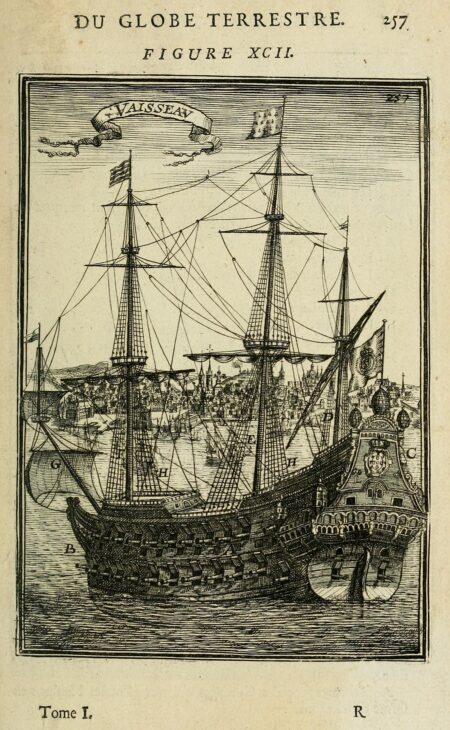
Although the João Cândido is one of the largest ships of Brazil’s modern industrial era, the title of the largest ship ever built on national soil, in terms of importance for its time, belongs to another giant: the galleon Padre Eterno from the seventeenth century.
In the seventeenth century, colonial Brazil was a center of excellence in shipbuilding. In 1663, the galleon Padre Eterno was launched in Rio de Janeiro. With about 73 meters in length and armed with up to 180 cannons, it was considered, in its time, the most powerful ship in the world. While the João Cândido is a giant of national logistics, the Padre Eterno was a colossus that showcased the power of the Portuguese empire on the seas of the world. The comparison, therefore, is not only of size, but of purpose and historical legacy.








Eu tenho orgulho de trabalhado neste navio e outros também como dragão do mar Anita garibalde e outros mas
E onde anda esse petroleiro ?? Foram construídos outros?
Os políticos do Brasil principalmente os de direita e extrema direita, trabalham contra o povo brasileiro, o povo pra eles é visto como massa de manobra, nós povo, temos de estar atentos a esses homens, que nas eleições veem mentir na TV temos que ver o que eles fizeram durante o mandado, não o que eles disseram na mídia.
O povo é massa de manobra para a esquerda e extrema esquerda e não direita.
Os de esquerda são honestos? Sinceros? Gostam do povo? Estamos todos bem hoje ou só eles?