





 Portuguese
  English
  Spanish
  4 min of reading


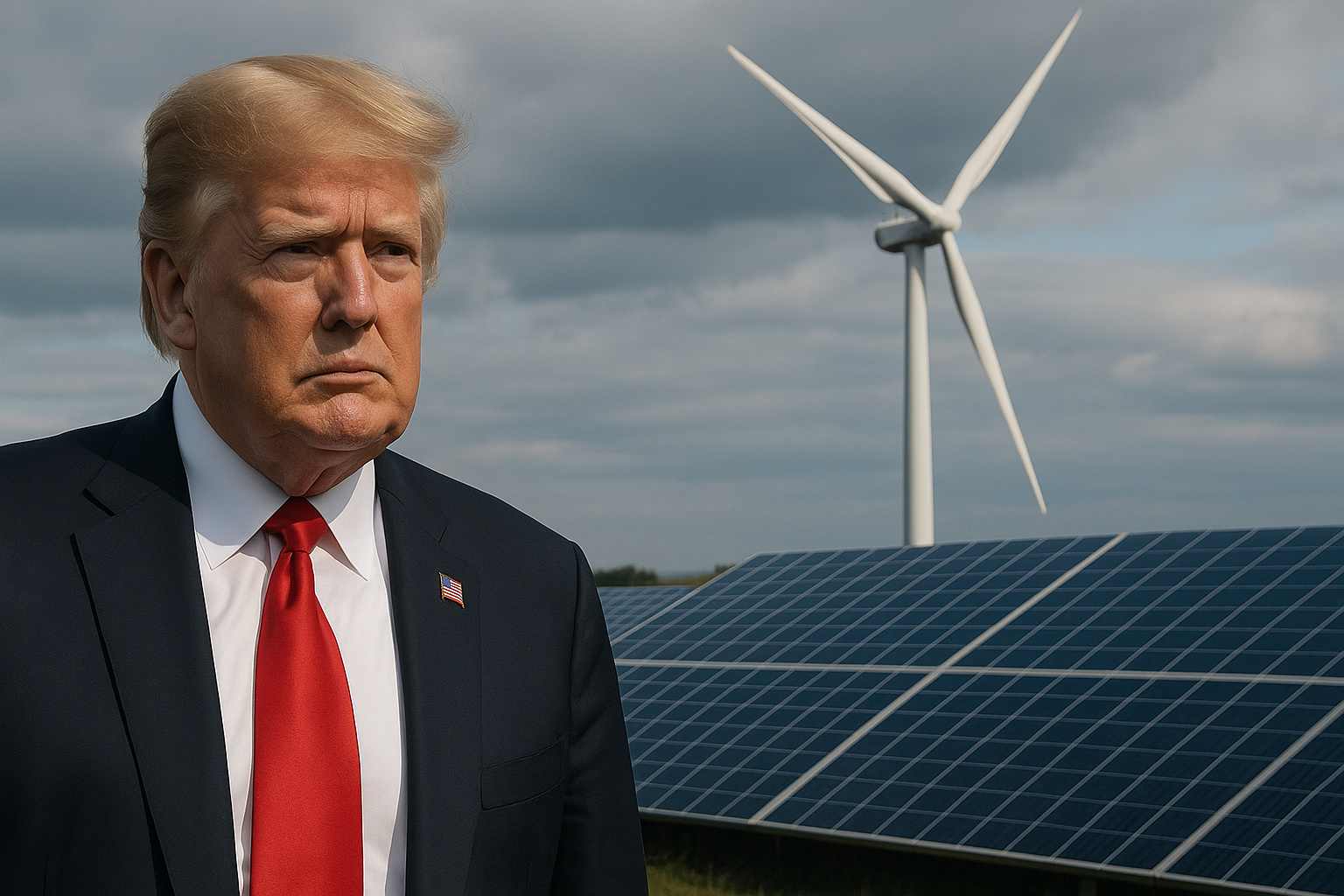
The discussion about renewable energy gained traction in the United States after the Trump administration announced it would accelerate the construction of data centers as part of a strategic national security plan. Although this move seems to expand the country’s technological capacity, it also reveals a growing paradox. On one side, artificial intelligence requires increasingly larger volumes of energy. On the other, the government itself fosters barriers against clean sources, especially solar and wind, creating a clash between energy policy and technological demand.
This contrast arises at a time when international institutions, such as BloombergNEF, project that global energy consumption by data centers will continue to increase rapidly in the coming years. According to the site, the expansion of these digital environments requires stable, predictable, and sustainable planning. It is at this point that political decisions become decisive. Therefore, when the federal administration questions incentives for clean energy, it directly affects the viability of the entire ecosystem that supports the advancement of AI.
Growth of Data Centers Pressures the Energy System
While the government promises to expand data center infrastructure, it also reinforces critiques of renewable energy. Historically, the United States has gone through cycles of energy dependence tied to fossil fuels, but since the 1970s, it has been attempting to balance self-sufficiency and sustainable development. Nonetheless, the tension between technology and energy has never been more evident.
-
Researchers discover a possible hydrogen deposit of up to 46 million tons beneath an ancient coal basin, and the volume could exceed half of the entire global production.

-
China bets on the Fishery-PV model and transforms fish farms into giant solar plants, covering ponds with panels that generate energy while utilizing the same space for large-scale aquaculture production.

-
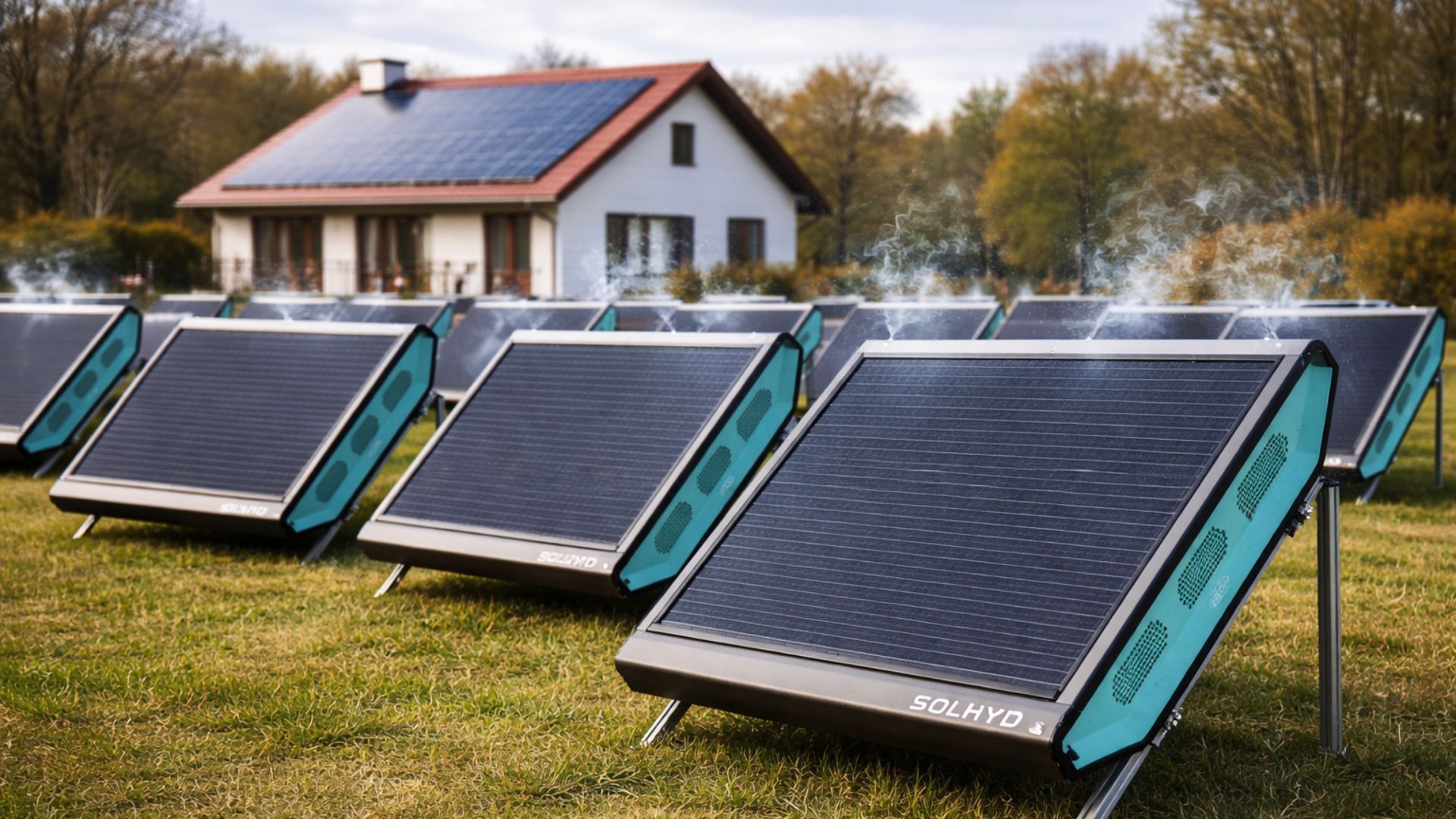
Green hydrogen at home: Belgium launches new technology that makes solar panels produce fuel from the moisture in the air, which could boost the energy transition.
-
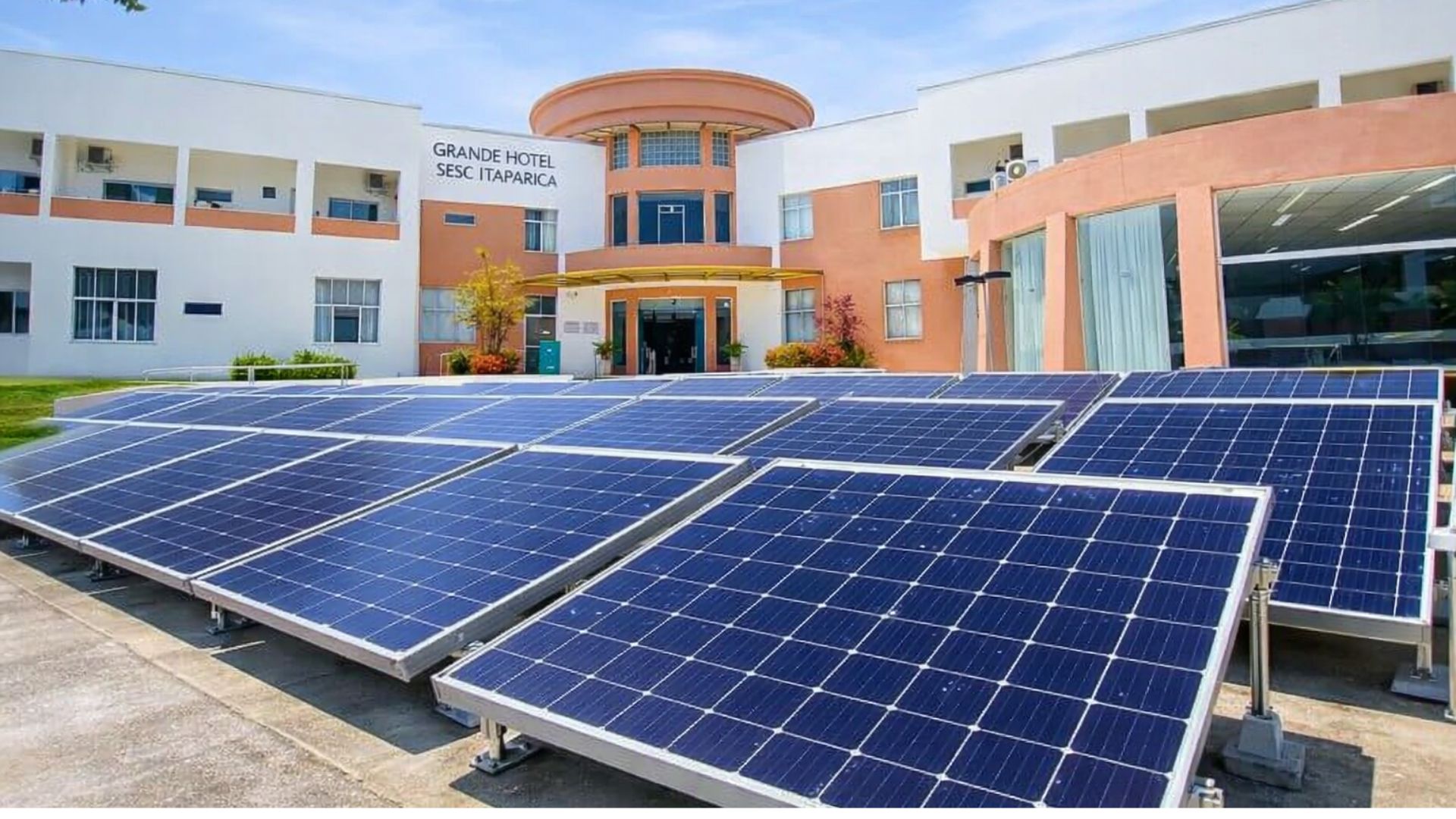
Sesc-BA bets on renewable energy with the support of EDP and drives the energy transition with a direct impact on cost reduction and the sustainability of its operations in Bahia.
While the government makes statements about strengthening national security, the private sector continues to argue that the country needs more renewable energy to keep pace with the rapid pace of digital transformation. Various experts claim that major advancements in AI will only be possible if there is a reliable, clean, and economically competitive energy matrix, which directly involves solar and wind.
According to the International Energy Agency, the electricity demand from data centers could double by 2030, surpassing the total consumption of entire countries. This scenario requires predictability and stable costs, factors that depend on a solid energy transition. Therefore, when the government questions these sources, it creates insecurity among investors, suppliers, and large commercial operators.
Tensions Between National Security, Innovation, and Renewable Energy
Historically, emerging sectors have always required structural adaptations. The electrification of the 20th century, for instance, repositioned cities, industries, and work models. Now, the revolution of artificial intelligence demands similar changes. However, the difference lies in the speed. As the government itself asserts, data centers have become essential for national defense and global competitiveness. However, they need to operate with large volumes of energy.
At this point, the contradiction arises. The Trump administration, by criticizing solar and wind energy, reduces the integration of sources that could, precisely, ensure more security and less volatility in the system. The government, according to reports from the New York Times and analyses from international organizations, is also revising subsidies and regulations that supported the expansion of these clean sources. This impacts companies that were already planning to increase investments in renewable energy to power AI processing centers.
Meanwhile, competing countries are advancing. The European Union, as reported by the official website of the European Commission, is strengthening policies to accelerate the energy transition. China, according to the Chinese government, leads in solar and wind expansion. These nations understand that technological dominance and energy stability go hand in hand.
How AI Directly Depends on Clean Energy
The intense use of computing requires constant, predictable, and cheap energy. Experts highlight that AI algorithms consume millions of times more energy than traditional applications. Therefore, large tech companies are already betting on renewable energy contracts. According to data released by BloombergNEF, digital giants lead the global purchase of clean energy because this ensures not only lower costs but also operational resilience.
Thus, public policy that criticizes clean energy is in direct conflict with the economic logic of these companies. As Trump escalates the rhetoric against solar and wind energy, he must deal with opposing pressures from companies that rely on renewable energy to sustain their businesses. This creates an unstable political landscape, affecting investment forecasts and generating concerns about the American energy future.
Future Challenges for a Coherent Energy Policy
The discussion about renewable energy in the United States is not recent. Already in the 1990s, federal agencies and scientific organizations warned about the need to diversify the energy matrix. With the arrival of artificial intelligence, this need has become even more urgent. Therefore, analysts argue that the country is at a decisive moment.
According to the website of the International Energy Agency, slow energy transitions can compromise global competitiveness. Therefore, while the government announces technological expansion, it needs to recognize that without renewable energy, there is no stability for large AI operations. The pursuit of energy autonomy demands a balance between tradition and innovation. Thus, the country must carefully analyze how environmental and industrial policies connect, especially when the goal is to lead the global AI race.
With this, it becomes evident that sustainability is not just an environmental agenda, but also a strategic pillar for any country that wishes to compete in advanced technology. Therefore, even with opposing rhetoric, the market continues to push for clean sources, arguing that they represent the future of energy resilience and innovation.








Seja o primeiro a reagir!