





 Portuguese
  English
  Spanish
  3 min of reading


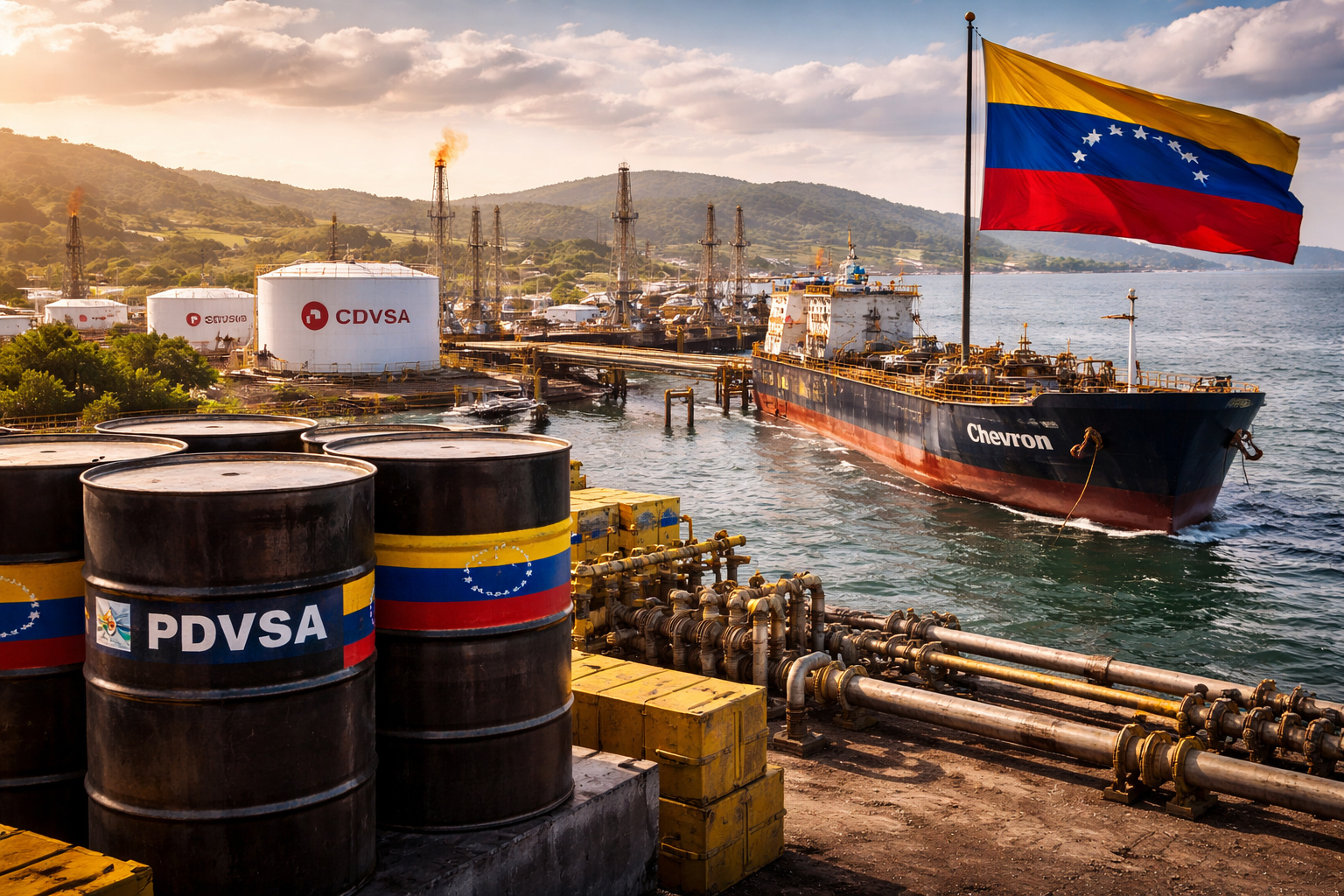
The President of the United States, Donald Trump, announced that he intends to maintain control over Venezuela for several years. According to him, the goal is to supervise Venezuelan oil and use this wealth to profitably rebuild the country. The statements were made in an interview with American outlets and confirmed by sources linked to the White House.
Trump stated that the interim government in Caracas is fully cooperating with Washington. Thus, the current American administration is strengthening its presence in the energy sector of the neighboring country. He also explained that the transition will last longer than most people expect.
Oil as the Base of the Strategic Plan
Venezuela has about 303 billion barrels of confirmed reserves. This volume places the country among the largest oil holders in the world.
Therefore, the commodity has become central to the American plan.
-
Lula reveals a masterstroke by Petrobras to undo a deal made by Bolsonaro, which involves the return of an important refinery that currently produces less than half of what was expected and makes Brazil dependent on international diesel.
-
A study confirms that the natural gas sector will reduce greenhouse gas emissions in Brazil by 0.5% and accelerate the energy transition by 2026.

-
Petrobras implements a severe adjustment and confirms a 55% increase in the price of aviation kerosene with a proposal for installment payments for the companies.

-
The rise in oil prices could ensure an extra revenue of R$ 100 billion for the Federal Government, indicates a recent economic study.


Trump declared that the United States wants to manage and extract oil while helping to recover the Venezuelan economy. According to interviews cited by national and international newspapers, Washington sees oil production as a source of income and an opportunity to modernize the country.
Moreover, Trump stated that the supervision will not be short. He suggested that the control may last much longer than a year, although he avoided setting exact deadlines.
Chevron Begins Shipping Venezuelan Oil
While Trump discusses the strategy, ships from Chevron are already transporting oil from Venezuela to American refineries.
This movement marks a concrete change in the energy trade between the two countries.
At the same time, companies from the United States are assessing investments in Venezuelan fields. According to sources close to the oil industry, these investments could renew platforms and reactivate areas that have been inactive.
As a result, Washington expects to increase its energy security and reduce dependence on other producing regions.
Cooperation between Caracas and Washington
Trump stated that the new Venezuelan government has been responding quickly to the demands of the United States.
Although Caracas still faces internal tensions, the American president says that the current leadership accepts the conditions imposed by the White House.
This rapprochement marks a contrast with previous governments.
During the years of Nicolás Maduro, Washington imposed broad sanctions and blocked oil exports. Now, the dialogue is intensifying and paving the way for new trade agreements.
Still, experts point out that the political alignment may generate debate about sovereignty, as Venezuela maintains its status as an independent country.
Geopolitical Issues and Criticism of the Project
Trump’s plan generates discussions among analysts and diplomats. Some believe that the American use of Venezuelan oil could bring financial returns and help recover critical infrastructure.
However, others fear that the model could place the country under prolonged dependence on the United States.
The idea of external control raises alarms about national sovereignty and the direct involvement of foreign powers in managing natural resources.
Even so, oil continues to determine alliances and disputes.
It shapes foreign policy and interferes with the economic decisions of the nations involved.
Oil as a Masterline for the Future of the Region
The scenario confirms that oil remains at the center of international relations.
Despite the expansion of renewable sources, the world still heavily relies on this commodity.
Thus, the American plan demonstrates how large reserves, such as those in Venezuela, remain valuable. Additionally, the project indicates that Venezuela may enter a new economic cycle, marked by investments, market opening, and gradual infrastructure rebuilding.






Seja o primeiro a reagir!