





 Português
  Inglês
  Espanhol
  3 min de leitura
  3 comentários


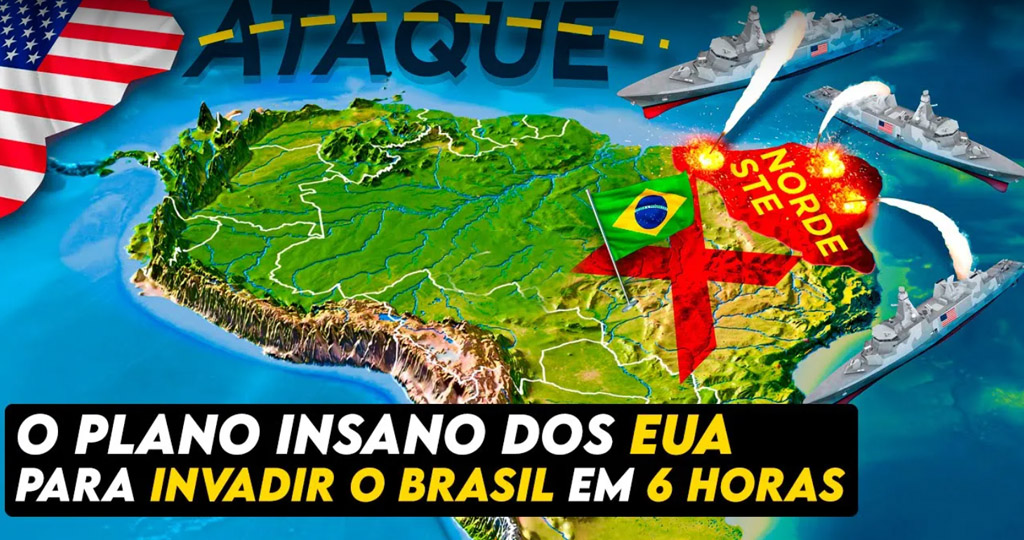


The United States Planned To Invade Brazilian Northeast, But Diplomacy Avoided Conflict, Turning Brazil Into A Crucial Ally For Americans.
Amid the chaos of World War II, Brazil found itself at the center of an audacious plan by the United States. The Americans Considered Invading Brazilian Northeast, a strategic region that offered significant advantages for military operations.
The proximity to Europe made the Northeast a crucial point for transporting supplies and weapons. According to an article from the newspaper Folha de S.Paulo, Germany and the United States vied for Brazil’s friendship, hoping to use the territory as a military base.
The Strategic Importance Of Brazil Did Not Go Unnoticed By The U.S. When Japan attacked Pearl Harbor in 1941 and the United States entered the war, American military officials realized that Brazil could not protect its northeastern region by itself.
-
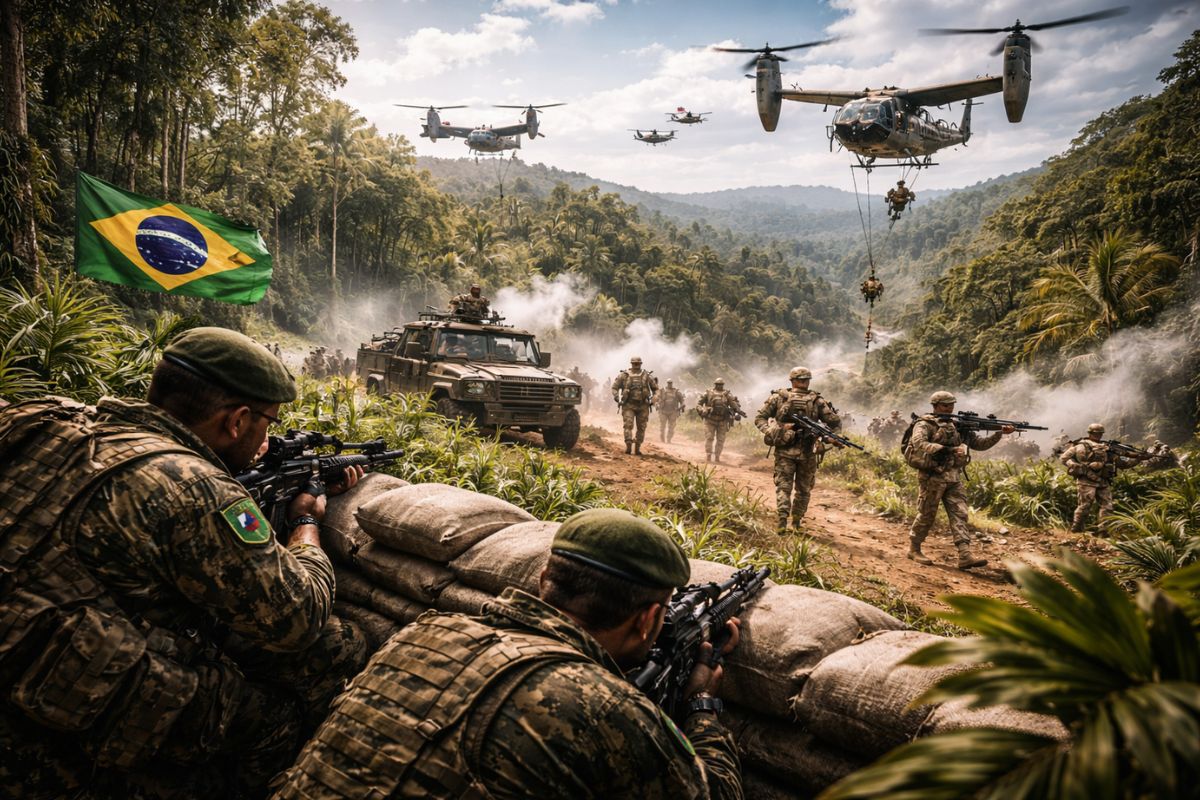
If the USA were to go to war with Brazil, Washington’s greatest fear would not be the attack itself, but facing a vast territory, prolonged resistance, and a costly, chaotic, and unpredictable occupation.
-
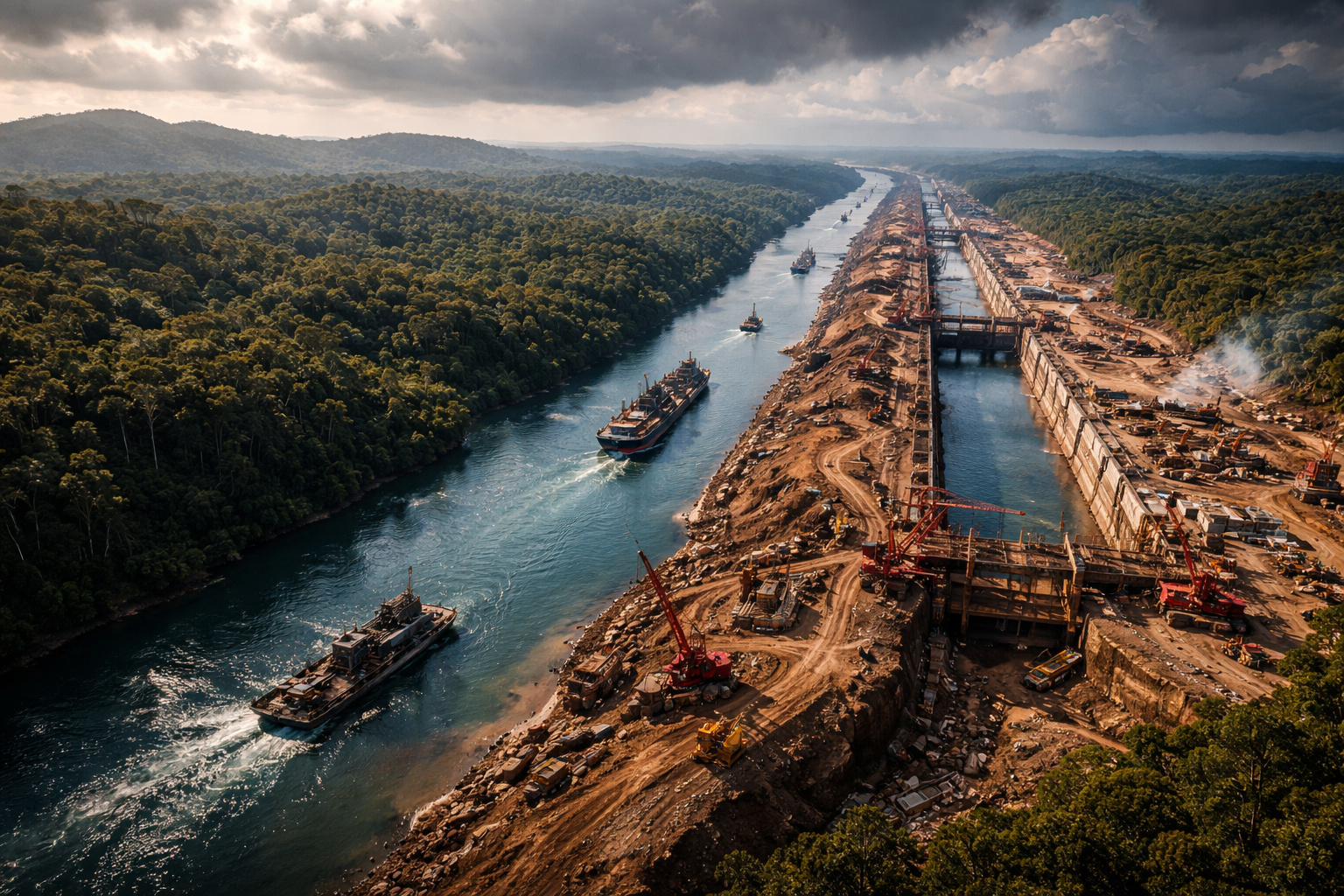
In 2013, Nicaragua sold the concession for a canal to rival Panama to a Chinese billionaire who lost 85% of his fortune, disappeared, and was declared bankrupt. Now the project resurfaces with a new route, a new Chinese partner, and a cost of $64.5 billion.
-
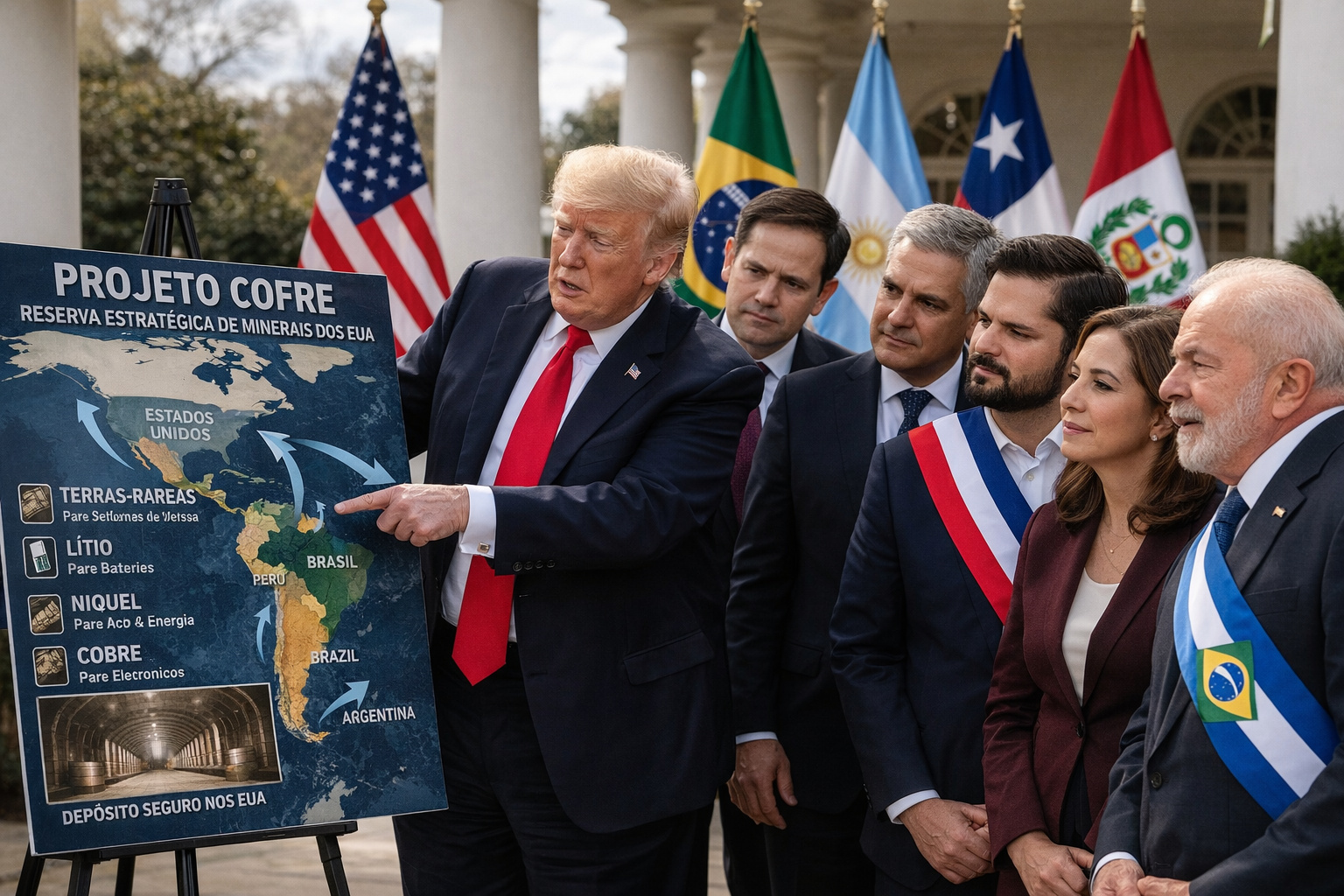
The USA announces a mysterious billion-dollar vault project to store critical minerals, but what intrigues experts is not just the plan itself, but why Latin America, including Brazil, has entered the center of this global dispute against China.
-
Trump Announces Bombing of U.S. Military Targets on Iranian Island Responsible for About 90% of Iran’s Oil Exports, Warns of Further Attacks if Navigation in Strategic Strait of Hormuz Is Threatened

With airstrips and strategic ports in Rio Grande do Norte, the Americans feared that these locations could become Nazi bases, especially due to the large number of German descendants in Brazil and the strong relationship between Brazil and Germany at the time.
According to the aforementioned newspaper, there was significant concern about Nazi infiltration in Brazil. By the end of 1941, the United States requested permission from Brazil to use the Natal airbase. However, then Brazilian President Getúlio Vargas saw this request as a threat to national sovereignty and refused.
According to historical documents, Washington interpreted the Brazilian refusal as resistance to the U.S. and a possible alliance with the Nazis. This distrust grew when the Americans learned of a Brazilian mission to Germany.
During the visit, the Brazilians were received with honors and met the creator of the Schwalbe jet fighter used by the Luftwaffe. Moreover, reports from American intelligence, now cited by the newspaper Estado de S.Paulo, indicate that from that moment on, the United States began drafting the “Joint Basic Plan” to invade and occupy the north and northeast of Brazil.
The Invasion Plan Was Ambitious And Detailed
The initial mission would involve capturing important ports and airports, landing 20,000 Marines in Paramirim, Rio Grande do Norte. Other troops would invade Belém and Recife, considered primary targets. Cities such as Salvador, Maceió, Aracaju, Fortaleza, and Fernando de Noronha were also on the list, though on a smaller scale.
According to military documents mentioned by Estado de S.Paulo, the aim was to occupy the entire Brazilian coast, from Bahia to Amapá, in less than six hours, with the Atlantic American fleet providing coverage in case of Brazilian resistance.
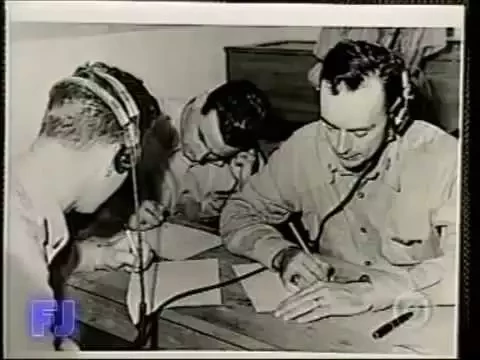

But Why Did The Plan Not Go Ahead?
According to information, the U.S. President at the time, Franklin Roosevelt, was a great friend of Brazil and visited the country several times. He knew that turning a nation as large as Brazil into an enemy would be dangerous, in addition to considering Brazilian minerals and rubber essential for the war industry.
In this context, records show that the plan was developed by military officials, but Roosevelt hesitated to put it into action. Influenced by diplomats, he opted for a diplomatic approach, offering trade agreements, military support, and investments in the Brazilian industry.
Thanks to diplomacy, the invasion plan was abandoned, and Brazilian Northeast became an allied military base in the fight against the Nazis. Roosevelt’s decision to avoid direct conflict with Brazil not only strengthened the ties between the two nations but also ensured that vital resources continued to flow to the Allied war efforts.
Did you know about this fascinating story of the near invasion of the U.S. into Brazil during World War II? Do you think Brazil would have had the strength to avert an American invasion? Leave your opinion in the comments!








Naquela época pré tecnologia nuclear o Brasil poderia trazer muitas dores de cabeça aos EUA. Claro que a FEB foi bem na Itália com caças americanos Thunderbolts, mas invadir uma nação gigante é como mexer em um formigueiro, você até pode vencer a guerra, mas vai sofrer com as guerrilhas da população, até uma panela de água fervendo vira arma. Inglaterra na Índia é exemplo, teria além dos problemas do próprio país ainda ter que dar conta dos problemas do país invadido. Isso afunda uma nação
O Brasil ia perder o norte é nordes para os americanos
Era um problema a mais para os americanos, poderíamos não aguentar uma guerra e solo brasileiro mas duas frentes de batalhas, naquela época, seriam perigoso a riscar a estratégia militar . poderiam não ganhar a guerra mas nós brasileiros não deixaríamos barato para os americanos.