





 Portuguese
  English
  Spanish
  3 min of reading
  0 comments


Soviet Project Started In 1970 Drilled The Earth’s Crust To 12,262 Meters, Revealed Deep Water, Ancient Fossils, Extreme Thermal Limits And Ended After Financial Collapse And Gradual Soviet Historical Abandonment
Kola Superdeep Borehole in Russia Reaches 12,262 Meters Between 1970 And 1992, Faces 180°C, Loses Funding After 1991 And Is Sealed In 2008 After Gradual Abandonment.
The Kola Superdeep Borehole, Started By The Soviet Union In 1970 In Russia, Reached 12,262 Meters By 1992, Was Interrupted By Extreme Heat And Financial Cuts After 1991, Becoming A Scientific Landmark And An Example Of The Technical Limits Of Deep Drilling.
The Project Began During The Cold War With A Scientific Aim, Seeking To Penetrate Deeply Into The Earth’s Crust For Geological Research, Without Focus On Extracting Natural Resources Or Immediate Economic Returns.
-
While the world looks at oil, the war with Iran is already disrupting helium supply from Qatar, affecting car and iPhone chips, threatening AI expansion, and putting pressure on aluminum packaging at the highest value in four years.

-
Global warming will expose a treasure hidden under the ice of Antarctica and may spark an international dispute over gold and valuable minerals.

-
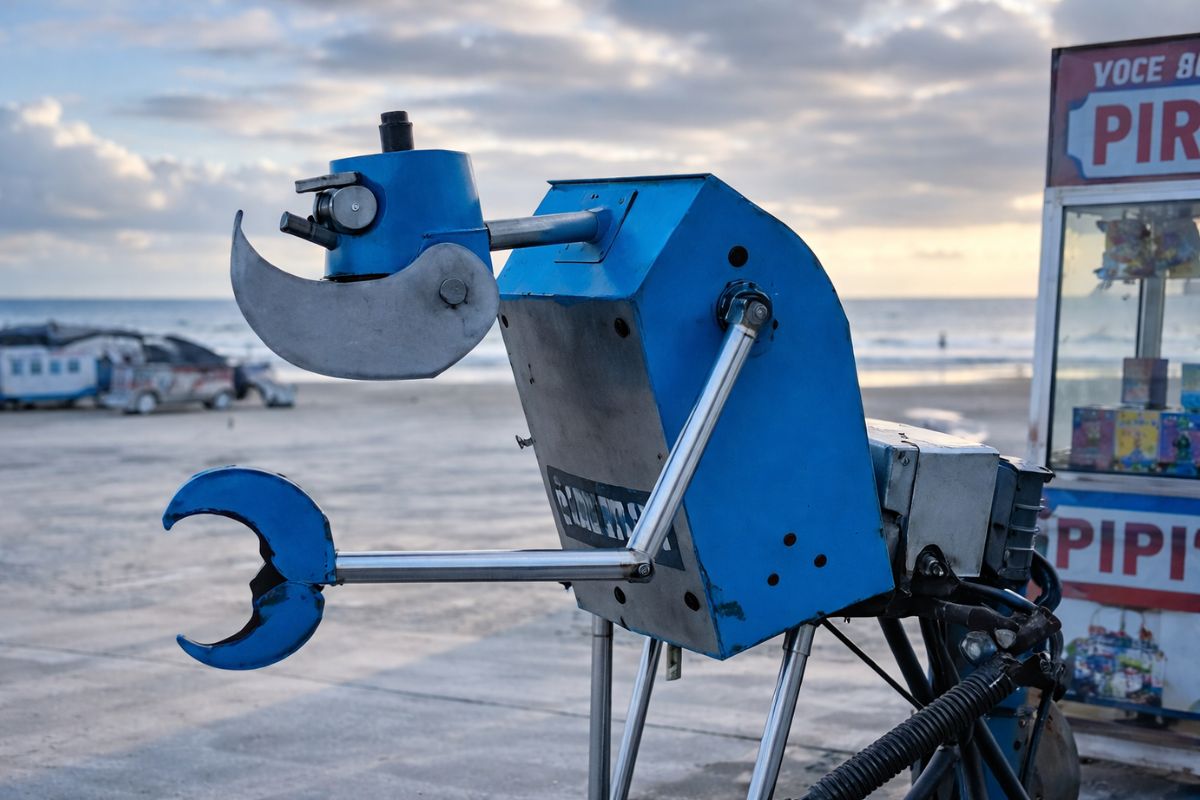
A street vendor from Praia Grande built a robot made of scrap from scooters and washing machines that pulls his popcorn cart on the beach, emits sounds, and interacts with customers, becoming an attraction on the coast of São Paulo.
-
The specifications of the Xiaomi 18 Pro Max have been leaked, and the highlight is a dual 200 MP camera with a new 22-nanometer technology that promises to consume less energy and capture details in shadows and bright areas using LOFIC HDR.


According To The Travel Exploration Website The Travel, The Initiative Also Served As A Demonstration Of Soviet Technological Capability In A Context Of Strong International Scientific And Strategic Competition.
Over Approximately Two Decades, The Main Drilling Progressed Continuously Until It Reached The Record Depth Of 12,262 Meters, Becoming The Deepest Artificial Hole Ever Dug By Humans.
During Excavations, Researchers Identified Liquid Water At Great Depths, Contradicting Scientific Expectations Of The Time And Indicating Geological Processes More Complex Than Existing Models Predicted.


Microscopic Fossils Billions Of Years Old Were Also Found, Along With Rock Compositions Different From Estimated, Expanding Knowledge About The Internal Structure Of The Earth’s Crust.
The Advancement Of The Borehole Revealed, However, A Critical Technical Challenge Related To An Unexpected Increase In Internal Temperatures, Which Became Progressively Higher With Depth.
Technical Reports Indicate That The Bottom Of The Borehole Reached About 180°C, A Value Nearly Twice As High As Initially Predicted By The Geological Calculations Used In The Planning.
Adverse Climatic Conditions
This Extreme Heat Seriously Compromised The Drilling Equipment, Causing Frequent Failures, Accelerated Wear And Substantial Increases In Operational Costs For The Soviet Scientific Project.
The Situation Became Unsustainable After The Collapse Of The Soviet Union In 1991, When State Funding Was Drastically Reduced, Directly Affecting The Continuity Of Activities On Site.
Without Sufficient Resources And Facing Technical Barriers Considered Insurmountable At That Time, Drilling Was Officially Halted Around 1992, Concluding The Ambitious Experiment.

The Site Was Not Subjected To Deliberate Destruction, But Was Gradually Abandoned, Allowing Surface Structures To Deteriorate Over Time Due To The Region’s Harsh Climate.
For Safety Reasons, The Borehole Was Permanently Sealed With A Welded Metal Cap Around 2008, Preventing Access And Future Risks.
Despite The Premature Closure, The Kola Superdeep Borehole Left A Lasting Scientific Legacy, With Deep Geological Data Still Relevant For Contemporary Research On Earth.
With Information From CNN.








-

-

-

-

6 pessoas reagiram a isso.