





 English
  Francês
  Alemão
  Italiano
  Japonês
  Norueguês
  Portuguese
  Spanish
  4 min of reading


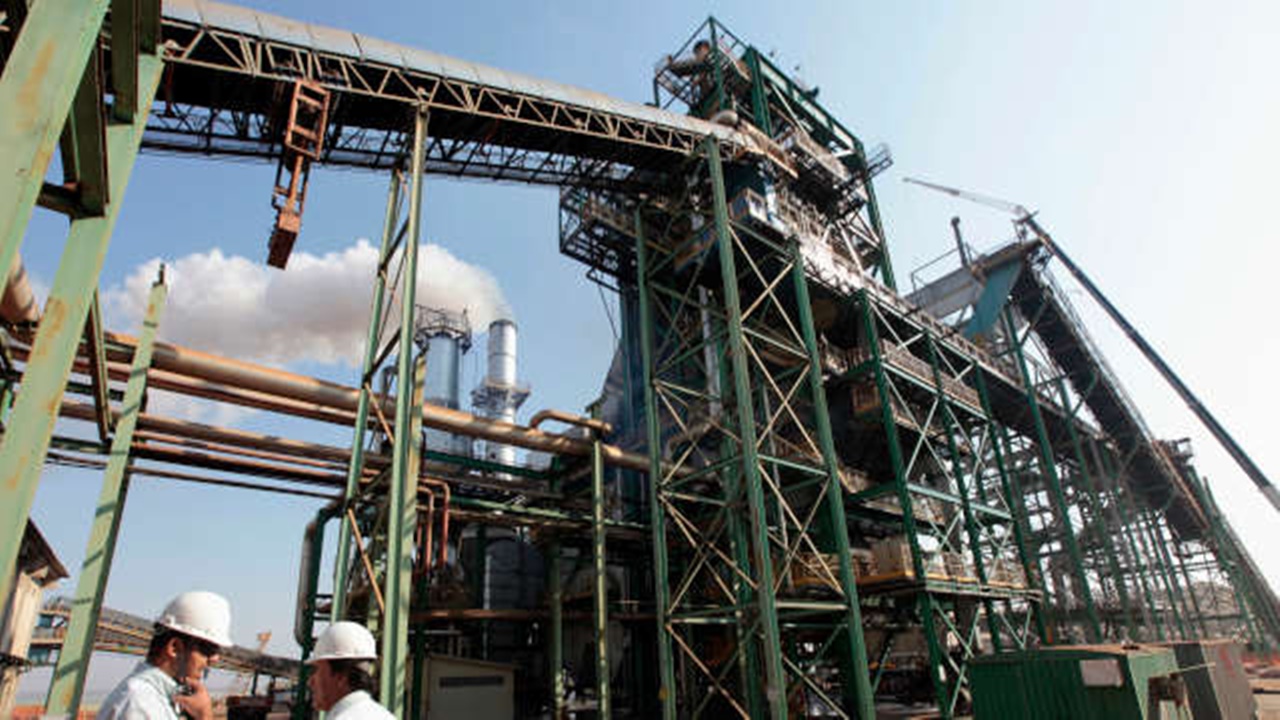
Brazil, The Largest Global Producer of Ethanol and The Third in Corn Production, Will Be a Key Player in The Industry for The Transition to Electric Cars
Every day, the powerful Brazilian market in ethanol production has gained more ground in the Brazilian territory. In the 2019/2020 harvest, the National Supply Company (Conab) recorded the largest ethanol production in history, with a total of 35.6 billion liters derived from sugarcane and corn.
Read Also
- Brazil Gains The First And Largest Graphene Production Factory In South America, Capable Of Producing Up To 5000 Kg Per Year That Along With Niobium Will Revolutionize The Fate Of Humanity
- Senai Has 18.8 Thousand Openings In Technical And Professional Improvement Courses In Both In-Person And Distance Learning (EAD)
- Gasoline Price Rises 1.45% In The Fortnight And Breaks The Barrier Of R$ 7.00
- Indefinite Strike Of Truck Drivers Is Still Expected For Sunday; Category Is Against The Increase In Fuel Prices Practiced By Petrobras
- Increase In The Price Of Gasoline, Diesel, Ethanol And Rubber Hits Consumers Hard Either At The Pumps Or On The Shelves And Activates The Alert Signal In Transport Companies
- Hydrated And Anhydrous Ethanol: From The Plant To The Pump, See The Difference Between The Fuels Used For Supply, But In Different Ways
This increase of 7.5% compared to the previous year shows how ethanol has gained ground in the country and gives you the chance to position yourself amid this expressive movement of ethanol in order to seek astronomical profits.
Brazil: The Largest Global Producer Of Ethanol
Brazil is the world’s largest producer of sugarcane and therefore stands out significantly in ethanol production. The country holds a very important position in the global production of the fuel, ranking second worldwide. It produces, on average, 400 thousand liters of fuel per day.
-
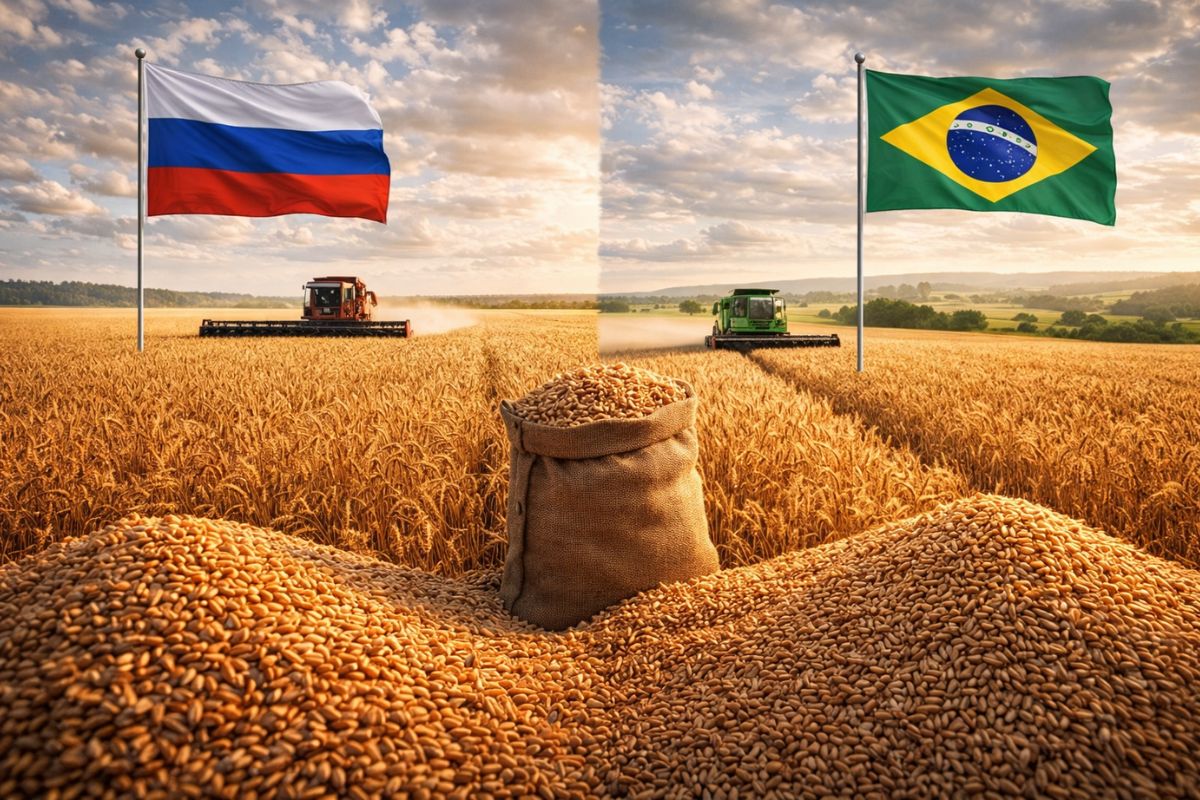
While Russia dominates the global wheat market, Brazil emerges as an unexpected competitor in the Cerrado, offering grain available in July and August when stocks in the Northern Hemisphere are at their lowest point of the year.
-
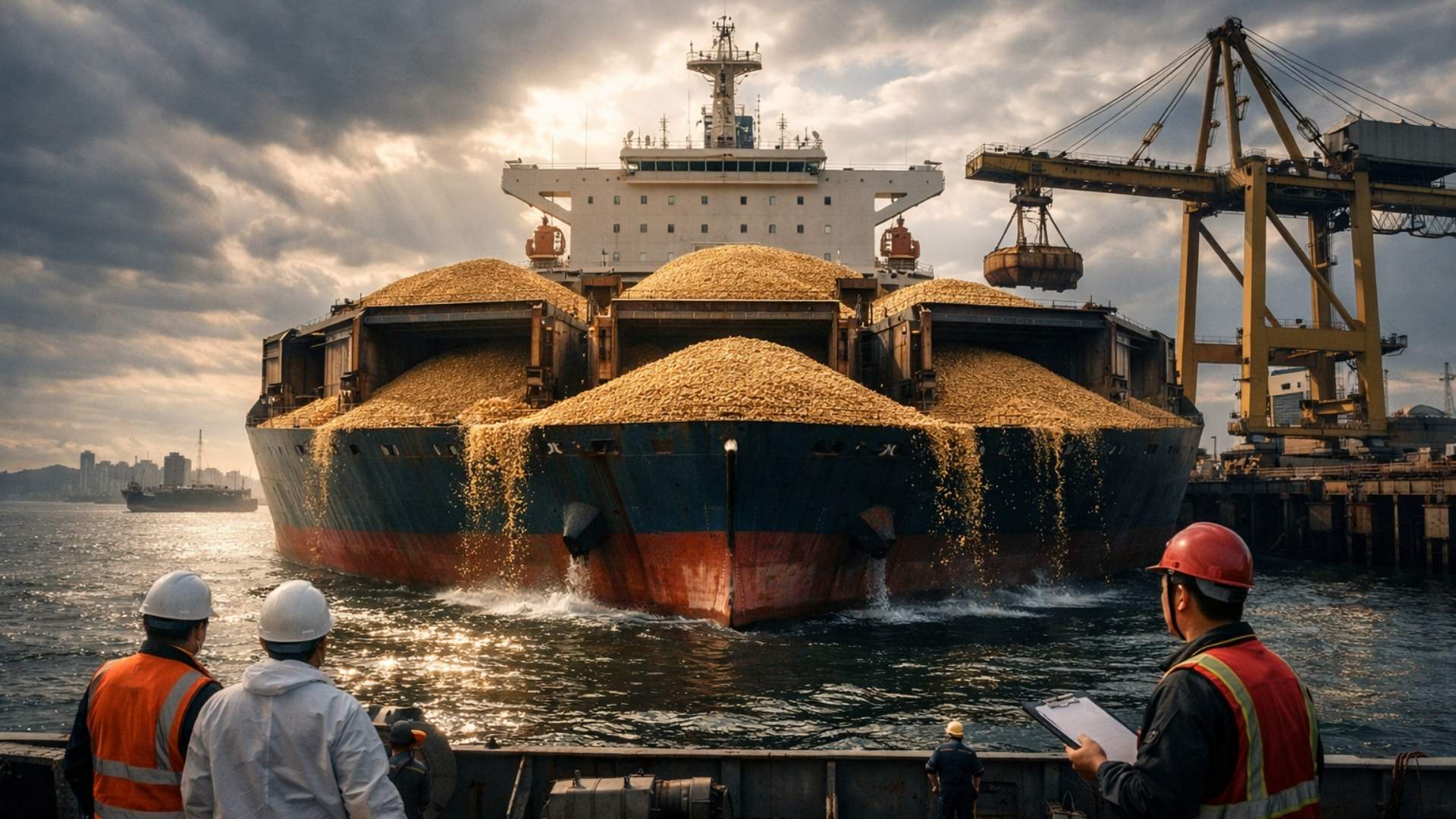
China returned almost 20 Brazilian ships with soybeans, but now everything could change: the country that buys 80% of the grain is considering relaxing regulations after impurities held up shipments of thousands of tons and caused million-dollar losses.
-
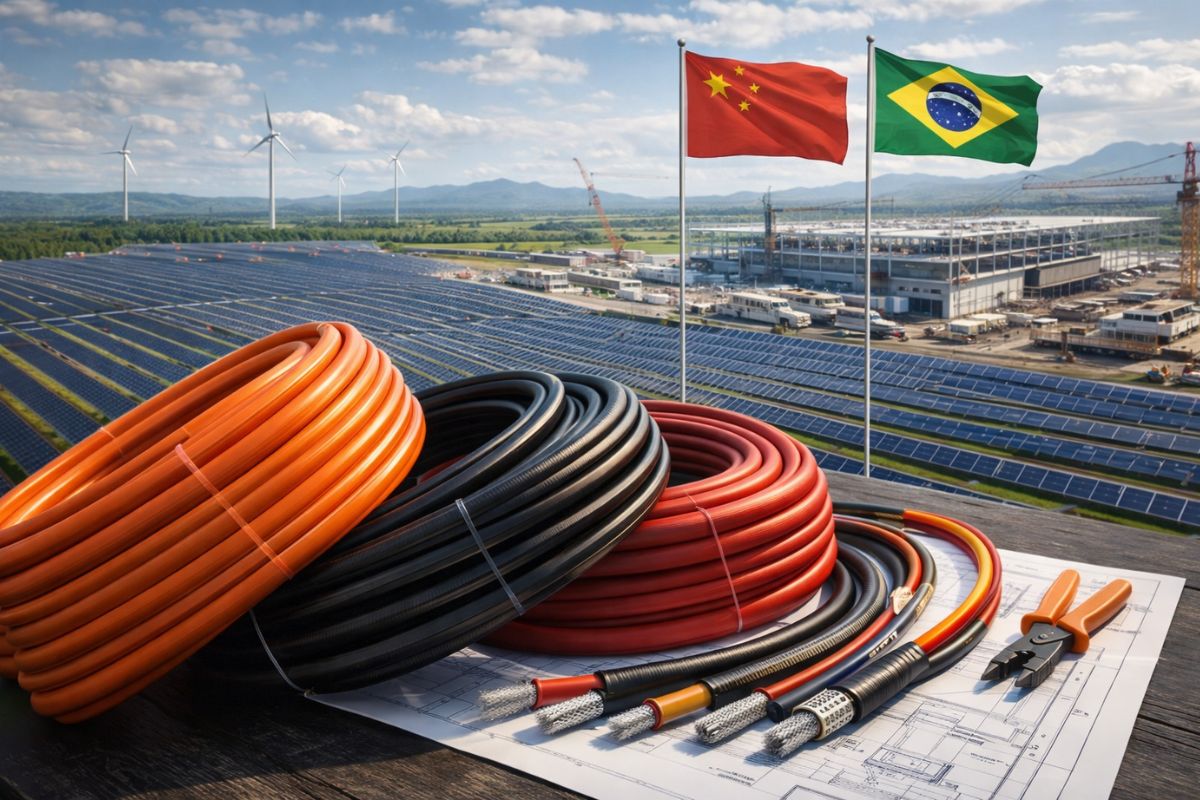
Chinese giant worth nearly R$ 4 billion that manufactures cables for electric cars, solar energy, and robotics wants to open a factory in SC.
-
Many employers do not know, but the law guarantees domestic workers a 25% increase in salary during trips, 50% for overtime, 20% for night shifts, and 17 additional benefits that can lead to labor lawsuits if not paid.


In July 2021, positive data regarding this production was released. A survey coordinated by the National Center for Energy and Materials Research (CNPEM) announced that sugarcane ethanol produced in Brazil pollutes less than previously thought.
Compared to earlier data, the study found a 19% reduction in the total emissions of the biofuel.
And it’s not just in ethanol from sugarcane that the country stands out! After all, Brazil is a major player in commodities.
Brazil Is The Third Largest Global Producer Of Corn
Corn has also gained significant ground in the production of biofuel. Brazil is the third largest global producer of corn. IBGE released a total production forecast of 103.5 million tons of corn for 2021, achieving a record harvest.
Synchronizing with these numbers, plants that use corn for ethanol production have increased their outputs, along with new investments.
In the new harvest, ethanol production is expected to be 3.38 billion liters.
The National Corn Ethanol Union (Unem) believes that this sector will expand by 200% by 2028, reaching 8 billion liters of ethanol per harvest.
Countries Like India Are Studying To Expand The Use Of Vegetable Fuel And Brazil Will Be The Protagonist
The Indian government’s announcement that the country will invest in replacing fossil fuels with ethanol (which there costs between R$ 4.20 and R$ 4.35 per liter) as its automotive energy base, has created a real stir in the sector here in Brazil.
Brazil can transfer its expertise in ethanol use to India, which is currently the fifth largest vehicle producer in the world (3.4 million units between passenger and light commercial vehicles in 2020) and one of the fastest-growing markets in the world (over 28% just in the first quarter of this year), creating a furor.
Although the plan announced by the Indians has just one goal: to prepare the sector for electrification, reducing dependence on fossil fuels as electric cars take larger and larger shares. Brazilian ethanol has become a light at the end of the tunnel for the turning point in the industry during the transition to vehicle electrification.
The latest report from BloombergNEF indicates that while electric models will reach a 30% share of the global market as early as 2030, the same will only occur in India a decade later.
By then, the country should have already implemented a renewable energy model. “In five years, we will have modern electric platforms, while cars with combustion engines will gradually be phased out,” explains the administrative vice president of Mahindra, Anish Shah.
The addition of 20% ethanol to Indian gasoline, by the 2023/24 biennium, is a stopgap measure, which also aims to curb inflation amid rising oil prices.
Today, Indian gasoline already contains 10% alcohol. “Starting April 1, 2023, our gasoline will include 20% alcohol, and for the exclusive use of ethanol, we are creating a complete production chain, generating jobs for farmers and in industrial facilities,” said the Indian Oil Secretary, Tarun Kapoor, to the Indian Times newspaper.









Seja o primeiro a reagir!