





 Portuguese
  English
  Spanish
  5 min of reading
  0 comments


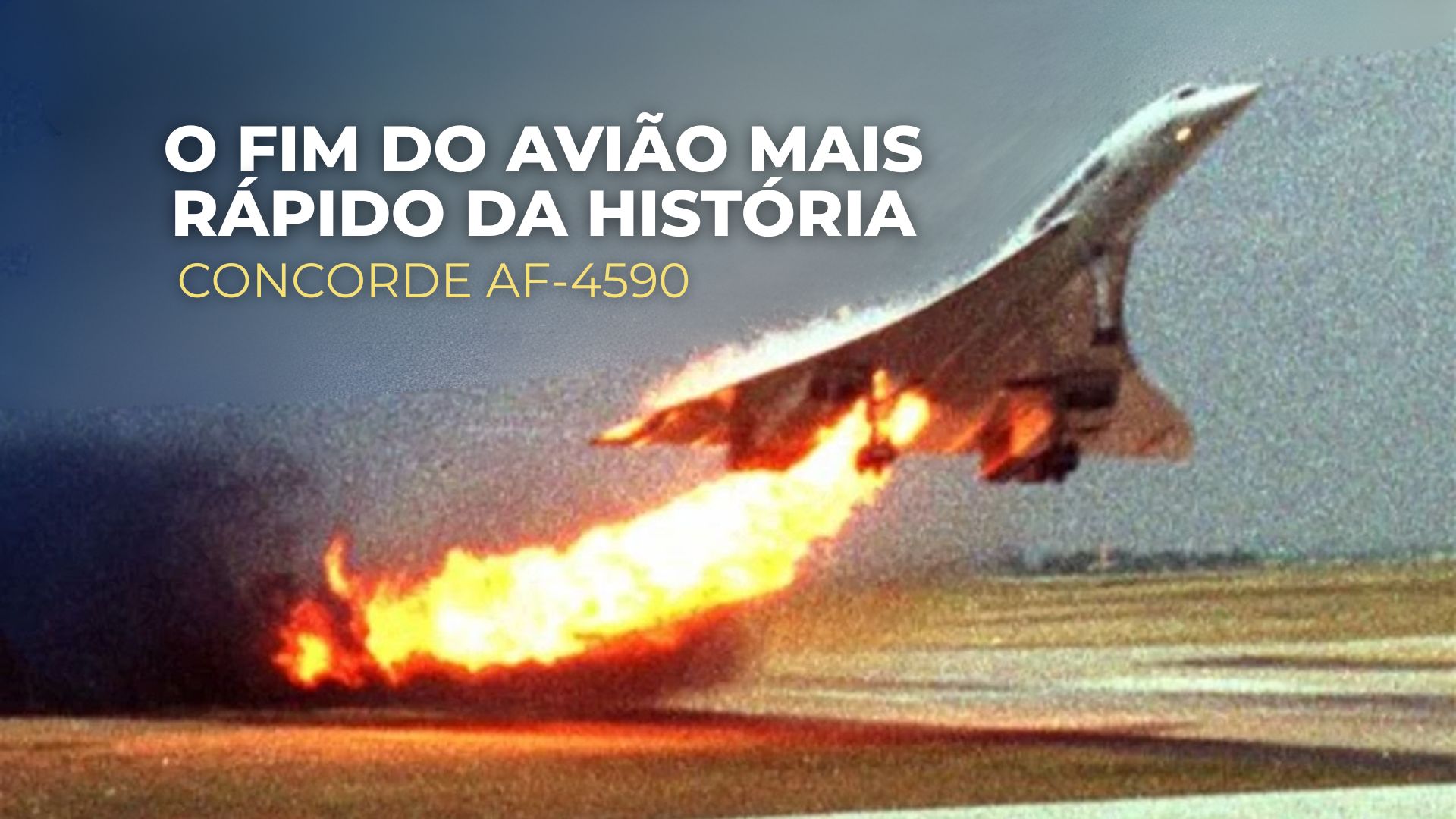
One of the Most Emblematic Aviation Accidents Revealed Weaknesses in One of the Greatest Engineering Icons, Triggering Definitive Changes in Safety Protocols and Impacting the History of Passenger Air Transportation.
The Concorde accident on July 25, 2000 marked the end of an era in global civil aviation, bringing profound changes to airport security protocols and ending the trajectory of supersonic commercial flights.
That European summer, Air France Flight 4590 was about to cross the Atlantic towards New York when a succession of events within minutes triggered an unprecedented tragedy in the history of the legendary aircraft.
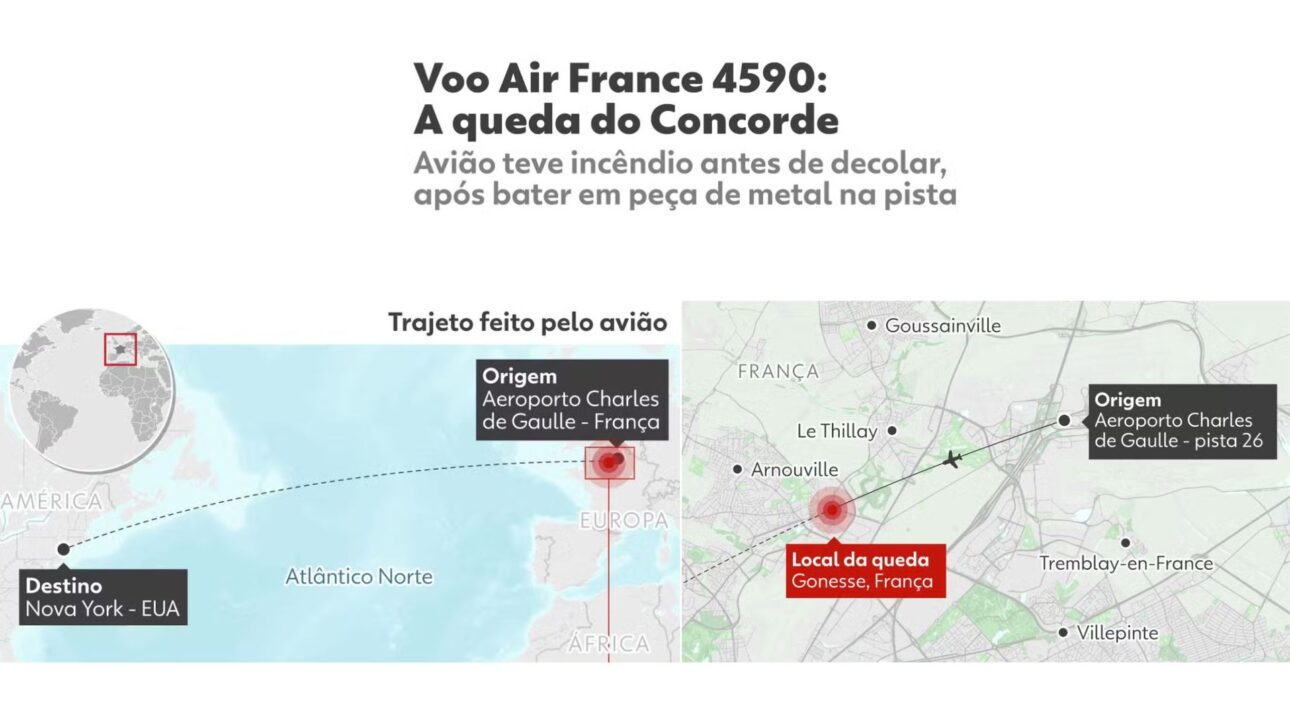
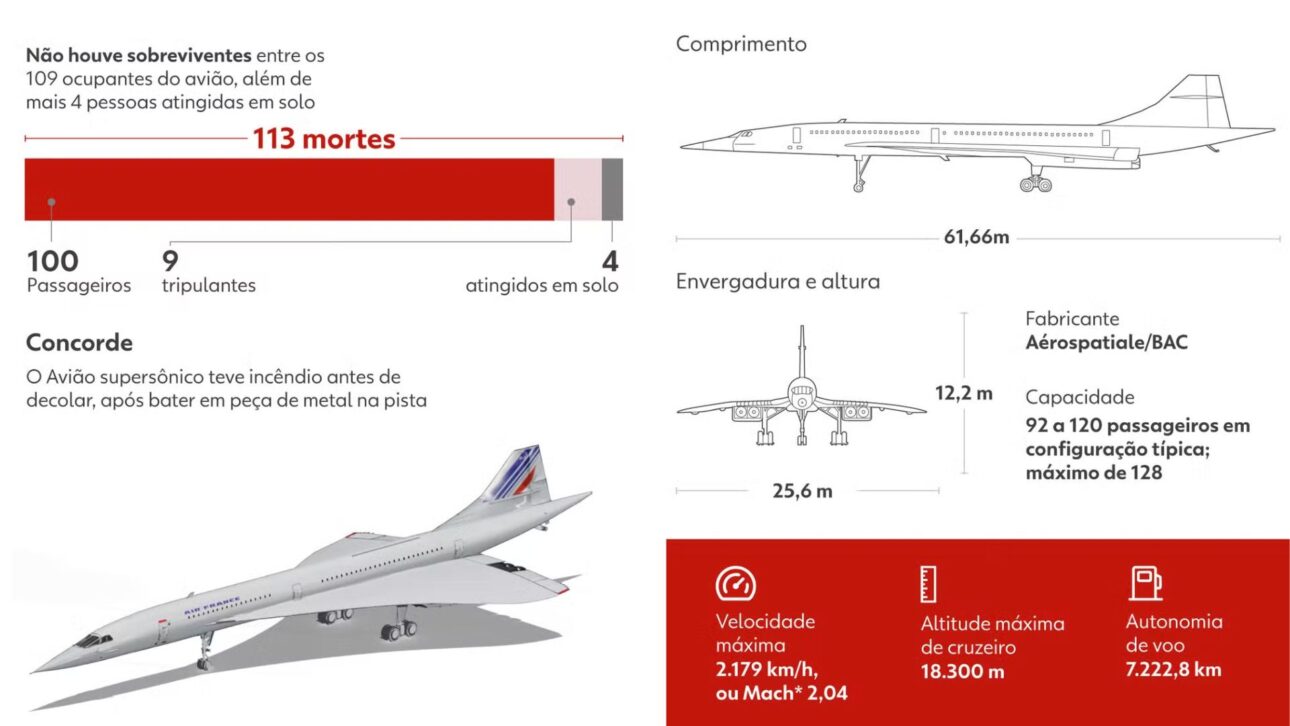
The Concorde, operated by Air France, took off from Charles de Gaulle Airport in Paris at 4:44 PM, with 100 passengers and 9 crew members on board.
-
The Argentine government celebrates the lowest poverty rate in 7 years, but experts warn that the methodology has changed, real wages have fallen, unemployment has risen, and the number of people on the streets of Buenos Aires has increased by 57% since Milei took office.

-
7.8 magnitude earthquake in Indonesia frightens the population, triggers tsunami alert, and hits an island with over 200,000 inhabitants this Thursday.
-
Google will finally let you change that embarrassing Gmail address you created in your teenage years without losing any accounts, logins, or old emails: the feature is already available in the United States.

-
Heading to Brazil in a Bonanza F33 single-engine aircraft: a couple departs from Florida on a visual flight, makes technical stops in the Caribbean to refuel and organize paperwork, and begins the staged crossing until they reach the country.

Onboard were tourists on a transatlantic journey, planning to head to the Caribbean on a cruise after arriving in the United States.
The aircraft, model F-BTSC, had been assigned last minute to the flight after the company detected a defect in another Concorde from the fleet.
Parts exchanges and baggage transfers contributed to a scenario where the aircraft took off over the maximum recommended takeoff weight, totaling around 800 kilograms beyond the limit specified in the technical manual.
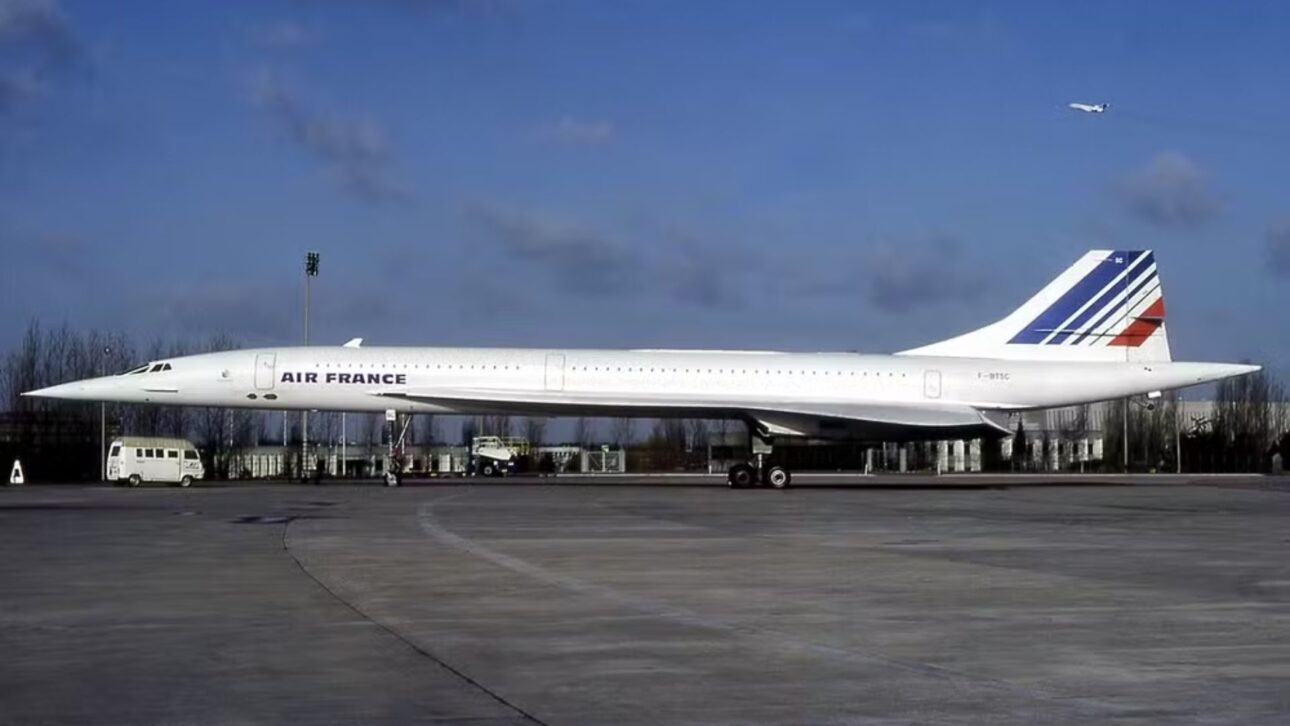
Characteristics of the Concorde and Preparations for the Flight
The Concorde utilized four Rolls-Royce/Snecma Olympus 593 engines, known for both high fuel consumption and characteristic noise.
The takeoff procedure required the tanks to be fully filled, as a significant amount of fuel was consumed while still on the ground during taxiing to runway 26R.
Minutes earlier, a DC-10 from Continental Airlines had used the same runway.
A 43-centimeter metal bar, made of aluminum-titanium alloy, detached from the DC-10’s engine reverser cover and remained on the runway, unnoticed by the inspections of the time, which were conducted less frequently due to heavy traffic at the French airport.
The Moment of the Accident: From the Runway to Impact
During the takeoff roll, the Concorde struck the metal bar, which caused one of the left main landing gear tires to burst.
Rubber fragments were thrown toward fuel tank number 5, located beneath the left wing.
The impact resulted in an internal pressure wave that ruptured the tank, causing a significant fuel leak — estimated at around 60 kilograms per second.
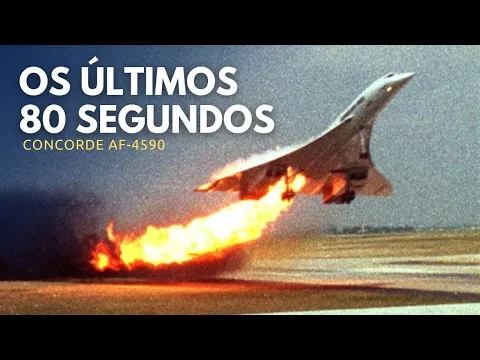
The fuel leaked and quickly ignited, generating a fire that spread across the wing and the structure near engines 1 and 2.
Black box recordings indicated that within seconds, the fire caused a loss of power in the engines and triggered multiple alarms in the cockpit.
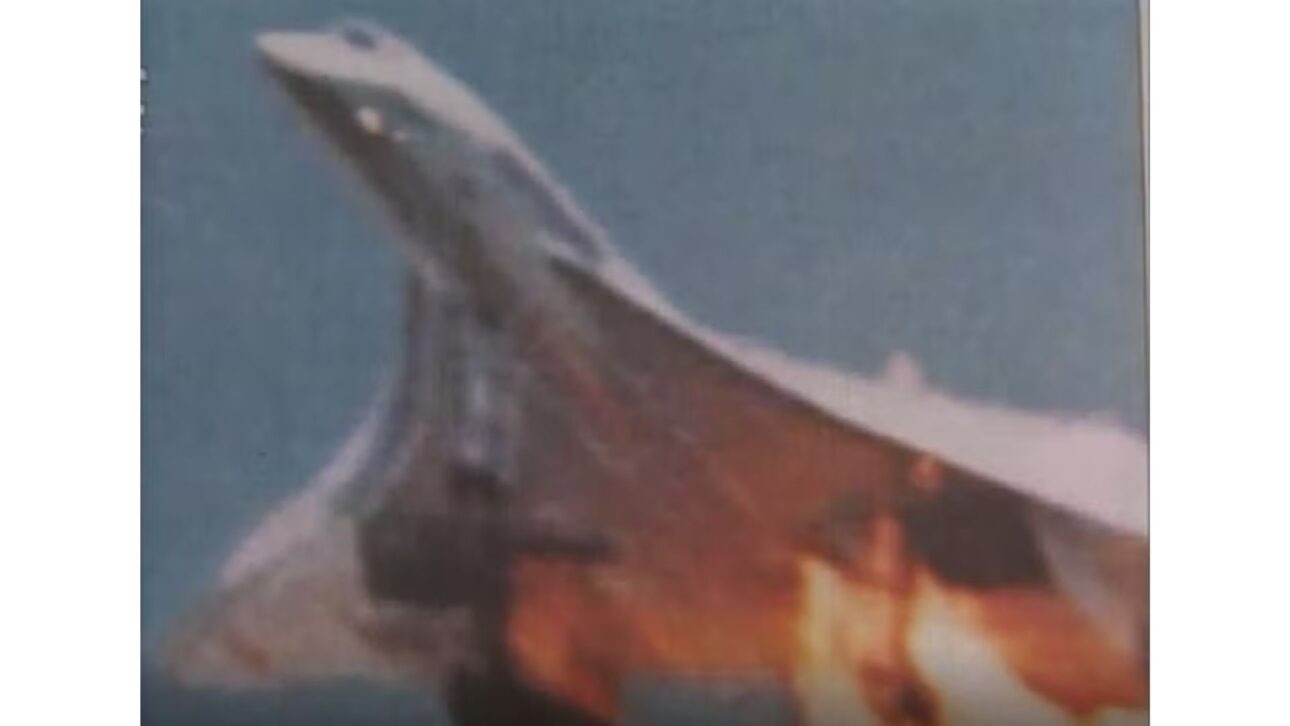
The crew, consisting of Captain Christian Marty, First Officer Jean Marcot, and Flight Engineer Gilles Jardinaud, performed all the emergency procedures, attempting to retract the landing gear and return to the airport.
However, the retraction mechanism jammed, and the aircraft continued to lose speed, failing to gain sufficient altitude to stabilize the flight.
In just 121 seconds, from the beginning of acceleration to impact, the Concorde covered its final route.
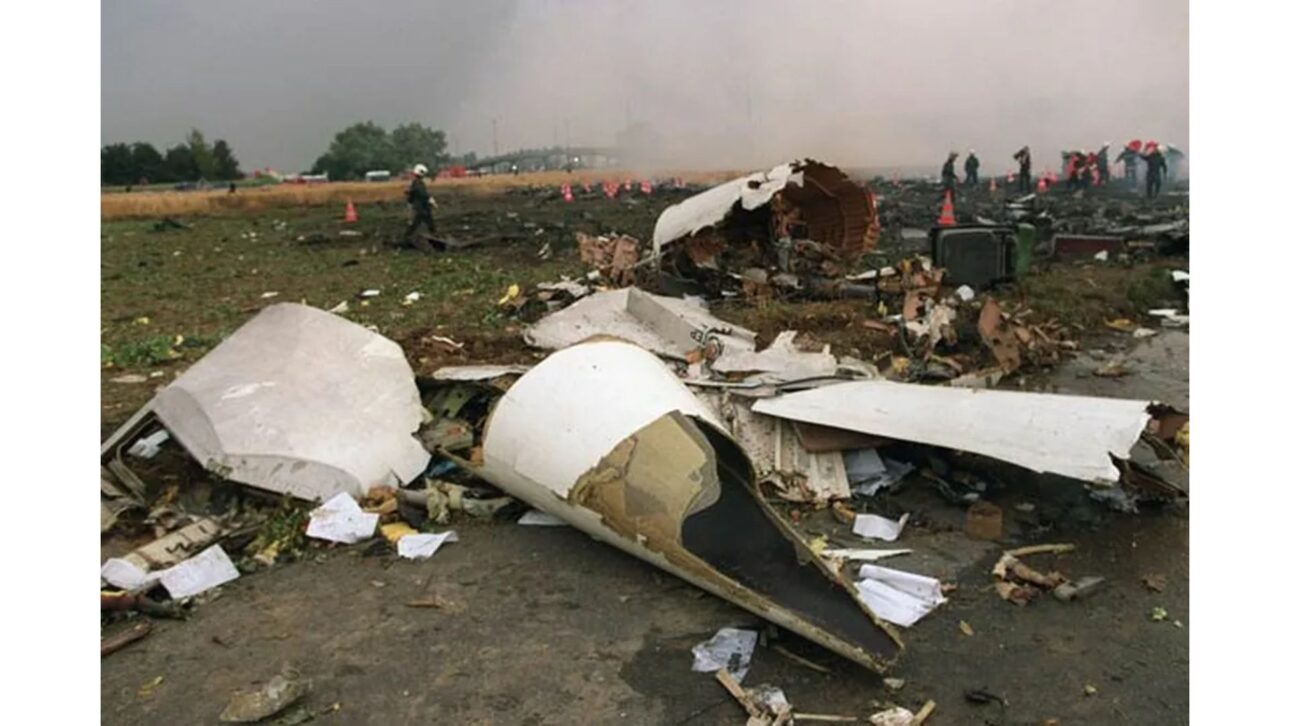
The plane crashed onto a hotel in Gonesse, about 10 kilometers from Charles de Gaulle Airport, <strong=killing all aboard and four people on the ground.
Witnesses and video cameras recorded the plane ablaze in the air, minutes before the final impact.
Investigation and History of Incidents with the Concorde
The investigations conducted by the Bureau d’Enquêtes et d’Analyses pour la sécurité de l’aviation civile (BEA), the French aviation accident investigation authority, quickly identified the origin of the accident: the contact of the Concorde’s tire with the metal piece left by the DC-10.
Although such events are considered rare, technical reports pointed out that the Concorde had already accumulated a history of 75 incidents involving tires and damage to fuel tanks, with the most severe case previously registered in Washington, in 1979, with no fatalities.
In the Air France Flight 4590 accident, the explosion of tank number 5 was not caused by direct puncture, but rather by the pressure effect resulting from the impact of the tire debris.
The flames spread rapidly, fueled by the large volume of kerosene present in the left wing.
The heat and structural deformation compromised the aircraft’s control systems, leading to the crash minutes later.
Technical Causes and Consequences for Aviation
The detailed analysis also pointed to other contributing failures, such as excessive baggage loading and the use of a non-original and out-of-specification part by Continental Airlines.
The metal part involved in the accident had already been replaced twice in the two months prior, increasing responsibility for inadequate maintenance.
After the disaster, civil aviation authorities immediately suspended all Concorde flights, both from Air France and British Airways, the only other company operating the model.
A series of technical modifications were required, including reinforcement of the tanks with Kevlar — a more resistant material used in bulletproof vests — and changes in the design of the tires and electrical systems near the tanks.
Runway inspections also became much more rigorous at international airports, with the use of new technologies for debris detection and removal.
The End of Supersonic Flights and the Legacy of the Concorde
Even with the experimental return of operations in 2001, the Concorde never regained its prestige and economic viability.
The decline in demand for air travel after the September 11, 2001 attacks, combined with the high cost of operation and Airbus’s decision to cease the production of spare parts, marked the end of commercial supersonic flights in 2003.
Twenty-five years after the accident, the aviation sector considers the episode a turning point in operational safety.
The legacy of the Concorde remains a symbol of innovation and boldness, but also a reminder of the risks involved and the importance of rigorous maintenance and preventive procedures.
The metal piece that caused the accident reinforced the need for constant vigilance in all aspects of commercial aviation.
The tragedy involving the Concorde, an icon of aeronautical engineering, leaves us with a question for reflection: what technological advancements and safety practices can still be adopted to prevent small oversights from causing major disasters in the future of aviation?









-

-

-

3 pessoas reagiram a isso.