





 Português
  Inglês
  Espanhol
  4 min de leitura
  0 comentários


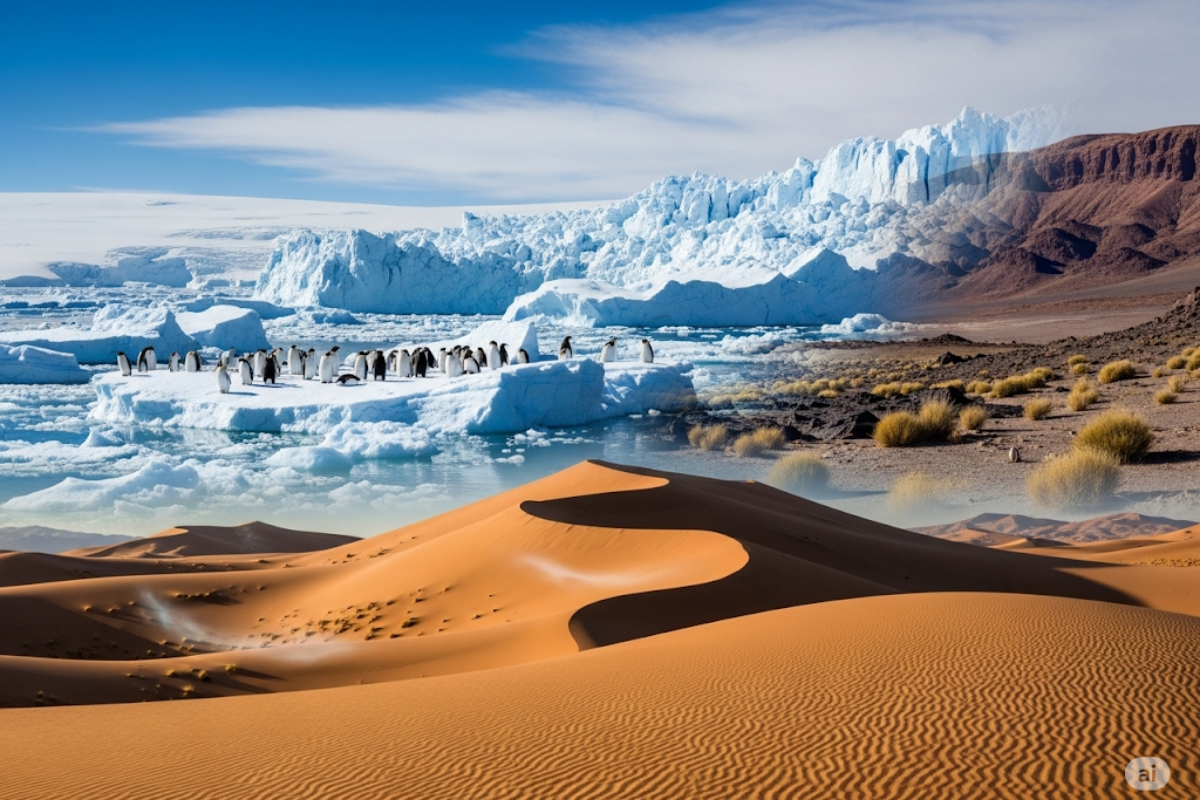
When We Think of the Driest Place on Earth, Hot Deserts Like the Sahara or the Atacama Come to Mind. But Science Reveals That the Dry Valleys of Antarctica, Where Liquid Water Has Not Rained for Millennia, Hold This Title.
The search for the driest place on Earth leads us to one of the planet’s most inhospitable and fascinating environments: the McMurdo Dry Valleys (MDV) in Antarctica. Contrary to common perception, this icy region surpasses the famous deserts of the Sahara and Atacama in certain metrics of aridity, with areas that have no recorded liquid rain for thousands, or even millions, of years.
The popular belief points to hot deserts like the Sahara or Atacama as the driest locations. However, robust scientific evidence indicates that the McMurdo Dry Valleys in Antarctica represent one of the most arid environments on Earth.
The notion of “driest” here is multifaceted, involving very low atmospheric humidity, minimal precipitation (almost all as snow), and intense cold that immobilizes water. In some specific areas of the MDV, it is believed that no liquid rain has occurred for millennia.
-
Drought may be creating stronger superbugs in the soil and helping antibiotic resistance reach hospitals, warns a study highlighting a problem that could grow alongside extreme weather.

-
The biggest scam in history: Napoleon’s France deceived the United States by selling them a territory that was Spanish.

-
Why is the Danakil Desert so dangerous? It has unstable terrain and how extreme temperatures and toxic gases turn the region into one of the most hostile environments on Earth.
-
With a height of 221 meters and a capacity for trillions of liters, Hoover Dam still holds a trick that makes water defy logic.

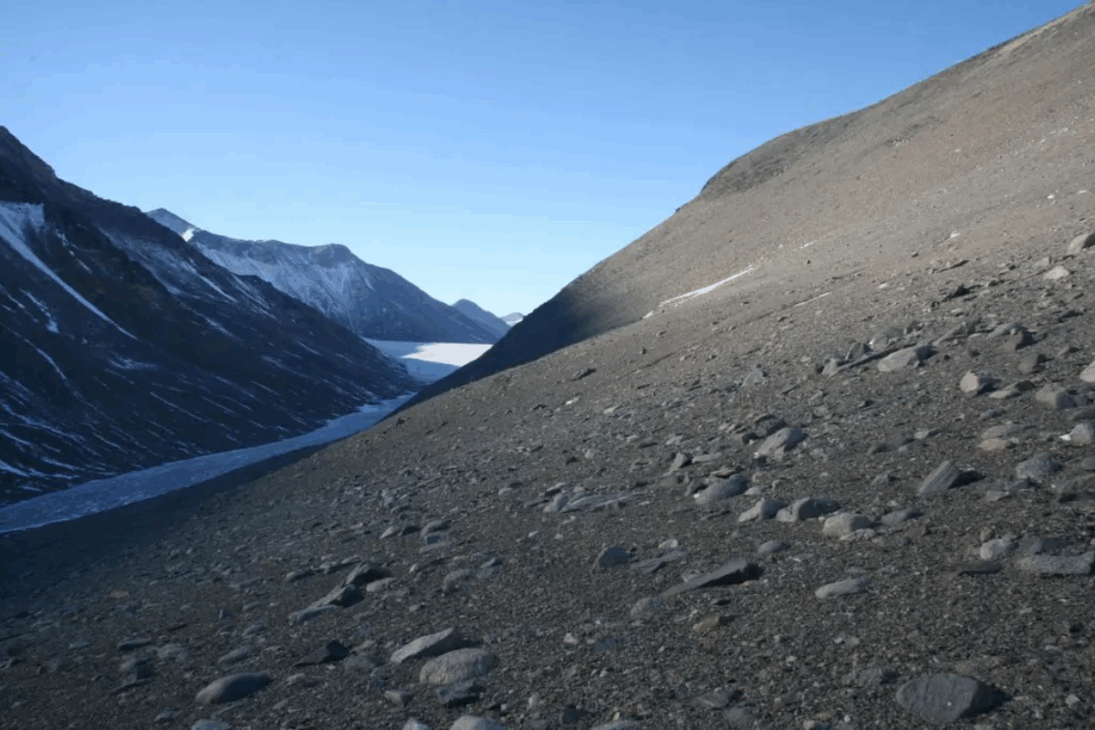
What Are the McMurdo Dry Valleys?
Located in the Victoria Land, west of McMurdo Sound, the McMurdo Dry Valleys cover about 4,800 km², making it the largest region relatively ice-free in Antarctica. This characteristic alone is an anomaly.
The landscape is dominated by a rocky substrate of granites and gneisses, with glacial deposits and a gravel cover, where polygonal soil formed by freeze-thaw cycles (ice wedge polygons) can be observed.
How Do the Dry Valleys Remain So Incredibly Arid?
The exceptional aridity of the MDV results from a combination of factors:
- Catabatic Winds: Cold, dense air from the Antarctic polar plateau is pulled into the valleys by gravity. As it descends, it warms adiabatically, and its relative humidity decreases drastically. These winds, which can reach 320 km/h, act as “natural dryers”, sublimating snow and ice (converting them directly from solid to gas) and removing moisture.
- Rain Shadow Effect: The Transantarctic Mountains, rising up to 1.6 km, block the flow of ice and intercept the humid air from the ocean, forcing precipitation on the windward side and leaving the valleys downwind in a “precipitation shadow.”
- Low Temperatures and Humidity: Average annual temperatures in the valleys range from -15°C to -30°C. Cold air holds much less water vapor than warm air, and the dry, cold air of the MDV eagerly absorbs any surface moisture.
Understanding the Nature of Precipitation in the True Driest Place on Earth
Despite its reputation, the MDV receives some precipitation, less than 100 mm annually and almost exclusively as snow, which rarely accumulates due to sublimation. The claim of “absence of rain for millions of years” refers to liquid rain.
It is plausible that in specific areas, such as the Friis Hills (where conditions may have remained stable for 14-20 million years) or the University Valley, no liquid rain has occurred for geological periods.
Ice in the permafrost of the University Valley originates from the deposition of atmospheric vapor, not from liquid water. The distinction is crucial: extreme aridity is defined by low precipitation and the frozen state or rapid disappearance of that water.
Antarctic Dry Valleys vs. Atacama and Sahara Deserts
Comparing the MDV with other famous deserts:
- McMurdo Dry Valleys: Polar desert, extreme cold, almost all water biologically unavailable.
- Atacama Desert: The driest non-polar desert, with an average precipitation of 10-15 mm (some areas with 0.5 mm/year or no recorded rain for centuries). May have coastal fog (camanchaca).
- Sahara Desert: The largest hot desert, with higher and more variable average precipitation (generally <100 mm to 250 mm), with occasional rain and thunderstorms. While the Atacama has records of extremely low measured liquid rain, the MDV displays extreme aridity through the combination of cold and mechanisms that remove or immobilize moisture.
The Scientific Importance of the Antarctic Dry Valleys
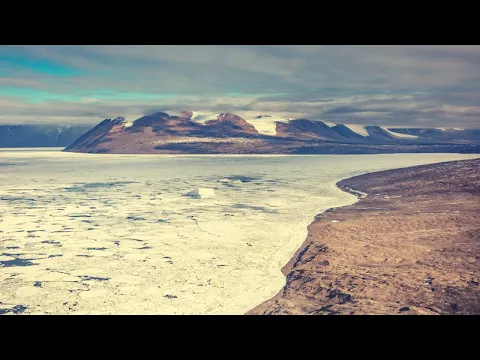

Despite the harsh conditions, the MDV hosts life, predominantly microbial (extremophiles). Cyanobacteria, algae, lichens, and bacteria colonize soils, the interiors of rocks (cryptoendoliths), ephemeral meltwater streams, and permanently ice-covered hypersaline lakes (such as Lake Vanda and Lake Bonney, and the Don Juan Pond, possibly the saltiest on Earth). Blood Falls, a flow of iron-rich brine from Taylor Glacier, reveals an anaerobic subglacial ecosystem.
Studies in more extreme areas, such as the University Valley and Friis Hills, show very low or absent biomass and microbial activity, helping to define the limits of life. Due to the cold, dryness, and other characteristics, the MDV are considered by NASA to be the terrestrial environment closest to Mars, serving as a crucial analog for testing instruments and strategies to search for extraterrestrial life.








Seja o primeiro a reagir!