





 Portuguese
  English
  Spanish
  3 min of reading
  3 comments


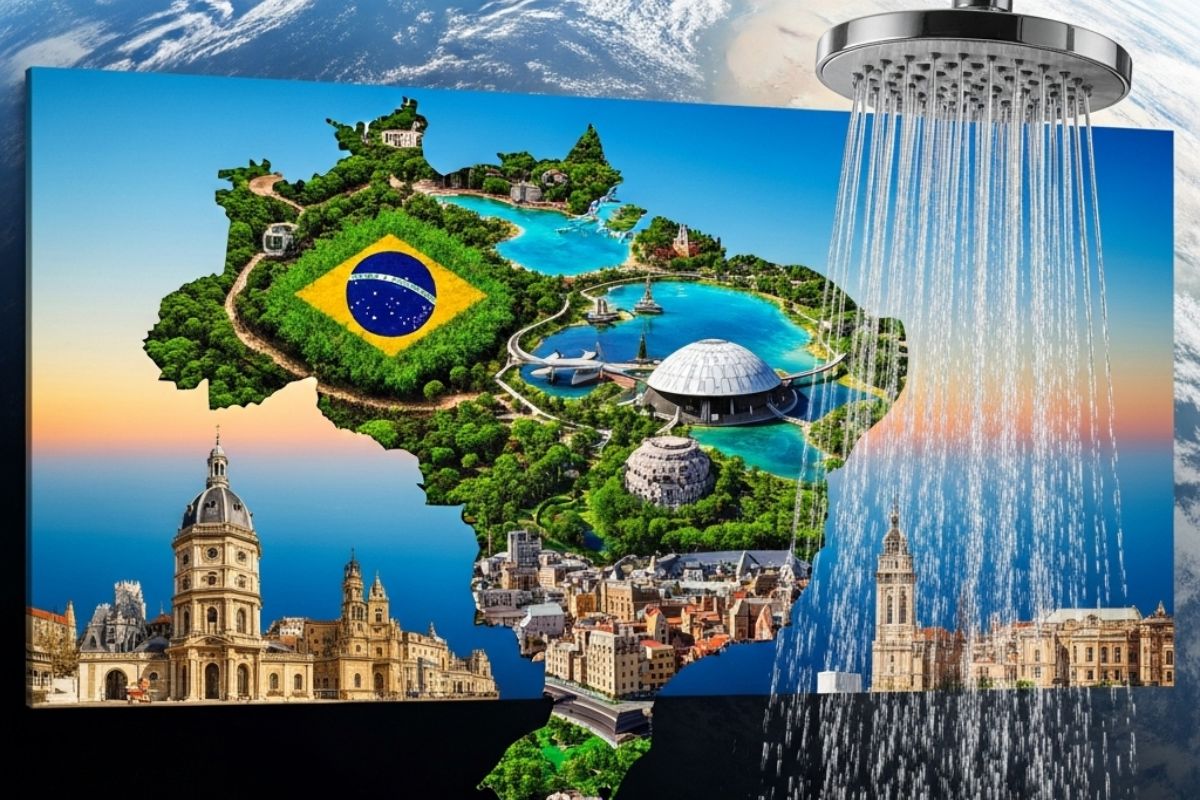

The Climatic, Cultural, and Social Factors That Make Brazil the People Who Bathe the Most in the World, According to Global Research and Behavioral Studies.
The claim that Brazil is the people who bathe the most in the world frequently circulates and is supported by various research studies. This notoriety in personal hygiene goes beyond mere cleanliness, involving deeply rooted cultural, social, and identity aspects in the daily life of Brazilians.
We will explore the factors that support this high frequency of baths, from the tropical climate to cultural heritage and social norms. We will also analyze the nuances of this practice in the country, based on available studies and data.
Brazil at the Top of Hygiene: What Do Research Studies Say About the People Who Bathe the Most in the World?
Various international studies confirm Brazil’s prominent position regarding bathing frequency. Studies like those by Euromonitor International reveal that Brazilians and Colombians lead with more than one bath per day on average. Australians, Mexicans, and Indonesians follow closely behind.
-
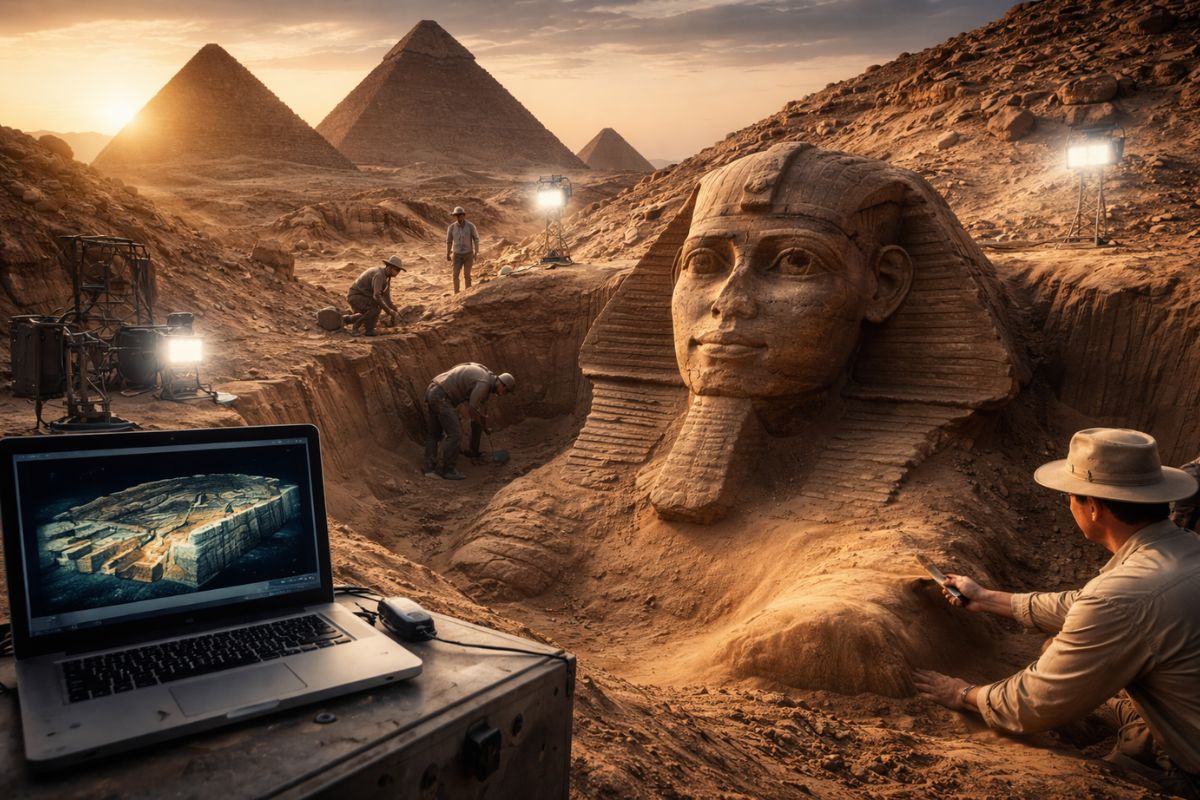
Italian researchers have detected what appears to be a second Sphinx buried under the sands of Egypt, and satellite scans reveal a gigantic underground megastructure hidden beneath the Giza Plateau for over 3,000 years.
-
There are 4,223 drums and 1,343 metal boxes concreted with 50-centimeter walls that store the radioactive waste from Cesium-137 in the worst radiological accident in Brazil, just 23 kilometers from Goiânia, with environmental monitoring every three months.

-
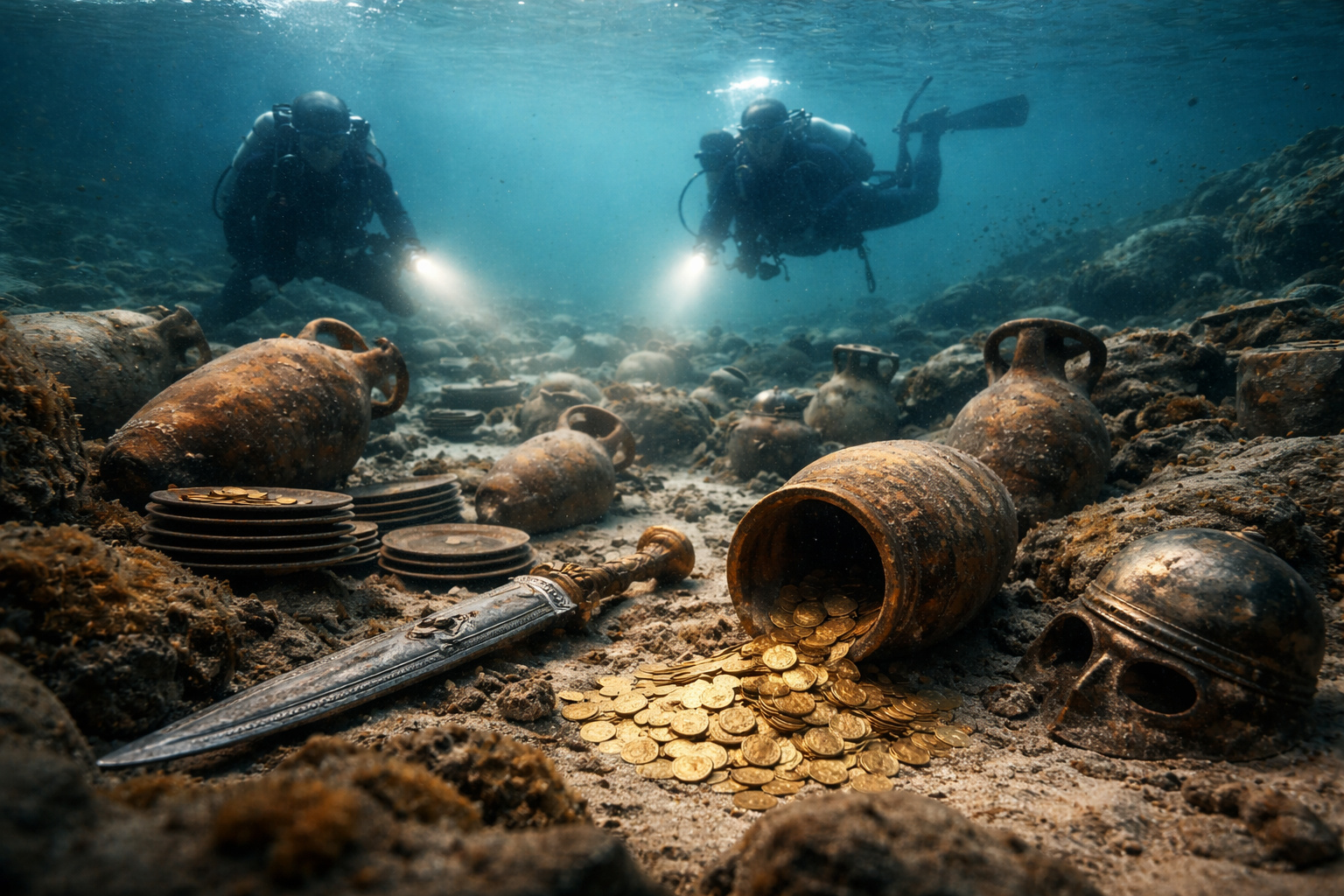
Giant Roman treasure found at the bottom of Lake Neuchâtel in Switzerland reveals an advanced trade system, circulation of goods, and armed escort in the Roman Empire about two thousand years ago.
-
He buried 1,200 old tires in the walls to build his own self-sufficient house in the mountains with glass bottles, rainwater, and an integrated greenhouse.


Other sources, such as the World Population Review, indicate that 99% of Brazilians bathe weekly, with an impressive average of 14 baths per week, or two per day. This consistency in data, coming from different organizations, gives high reliability to Brazil’s leadership. In comparison, Americans and Europeans (such as the French and British) show lower averages, while Chinese respondents record the lowest frequency among those surveyed.
Tropical Climate and Cultural Heritage: The Main Reasons for High Bathing Frequency in Brazil
The high frequency of bathing in Brazil results from a combination of factors:
Climatic Influences: Brazil’s predominantly tropical and equatorial climate, characterized by high temperatures and humidity, induces intense perspiration, making frequent bathing a necessity for refreshment and comfort.
Cultural and Historical Roots: The habit of bathing daily is a strong cultural heritage from Brazil’s Indigenous peoples, who practiced bathing in rivers daily. This practice has become deeply integrated into national culture.
Social Norms and Expectations: In Brazil, not being clean or “smelling good” is socially frowned upon. Cultural sensitivity to body odor drives the frequency of bathing. Maintaining good hygiene is seen as a sign of respect for others and self-care. Bathing is a ritual that marks transitions throughout the day and promotes well-being.
How the Habit of Bathing Drives the Brazilian Market
The emphasis on hygiene in Brazil supports a robust market for personal care products. Brazil is a leader or among the top consumers of soap, shampoo, conditioner, and deodorant globally. The country is the number one consumer of deodorants in the world.
The beauty and personal care market in Brazil represents a significant share of the global market. This culture of hygiene drives consumption, and the industry reinforces these standards through marketing and innovation. However, the ability to practice frequent bathing depends on access to water and sanitation, which still presents significant regional and social disparities in the country, despite progress.
More Than Cleanliness
In Brazil, bathing transcends simple physical cleanliness. It is a social ritual, a form of self-care, and an expression of personal identity. The practice of multiple daily baths is integrated into routines, marking moments of transition, preparation for social interactions, or relaxation.
The importance of hygiene reflects in self-esteem and interpersonal relationships. It is concluded that the title of the people who bathe the most in the world is not solely due to the climate but to a complex tapestry of cultural, historical, and social influences. This deeply rooted habit will continue to be a defining aspect of Brazilian culture.









Além da corrupção, somos campeões em higiene pessoal,que paradoxo. 😂😂😂
The corruption comes with the constant interference of other Countries like the USA promoting coups with the far right of Brazil. What let people free to do corrupt actions like stealing money from the retired people. It’s a constant battle hoping democracy will prevail. The Federal police are cracking down the criminals involved. Guess what, the politicians of the Brazilian far right are involved and they spread fake news and lies about so they can convince the ignorant people to believe and vote for them again. But, I have faith that democracy will prevail.
Seu comentário é totalmente enviesado politicamente e tenta reduzir um problema estrutural e histórico que é a corrupção a um único lado ideológico.
Você critica a disseminação de notícias falsas, mas repete acusações graves sem apresentar qualquer evidência concreta. Isso é exatamente o comportamento que você diz combater.
Corrupção não é monopólio de direita ou esquerda, nem pode ser explicada por teorias simplistas de interferência externa. Tratar quem discorda como “desinformado” não fortalece a democracia — só empobrece o debate.
A unica pessoa **** e **** desse aqui comentário é você.