





 Portuguese
  English
  Spanish
  3 min of reading


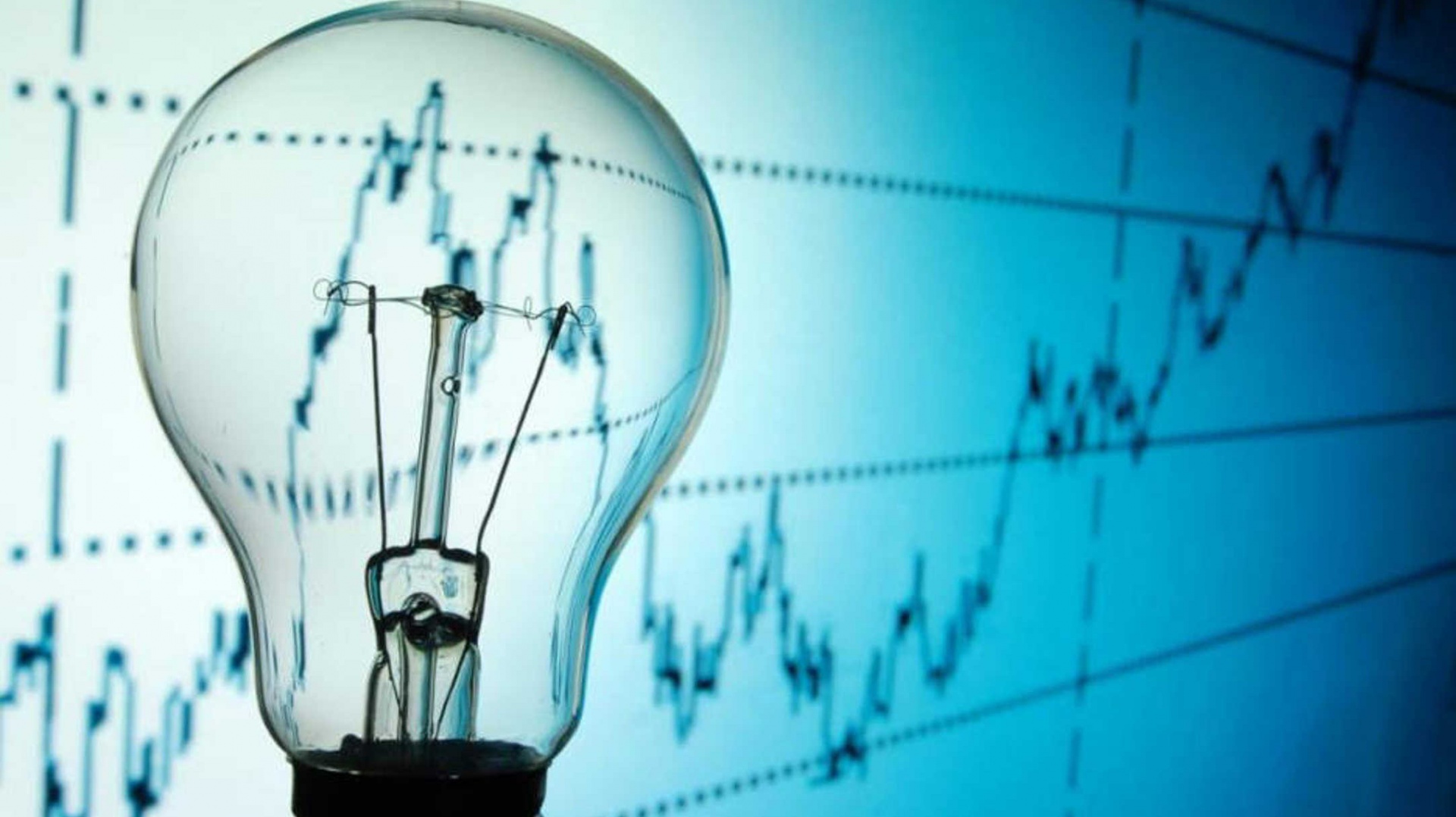
The Price of Energy in the Free Market in 2022 Will Likely Not Reach the Historical Highs of 2021. Check Out the Experts’ Predictions
The prices in the free energy market will not reach the levels of 2021, but only the rains in February can truly determine what the average for the month will be, according to experts on market trends regarding the free energy market. The highs in the sector in 2021, where the price per MWh reached an astonishing R$538.00, will not occur again, as some values are currently between R$70 and R$80, although there is a slight upward trend.
- Free Market Announces It Will Open 8,500 New Job Positions by the End of This Year
- Wind Energy: Statkraft Bets on the Free Energy Market to Continue Growing in Brazil
- Cemig and the Government of Minas Gerais Invest R$ 5 Billion in the Construction of 200 New Energy Substations
It is worth noting that these values do not overlap with the values contracted under a pre-fixed regime, and if your contract was closed in 2021 with higher values, it is reasonable to check with your energy supplier about the possibility of modifying these values, at least in part. According to the Electric Energy Commercialization Chamber (CCEE), the forecast for average values is R$116.00 per MWh in January, R$118.00 in February, and R$105.00 in March.
These values become important even for companies with pre-fixed supply contracts because they serve as the basis for adjustments, whether refunding the customer for unused energy or charging for energy used beyond the contract.
-
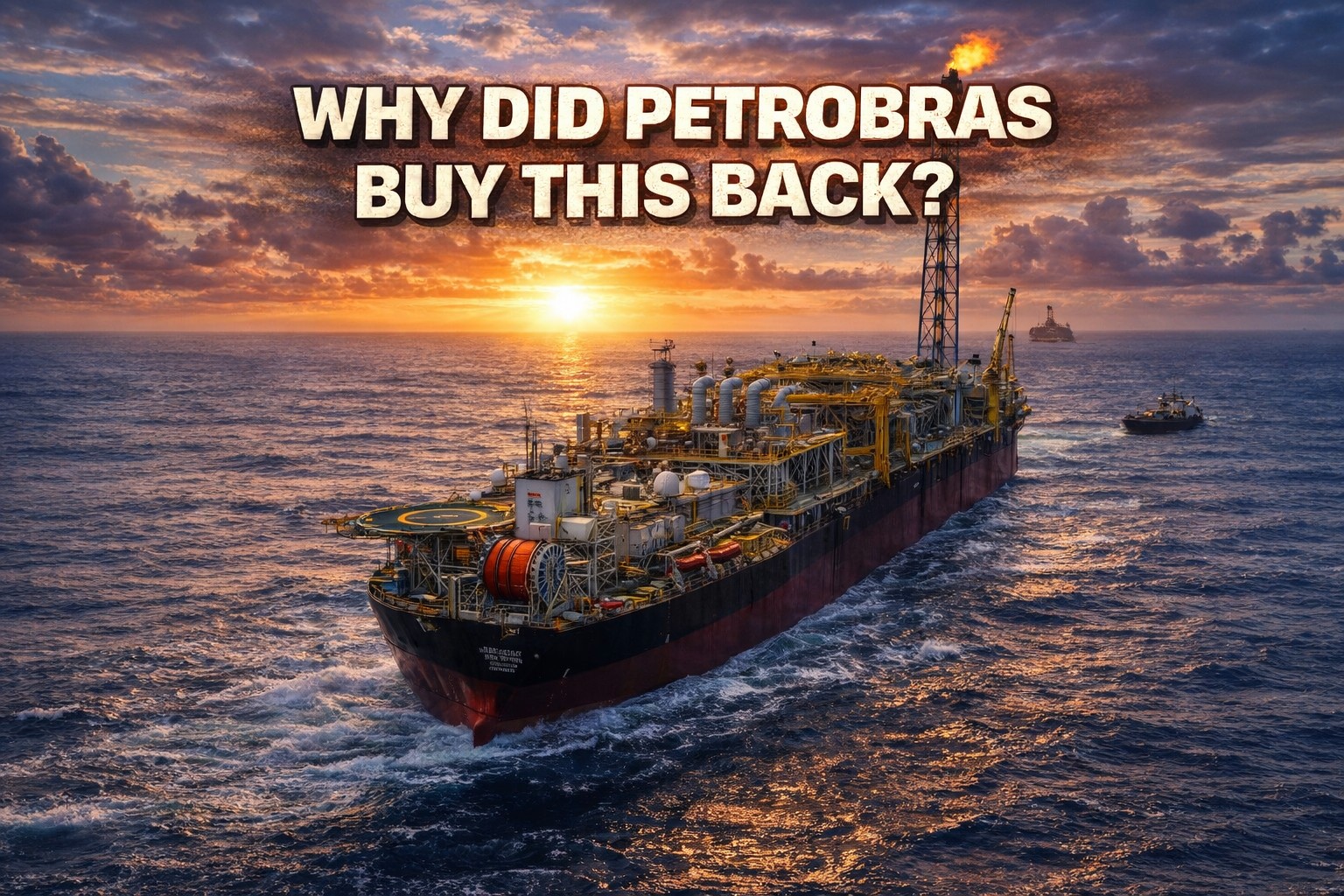
Petrobras buys back fields for billions — what no one is talking about regarding this decision and how it could impact jobs and oil in Brazil.
-
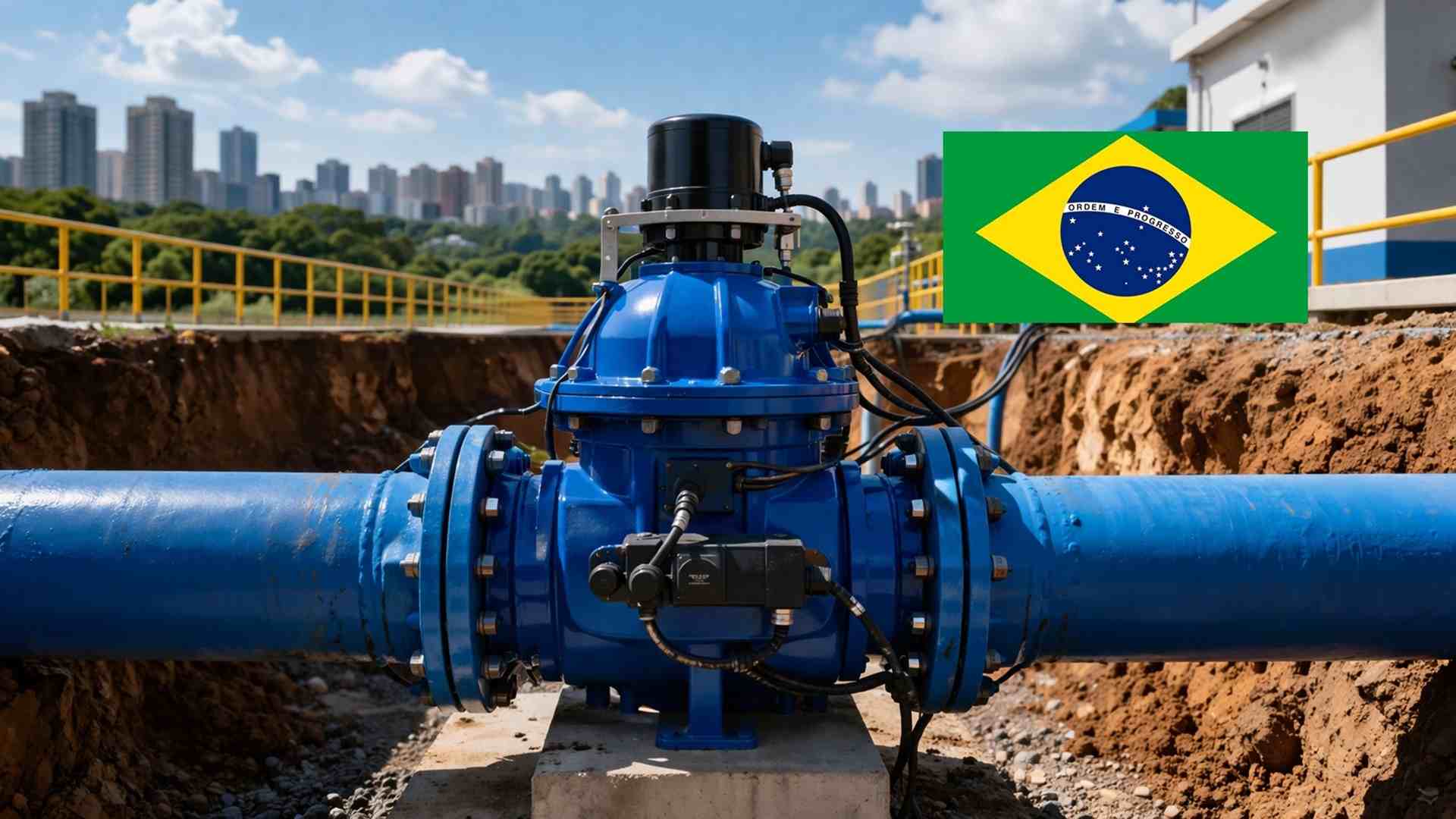
Grande SP gains unprecedented technology to control water flow with installation in just 8 hours and a promise to reduce leaks without the need for human intervention.
-
With the new law, shopping malls will no longer operate on Sundays, similar to supermarkets; the rule imposes closure by 9 PM, foresees a fine of R$ 15,000, suspension, and even revocation of the license in Salvador.

-
Only 7 ships have crossed the Strait of Hormuz in the last 24 hours when the normal is 135 per day, and the United Arab Emirates confirms that 230 oil tankers loaded with oil are ready to depart but are prevented from leaving while Iran turns the waterway into a sovereign control post.

What the Free Energy Market Can Learn from 2021?
For those purchasing energy in the free market, it is important to understand that pre-fixed contract models may, for instance, have had a very positive impact on bills in 2021.
A year like 2021 is undoubtedly a year in which an emerging market like the free energy market learned a lot about its strategies, limitations, and good business practices, both for suppliers and consumers.
The choice of a pre-fixed contract, even at a higher price, can become a valid option for those willing to compromise potential savings for the security of having a more accurate forecast of how much they will spend on energy monthly.


Additionally, one of the most important issues during this year is that the pricing of energy within the free market is closely related to the energy prices in the traditional market, which in turn is associated with weather conditions, especially rainfall patterns.
In the words of the Planning Superintendent of Marketing at the Electric Company of Minas Gerais (Cemig), Marcus Vinícius de Castro Lobato, the market can be summarized as follows:
“The free market is a very beneficial environment for customers to buy energy: there is freedom to negotiate contract terms, choose suppliers, and prices reflect competitive market conditions. However, there are risks of very intense fluctuations in the short term that will affect those who choose not to secure their positions in advance, both buyers and sellers. Thus, after the market experiences the stress of this situation, I believe what remains is an improvement in the planning of commercial positions, with more appropriate risk management through more conscious decision-making.”
Another aspect that will likely enter this mix of information about how large energy consumers, such as industries and similar entities, can reduce their electricity costs is the possibilities of decreasing their expenses through the installation of complementary energy solutions, such as solar panels and individual generation, which represent a long-term investment for the company and are also interesting for helping the company achieve net-zero carbon more quickly.
Stay tuned for more information and tips on how to help your company save electricity in 2022.







Seja o primeiro a reagir!