





 Portuguese
  English
  Spanish
  6 min of reading
  0 comments


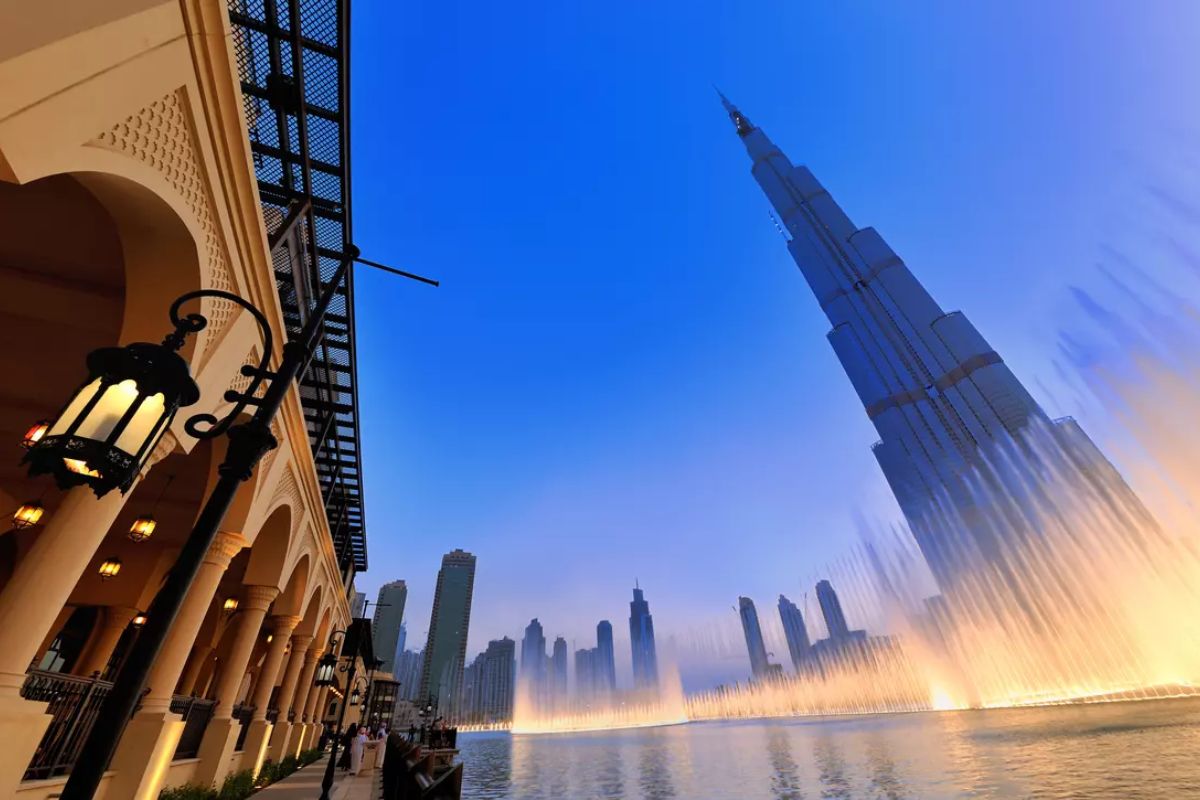
Erected In The Heart Of Downtown Dubai, The Tallest Building In The World Combines A Mixed-Use Tower With Hotel, Residences And Offices, A Popular Observatory, Advanced Security Systems And A Glass Facade That Symbolizes Luxury, Economic Power And Technical Ambition Of The Emirates In The Twenty-First Century On The Scale Of Engineering
The Burj Khalifa was inaugurated in 2010, in Dubai, officially becoming the tallest building in the world at 828 meters high with a design that dominates the horizon in the middle of the desert. Since then, the tower has attracted visitors interested in observing the city from above, experiencing its glass facade and understanding in practice how contemporary engineering has started to operate on scales previously considered unfeasible for mixed-use buildings.
Over more than a decade, the Burj Khalifa has established itself as a structural axis of Downtown Dubai, surrounded by shopping centers, wide avenues, hotels, and leisure areas. The surrounding area was planned to transform the tallest building in the world into an urban anchor, connecting tourism, business, and housing in a single complex, reinforcing Dubai’s image as a global showcase of contemporary engineering in the Middle East.
How The Tallest Building In The World Redefined The Center Of Dubai

When the Burj Khalifa began construction in 2004, the Downtown Dubai area was still undergoing urban transformation, with large vacant lots and projects under development.
-
Abandoned house for 15 years disappears in the woods, shocks owner with unrecognizable scenery and is reborn in an intense transformation after almost 90 hours of work in just 10 days.

-
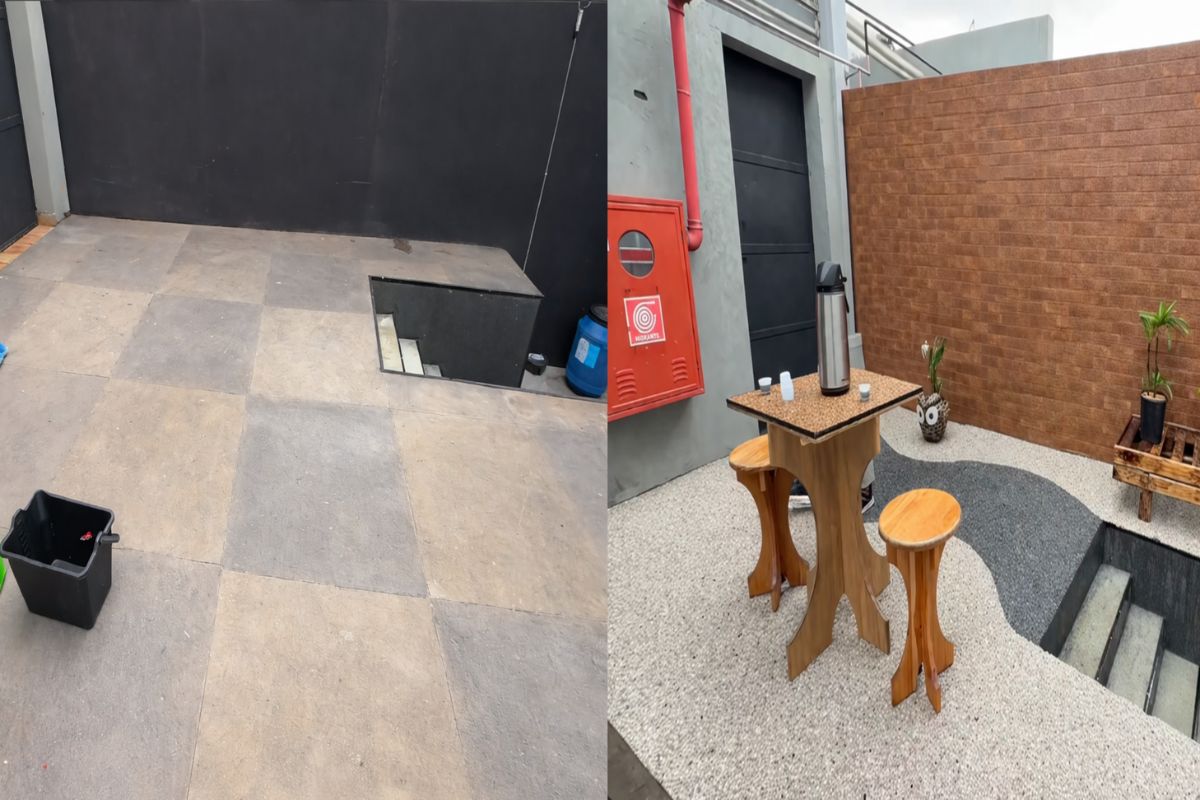
In just three hours, a natural stone floor transforms the entrance of the house with an organic effect, immediate drainage, and a sophisticated non-slip finish that doesn’t puddle water, dries quickly, and impresses with the final result.
-
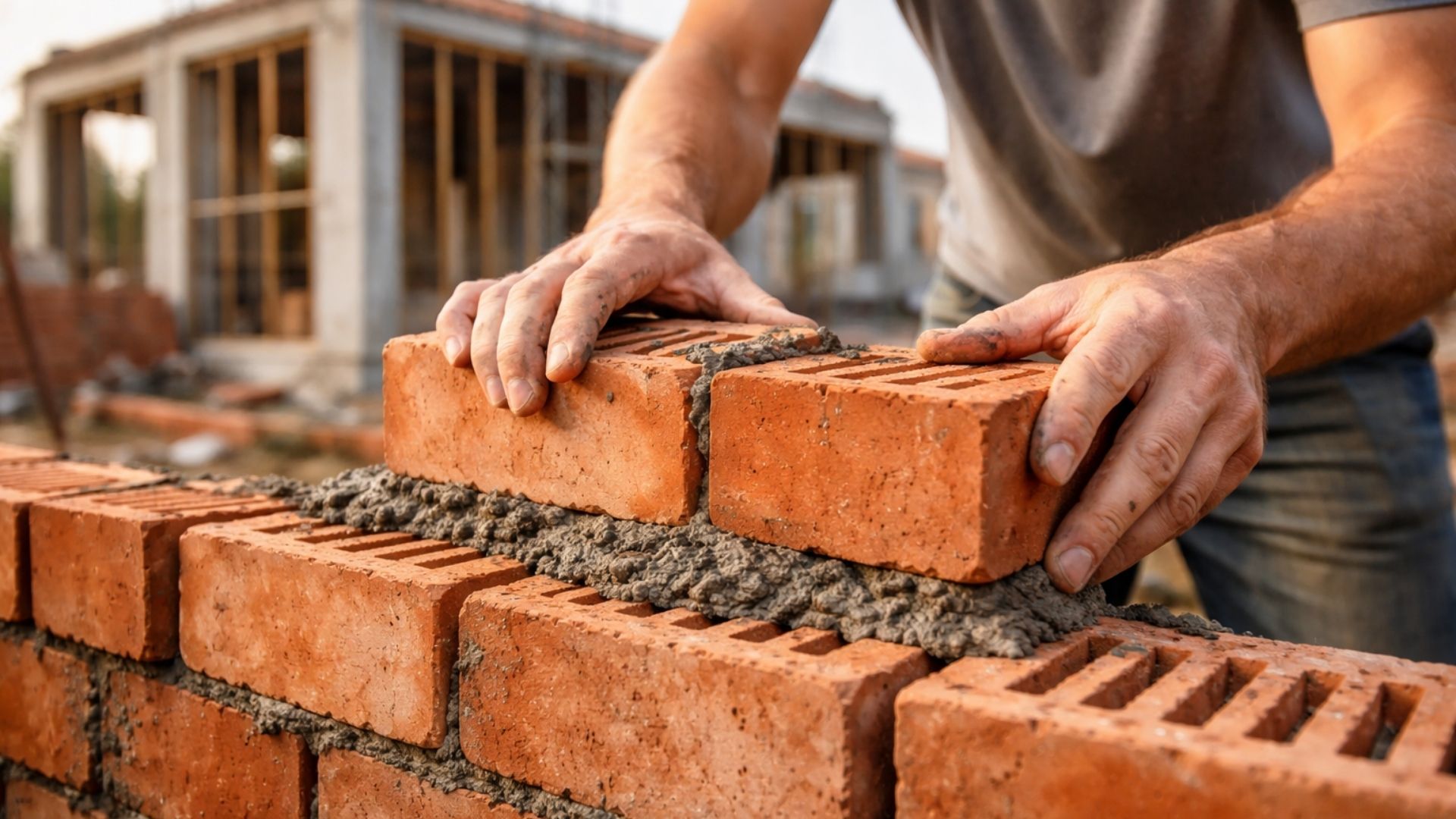
‘Interlocking brick’ made of earth arrives in the construction industry with cost reductions of up to 40% on the project.
-
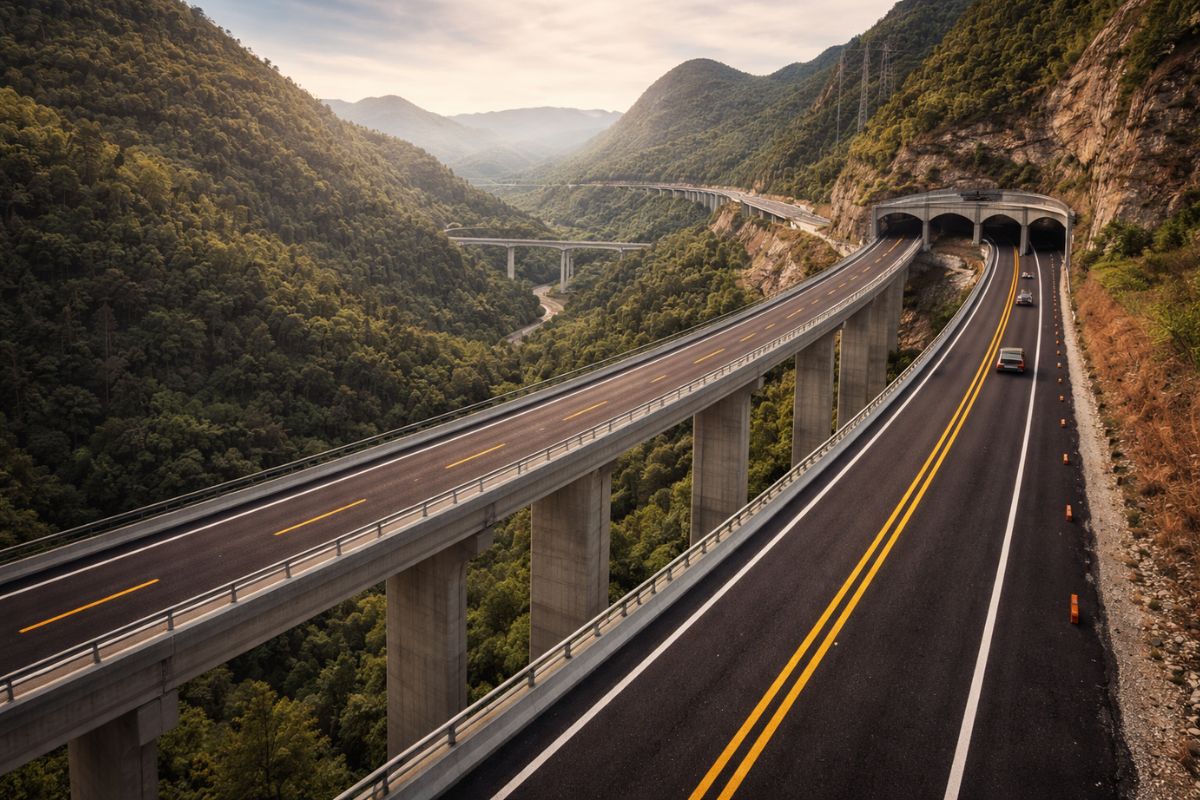
Espírito Santo will receive the largest engineering project in its history with the duplication of BR 262, which will have 50 viaducts, 28 bridges, and 2-kilometer tunnels cutting through the most challenging mountainous region of the entire state.

The completion of the tallest building in the world in 2010 restructured this territory, attracting companies, hotel chains, and high-end residential developments that began to rely on the presence of the skyscraper as a visual and commercial reference.
The tower serves as a landmark for those moving through the city and as a convergence point for pedestrian and vehicle traffic.
The landscape of Dubai began to be read from the Burj Khalifa, whose tapered silhouette stands out even from great distances.
Squares, water mirrors, expressways, and shopping centers were strategically placed around the building, reinforcing the role of the complex as a postcard and service center.
For urban planning, the tallest building in the world acts as an experiment in controlled high density, combining different uses within a single infrastructural base.
The concentration of hotel, residences, and offices in a single volume reduces internal movement and creates its own ecosystem of consumption and services, which enhances the stay of residents, tourists, and workers in Downtown Dubai.
Structure And System Of The Burj Khalifa In The Logic Of Contemporary Engineering
The record height of the Burj Khalifa required a structural design that became a symbol of contemporary engineering applied to super-tall buildings.
The central core in high-strength concrete is reinforced by three large wings arranged in a Y-shape, which function as rigid bracing.
This arrangement, known as a buttressed core, distributes the loads throughout the structure and increases overall stiffness, allowing the tallest building in the world to withstand significant wind loads along its 828 meters.
In the foundations, large diameter deep piles were implemented to anchor the skyscraper to the desert soil, with thick layers of concrete and steel.
The combination of a robust core, lateral supports, and deep foundations is one of the key points that positions the Burj Khalifa as a reference in contemporary engineering, often studied in structural engineering and architecture courses.
The spiral form, with successive setbacks as it rises, reduces the formation of repetitive wind vortices along the facade.
This minimizes oscillations and contributes to the comfort of occupants while optimizing the sizing of structural elements.
In practice, the geometry of the tallest building in the world is part of the stability system itself, integrating aesthetics and performance in a way typical of contemporary engineering in projects of this scale.
Glass Facade, Extreme Climate And Environmental Performance
One of the most visible elements of the Burj Khalifa is its glass facade, made up of over 26,000 panels combining glass and aluminum.
In a desert climate like Dubai’s, the design of this exterior skin had to balance transparency, solar control, and thermal resistance.
Layers of treatment, special films, and metal frames were selected to reduce heat gains and allow efficient operation of the air conditioning systems.
The glass facade acts as a filter between the internal environment and the exterior, controlling the entry of light and heat while ensuring wide views of Dubai.
At night, the system is complemented by scenic lighting schemes that transform the building into a stage for light shows, reinforcing the image of the tallest building in the world as a permanent showcase of contemporary engineering and urban marketing of the emirate.
For maintenance, the array of glass facade panels requires its own logistics, with specialized cleaning and inspection teams and equipment for high-access work.
Movable platforms, rails, and access systems were integrated into the design from the planning phase.
This detailing is part of the technical conception that supports the Burj Khalifa as a recurring case study in contemporary engineering, not only for its record height but for the operational complexity associated with its glazed skin.
Observatory, Elevators And Internal Routine Of The Skyscraper
Inside the Burj Khalifa, the mixed-use layout distributes hotel, residential apartments, and corporate offices across different height levels.
The visitation levels concentrate observatories with panoramic views of Dubai and the desert, accessed by high-speed elevators that connect the ground floor to the upper floors in a few minutes.
The observatory of the tallest building in the world has become one of the most sought-after tourist spots in the emirate, with queues managed through appointments and specific time slots.
The daily operation involves access control, security, elevator maintenance, flow management, and coordination among the various functions present in the building.
Automation systems monitor air conditioning, lighting, energy consumption, and equipment, cross-referencing data in real time.
This internal routine reinforces the character of the Burj Khalifa as a practical laboratory of contemporary engineering, both in structural terms and in large-scale building operations.
By housing a hotel, residences, and offices within the tallest building in the world, Dubai consolidates a dynamic where the building functions almost like a small vertical city. Support services, leisure areas, restaurants, and technical spaces distributed throughout the tower allow different user profiles to occupy the skyscraper in distinct ways throughout the day, keeping the structure in continuous use.
Symbol Of Economic Power And Contemporary Engineering Of The Emirates
Since 2010, the Burj Khalifa has been presented as a demonstration of financial capability, technological ambition, and international positioning strategy of Dubai and the Emirates.
The tallest building in the world serves as a showcase of local contemporary engineering, while signaling to the global market the emirate’s intention to lead in disputes for innovation in infrastructure, tourism, and services.
The image of the skyscraper appears in campaigns, institutional materials, and cultural products associated with Dubai, reinforcing an imaginary of luxury, consumption, and modernity.
The combination of record height, a striking glass facade, and the intensive use of contemporary engineering solutions makes the Burj Khalifa a central piece in the narrative of development built by the Emirates in recent decades.
Observing this trajectory, the tallest building in the world ceases to be merely a vertical landmark and is understood as an instrument of economic policy, urban branding, and large-scale technical experimentation.
It synthesizes Dubai’s bet on emblematic projects to attract capital, visitors, and skilled professionals, establishing the skyscraper as a mandatory reference when discussing the future of contemporary engineering applied to rapidly transforming cities.
For you, the tallest building in the world in Dubai is an inspiring example of contemporary engineering or a symbol of architectural excess that should not be repeated in other cities?









-

Uma pessoa reagiu a isso.