





 Portuguese
  English
  Spanish
  7 min of reading
  0 comments


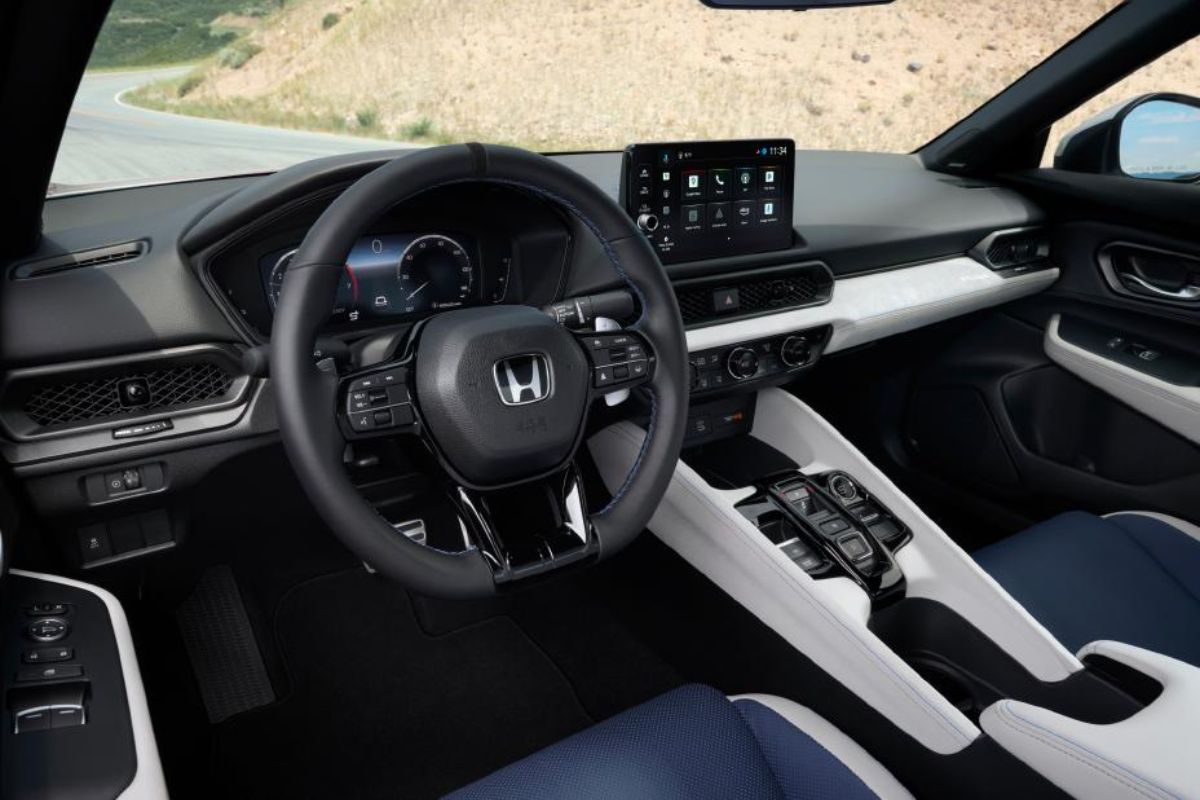
Revealed in North America on September 4, 2025, the Prelude returns as a two-motor hybrid, with 200 combined horsepower, a chassis with elements from the Civic Type R, driving modes, and a Grand Touring focus, but still without official confirmation of sales in the Brazilian market so far by Honda.
The Prelude has returned to the center of Honda’s lineup as a sixth-generation coupe that tries to balance memory, efficiency, and drivability without repeating the old formula. Now hybrid, with two motors and a platform adjusted with components from the Civic Type R, the model arrives with the mission of placing the name back among the most desired cars of the brand.
The reappearance of the Prelude also serves a broader movement. Honda makes it clear that it wants to accelerate its hybrid offensive in the coming years, and the return of this name helps to connect the past and future in the same showcase, even if the Brazilian market still lacks any official announcement so far.
What The New Prelude Brings To The Table

The most important aspect of the Prelude’s return lies in the powertrain. For the first time, the coupe combines Honda’s two-motor hybrid system with a 2.0 gasoline engine, utilizing the Atkinson cycle and direct injection, forming a package with 200 horsepower and 315 Nm of torque.
-
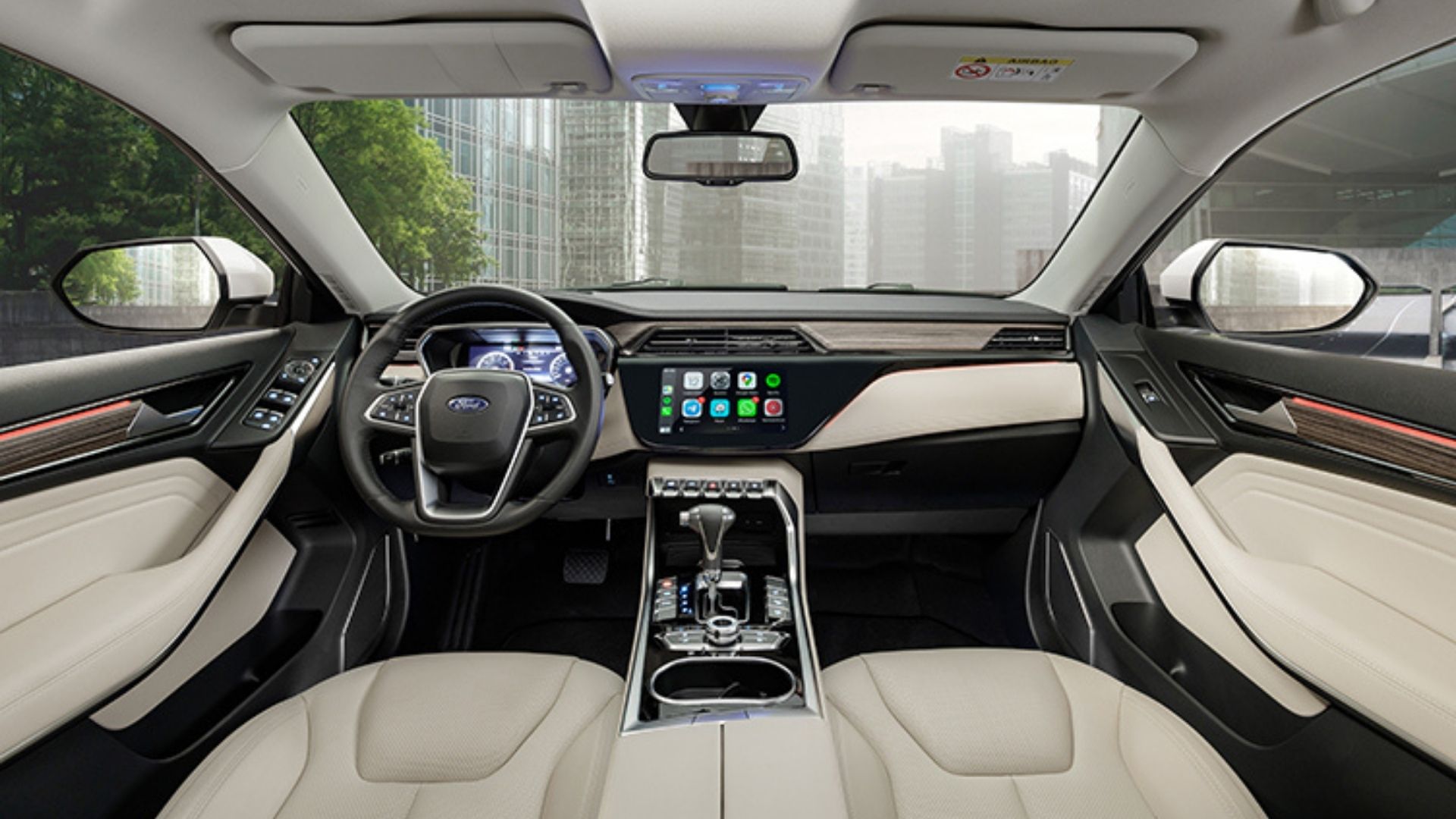
Around R$ 24,000: 4 used Ford SUVs with up to 253 hp, V6 engine, all-wheel drive, 7 airbags, panoramic sunroof, and a complete package that surprises with its price and performance in Brazil.
-
A brand new car starts at around R$ 75,000 in Brazil, but what stands out the most is seeing streets filled with SUVs and expensive sedans in a country where millions remain in debt.

-
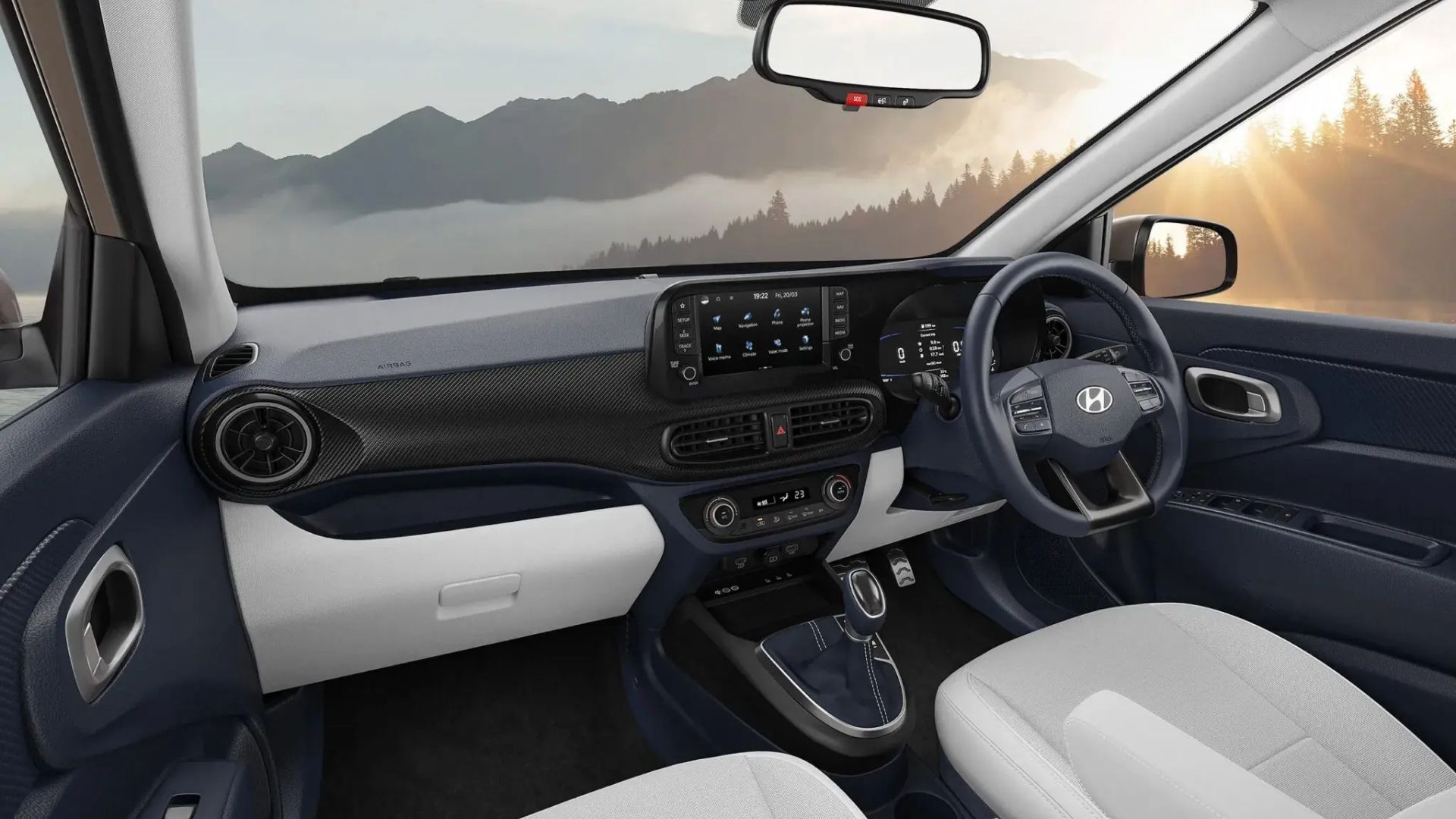
For R$ 32,000, a brand new Hyundai car is a rival to the Kwid with a 1.2 engine producing 82 hp, 6 airbags as standard, multimedia with wireless Android Auto, up to 391 liters in the trunk, and a refreshed look for 2026 in India.
-
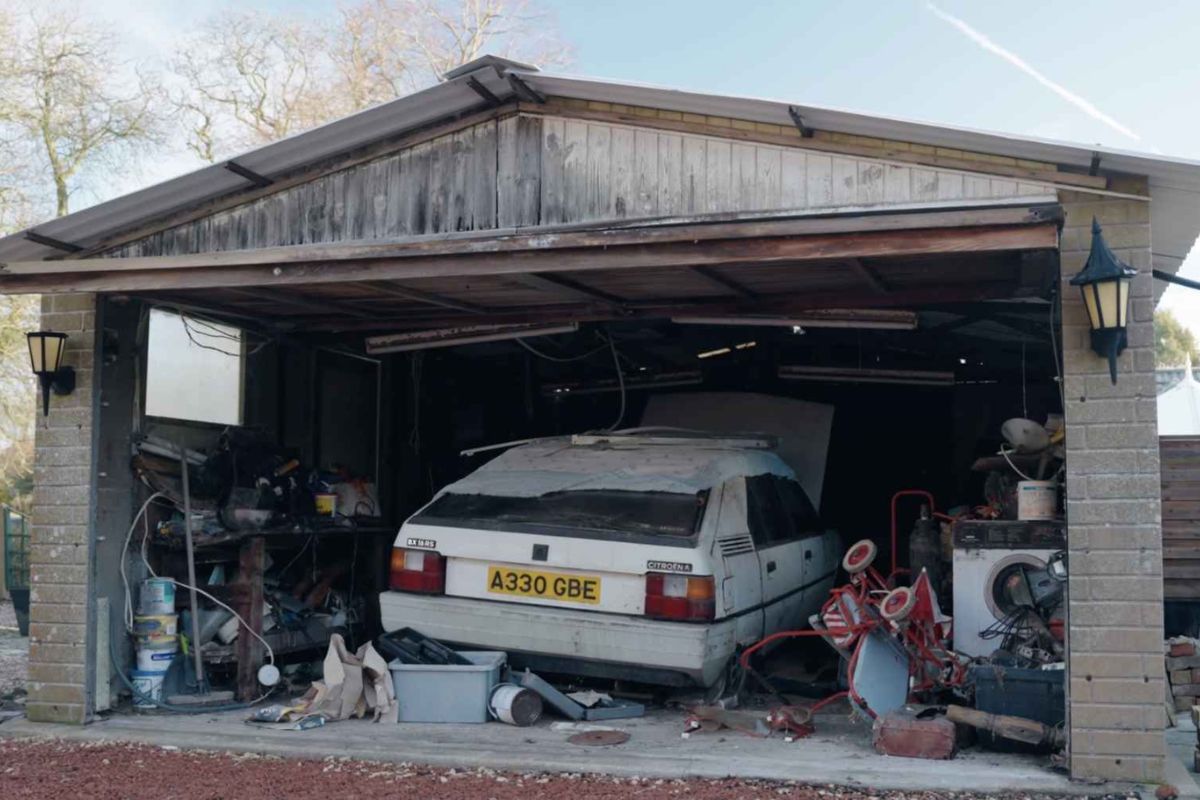
He bought a new car in 1983, locked it in the barn in 1988, and no one opened the door for 38 years until the family discovered what was stored inside and realized it looked like something out of a movie.

The idea is to deliver rapid acceleration, immediate response, and efficiency without abandoning the concept of driving pleasure.
In practice, Honda aims to sell the Prelude less as a radical sports car and more as a contemporary Grand Touring vehicle. This is evident in the promise of precise steering, responsive handling, and enough comfort for daily use, without sacrificing emotional appeal.
The car does not hide its ambition to be engaging, but it also does not present itself as a pure track machine.
This balance is made clearer with the new Honda S+ Shift system, debuted specifically on the Prelude. This feature simulates gear changes, downshifts with rev matching, and enhanced engine sounds to increase the driver’s sense of connection with the car.

It is an attempt to bring mechanical drama back to an electrified setup, something Honda already indicates it wants to carry over to future hybrids of the brand.
By doing this, the Prelude occupies a strategic position within the lineup. It is not just another efficient hybrid, as it carries coupe language, a double bubble roof, a wide stance, and elements designed to suggest performance.
At the same time, it does not break with Honda’s electrification agenda, which depends precisely on products capable of uniting rational consumption and desire.
What Came From The Civic Type R And Why It Matters

If the hybrid system draws attention, the chassis may say even more about what Honda wants with the Prelude.
The coupe is the brand’s first hybrid to receive the high-performance base from the Civic Type R, including a double-wishbone front suspension, wide track, and large-diameter brakes originally developed for the sporty hatch. This detail changes the tone of the entire project.
The brand claims that the setup is specific to the Prelude, which suggests a less extreme calibration more suited to the Grand Touring proposal.
Still, the technical package is robust: standard adaptive dampers, four-piston Brembo monoblock front brakes, 13.8-inch front discs, 12-inch rear discs, and 19-inch wheels with 235/40R19 tires.
The driving modes also reinforce this attempt at multiple personalities. Comfort, GT, Sport, and Individual alter the response of the setup, steering, damping, engine sound, dashboard layout, and even adaptive cruise control.
The Prelude, therefore, does not want to be a one-note car. It seeks to vary according to use, from daily commuting to more engaging driving on the road.

Another relevant point is the presence of the enhanced Honda Agile Handling Assist. According to the brand, the system integrates the powertrain and brakes to improve driver confidence according to steering movements.
It is the type of solution that doesn’t show up much in visual discourse, but helps build the sense of fine tuning, something essential when the car tries to inherit the technical prestige of the Civic Type R without losing civility.
Cabin, Technology And The Idea Of Grand Touring

Inside, the Prelude tries to uphold the promise of a pleasurable car without falling into track excess.
The cabin has been designed with a low dashboard, thin A-pillars, and a clear focus on front visibility, while the flat-bottom steering wheel, sporty pedals, and metal paddle shifters emphasize the more engaging side of the proposal. The environment is clean but clearly driver-oriented.
The sport front seats feature leather, integrated headrests, three-level heating, and a perforated pied de poule pattern.
Honda also highlights the asymmetrical side bolsters, designed to better hold the driver while allowing more relaxation for the passenger.
It is a small detail on paper but revealing of the obsession to separate driving experience and comfort without sacrificing either.

Practically speaking, the Prelude maintains a 2+2 configuration, a 60/40 split rear seat, and rear access in hatchback style.
The brand claims 81 cm of legroom in the rear seat and sufficient space for weekend luggage, including room for larger items. This helps support the discourse of a usable coupe, not just an emotional showcase.
The technology list is also extensive. A 10.2-inch digital dashboard, 9-inch HD touchscreen with integrated Google, wireless Apple CarPlay and Android Auto, inductive charger, Wi-Fi, Bose system with 8 speakers, and the Honda Sensing package come standard.
The Prelude, therefore, tries to be current throughout, without relying solely on the nostalgia of the name.
Design, Global Strategy, And The Brazilian Unknown

Visually, the Prelude takes a path of sporty sophistication. The low hood, wide stance, flared fenders, smooth body line, and blue accents on the Brembo brakes and bumpers help create an image of a clean, muscular, and aerodynamically refined coupe.
The double bubble roof and the antenna integrated into the rear glass reinforce this reading.
The car was designed in Japan, debuted in North America, and will be sold at dealerships at the end of autumn in the northern hemisphere.
This places the Prelude within a broader strategy from Honda, which aims to elevate the share of hybrids to over 60% of automobile sales in the coming years.
The return of the name, in this context, does not seem coincidental. It serves as a global repositioning piece for the brand.
Honda itself makes this connection by reminding that the Civic, Accord, and Prelude were among the company’s first products in the 1970s and are now coming together again under the banner of electrification.
The message is clear: tradition and hybrid do not need to walk separately. The Prelude thus becomes a symbol of continuity, but also of adaptation.
For Brazil, however, the scenario remains open. The presented material discusses the North American debut, the local timeline, and the model’s global role but does not bring any official announcement for the Brazilian market so far.
This does not mean a definitive absence; it is just that, for now, the return of the Prelude is still a story observed from the outside by the brand’s fans in the country.
Safety And Positioning In The Honda Lineup
Honda also uses the Prelude to reinforce its safety discourse.
The model comes standard with post-collision braking, blind spot monitoring, rear cross-traffic alert, front, side, and rear airbags, in addition to the Honda Sensing package with collision mitigation, pedestrian detection, lane keeping assist, traffic sign recognition, and adaptive cruise control.
This helps position the Prelude as a car with a strong image, but not isolated from the rest of the lineup. The coupe does not emerge as an irrational exception within the Honda range.
It appears as a halo product, capable of carrying technology, electrification, design, and moderate performance to radiate value to the brand as a whole.
Also for this reason, the company highlights that hybrids already account for about one-third of sales and that expanding this share relies on cars that are more attractive to drive.
The Prelude enters this equation as a desired piece, something that a report on efficiency alone cannot deliver. Honda seems to understand that electrification without emotional appeal may sell, but does not create a legend.
In the end, the return of the Prelude mixes nostalgia, commercial strategy, and shared engineering in a very calculated manner.
The historic name helps attract attention; the hybrid system justifies the present; and the chassis inherited from the Civic Type R tries to ensure that the discourse of driving pleasure does not fall flat.
The return of the Prelude places a classic coupe back on Honda’s map with hybrid engines, a more sophisticated technical package, and a clear function within the brand’s global offensive.
At the same time, it leaves a gap that weighs on the local audience: for now, Brazil watches everything without official confirmation of sales.
If you had to choose, what would most define the success of this return of the Prelude: the historic name, the hybrid setup, the tuning inherited from the Civic Type R, or Honda’s ability to bring this coupe to markets like Brazil as well?








-

-

2 pessoas reagiram a isso.