





 Portuguese
  English
  Spanish
  3 min of reading
  0 comments


While Trump’s Allies Discuss Ways to Extend Their Time in Power, the World Has Seen Leaders Who Governed for Decades — Like Theodore Obiang, for 45 Years in Charge of Equatorial Guinea
Donald Trump’s recent remarks have reignited an old political debate in the United States: the limits for presidential re-election. After serving from 2017 to 2021, Trump returned to office last year. Now, even before finishing his second term, he is already considering ways to stay in power.
The Constitution of the United States, however, is clear. Under the 22nd Amendment, a president can only be elected twice. This prevents him from running again. Nevertheless, allies of the former president have suggested alternative paths.
Allies Suggest Returning as Vice
One of the strategies being discussed would be to launch Trump as a vice president on a future ticket. If the new president resigns, he could reclaim the position. This idea divides experts, as it is legally controversial, but fuels political discourse among his supporters.
-
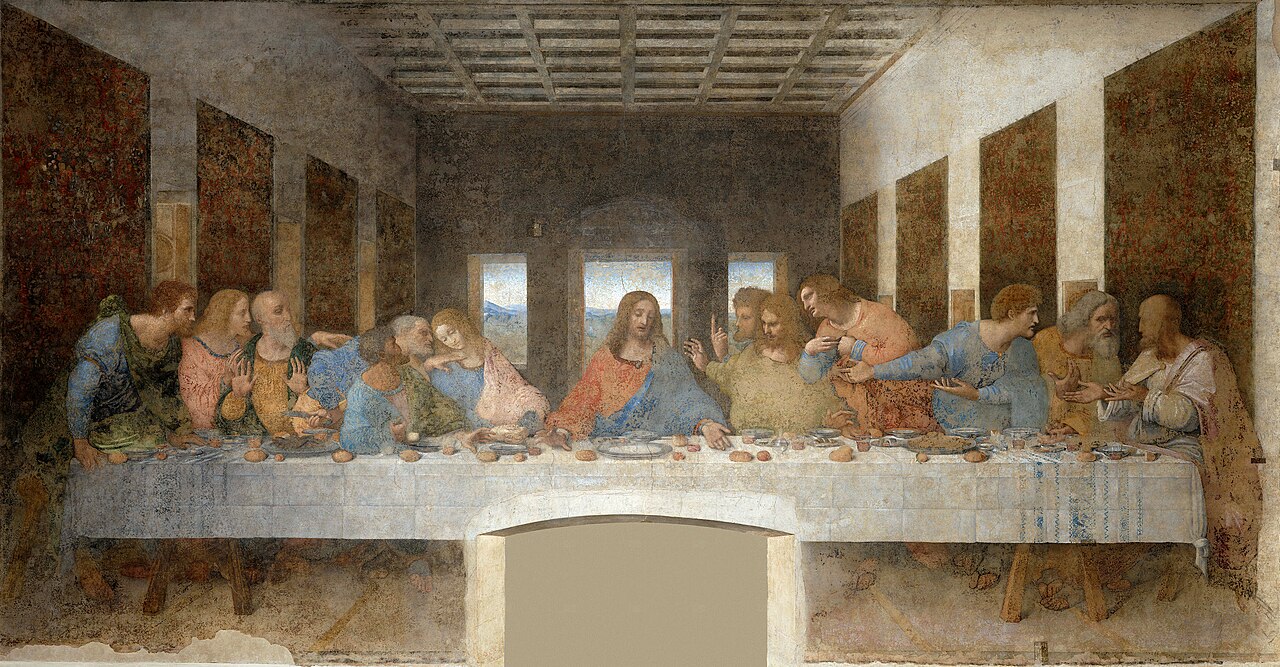
Hidden marks on the walls of the site associated with the Last Supper of Jesus for centuries have been deciphered in Jerusalem, revealing medieval inscriptions left by pilgrims, European nobles, and travelers from the Middle East.
-
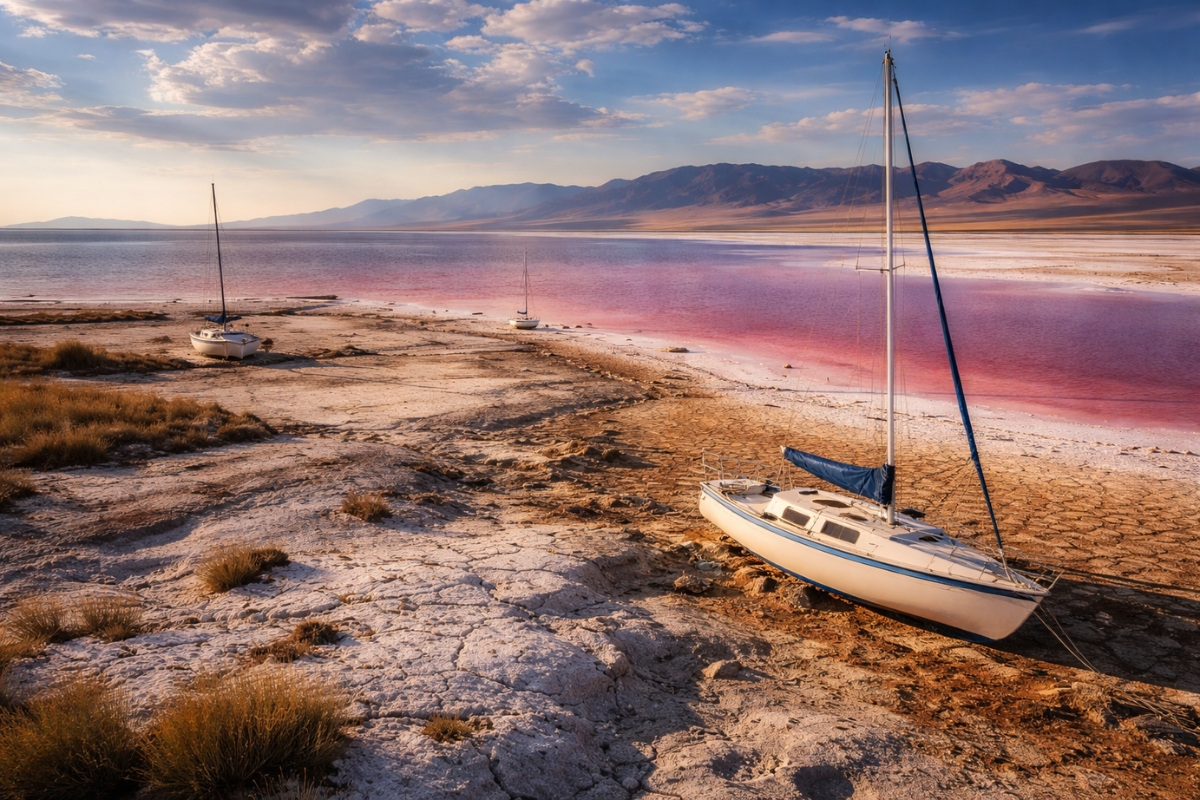
One of the most important lakes in the United States for birds, the balance of nature, and the climate has dried to historic levels, leaving boats stranded, revealing salt flats, and showing how the lack of water can transform an entire landscape.
-
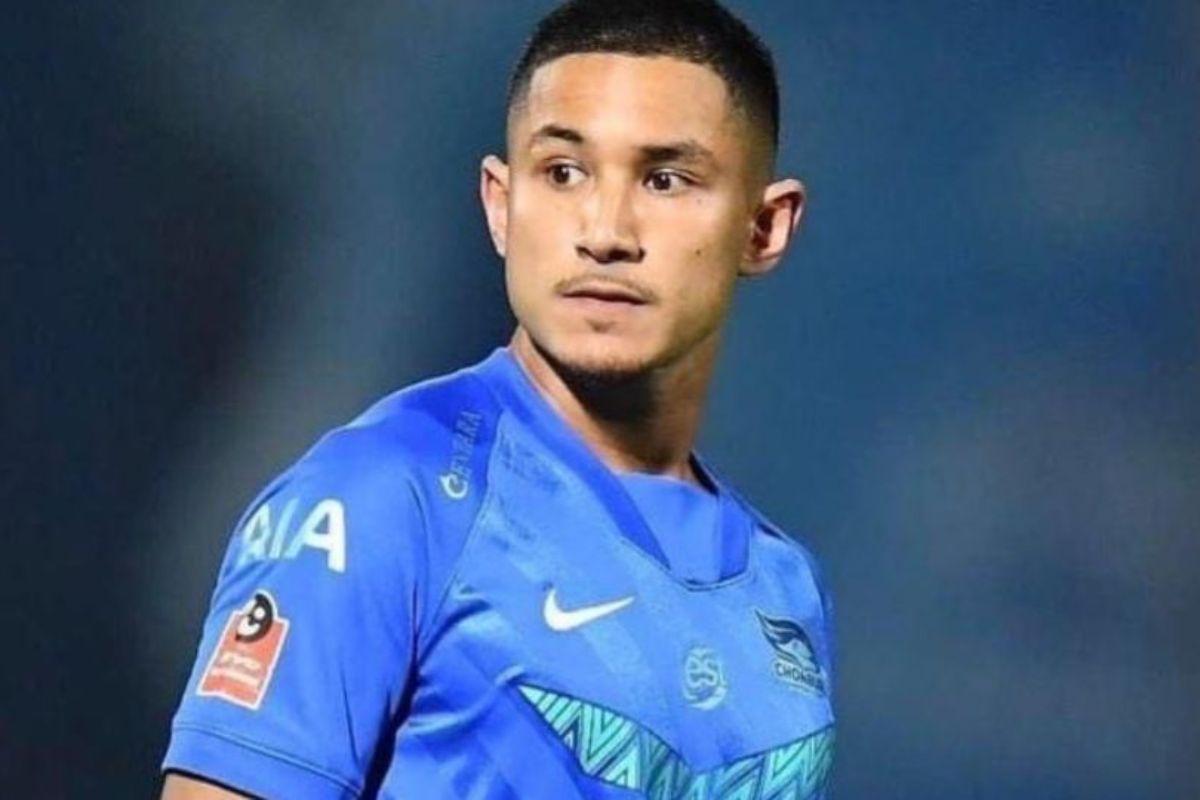
It’s not Cristiano Ronaldo or Messi: the richest football player in the world is only 27 years old, has a fortune of 100 billion reais, and is the nephew of a sultan from an Asian country that few people know about.
-
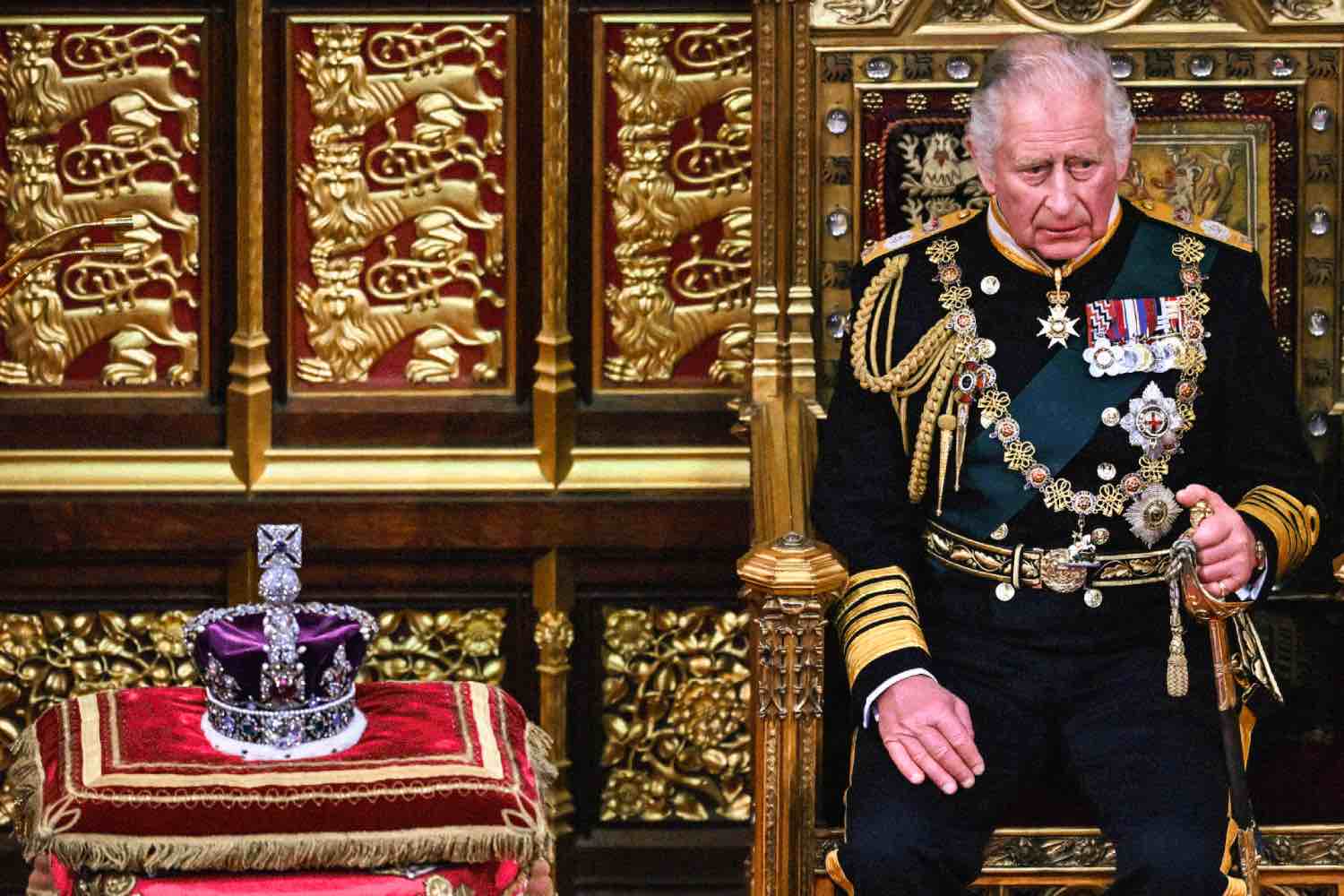
At 77, the king of one of the most famous and powerful crowns on the planet is said to be under pressure to leave the throne, while behind the scenes there are already talks of a new coronation that could cost R$ 260 million.

“Although this hypothesis is legally controversial, it fuels a political discourse that seeks to test constitutional limits and mobilize his base with narratives of permanent power,” says Ana Paula Aguiar, a professor of history, philosophy, and sociology at the pH Education System.
Historical Examples of Remaining in Power
This attempt to circumvent constitutional limits is not new. Several leaders around the world have employed strategies to remain in power for decades.
One of the most well-known examples is Muammar Gaddafi, who ruled Libya for 42 years, from 1969 to 2011. He came to power through a military coup and maintained control with repression and a cult of personality. His regime fell after the Arab Spring in 2011.
Another case is Omar Bongo, who led Gabon for 42 years as well, from 1967 to 2009. His government was marked by clientelism, control of state resources, and electoral manipulation.
“These leaders consolidated their authority through a combination of political repression, cult of personality, and control of institutions — often manipulating laws and constitutions to eliminate term limits,” explains Ana Paula.
Stability Narrative as Justification
The professor emphasizes that often, the justification for remaining in power is the promise of stability. “Perpetuation in power often relies on a narrative of stability and continuity, but in practice, it weakens democracy and reduces the possibility of legitimate alternation,” she claims.
Who Has Been in Charge the Longest Today
Currently, the longest-serving president is Theodore Obiang of Equatorial Guinea, who has governed since 1979. He took power after overthrowing his uncle and governs by repressing opponents. His elections are frequently questioned by international observers.
Paul Biya of Cameroon has been in power since 1982. His tenure has been made possible by constitutional changes and repression of the opposition. Another name is Yoweri Museveni of Uganda, who has led since 1986 and has promoted legal changes to eliminate term and age limits.
Vladimir Putin also makes this list. He has been in power in Russia since 1999, alternating between president and prime minister. In 2020, he approved constitutional changes that could ensure his stay until 2036.
With information from Guia do Estudante.







Seja o primeiro a reagir!