





 Portuguese
  English
  Spanish
  4 min of reading
  0 comments


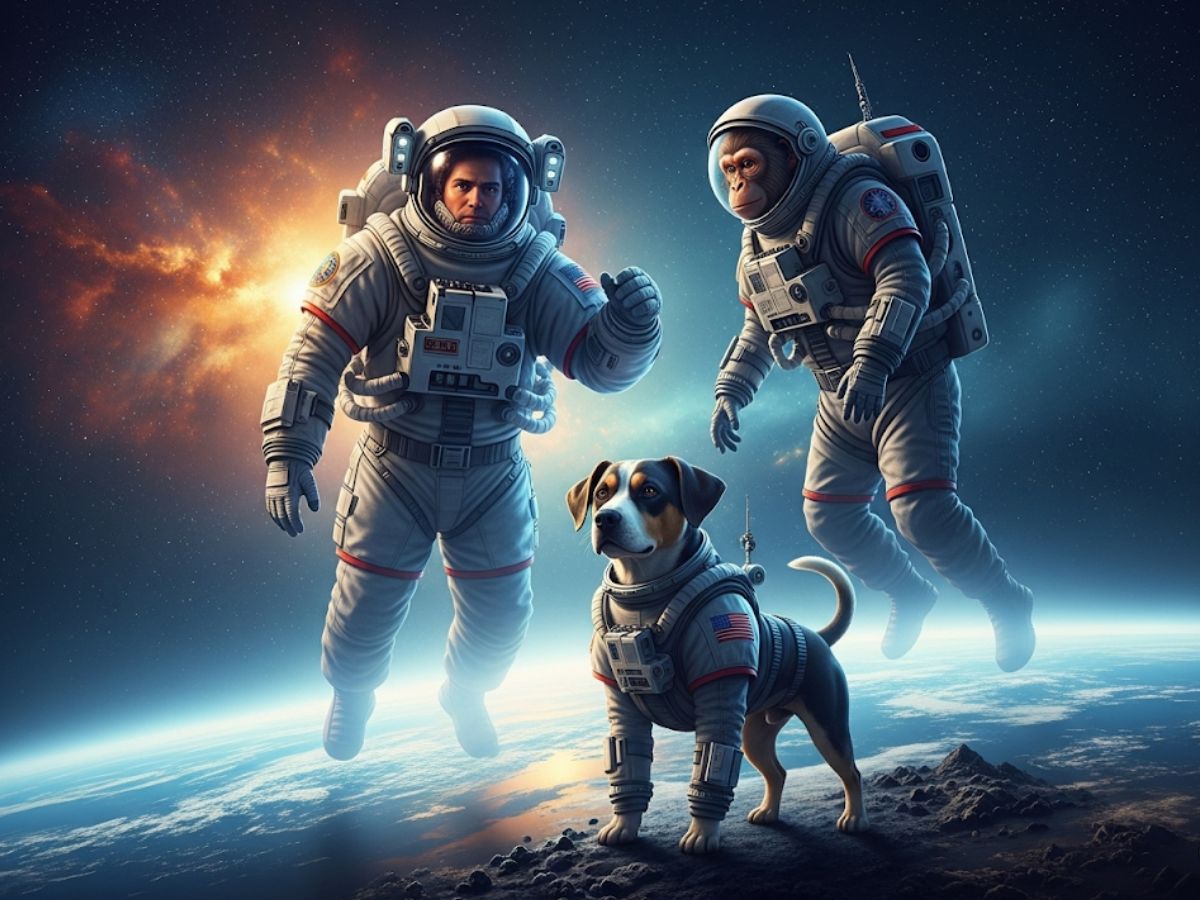
Long Before Any Human, The Dog Laika Became The First Living Being Sent To Space To Orbit Our Planet, In A Pioneering Soviet Mission In 1957 That Revealed Both Technological Advances And Ethical Dilemmas.
The History Of Space Exploration Is Filled With Impressive Milestones, But One Of The Most Significant And Moving Is That Of Laika. On November 3, 1957, The Soviet Union Launched Aboard Sputnik 2 The First Living Being Sent To Space That Effectively Oriented The Earth: A Dog Named Laika. This Event Was Not Just A Technological Feat, But A Powerful Symbol In The Intense Cold War.
Laika’s Mission Preceded Human Flights And Even Primate Orbits, Highlighting The Soviet Lead In The Early Phase Of The Space Race. Although Other Animals Had Already Been Sent To Space In Suborbital Flights, Laika’s Orbital Journey Represented A Considerable Advance, Demonstrating The Ability To Sustain Life In Prolonged Microgravity Conditions, Even Though Its Fate Was Tragic And Planned As A One-Way Trip.
Who Was Laika, The Canine Pioneer In Space?
Laika Was A Stray Dog, About Three Years Old, Found Wandering The Streets Of Moscow. Her Original Name Was Kudryavka (“Curly”), But She Was Renamed Laika (“Barker”). Soviet Scientists Preferred Dogs, Especially Strays, Because They Believed They Were Already Adapted To Extreme Conditions Of Cold And Hunger. Laika Was Chosen For Her Gentle And Resourceful Temperament. Females Were Preferred For Practicality In Capsule Design.
-
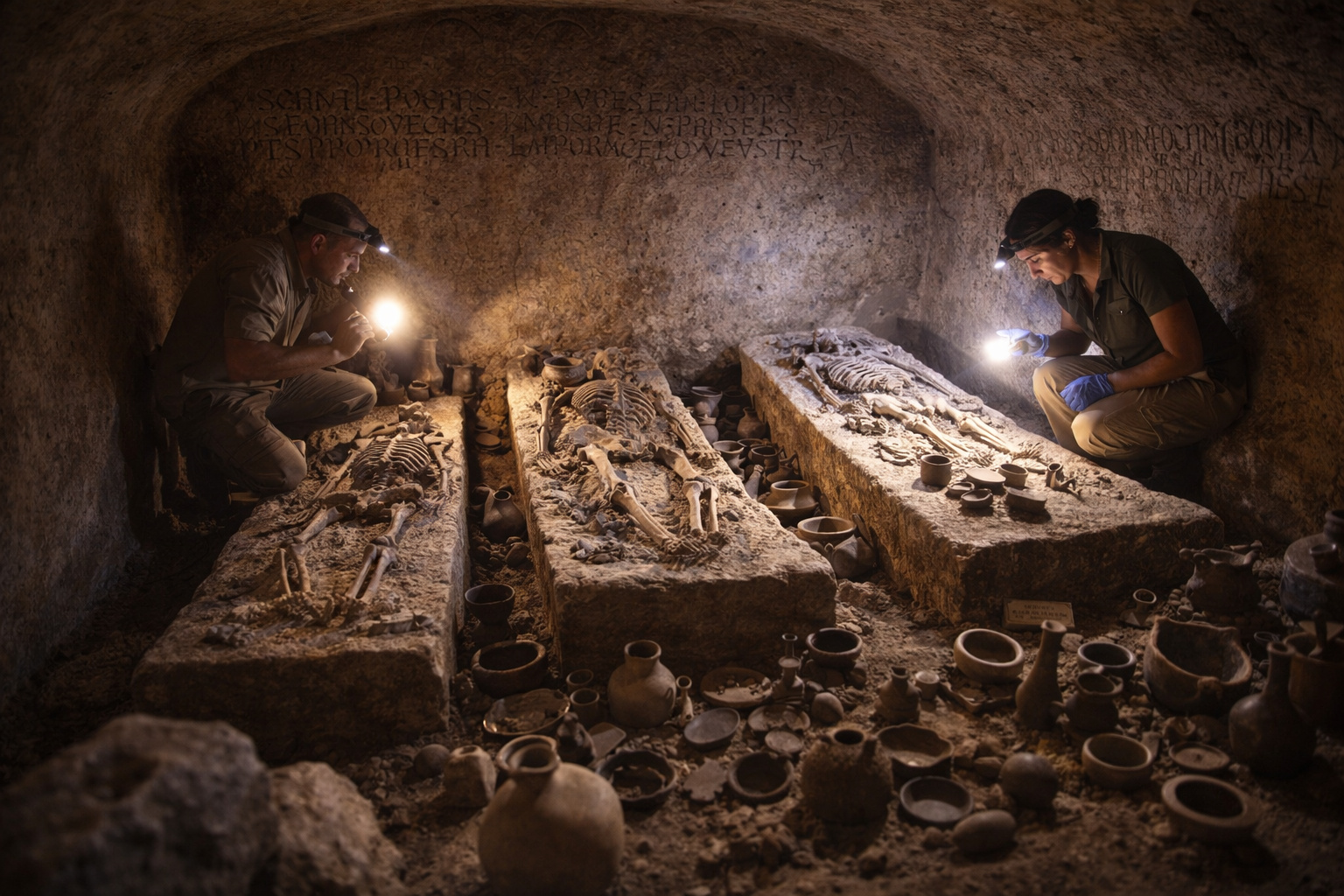
Archaeologists opened the only Etruscan chamber never looted in 2,600 years and found four individuals lying on stone beds with 110 intact objects around them, and the inscriptions found in the tomb have not yet been deciphered because the Etruscan language is a mystery that science has not yet solved.
-
Health issues urgent alert for flu and calls for the vaccination of the elderly, children, and pregnant women this Saturday with Day D and drive-thru in Curitiba.

-
What seemed like waste has turned into a barrier, and now human hair collected from salons helps retain debris in the water of ancestral channels in Latin America.

-
China has deployed more than 1,400 fishing boats in formation, creating a barrier of 320 kilometers at sea, and the whole world wants to know if this is fishing, a military exercise, or a message of war.


Training To Become The First Living Being Sent To Space In Orbit Was Intense. Laika And Other Dogs, Like Albina And Mushka, Were Confined In Progressively Smaller Spaces For Up To 20 Days.
They Also Went Through Centrifuges, Which Simulated Launch Acceleration, And Were Trained To Consume A Special Nutritional Gel. Shortly Before The Flight, Dr. Vladimir Yazdovsky Took Laika Home To Play With His Children, A Gesture Of Humanity Amidst The Harshness Of The Program.
The Mission That Took The First Living Being Sent To Space To Orbit
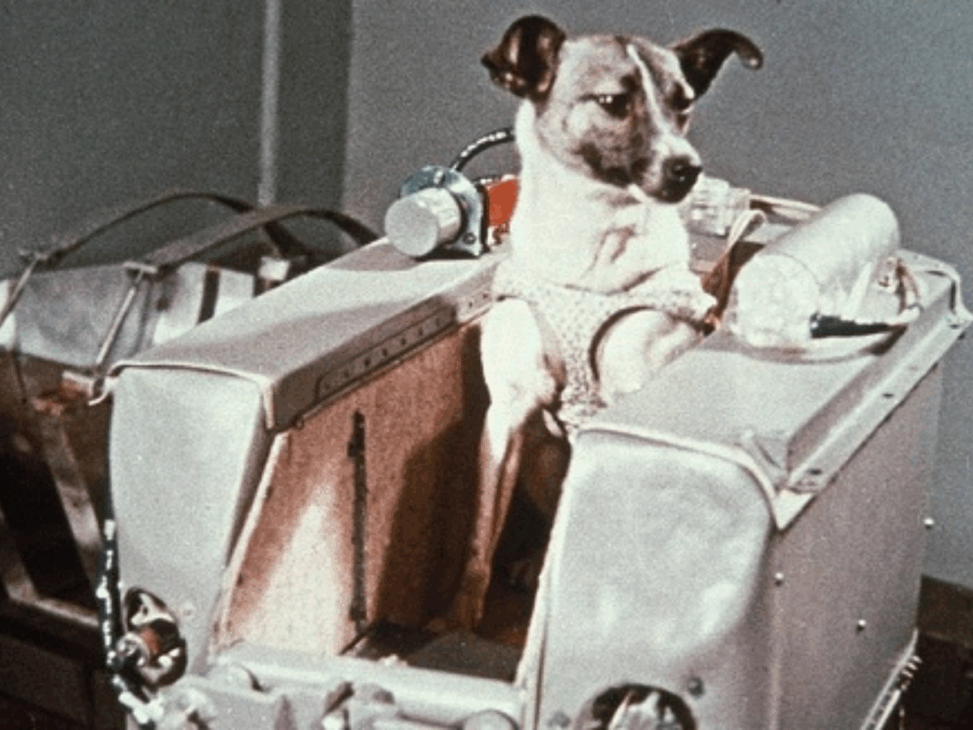
The Sputnik 2 Mission Was Born Under Strong Political Pressure. After The Success Of Sputnik 1, Nikita Khrushchev Ordered A New Feat To Coincide With The 40th Anniversary Of The Bolshevik Revolution. This Resulted In Less Than Four Weeks To Design And Build The New Spacecraft. The Main Objective Was Propagandistic, Demonstrating Soviet Technological Superiority.
Despite The Rush, Sputnik 2 Had Scientific Objectives. Data Collection From Laika Was Sought To Understand The Effects Of Spaceflight On A Living Organism. The Spacecraft, Weighing 508 Kg, Also Carried Instruments To Measure Solar Emissions And Cosmic Rays.
Crucially, Sputnik 2 Was A “Rushed Job” And Did Not Include Provisions For Laika’s Recovery; Safe Reentry Technology Did Not Yet Exist. This Decision Sealed The Fate Of The First Living Being Sent To Space.
The Last Hours Of The First Living Being Sent To Space In Orbit
Sputnik 2 Was Launched On November 3, 1957. During The Launch, Laika’s Breathing Increased Three To Four Times And Her Heart Rate Jumped From 103 To 240 Beats Per Minute. After Entering Orbit And Experiencing Microgravity, Her Heart Rate Decreased, But It Took Three Times Longer To Normalize Than In Ground Tests, Indicating Ongoing Stress.
A Critical Failure Occurred: The Core Of The R-7 Rocket Did Not Separate From The Capsule As Planned. This, Combined With The Detachment Of Part Of The Thermal Insulation, Prevented The Proper Functioning Of The Temperature Control System.
The Cabin Began To Overheat, Reaching Over 40°C. Laika Died Of Overheating And Stress A Few Hours After Launch, During The Fourth Orbit, And Not From Euthanasia Or Lack Of Oxygen After Days, As Was Initially Reported By The Soviet Union. The Truth Was Only Fully Revealed In 2002 By Dr. Dimitri Malashenkov.
More Than The First Living Being Sent To Space
Laika’s Flight, The First Living Being Sent To Space To Orbit The Earth, Had A Profound Impact. In The United States, It Intensified The “Sputnik Crisis,” Accelerating Investments In The American Space Program And Leading To The Creation Of NASA In 1958. For The Soviet Union, It Was An Immense Propagandistic Victory, Although It Also Exposed The Issue Of The Lack Of A Recovery Plan.
Laika’s Mission Triggered A Global Ethical Debate About The Use Of Animals In Science. Protests Occurred In Front Of Soviet Embassies, And The Story Of The Dog Forced A Public Discussion About The Moral Costs Of Progress. Years Later, Oleg Gazenko, One Of The Scientists Of The Program, Expressed Deep Regret, Stating: “We Should Not Have Done It… We Did Not Learn Enough From The Mission To Justify The Dog’s Death.”
A Symbol Of Sacrifice And Pioneering

Laika Is Remembered Through Monuments In Russia, Including A Statue In Star City And A Monument In Moscow Inaugurated In 2008. Her Story Inspired Books, Songs, And Even The Name Of An Animation Studio. She Remains A Complex Symbol: A Pioneer Who Paved The Way For Human Flights, A Victim Of Scientific Advancement In Cold War Times, And A Catalyst For Ethical Discussions.
Laika’s Sacrifice, The First Living Being Sent To Space On An Orbital Journey, Was Not In Vain If It Serves To Remind Us Of The Importance Of Weighing Ethical Considerations In The Pursuit Of Knowledge.
Her Pioneering Journey, Though Tragic, Is An Indelible Part Of Human History, Marking The Moment When Earthly Life Began To Reach For The Stars, Even Through The Eyes Of A Small And Brave Street Dog From Moscow.








Seja o primeiro a reagir!