





 Portuguese
  English
  Spanish
  4 min of reading
  0 comments


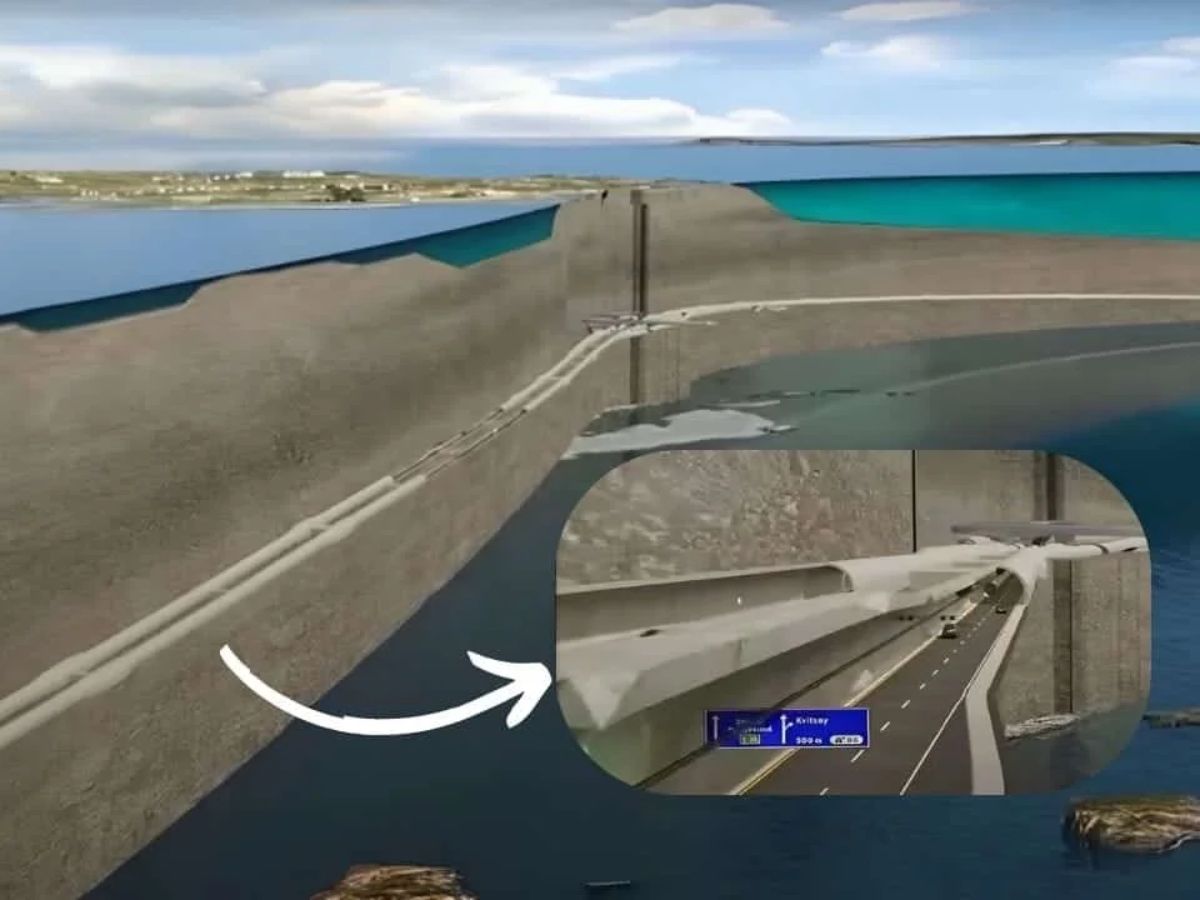
The E39 Highway Project in Norway Explores Cutting-Edge Technologies, Including the World’s First Submerged Floating Tunnel, to Cross Deep Fjords and Reduce Travel Time by Half
Norway has embarked on one of the most ambitious infrastructure initiatives of the 21st century: the modernization of the E39 Coastal Highway. The project aims to create a ferry-free corridor, connecting the south and the center of the country. To overcome the challenges of wide and deep fjords, the country is exploring pioneering engineering solutions, including the concept of a world’s first submerged floating tunnel.
This article delves deep into this vision, detailing the technology of the “floating road,” the challenges faced, the evolution of projects, and how Norway is redefining the limits of engineering to conquer its most challenging landscapes.
Norway’s Vision: A Western Corridor Free of Ferries
The European Route E39 stretches approximately 1,100 km along Norway’s rugged west coast, a region that generates about half of the country’s exports.
-
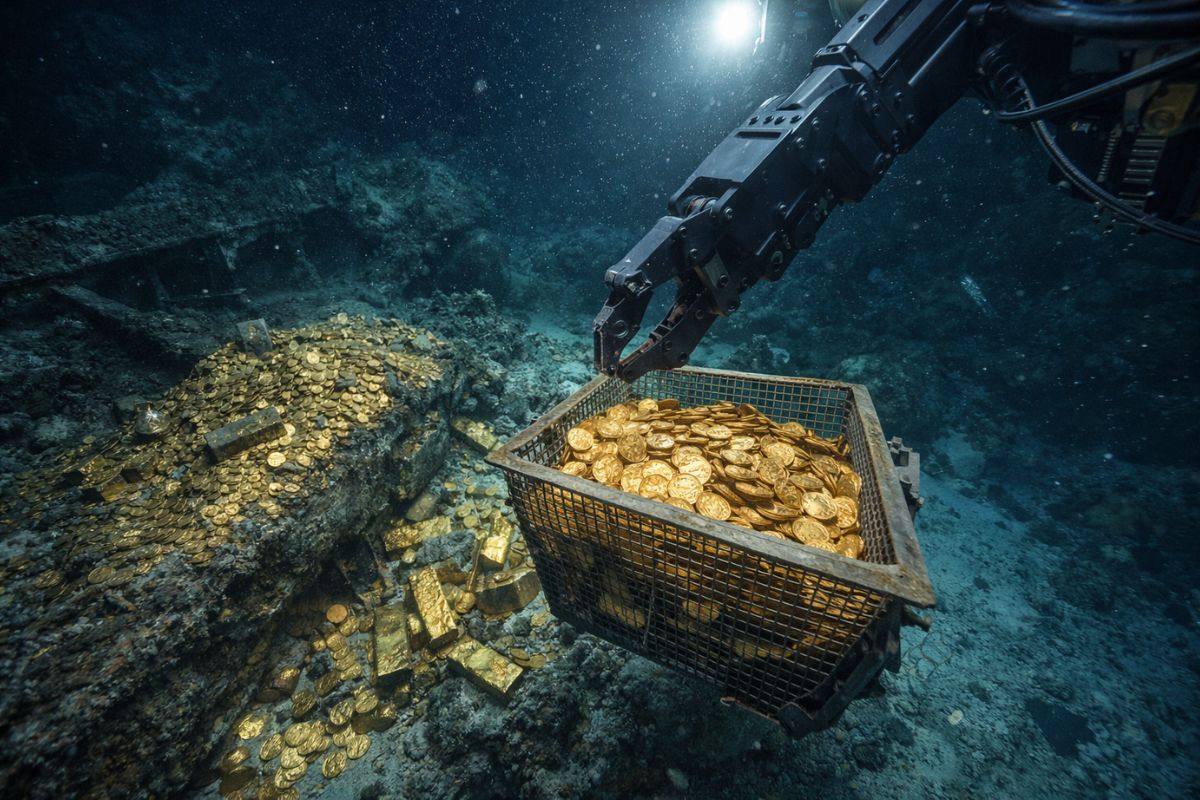
He found the largest gold shipwreck in the United States with tons of the precious metal at a depth of 2,400 meters in the Atlantic and recovered a treasure that no one thought possible to reach, but 500 gold coins disappeared without explanation.
-
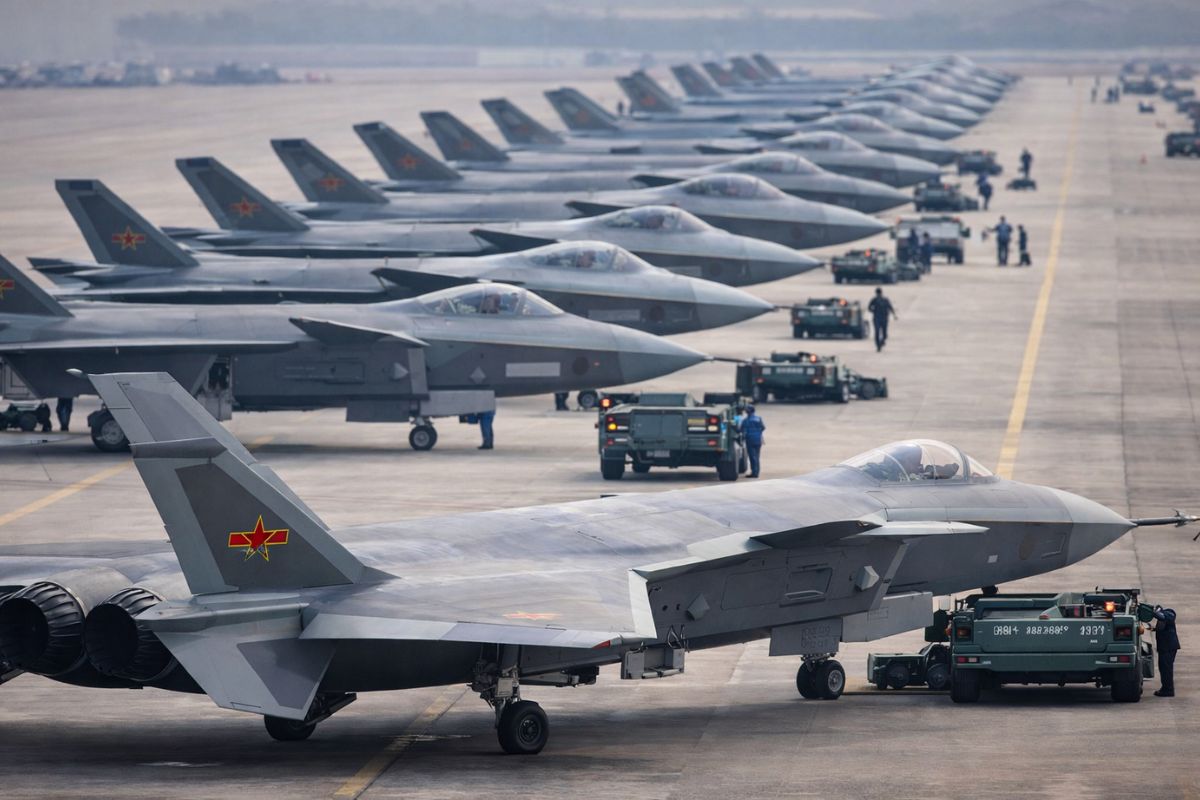
The United States has a serious problem with its F-35s: China is already producing fighters at a pace that exceeds American capacity and could manufacture up to 300 aircraft per year before the end of the decade, shifting the global military balance.
-
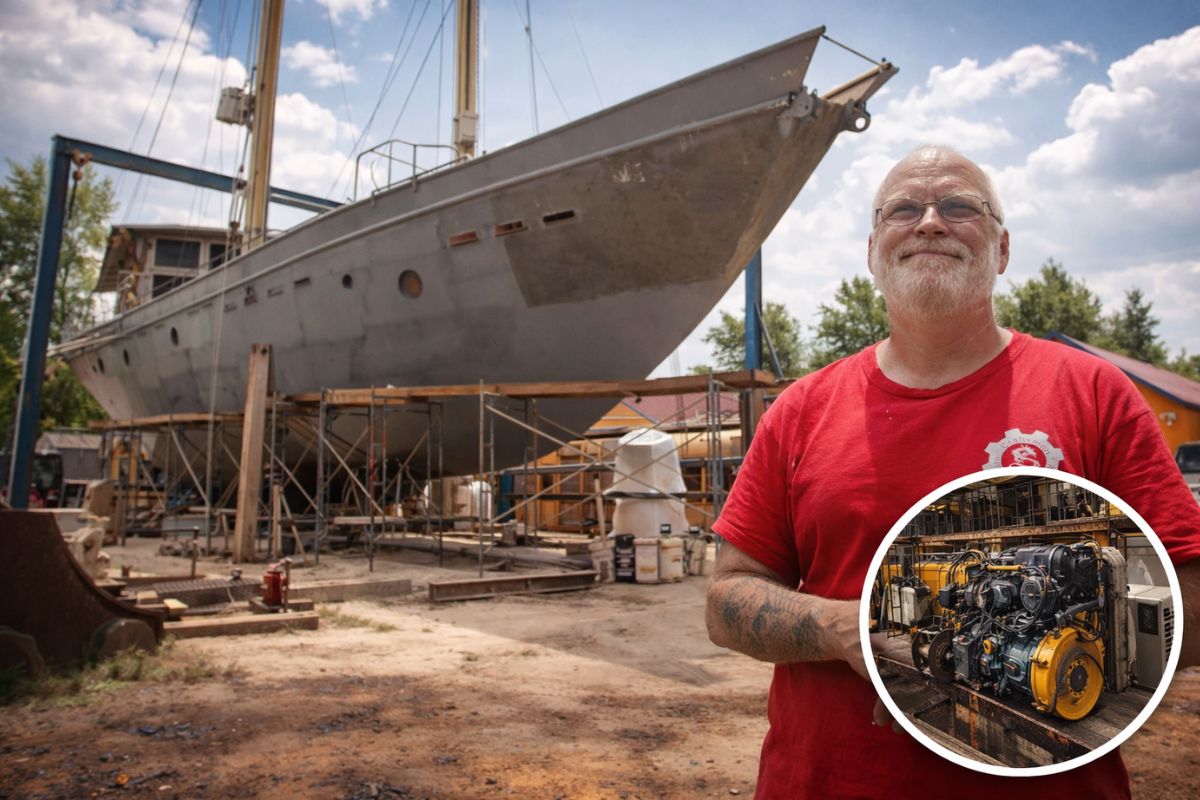
A retired IT professional built a 22-meter boat in his backyard in Oklahoma with a school bus engine, light pole masts, and handmade watertight doors to become the redneck version of Jacques Cousteau.
-
China is building a city in Brazil: a complex with an investment of R$ 5.5 billion comes to light, but allegations involving workers draw attention.

Currently, the route is interrupted by seven ferry crossings, which elevates the total travel time to around 21 hours.
The E39 Coastal Highway project, led by the Norwegian Public Roads Administration (NPRA), aims to replace all ferries with fixed connections (bridges and tunnels), reducing travel time to approximately 11 hours.
This venture, with an estimated cost of over US$ 40 billion, is seen as a strategic initiative to integrate the economy of the west coast and promote regional development.
The Engineering of the “Archimedes Bridge”
To cross fjords that can reach 5 km in width and over 1,300 meters in depth, conventional solutions are unfeasible. This is where the concept of Submerged Floating Tunnel (SFT), also known as the Archimedes Bridge, comes in.
This would be the world’s first submerged floating tunnel for road traffic, consisting of one or two tubular concrete structures, positioned about 20 to 50 meters below the water surface.
The tunnel remains in position through buoyancy, balanced by anchoring systems, which can be tensioned cables fixed to the seabed or suspended from floating pontoons.
The advantages are clear: the structure is immune to the surface weather conditions, does not interfere with shipping traffic, and is technically feasible for very deep waters.
Norway, through the NPRA, has become a global leader in the research and development of this technology.
From the Idea of the Floating Tunnel to the Record-Breaking Bridge

The crossing of the Bjørnafjorden, with its 5.5 km width and great depth, was one of the main candidates for the implementation of the world’s first submerged floating tunnel. Detailed studies on the concept were conducted.
However, reflecting the adaptive engineering process, the NPRA chose a different solution for this specific crossing: a curved floating bridge, anchored at the ends and supported by steel pontoons.
With an overall length of approximately 5.5 km, this will be the longest floating bridge in the world. The decision was influenced by proposals that resulted in significant cost reductions for the floating bridge concept.
Research on the SFT for the Bjørnafjorden was not in vain; the knowledge gained remains a valuable asset for future crossings on the E39, such as that of the Sognefjorden.
Challenges Beyond Engineering, Safety, Environment, and Society
The construction of the E39 faces complex challenges that go beyond engineering.
Safety: the projects are designed to mitigate risks such as collisions with ships and submarines, and even internal explosions. Tests with real explosives have been conducted on SFT models, with results indicating that water pressure can help contain the damage.
Environment: construction in sensitive fjord ecosystems raises concerns. The NPRA conducted studies on the impacts on hydrodynamics, risks of noise and light pollution for wildlife, and barriers to fish migration. Norwegian conservation groups have criticized the project, pointing to the destruction of untouched nature.
Socioeconomics: the billion-dollar costs are financed by a combination of tolls and state investment, and the public debate over economic viability and investment priorities is intense.
The Floating Road as a New Paradigm for Mega-Projects


The E39 Coastal Highway project, with its pursuit of solutions like the world’s first submerged floating tunnel, is a bold demonstration of human capacity to face extreme geographic challenges through innovation.
Norway’s holistic approach, which integrates cutting-edge engineering with environmental and socioeconomic assessments, establishes a new paradigm for mega-projects in infrastructure.
Whether through record-breaking floating bridges or the future implementation of submerged tunnels, Norway is not only solving its own transportation challenges; it is functioning as a global incubator for advanced technologies, serving as inspiration for future generations of engineers and planners.






Seja o primeiro a reagir!